Southeast Europe / Adriatic
Albanian
Also: Albanian Cuisine, Kuzhina Shqiptare
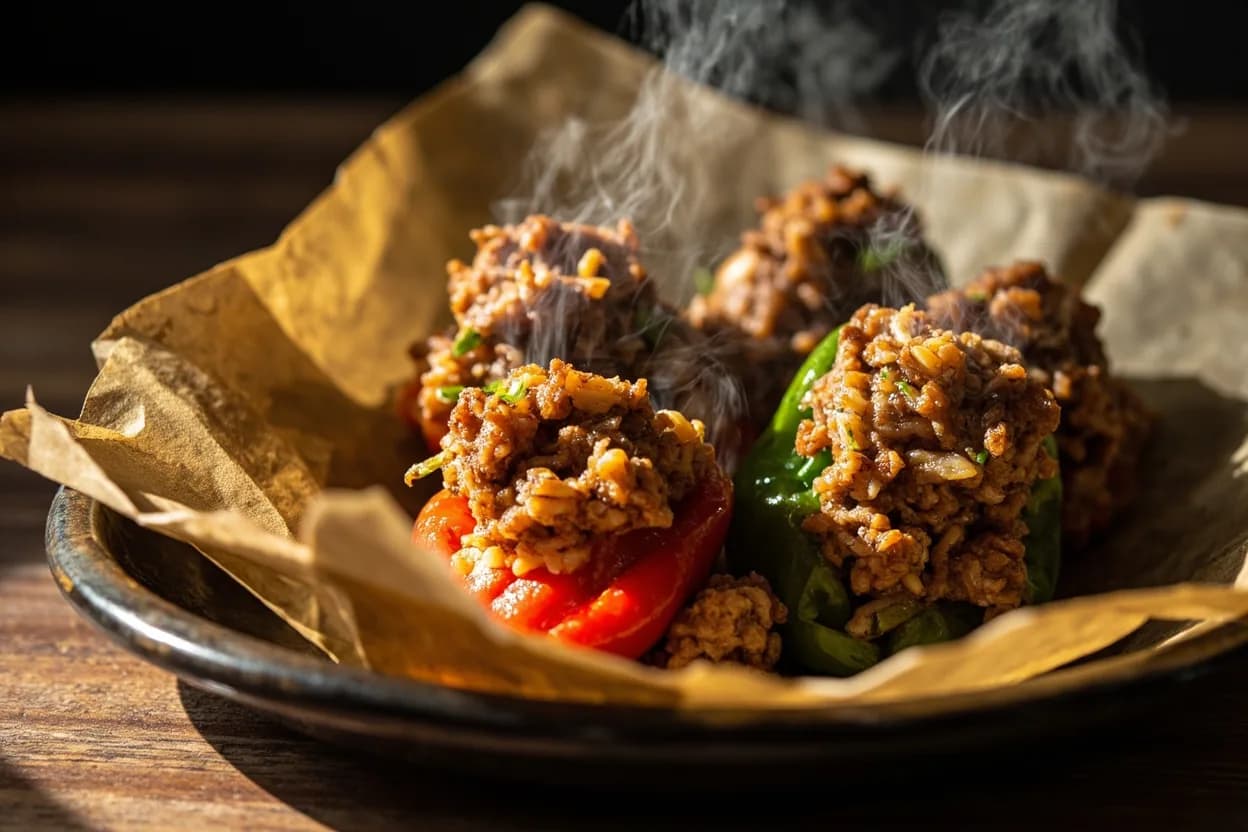
Ottoman-layered and Mediterranean at once — byrek pastry, tavë kosi baked lamb in yogurt, fërgesë peppers, and raki brandy, built on mountain dairy and, in the south, real olive oil and citrus.
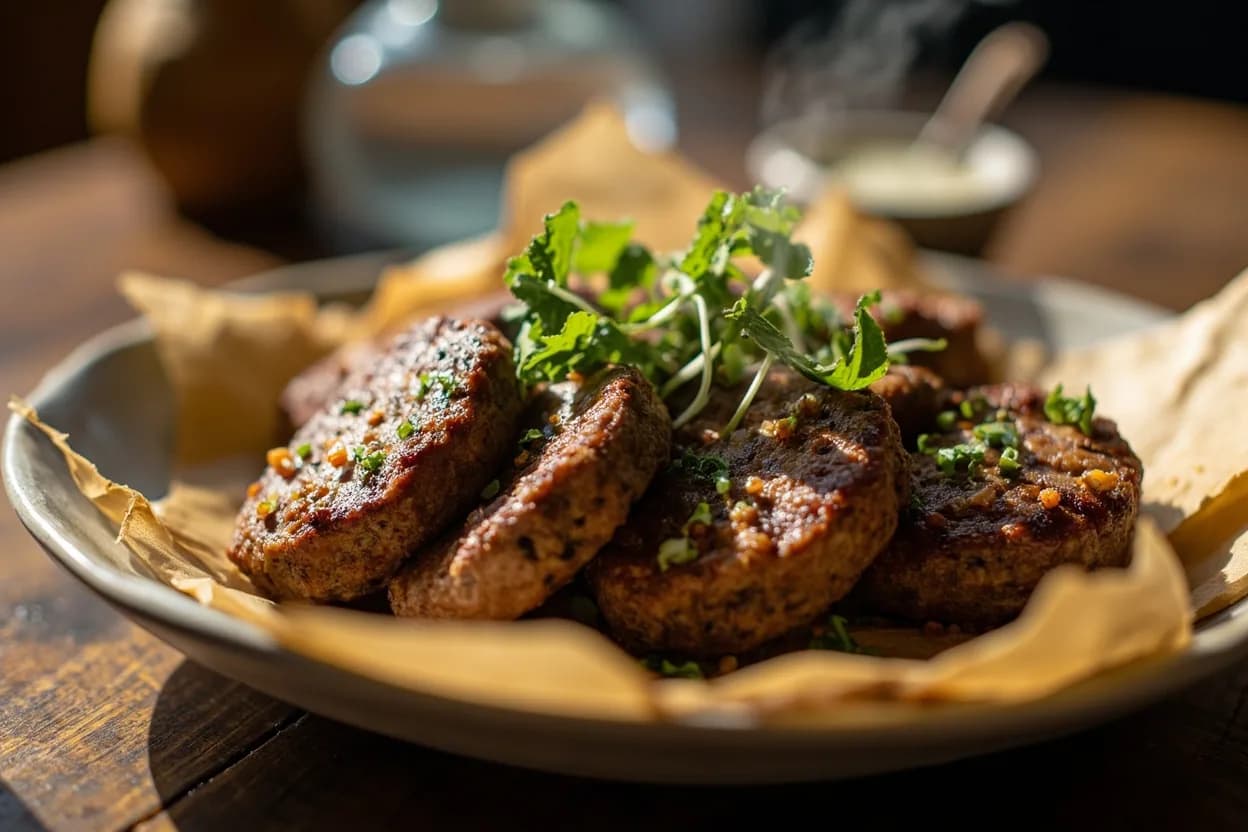
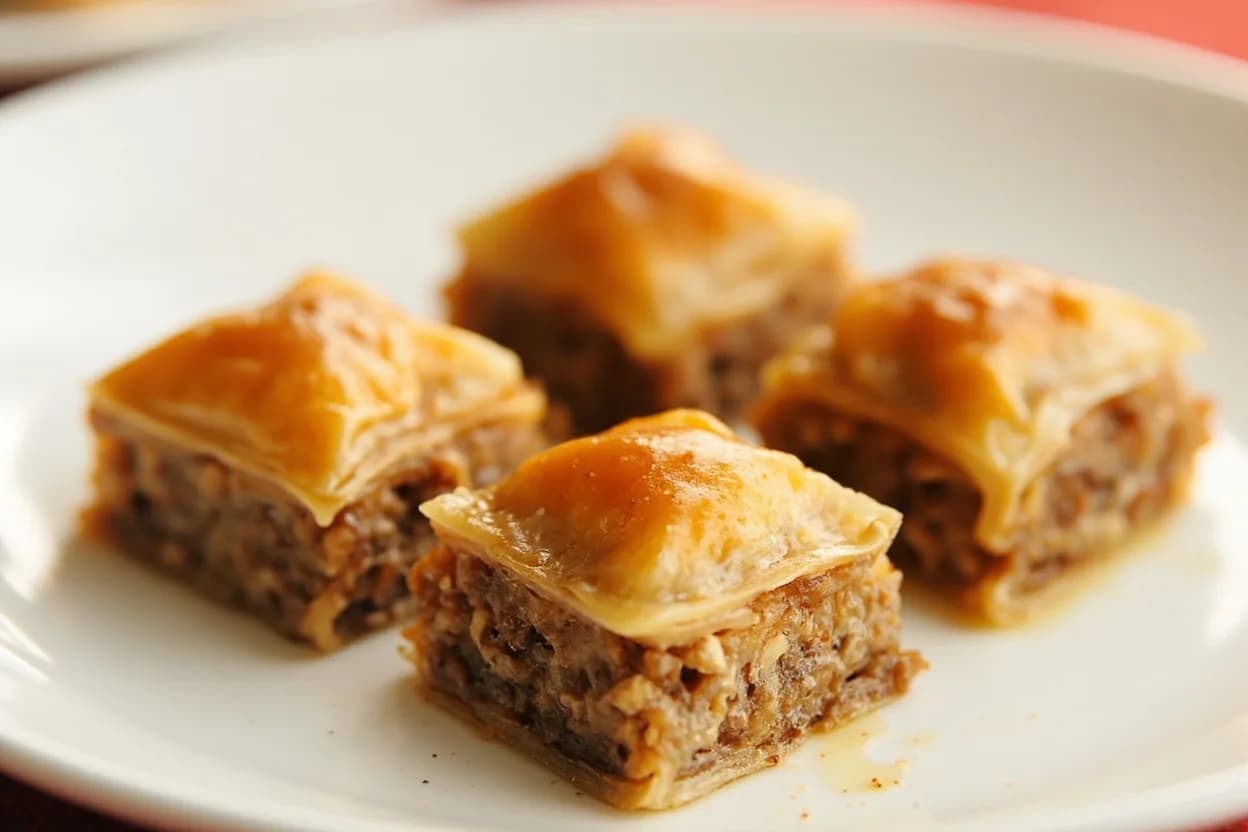
Albanian cooking runs two traditions in parallel: a strong Ottoman-derived layer shared with the rest of the former Ottoman Balkans (byrek, baklava, grilled qofte, raki), and a genuinely Mediterranean coastal layer in the south, where olive oil, citrus, and fresh vegetables dominate over the dairy-and-meat cooking of the mountain interior. Its structural signature is technique-forward baking — meat and vegetables baked together with a yogurt-and-egg sauce, as in tavë kosi, rather than simmered separately — and a heavy reliance on mountain pastoral dairy (yogurt, whey, sheep's cheese) as both an ingredient and a souring agent.
The flavour base
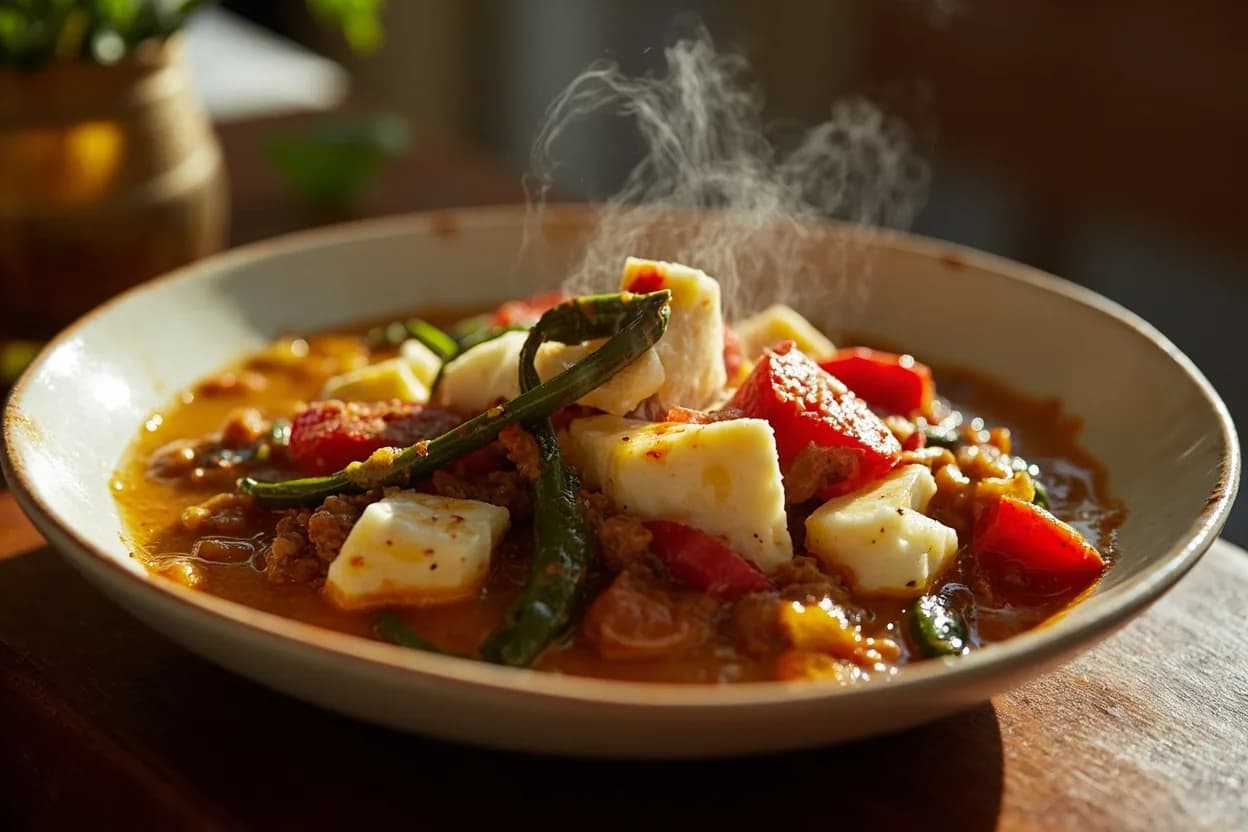
Yogurt as both a sauce base and a souring agent (central to tavë kosi), olive oil in the south and along the coast, butter and animal fat inland, garlic, oregano, and mint as core herbs, and a base of onion and tomato or pepper for vegetable dishes like fërgesë. Raki (grape or fruit brandy) functions socially rather than as a cooking ingredient, alongside strong Ottoman-style coffee.
Pantry staples
Key ingredients
Signature techniques
Signature dishes
At the table
The main cooked meal is typically midday or evening depending on region, built around one baked or stewed centerpiece dish rather than several small plates. Byrek, eaten any time of day, functions as both a breakfast food and a snack. Meze-style spreads of cheese, olives, and cured meat open larger meals, especially in the south, and raki is poured and toasted before eating rather than during. Guest hospitality is a serious cultural value, and a guest is traditionally served the best cuts and encouraged to eat well beyond a token portion.
History & context
Illyrian and later Byzantine foodways underlie the region, but the deepest layer is nearly five centuries of Ottoman rule (15th century to 1912), which brought byrek-style filled pastry, baklava and other syrup sweets, pilaf, and coffee culture that Albania shares with Greece, Turkey, and the rest of the Balkans. Independence in 1912 and the interwar period saw limited culinary change, but the most distinctive break came under Enver Hoxha's isolationist communist regime (1944–1991): Albania broke with the Soviet Union in the early 1960s and then with China in the late 1970s, sealing its borders almost completely and running a centrally planned agricultural economy that limited food variety and cut the country off from outside culinary influence for nearly half a century. This isolation is a major reason Albanian food remained far less known internationally than Greek, Turkish, or even Serbian cuisine well into the 1990s, despite sharing much of the same Ottoman pantry. Since the regime's fall in 1991, opening borders, emigration (particularly to Italy and Greece), and a fast-growing coastal tourism economy along the Albanian Riviera have both reintroduced Mediterranean influence and begun exporting Albanian cooking abroad for the first time.
Regional variations
- Coastal south (Riviera, Vlorë, Sarandë)
Genuinely Mediterranean — olive oil, citrus, fresh vegetables, and seafood dominate, closer in spirit to Greek and southern Italian coastal cooking than to the mountain interior.
- Central Albania (Elbasan, Tirana)
Home of Tavë Elbasani and the baked-yogurt tradition at its most developed; dairy and egg-enriched sauces are the strongest regional signature.
- Northern highlands (Malësia, Shkodër)
Harsher, dairy- and cornmeal-heavy pastoral cooking — whey, cured meats, and cornbread reflect mountain sheep-herding rather than Mediterranean farming.
Related cuisines
- Greek
Shares byrek/bourekas-style phyllo pastry, baklava, and baked-yogurt dishes directly through the common Ottoman layer, though Albanian tavë kosi's baked-custard technique is more elaborate than most Greek yogurt-meat dishes.
- Turkish
The deepest shared layer — byrek (börek), qofte (köfte), baklava, pilaf, and raki (rakı) all trace to the same Ottoman-era pantry and technique; none of these are Albanian in sole origin, only in local seasoning and form.
- Italian
Coastal southern Albania shares olive oil, citrus, and simple grilled-fish cookery with nearby Puglia and Calabria, reinforced by heavy emigration and return-migration between the two coasts since the 1990s.
Canonical recipes
The dishes that define Albanian, documented in the Canon.
References
- 1.Bountiful Empire: A History of Ottoman Cuisine — Priscilla Mary Işın (Reaktion Books, 2018)
- 2.The Melting Pot: Balkan Food and Cookery — Maria Kaneva-Johnson (Prospect Books, 1995)
- 3.The Oxford Companion to Food — Alan Davidson, ed. (Oxford University Press, 1999)
- 4.Cuisine and Empire: Cooking in World History — Rachel Laudan (University of California Press, 2013)
Confidence: medium
Notes
Tavë kosi as technique, not just a dish
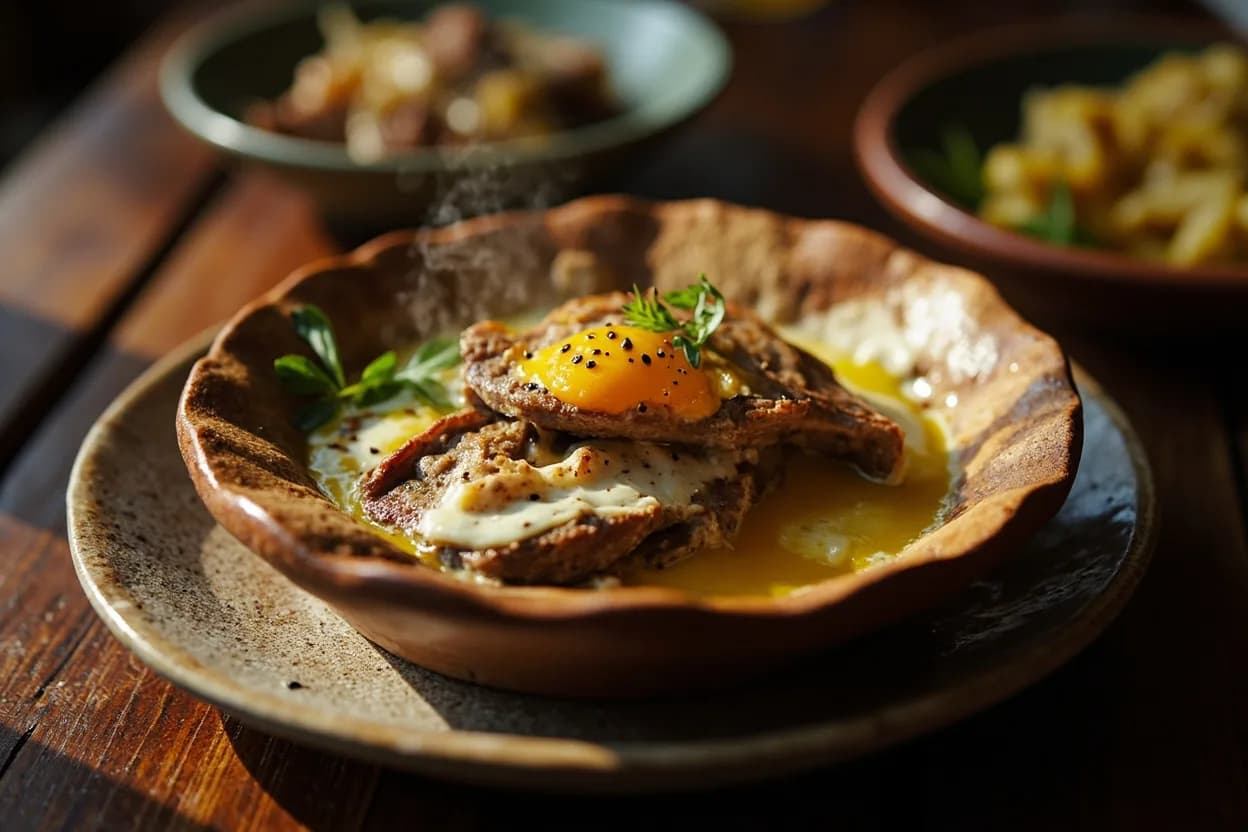
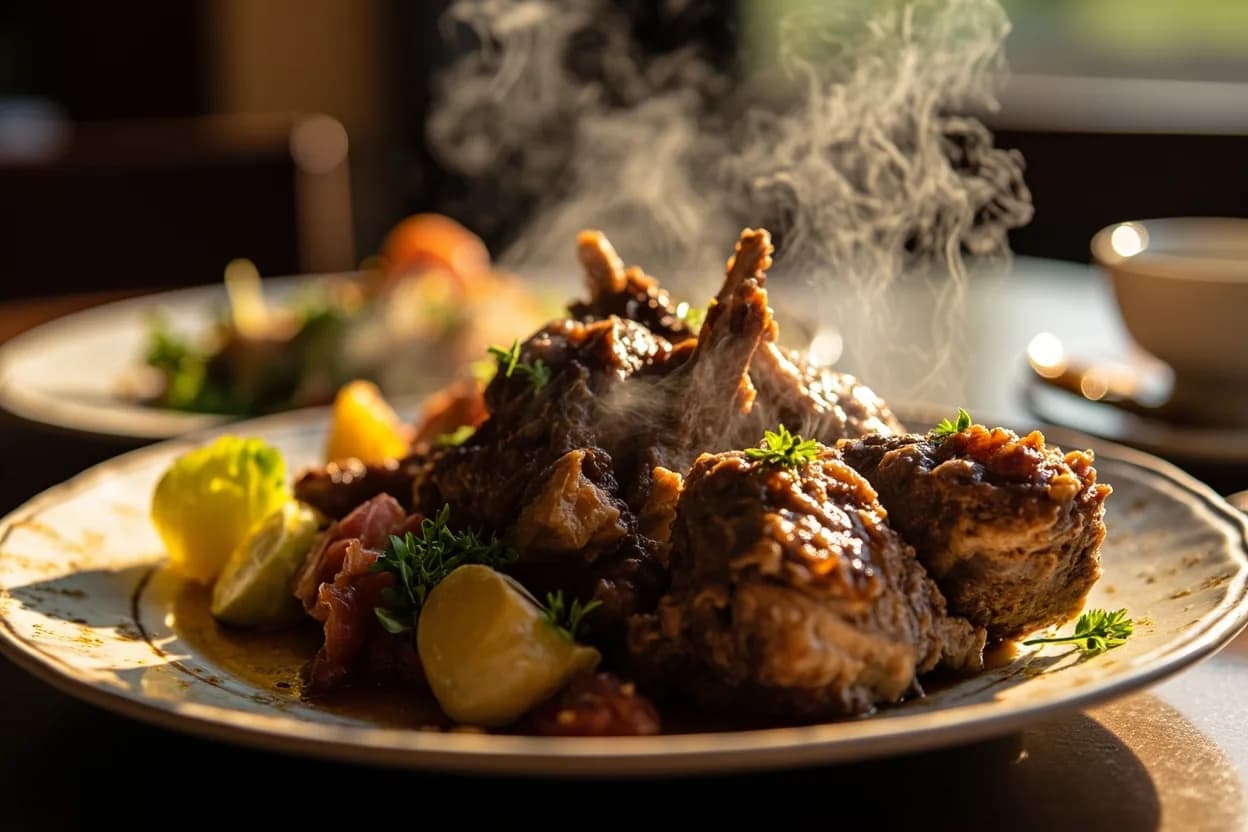
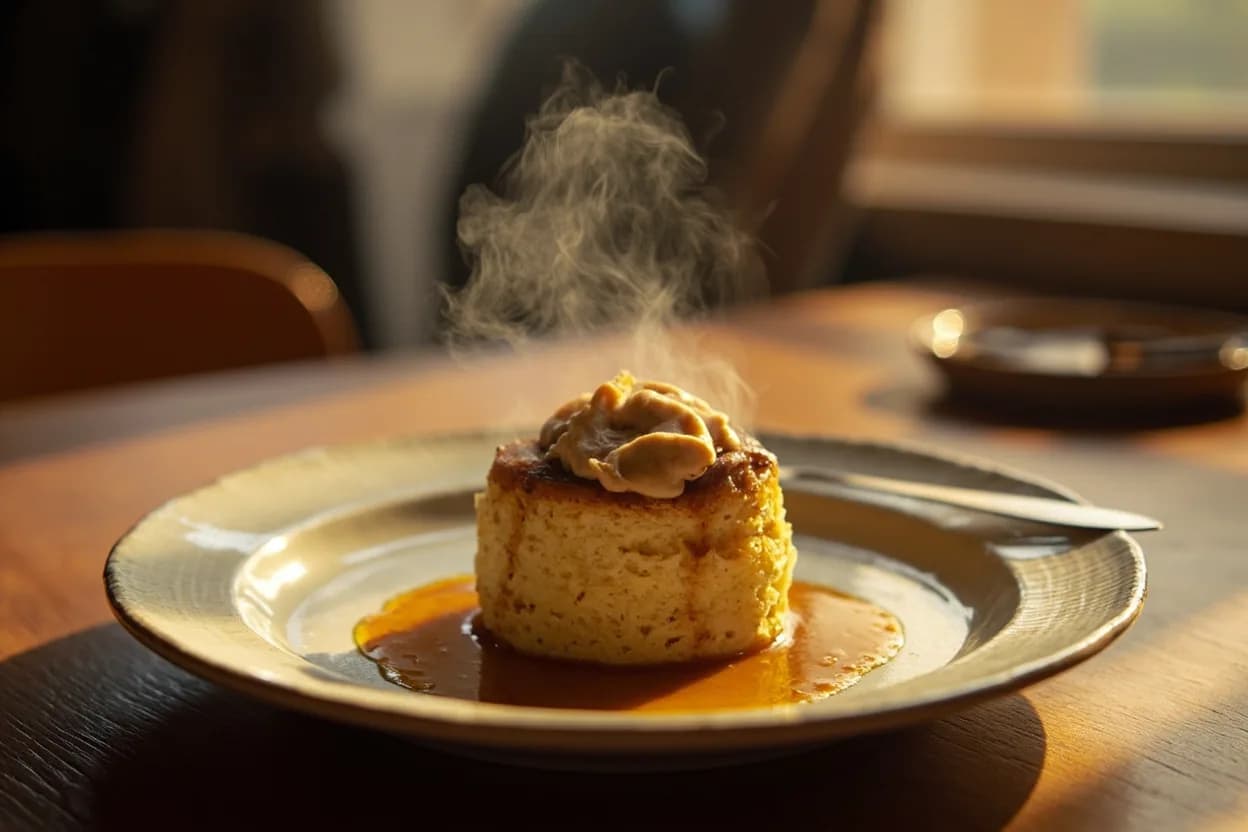
Tavë kosi ('baked yogurt') is often called Albania's closest thing to a national dish, and it is better understood as a technique than a fixed recipe: pieces of lamb, traditionally on the bone, are partly cooked, then covered in a sauce of strained sheep's-milk yogurt whisked with eggs and a little rice flour, and baked until the yogurt sauce sets into a firm, custard-like top rather than remaining a liquid sauce. The result sits somewhere between a stew and a savory soufflé, and the setting of the yogurt-egg mixture under heat — rather than any specific spicing — is the part of the dish cooks take real pride in getting right; too hot and it curdles into loose curds, too cool and it never sets past a sauce. The dish is strongly associated with the city of Elbasan, where a closely related but distinct version, tavë Elbasani, built from veal or beef rather than lamb and often with a tomato base under the yogurt layer, is treated as its own dish rather than a variant — a sign of how much technical variation the 'baked yogurt' family carries even within one country.
The Hoxha isolation and why Albanian food stayed obscure
Enver Hoxha's regime ruled Albania from 1944 until his death in 1985, and the country continued under strict isolation until 1991. After breaking with the Soviet Union in the early 1960s and then with China in the late 1970s, Albania became arguably the most closed country in Europe, sealing its borders, banning private travel abroad, and restricting foreign media and visitors almost entirely. Centrally planned agriculture prioritized state quotas and self-sufficiency over variety, which narrowed the everyday diet and limited access to imported ingredients that reached other Balkan countries through trade or looser Eastern Bloc travel. Just as importantly, almost no foreign food writers, chefs, or travelers documented Albanian cooking during this nearly-fifty-year window, which is the direct reason Albanian cuisine remained far less known internationally than Greek, Turkish, or Serbian food well into the 1990s and 2000s, despite drawing on much of the same Ottoman and Mediterranean pantry. Post-1991 emigration and the opening of the Albanian Riviera to tourism since the 2000s have done more to introduce Albanian food abroad than anything in the preceding half-century.
Byrek is shared, and the filling tells you where you are
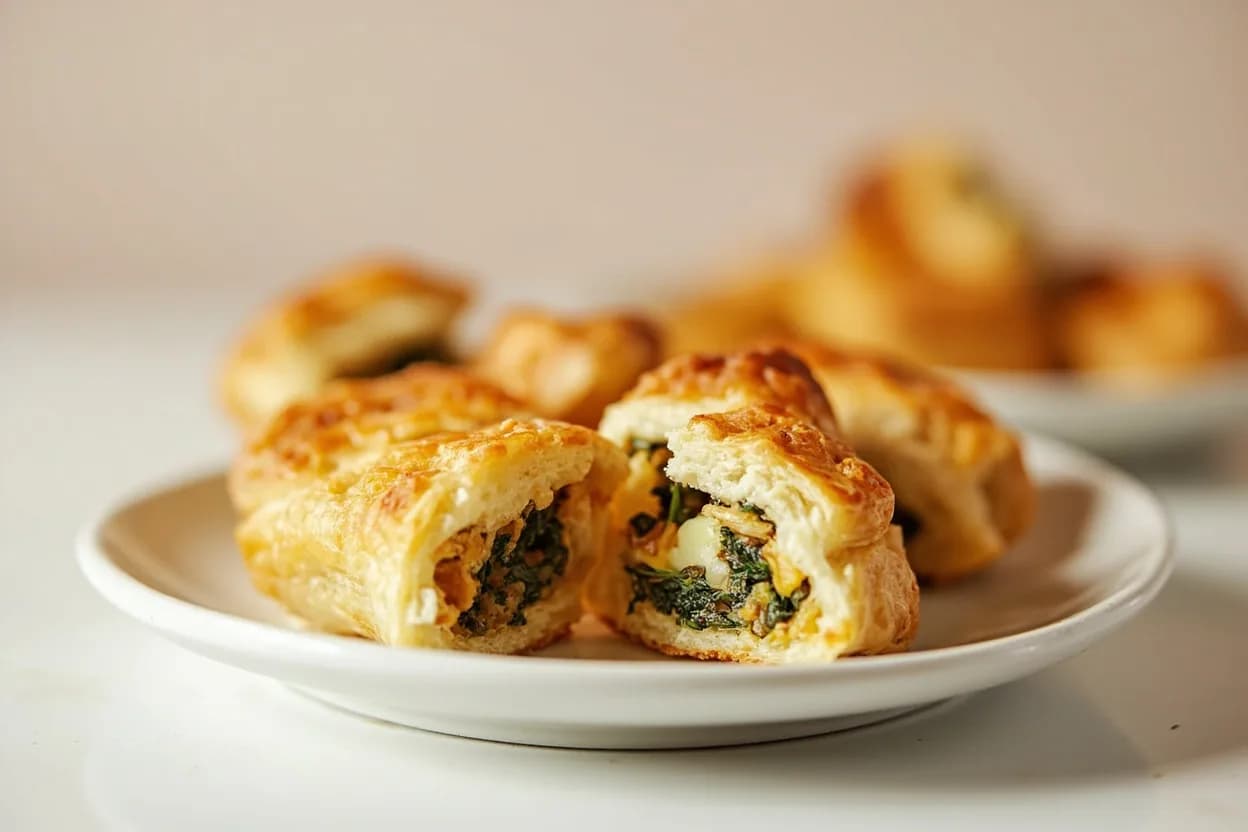
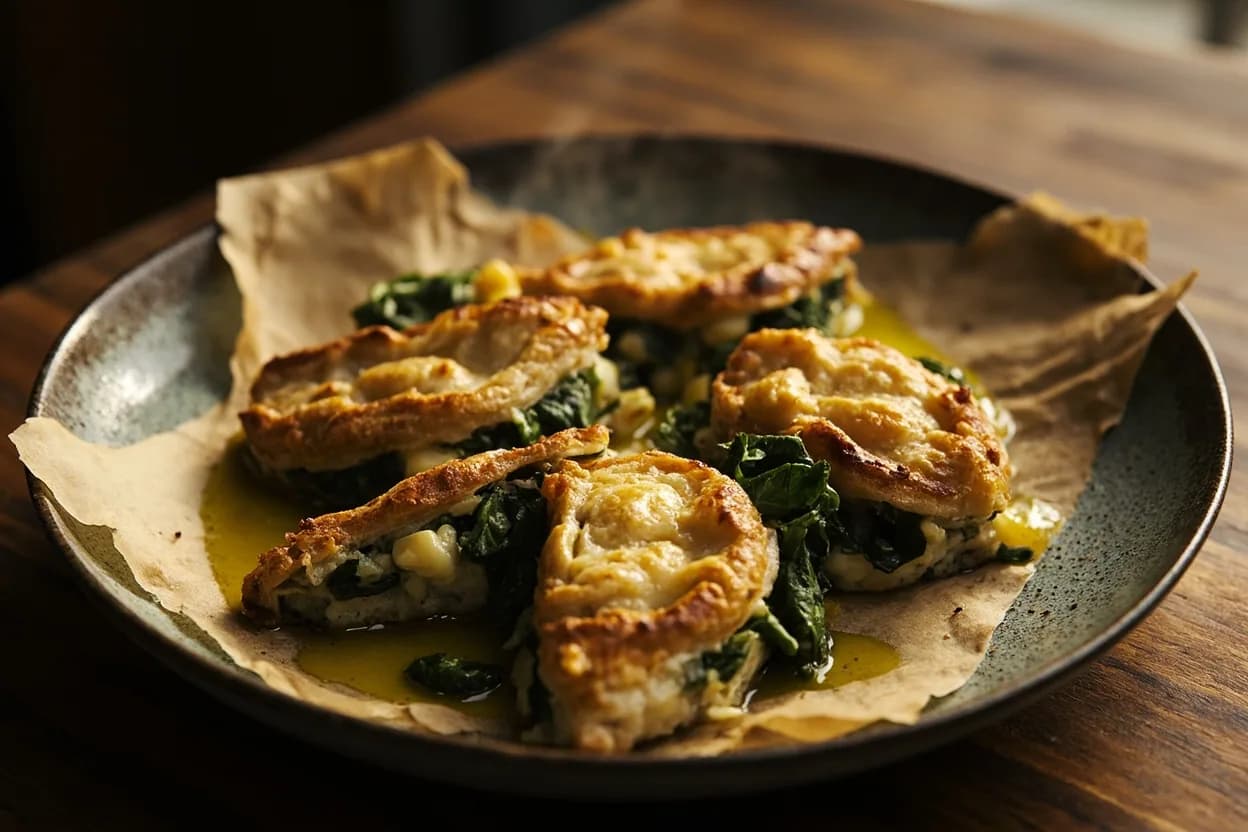
Byrek (spelled börek, burek, byrek, or bureka depending on the country) is a filled phyllo pastry found across the entire former Ottoman Balkans, and no country can defensibly claim to have invented it — it is Ottoman in origin and has localized everywhere the empire once reached. What differs by place is mainly the filling and the shaping: Albanian byrek is commonly filled with spinach and feta-style cheese, minced meat, or leeks, rolled into a coiled spiral or layered into a round pan rather than folded into individual triangles the way some Turkish börek is served. A related Albanian dish, lakror, uses a similar or thinner hand-stretched dough with a vegetable filling, commonly wild greens, leek, or pumpkin, and is often treated as a rustic, home-style cousin of byrek rather than a separate category. Because the pastry technique, not the filling, is what travels across the region, a cook moving from Tirana to Skopje to Belgrade will recognize the method for stretching and layering the dough immediately, even though the local name, filling, and occasion for eating it differ.