South Asia / Himalaya
Nepali
Also: Nepali Cuisine, Nepalese, Nepalese Cuisine
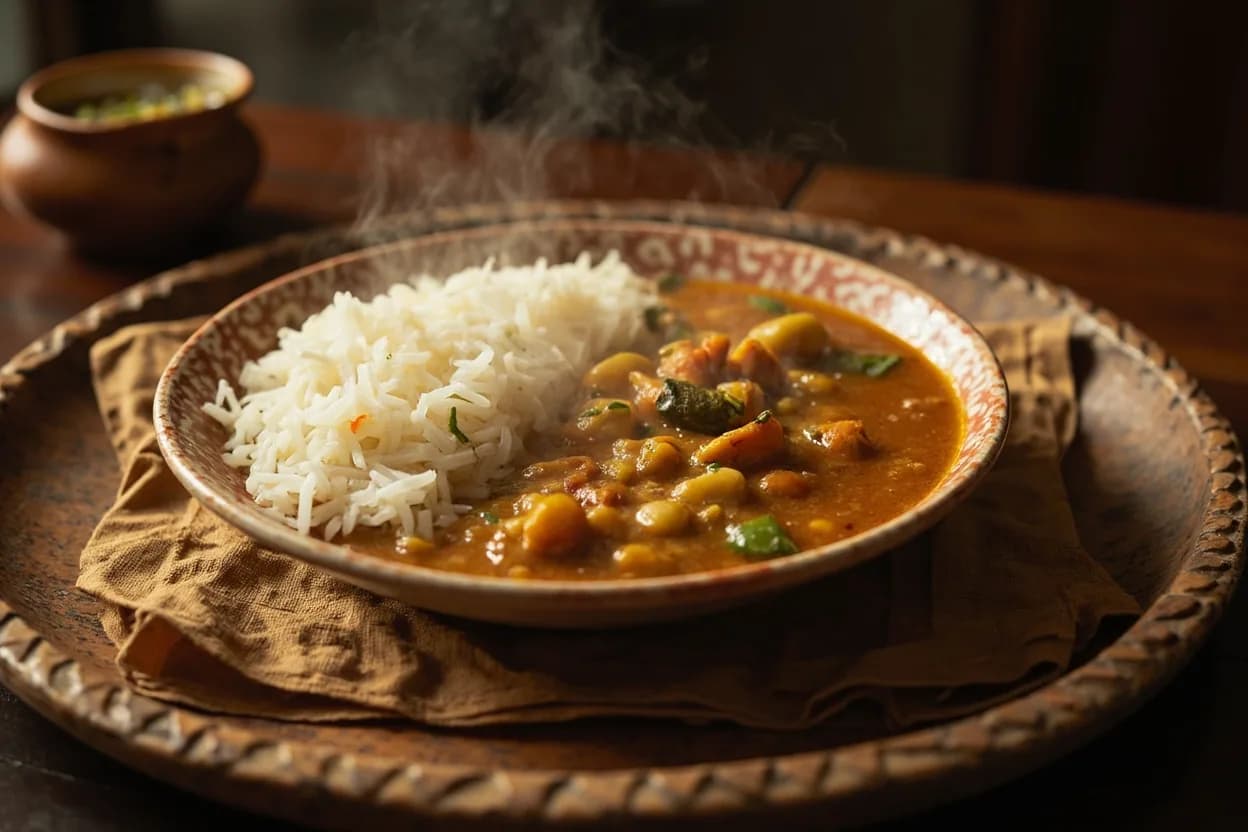
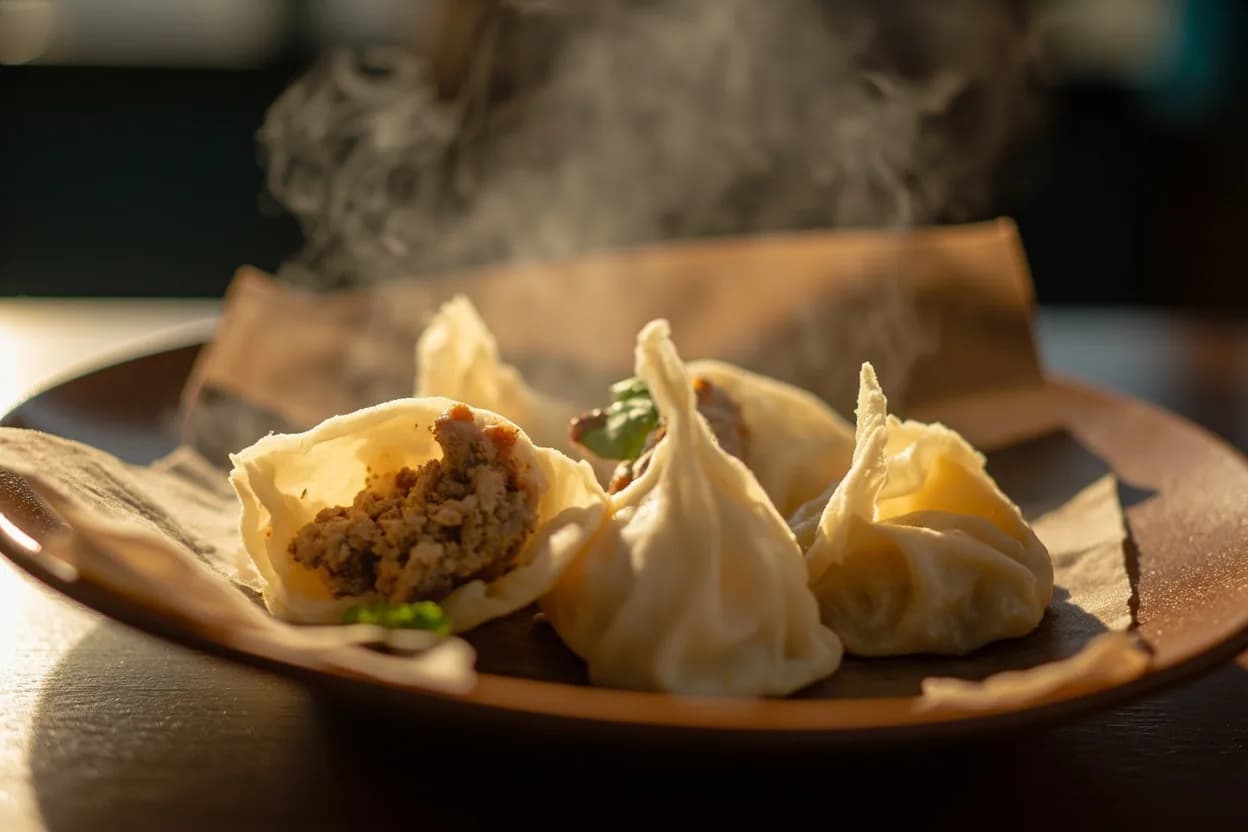
Dal bhat eaten twice daily as a structural rhythm rather than a dish, buckwheat dhido in the high hills, steamed momo everywhere, and jimbu and timur giving Nepali cooking a fried-herb, numbing edge no neighboring cuisine shares.
Nepali food is organized less by nation than by altitude and ethnicity: the elaborate Newar feast tradition of the Kathmandu Valley, the trading-post cooking of the Thakali along the Annapurna corridor, Tibetan-influenced food in the high Himalaya, and Terai lowland cooking that shades into Bihar. What unifies almost all of it is dal bhat tarkari — lentil soup, rice, and a vegetable side — eaten as a daily structural template rather than a single dish, plus a distinctive pair of seasonings, jimbu and timur, rarely found outside the Himalayan belt.
The flavour base
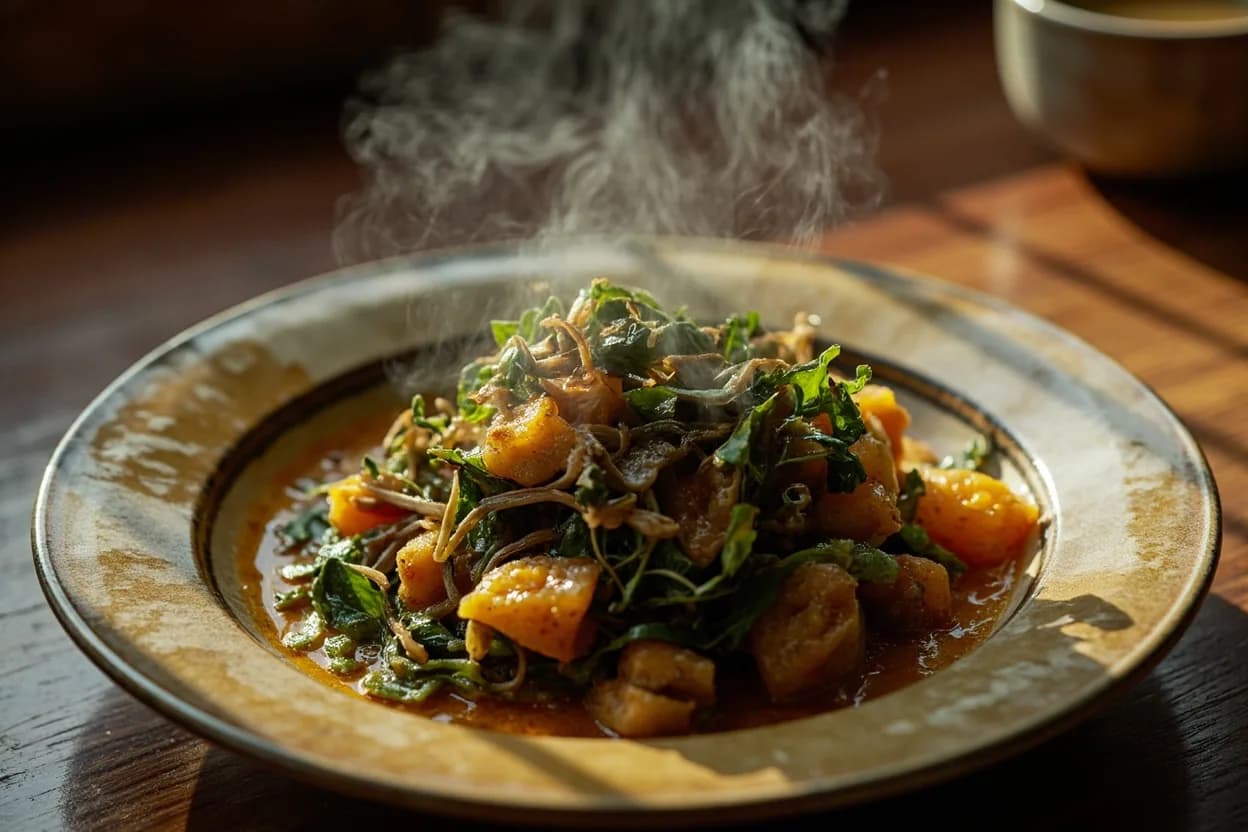
Two seasonings mark Nepali cooking as distinct from the rest of South Asia: jimbu, a dried, wiry high-altitude herb (Allium hypsistum) fried whole in hot ghee or mustard oil as a tempering, giving a savory, faintly onion-garlic aroma unlike anything used further south; and timur, a Himalayan relative of Sichuan pepper that leaves a citrusy, mouth-numbing tingle. Beyond these, mustard oil is the working fat in the hills, turmeric and cumin are constants, fenugreek and dried whole red chilies temper dals, and fermented gundruk or sinki (dried leafy greens) supply a sour, almost cheese-like funk found in few other national cuisines.
Pantry staples
Key ingredients
Signature techniques
Signature dishes
At the table
Most Nepalis eat dal bhat tarkari twice a day — a late, substantial mid-morning meal and a similar one in the evening — rather than three smaller meals; a light snack (khaja, often chiura/beaten rice or leftovers) fills the middle of the day. The plate is a thali: rice mounded with lentil soup, a vegetable curry, a pickle (achar), and often a meat or dried-fish side. In the high hills, buckwheat or millet dhido replaces rice as the staple starch. The Newar bhoj is the structural opposite of this everyday simplicity: a codified ritual feast served in strict course order on a lapte leaf plate, with buffalo, beaten rice, and a defined roster of dishes central to major life-cycle and calendar events.
History & context
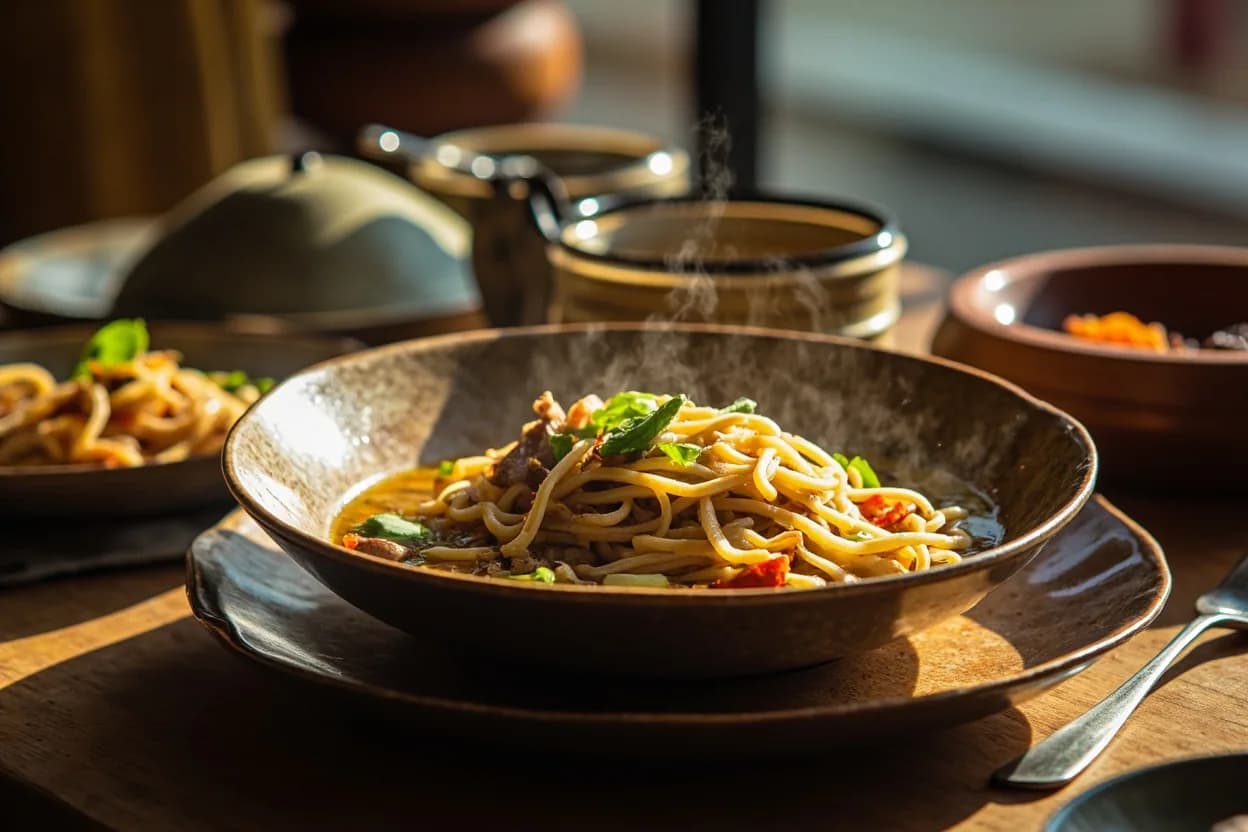
The Kathmandu Valley's Newar civilization built an elaborate urban feast culture under the Malla dynasty (12th–18th century), codifying ritual multi-course meals (bhoj) tied to caste and lifecycle rites. Prithvi Narayan Shah's Gorkha conquest of 1768–69 unified dozens of ethnic groups and their food traditions under one Hindu hill state, while the Rana oligarchy (1846–1951) kept Nepal largely closed to outside trade, preserving regional cooking in relative isolation. The opening of the country after 1951 and the influx of Tibetan refugees following the 1959 uprising brought momo, thukpa, and butter tea decisively into lowland urban Nepali food, where momo is now closer to a national dish than a regional one. The Thakali people, who controlled salt-and-grain trade routes through the Kali Gandaki gorge to Tibet, developed a distinct hospitality cuisine built around roadside bhatti inns, still the reference standard for a well-made Nepali thali. The Terai plains, agriculturally and linguistically tied to neighboring Bihar, developed a rice-and-fish cooking closer to the Gangetic plain than to the hills. Trekking tourism from the 1960s onward turned momo and thukpa into cash-economy street food nationwide.
Regional variations
- Kathmandu Valley (Newar)
An elaborate ritual feast tradition (bhoj) with its own course structure, buffalo-meat dishes, beaten rice, and ceremonial platters like samay baji, historically tied to caste and lifecycle rites under the Malla courts.
- Annapurna / Thakali corridor
A trading-route cuisine built around bhatti inns; the Thakali thali (dal bhat with multiple pickles and a meat side) is widely considered the benchmark version of the everyday plate, and dhido is the daily staple over rice.
- High Himalaya (Sherpa / Tibetan-influenced)
Tsampa, yak butter tea, yak dairy, and momo/thukpa dominate, reflecting direct continuity with Tibetan food across the passes rather than lowland Nepali cooking.
- Terai lowlands
Rice-and-fish cooking with closer ties to Bihar than to the hills; dal preparations and wheat flatbreads here resemble the neighboring Gangetic plain more than Kathmandu.
Related cuisines
Momo, thukpa, and butter tea are shared almost unchanged with high-Himalaya Sherpa food, a direct continuity across the passes rather than a borrowing.
- North Indian
Urban lowland Nepali food has adopted tandoor bread and some Mughlai dishes, but the hill-country everyday structure is dal-bhat-and-buckwheat, not the wheat-and-tandoor logic that defines Punjab and Delhi.
- Bihari
Terai lowland cooking shares dal-rice-fish patterns, mustard oil use, and language ties with adjoining north Bihar, diverging structurally from the rest of Nepal.
Canonical recipes
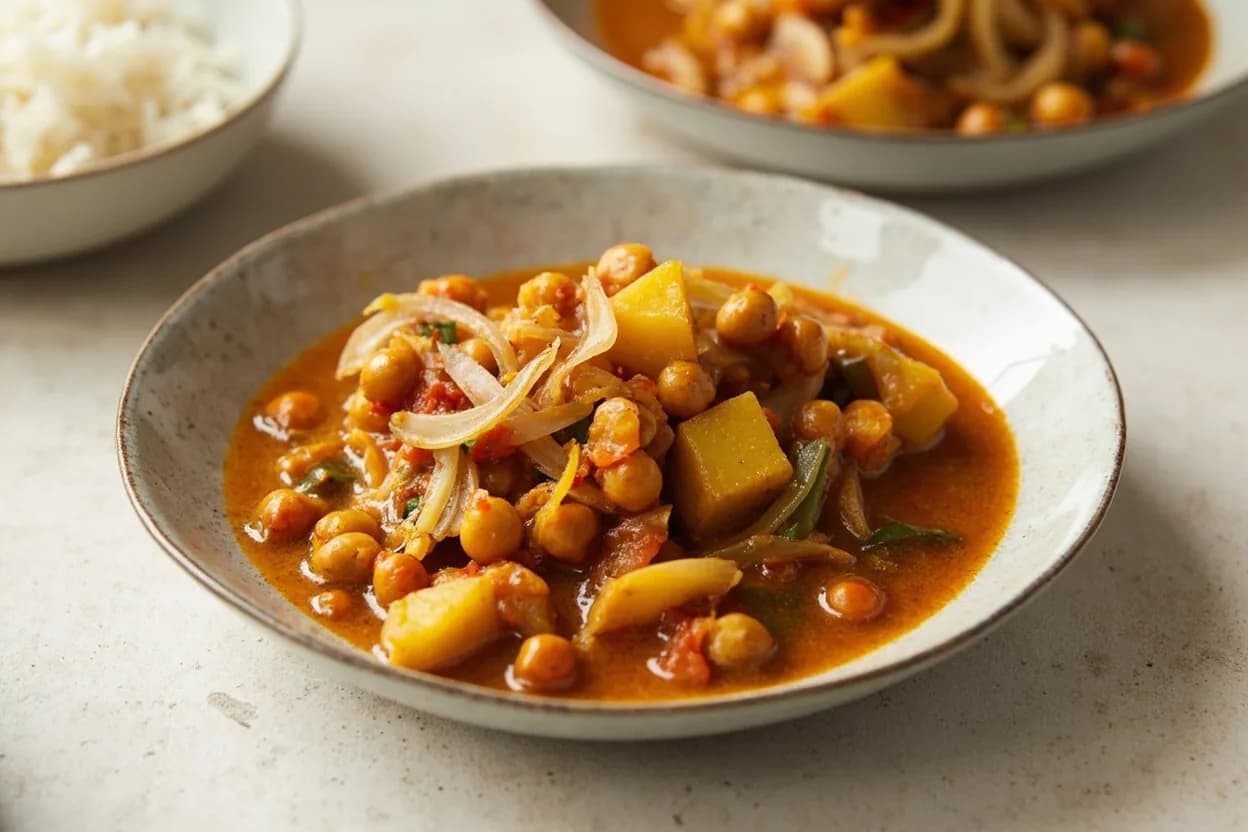
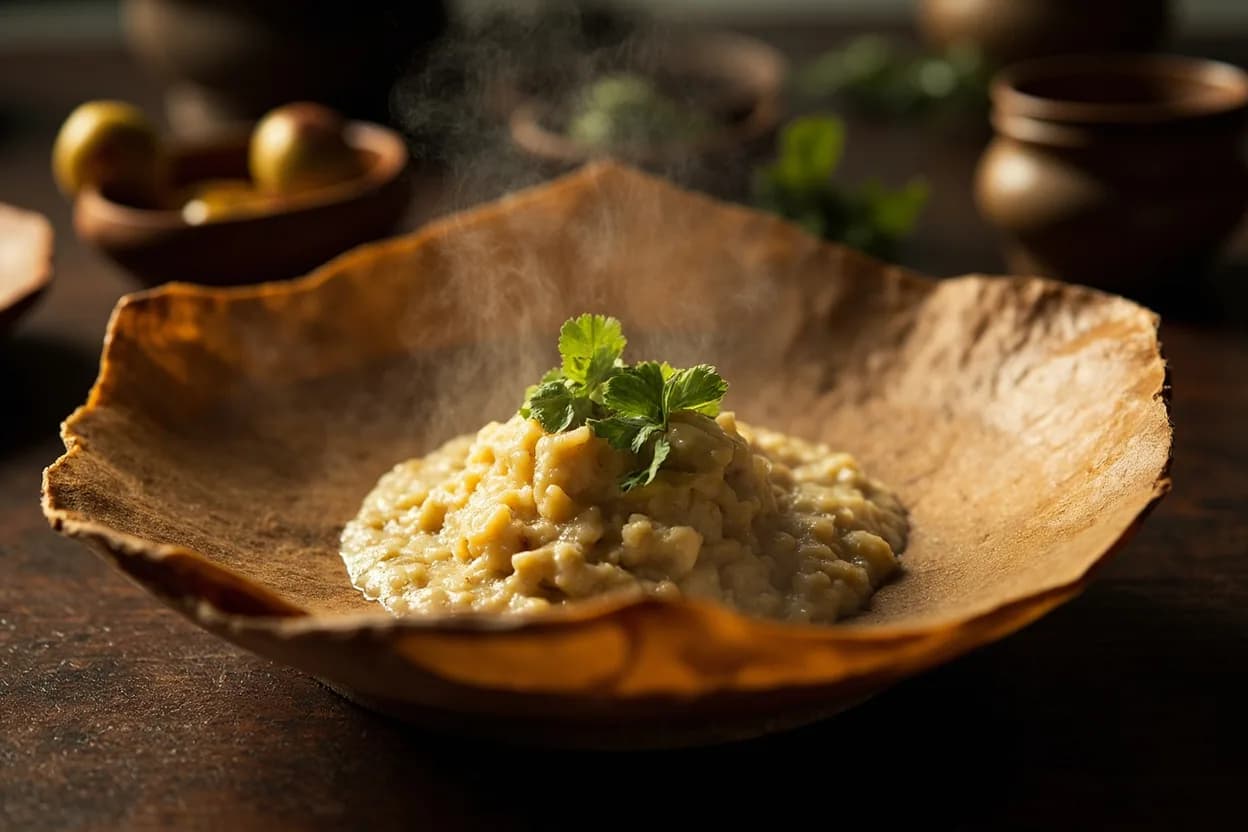
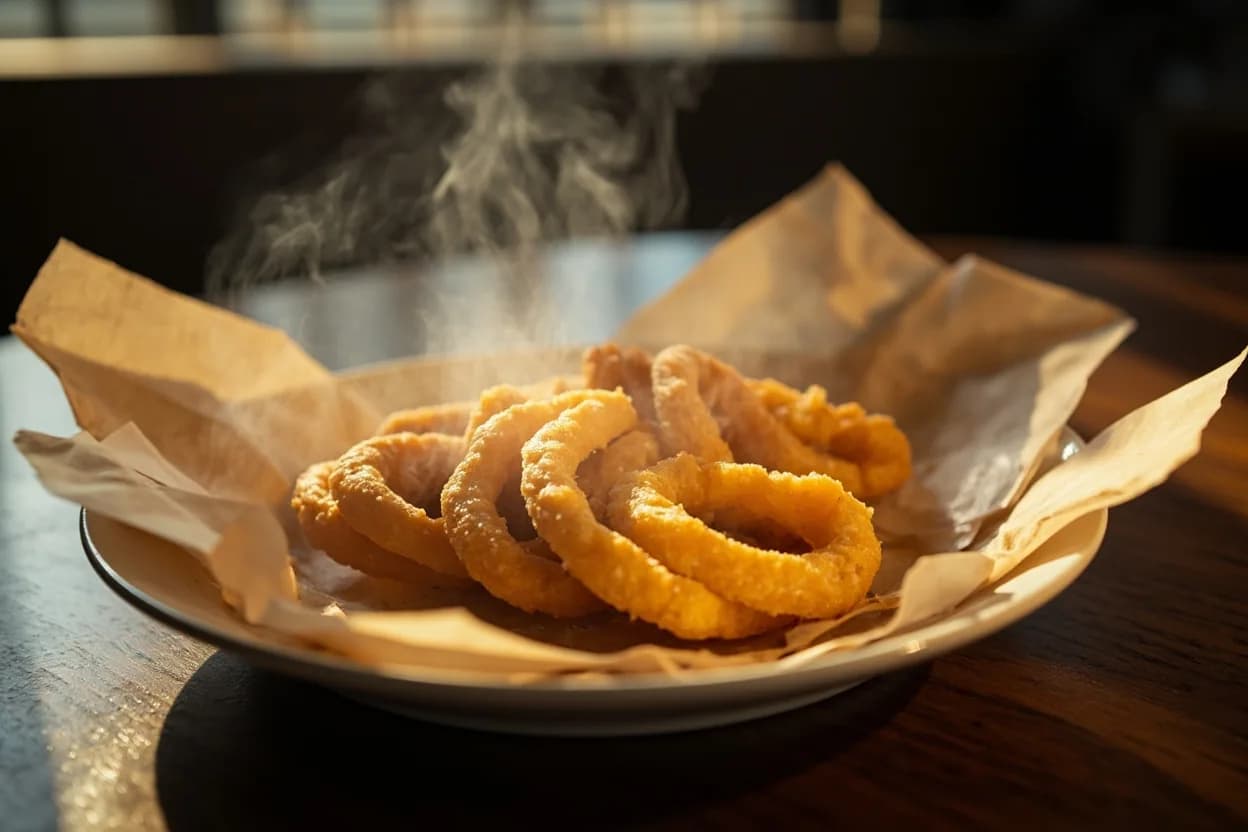
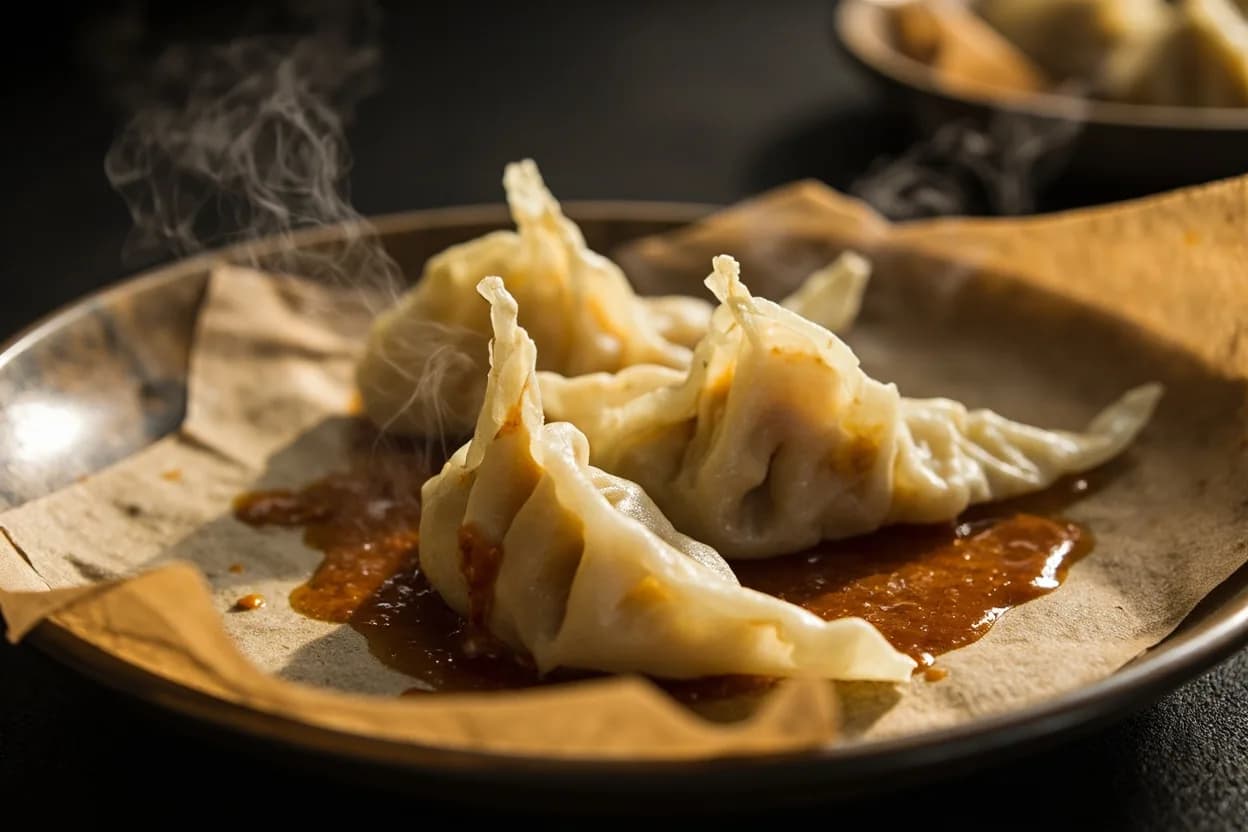
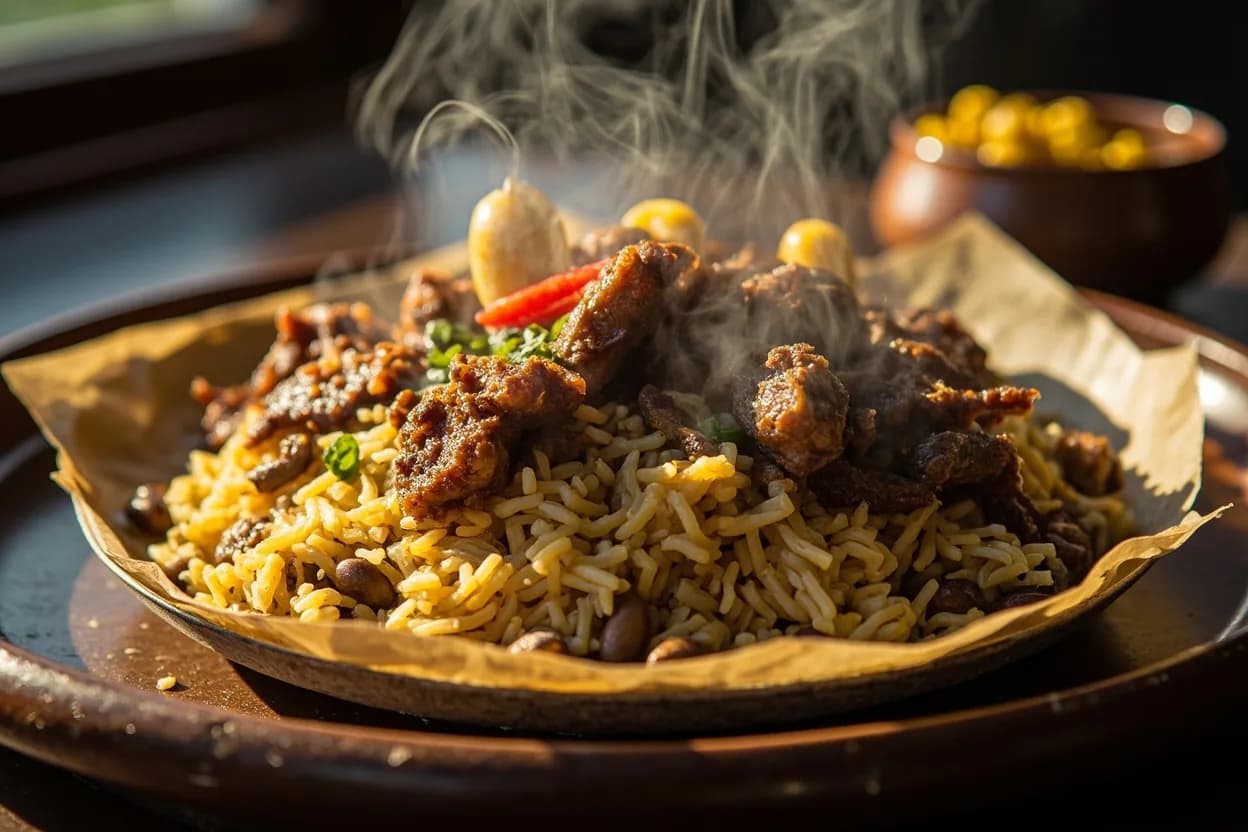
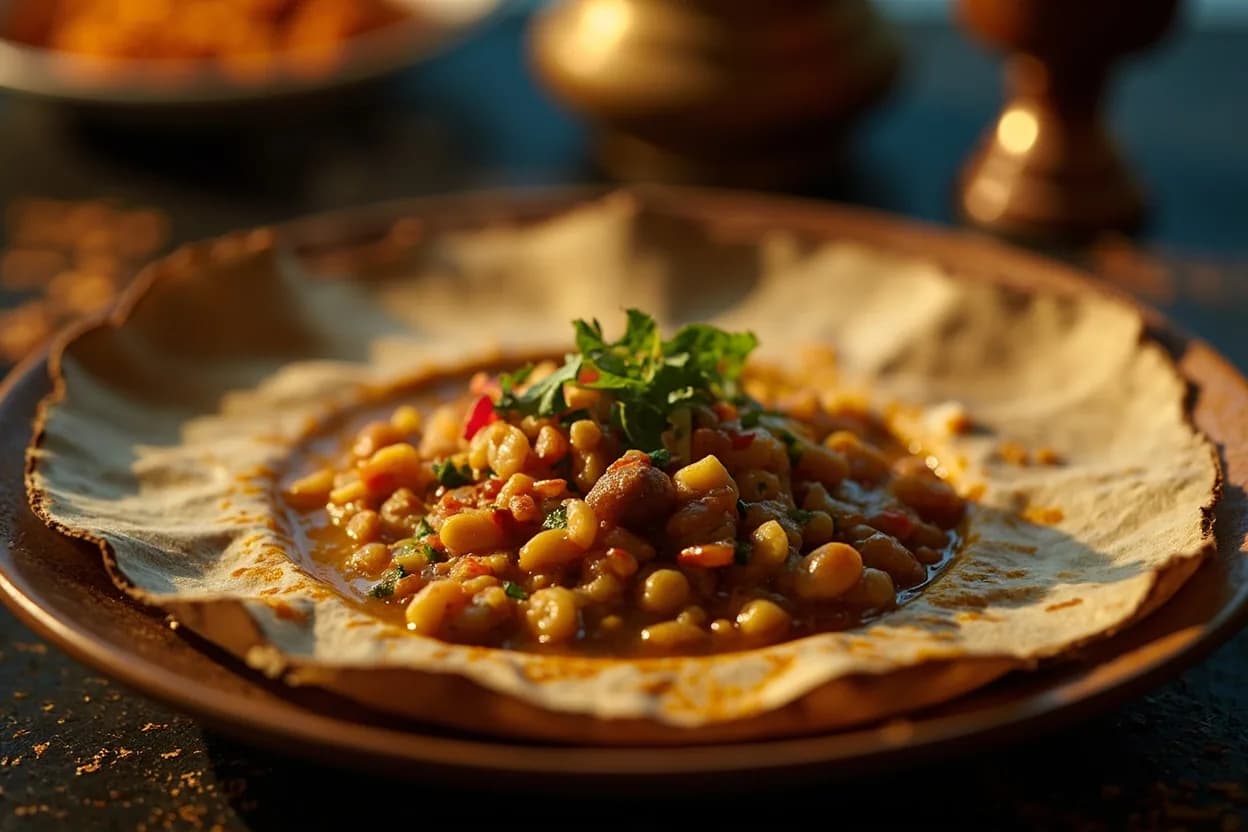
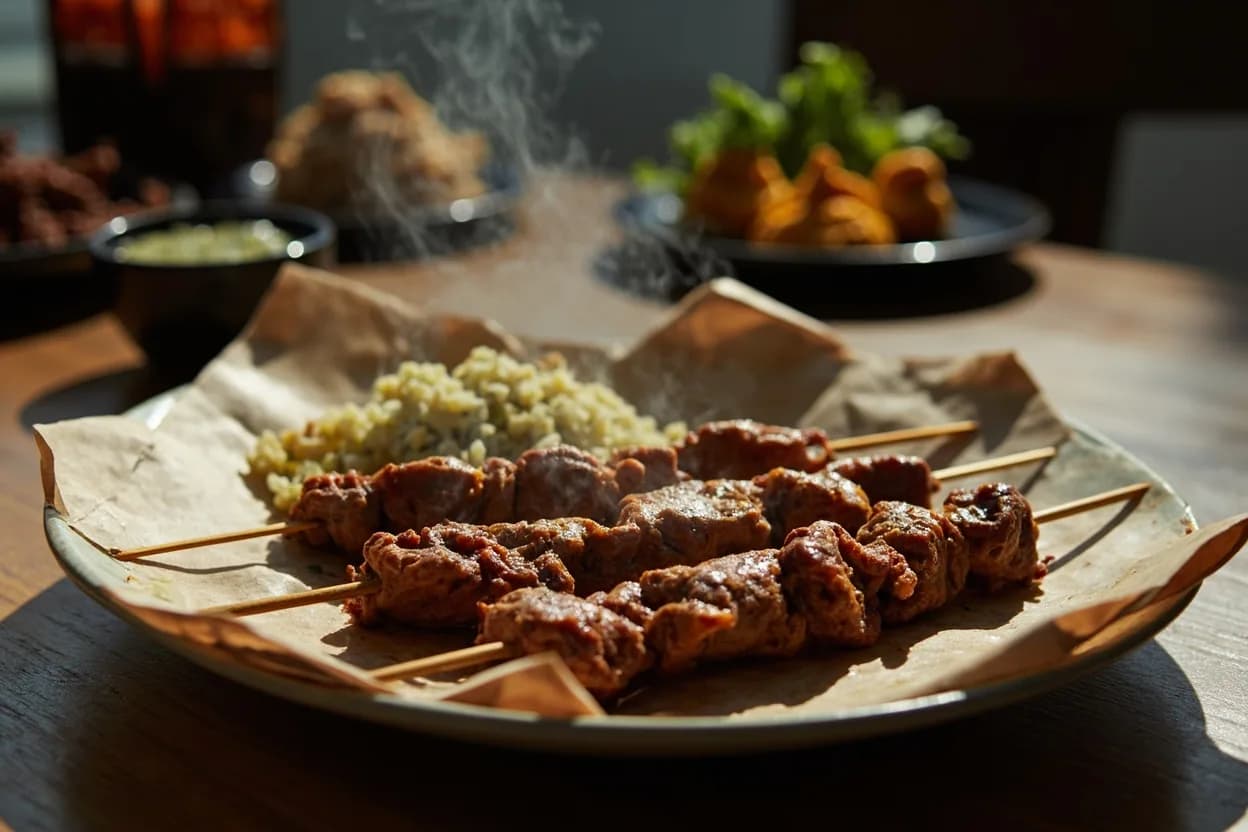
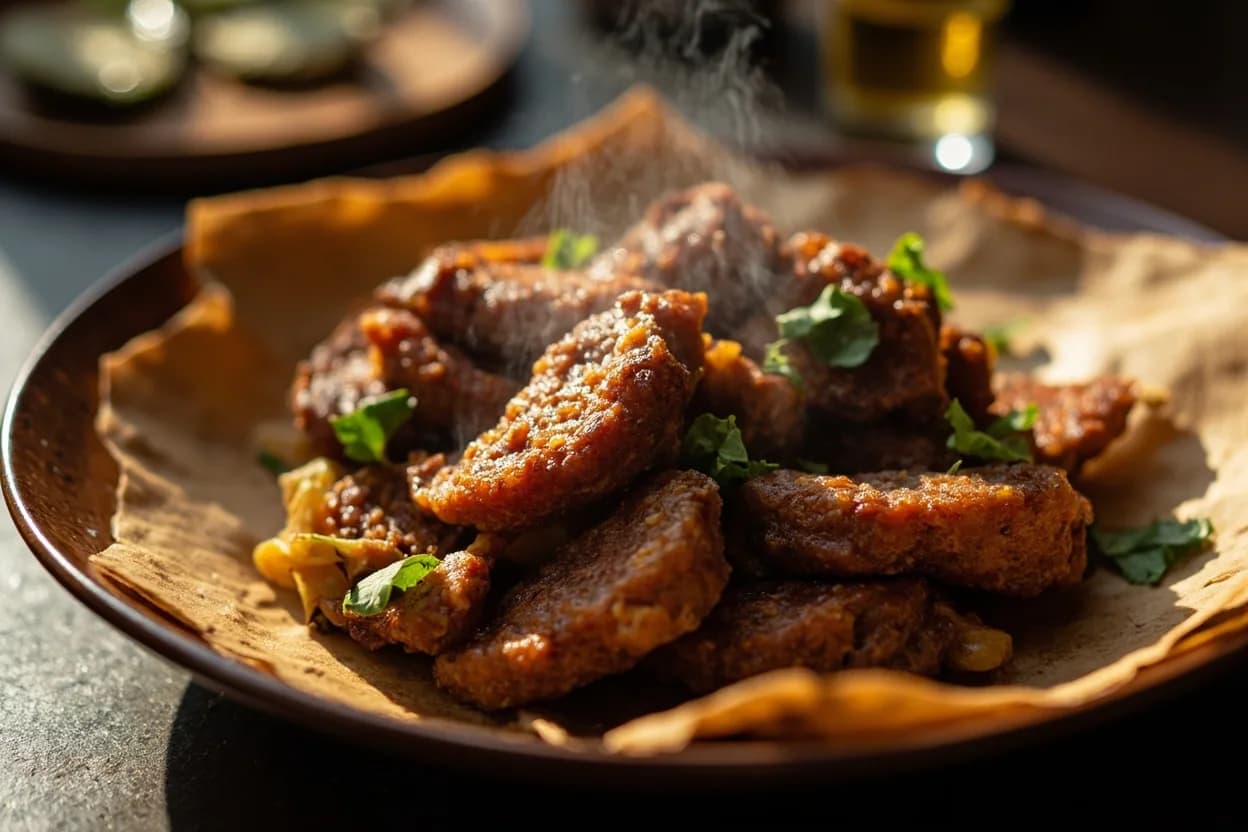
The dishes that define Nepali, documented in the Canon.
References
- 1.Taste of Nepal — Jyoti Pathak (Hippocrene Books, 2007)
- 2.The Newars: An Ethno-Sociological Study of a Himalayan Community — Gopal Singh Nepali (Himalayan Book Sellers, 1965)
- 3.Fermented Foods and Beverages of the World — Jyoti Prakash Tamang and Kasipathy Kailasapathy, eds. (CRC Press, 2010)
Confidence: medium
Notes
The Newar bhoj: a codified feast, not a buffet
The Newar community of the Kathmandu Valley developed one of South Asia's most elaborate ritual feast structures, the bhoj. Unlike a flexible spread, a proper bhoj follows a fixed sequence and a defined roster of dishes served on a lapte, a stitched leaf plate, seated in rows on the floor by caste and rank order at major life-cycle events — weddings, death rites, and calendar festivals like Mha Puja. Buffalo meat, prepared in a dozen distinct forms (smoked, dried, minced, boiled), is central in a way it is not elsewhere in Hindu Nepal, alongside beaten rice (baji), fermented soybean, and home-brewed rice liquor. The most elaborate version, associated with high-status Newar households, can run to dozens of individually named courses, each with a prescribed place in the sequence — a level of codification closer to a Japanese kaiseki meal than to the flexible thali eaten day to day elsewhere in the country.
Jimbu and timur: the seasonings that mark Nepali food as its own
Where most of the subcontinent builds flavor from a shared vocabulary of cumin, coriander, and garam masala, Nepali cooking layers in two ingredients found almost nowhere else in South Asian cuisine. Jimbu is a wiry, dried high-altitude herb, a wild onion relative, that releases a savory, faintly garlicky aroma only when fried in hot fat — it is added at the very start of a dal or achar, not stirred in raw. Timur, the fruit of a prickly ash tree related to Sichuan pepper, delivers the same tongue-numbing tingle familiar from Sichuan cooking, used sparingly in achar and meat marinades. Both grow specifically in the mid-hills and are harvested wild or semi-cultivated, tying the flavor of Nepali food directly to its Himalayan terrain in a way that distinguishes it immediately from Indian cooking that otherwise looks similar on the plate.
Dal bhat as structure, dhido as its highland alternative
"Dal bhat power, 24 hour" is a genuine trekking-trail joke, but it points at something structurally true: dal bhat tarkari is less a dish ordered from a menu than the literal shape of a Nepali day, eaten in two substantial sittings rather than three lighter meals, with rice refills expected and free. In the higher hills above rice-growing altitude, though, dhido — a stiff, stirred porridge of buckwheat or millet flour cooked in boiling water, closer in texture to Italian polenta than to any rice dish — replaces rice as the everyday staple, eaten by hand in a ball pinched off and dipped into the accompanying curry. Dhido was historically looked down on by lowlanders as poor people's food, a status now reversed in Kathmandu restaurants that serve it as a rustic specialty, reflecting a broader hill-versus-valley class dynamic that runs through Nepali food history.