South Asia
Pakistani
Also: Pakistani Cuisine, Pakistan
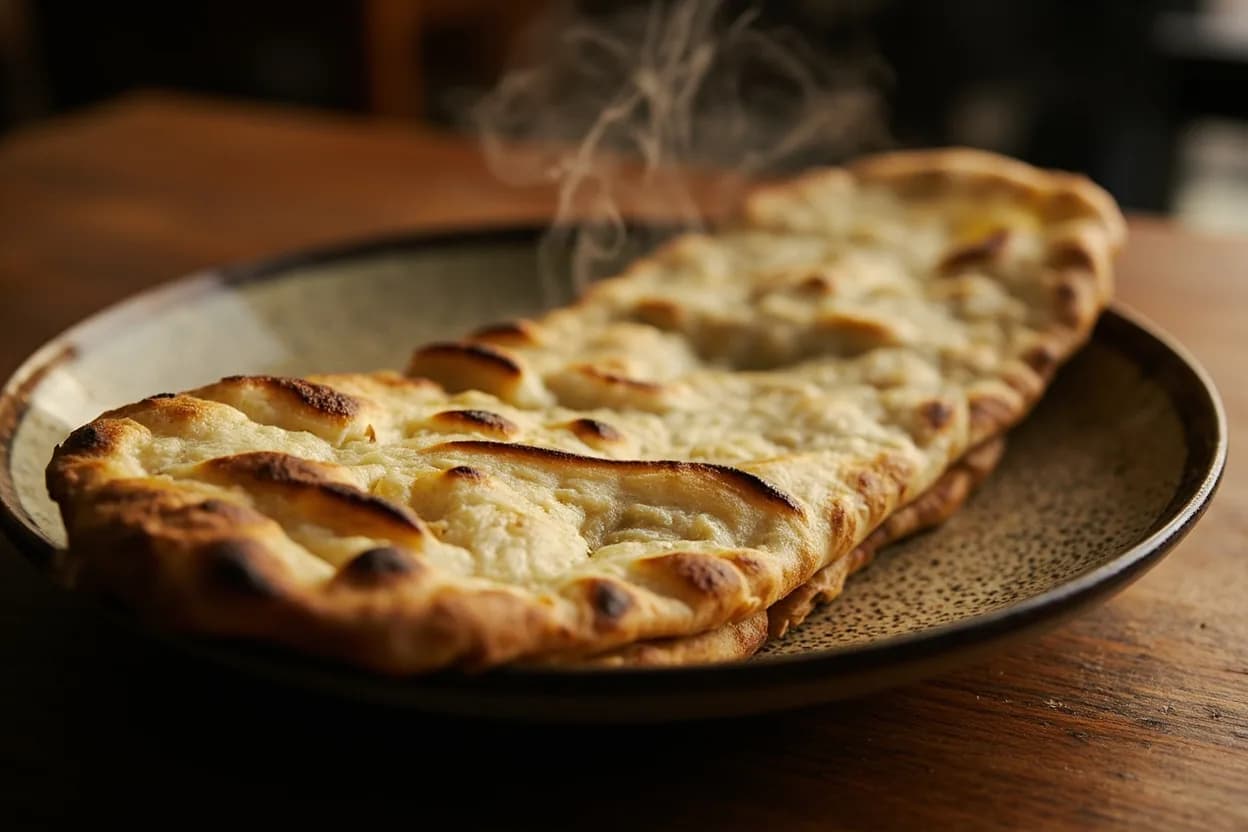
A wheat-and-meat cuisine built around tandoor naan, slow-braised nihari and haleem, and whole-animal sajji — spanning a Mughlai Punjabi core to the far sparer, salt-and-fire Pashtun and Balochi traditions of the west.
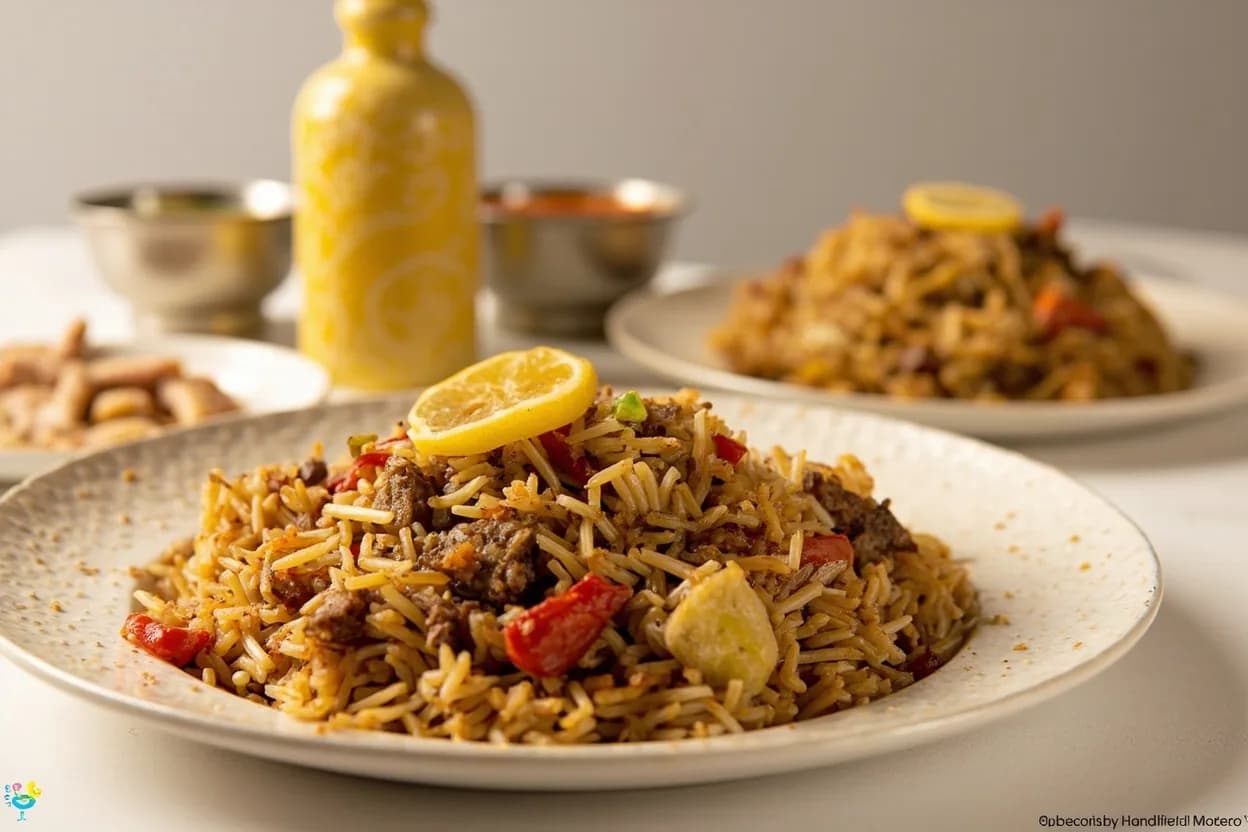
Pakistani cooking is organized around wheat bread and meat rather than rice as the daily staple, sitting at the eastern edge of a Persian-Mughal braising and grilling tradition. It is not one cuisine but four sharply different ones under a single state: Punjabi cooking, rich in dairy, tandoor bread, and Mughlai-descended dishes; Sindhi cooking, sour with tamarind and dried mango and fish-forward along the Indus; Pashtun (Khyber Pakhtunkhwa) cooking, spare and meat-centered, closer to Afghan and Central Asian food than to Delhi; and Balochi cooking, built on whole roasted animals and minimal seasoning. Rice dishes (biryani, pulao) are festive rather than everyday.
The flavour base
Ghee is the primary cooking fat across most of the country; yogurt is the standard meat tenderizer and souring agent; garlic-ginger paste, whole and ground cumin and coriander, and garam masala built from black cardamom, mace, and cinnamon form the everyday base in Punjab and urban centers. Sindhi cooking adds tamarind and dried mango powder (amchur) for sourness. Pashtun and Balochi cooking is deliberately spare by comparison — salt, black pepper, sometimes only onion and green chili — letting the quality of the meat and the smoke of the fire carry the dish rather than a built spice mix.
Pantry staples
Key ingredients
Signature techniques
Signature dishes
At the table
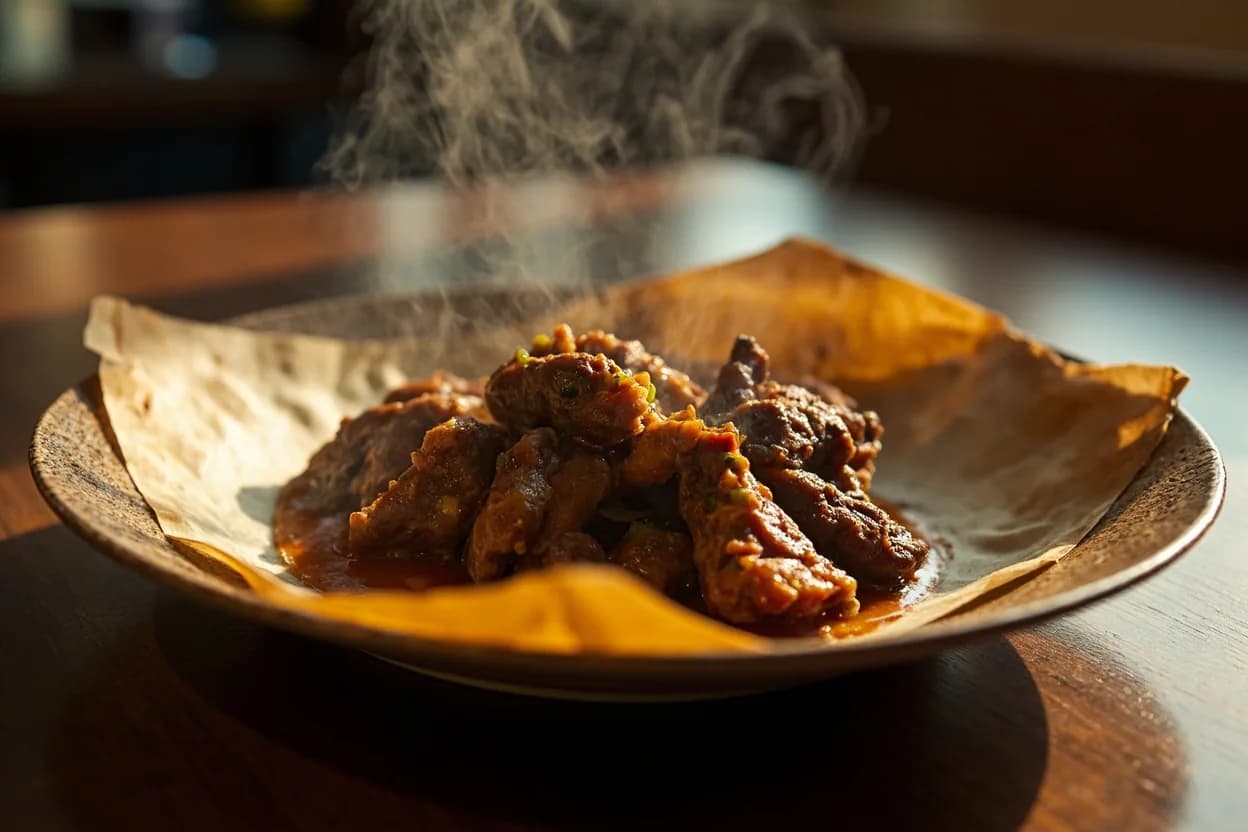
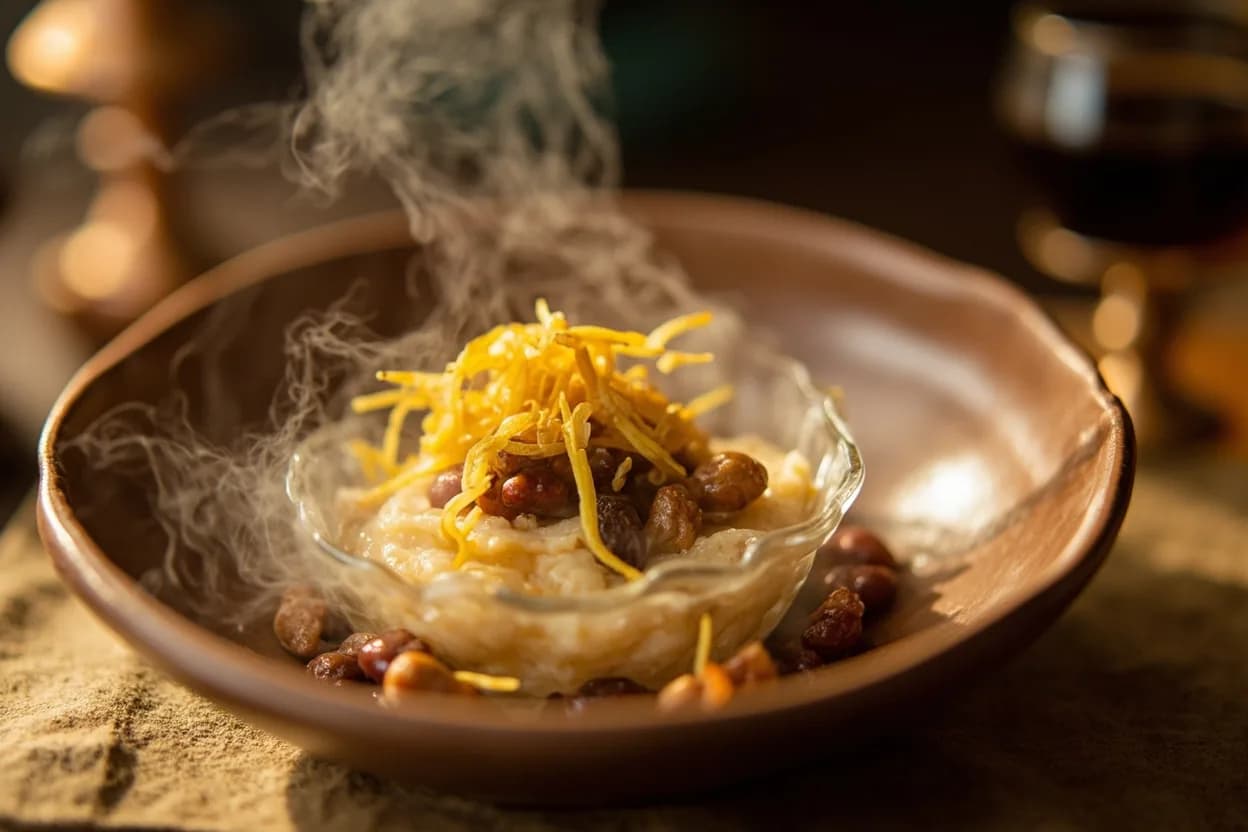
Bread, not rice, anchors the daily plate: naan, roti, or paratha accompanies most meals in Punjab and the cities, with rice dishes like biryani and pulao reserved for guests and celebrations rather than served daily. Breakfast can be substantial — halwa puri or a bowl of nihari eaten as a weekend morning dish in Karachi and Lahore. Meat is the centerpiece of hospitality rather than a component: among Pashtun and Baloch hosts, serving a whole roasted or spit-cooked animal (sajji) to a guest is a direct social obligation, not a special-occasion indulgence.
History & context
Wheat has been the staple grain of the Indus basin since antiquity, but the cuisine's braising and rice-layering repertoire — biryani, korma, dum pukht, kebabs — descends chiefly from Mughal court kitchens of the 16th–19th centuries, themselves shaped by earlier Turko-Persian rule in Delhi. Partition in 1947 was the single most consequential culinary event in the country's modern history: mass migration of Muslims from the United Provinces, Bihar, and Hyderabad Deccan into the new state of Pakistan, above all into Karachi, brought dishes like nihari and Bihari kebab out of regional obscurity and turned them into commercialized urban staples of the migrant, or Muhajir, community. The Green Revolution of the 1960s–70s cemented wheat's dominance over rice in Punjab through irrigation and high-yield cultivars. Afghan refugee movements from 1979 onward reinforced the Pashtun kebab-and-naan culture of Peshawar, while Balochistan and Khyber Pakhtunkhwa retained a pastoral, whole-meat roasting tradition that predates and sits apart from the Mughlai line dominant further east and in the Punjabi heartland.
Regional variations
- Punjab
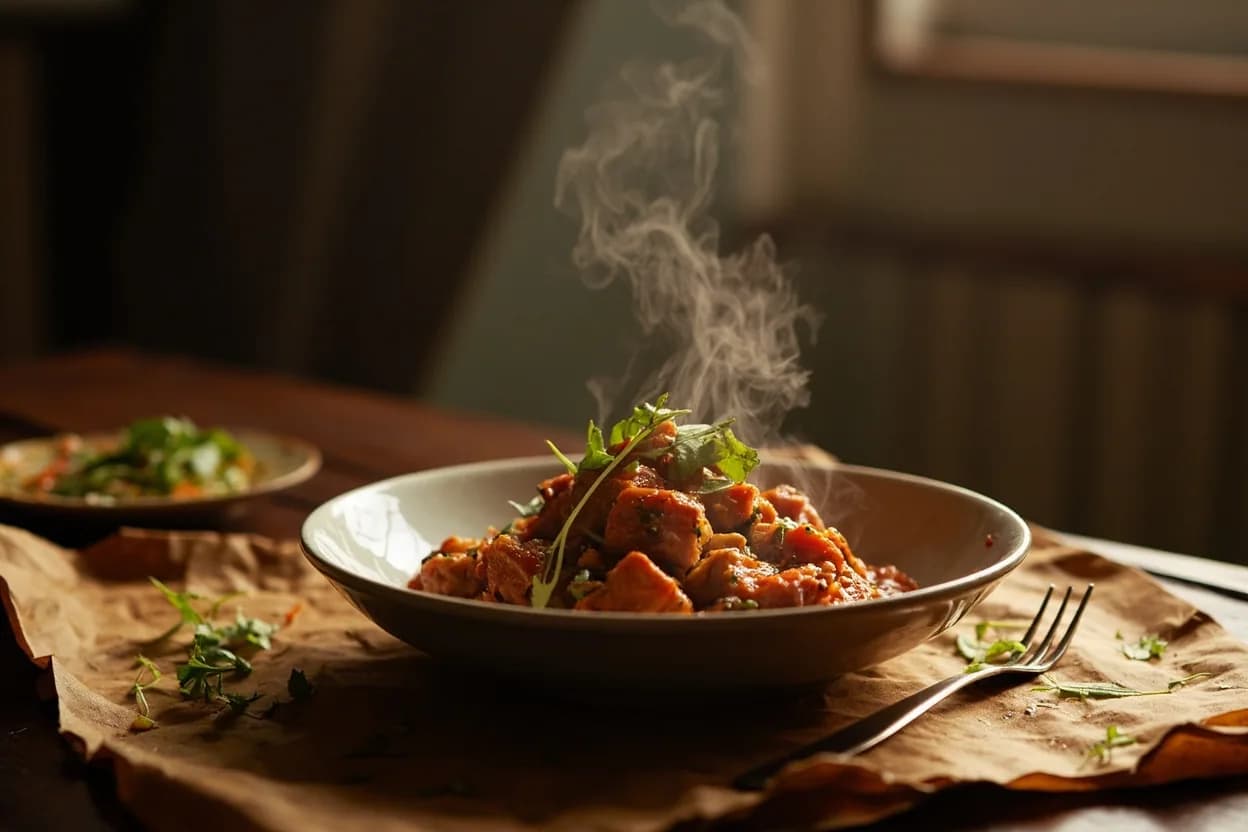
Dairy-rich, tandoor bread and saag culture, and the closest to the Mughlai line — karahi, korma, and the everyday roti-first meal.
- Sindh
Fish from the Indus and the coast, tamarind and dried mango sourness, and a distinct, wetter biryani style than Punjab's.
- Khyber Pakhtunkhwa (Pashtun)
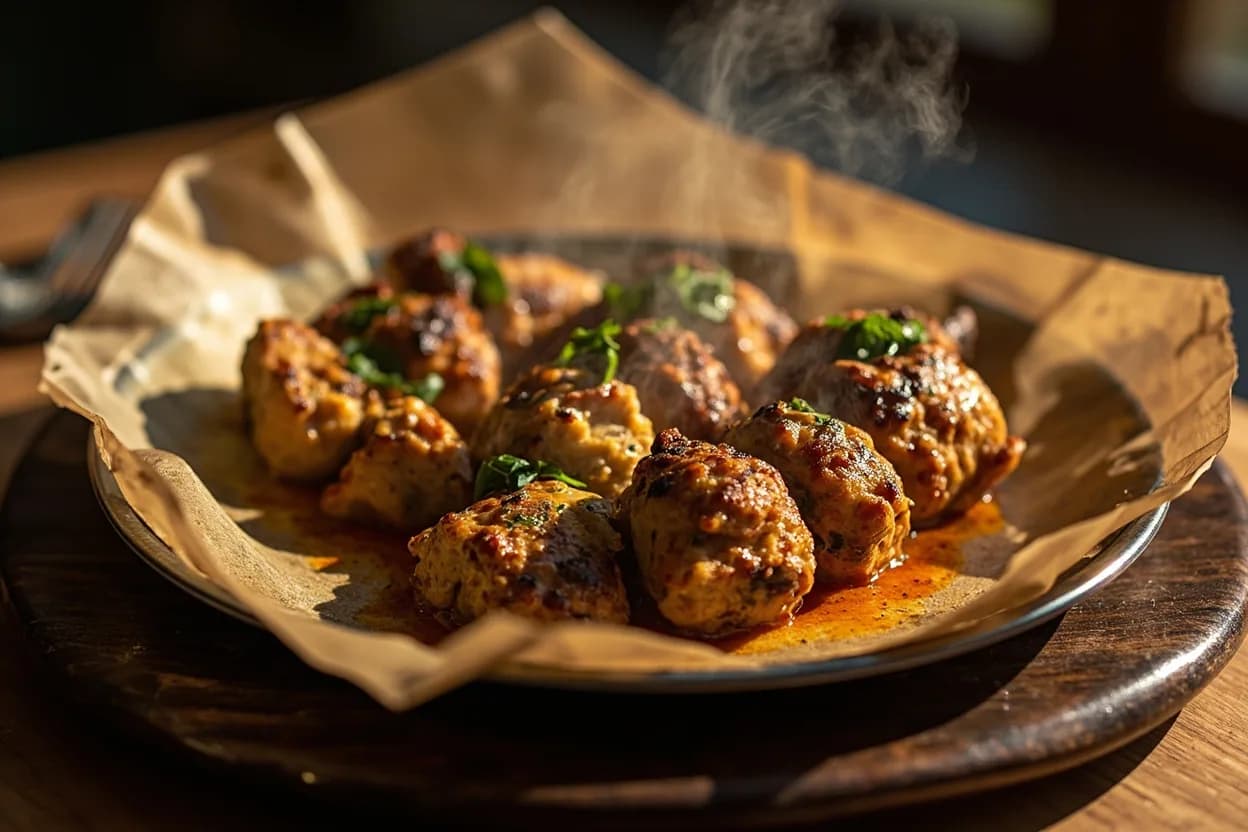
Sparer seasoning, whole-meat charcoal grilling, chapli kebab, and a strong green-tea hospitality culture — closer to Afghan food than to Delhi.
- Balochistan
Sajji and landi (wind-dried preserved leg of lamb), pastoral and minimally spiced, structurally closer to Central Asian and Afghan cooking than to the Mughlai core.
Related cuisines
- North Indian (Mughlai/Punjabi)
Shares tandoor bread, kebabs, and dum-cooked rice directly — a single culinary tradition split by the 1947 border — but Pakistani cooking skews further toward wheat and meat and away from the vegetable-forward, dairy-lighter register common in modern Indian Punjabi food.
Pashtun and Balochi cooking shares whole-animal spit roasting, spare seasoning, and flatbread culture with Kandahar and Kabul, reflecting a shared regional food culture that the Durand Line divides politically but not culinarily.
- Iranian/Persian
The dum-sealed braise and layered rice pilaf trace back to Safavid-Mughal culinary exchange, though Pakistani versions are heavier with dairy and chili than their Persian ancestors.
Canonical recipes
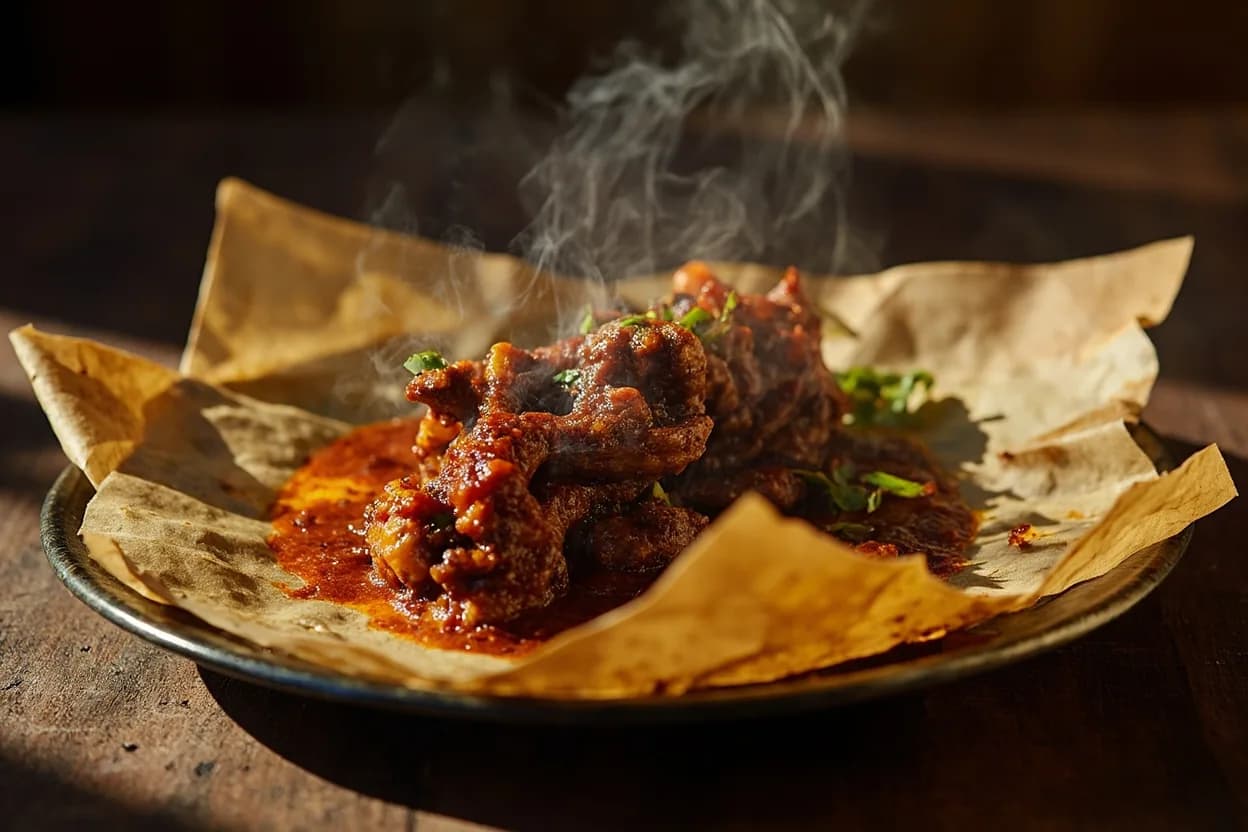
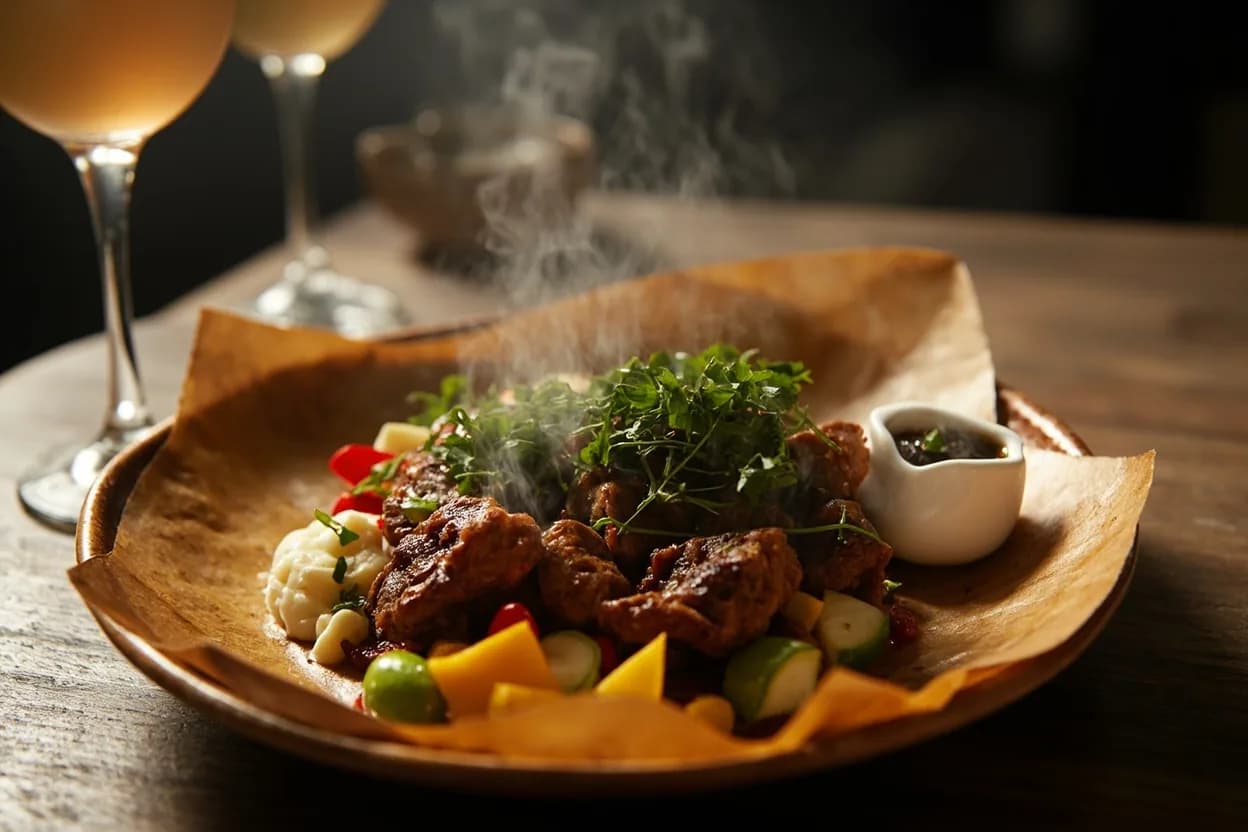
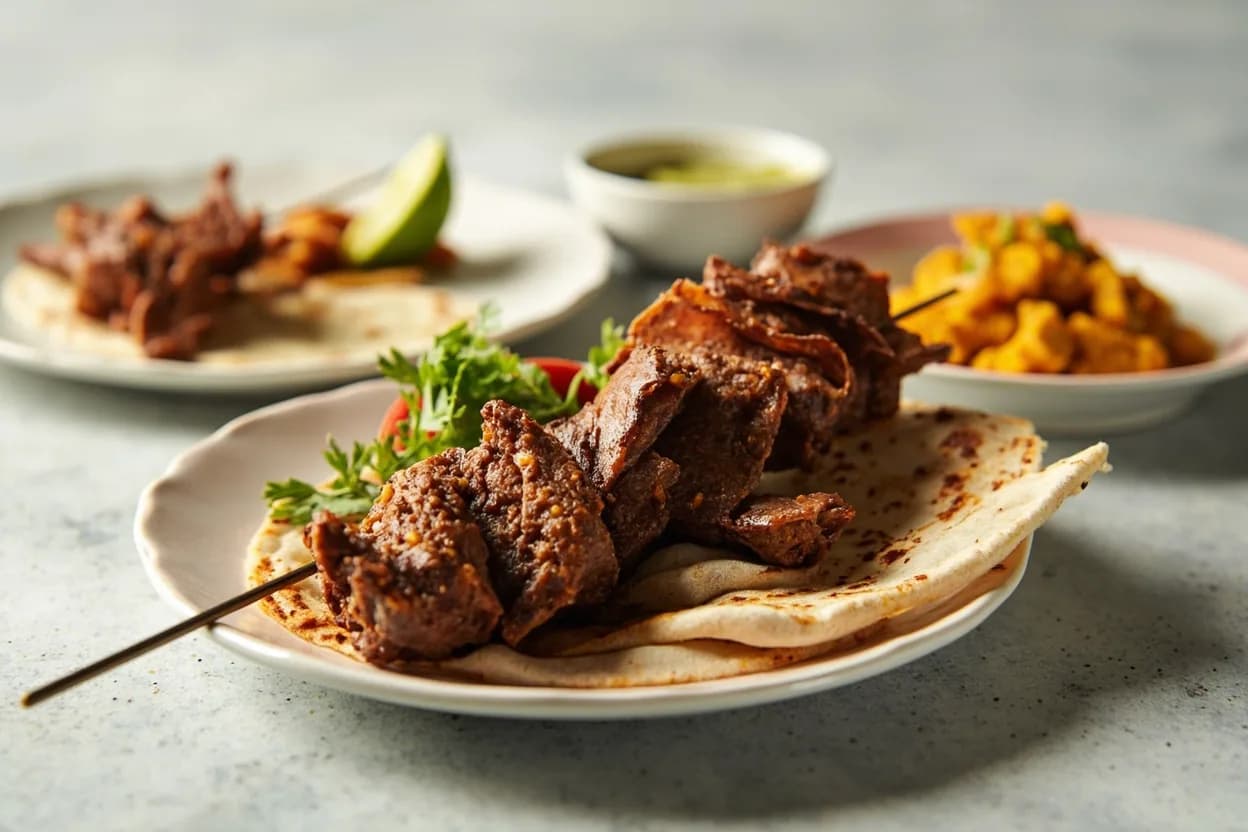
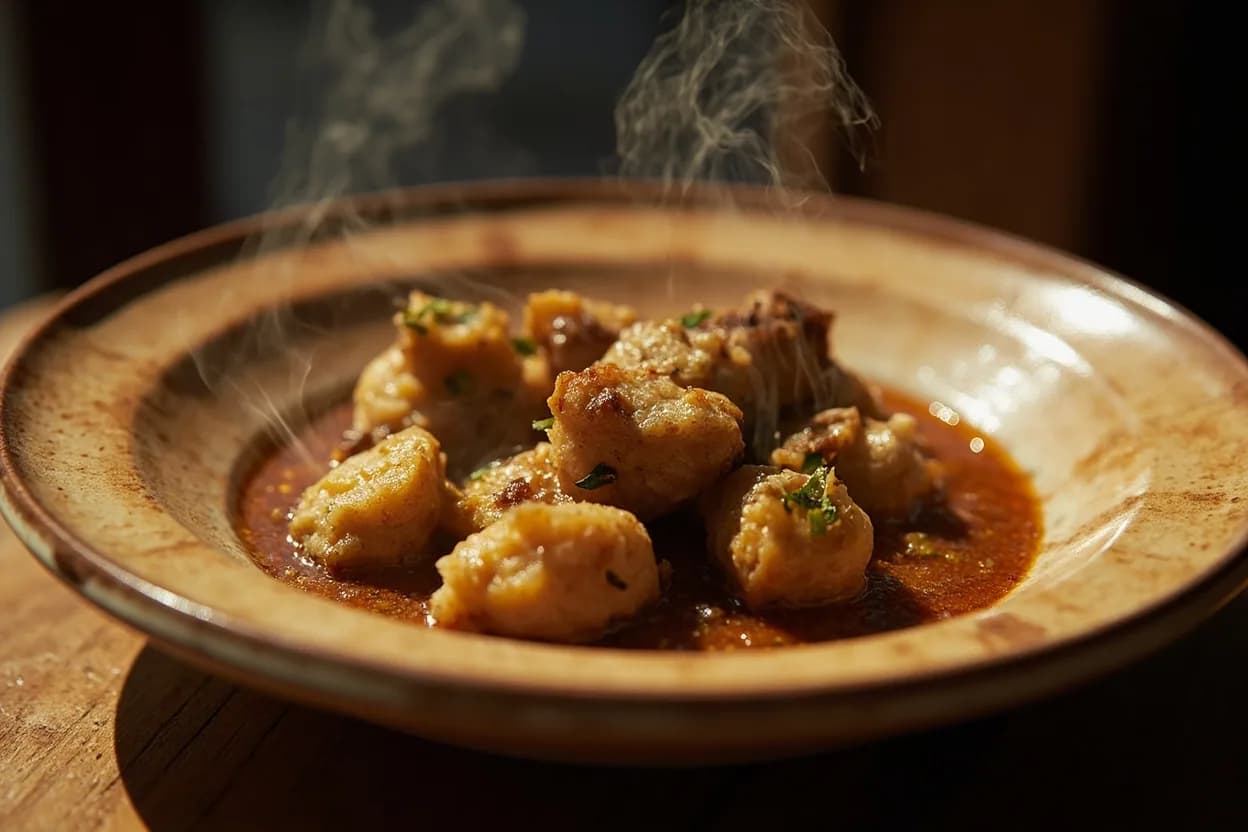
The dishes that define Pakistani, documented in the Canon.
References
- 1.Summers Under the Tamarind Tree: Recipes and Memories from Pakistan — Sumayya Usmani (Frances Lincoln, 2016)
- 2.Curry: A Tale of Cooks and Conquerors — Lizzie Collingham (Oxford University Press, 2005)
- 3.The Mughal Empire — John F. Richards (Cambridge University Press, 1993)
Confidence: medium
Notes
Muhajir cuisine: how 1947 remade Karachi's food
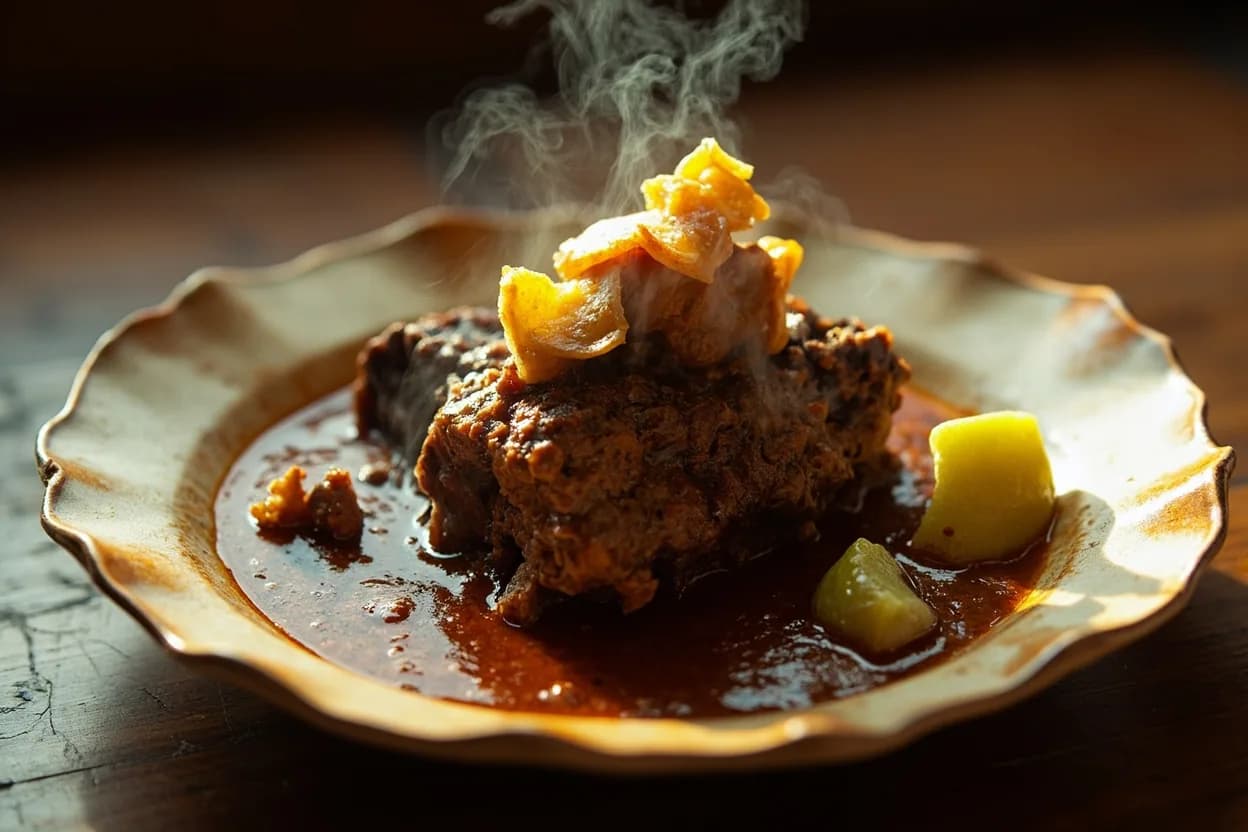
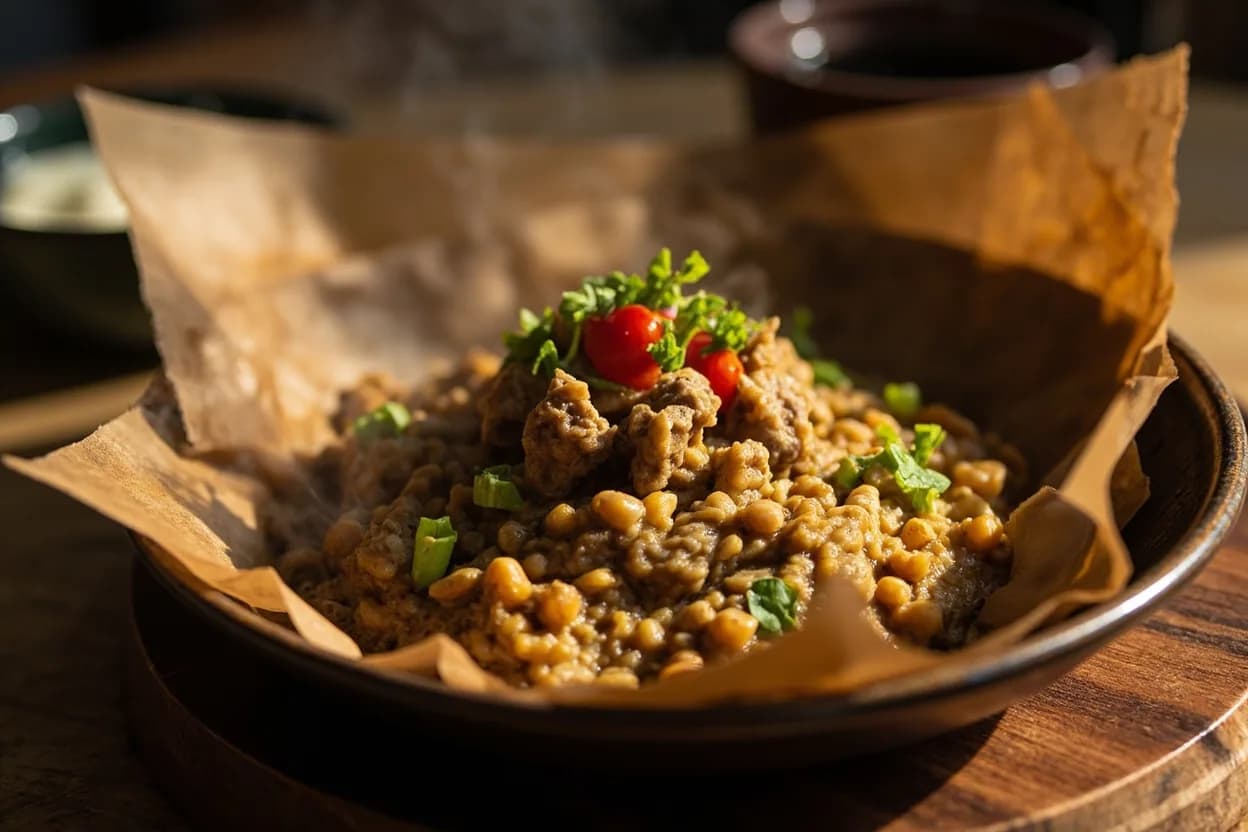
Nihari began as a heavy, slow-cooked breakfast dish associated with Mughal-era Delhi and Lucknow, eaten by laborers and nobles before dawn prayers to sustain them through the day. Partition in 1947 sent millions of Muslims from the United Provinces, Bihar, and Hyderabad Deccan into the new Pakistan, overwhelmingly settling in Karachi, and this Muhajir community carried nihari, haleem, and Bihari-style grilled kebabs with them. What had been regional, even household, dishes were commercialized in Karachi's migrant neighborhoods into some of the city's most iconic street food, eventually spreading nationwide as symbols of Pakistani, rather than specifically Delhi or Lucknowi, identity. The dish names still carry their origins — Bihari kebab is named for Bihar, not for any Pakistani region — a rare case of a cuisine's regional vocabulary openly recording a forced migration.
Sajji and landi: the sparer cooking west of the Indus
Balochi and Pashtun cooking deliberately withholds the spice complexity that defines Punjabi and Mughlai food. Sajji is a whole young lamb or chicken, slit open, marinated in little more than salt (sometimes with green papaya for tenderness), and skewered upright around a wood fire to slow-roast for hours, served without a sauce. Landi takes the same restraint further: legs of lamb are salted and wind-dried for weeks in the cold, dry winter air of the Balochistan and Khyber Pakhtunkhwa highlands, producing a preserved meat closer in logic to Central Asian dried meats than to anything in the Mughlai repertoire. Both techniques reflect a pastoral, low-fuel, low-water cooking environment historically distinct from the settled agricultural economy of Punjab, and both predate the Mughal spice vocabulary that arrived later and further east.
Dum pukht: the science behind the sealed pot
Dum pukht — literally "breath-cooked" — refers to a technique, not a single dish: meat or rice is layered into a heavy pot, the lid sealed with a rope of dough so no steam escapes, and the whole vessel cooked slowly over very low, indirect heat, traditionally with embers placed both below and on the lid. Trapping the steam lets the dish cook in its own condensing moisture and rendered fat rather than added liquid, concentrating flavor and allowing tough cuts to tenderize gently over hours without scorching. The technique is credited to the 18th-century kitchens of Awadh (Lucknow) under the Nawabs, reputedly developed to feed famine relief workers slowly and efficiently, and it underlies both classic Lucknowi dum-style biryani and the everyday sealed-pot nihari found across Pakistani cities today.