Southern Europe / Atlantic Iberia
Portuguese
Also: Portuguese Cuisine, Cozinha Portuguesa, Comida Portuguesa
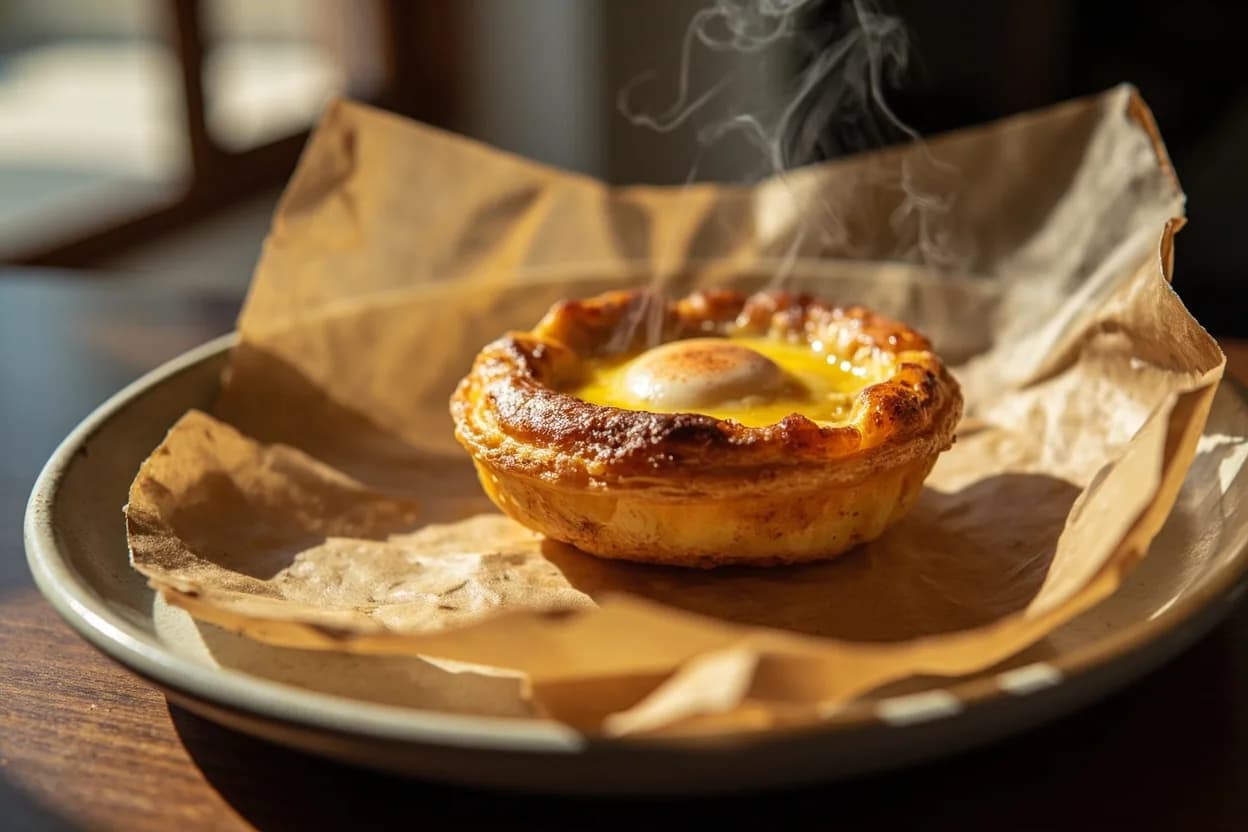
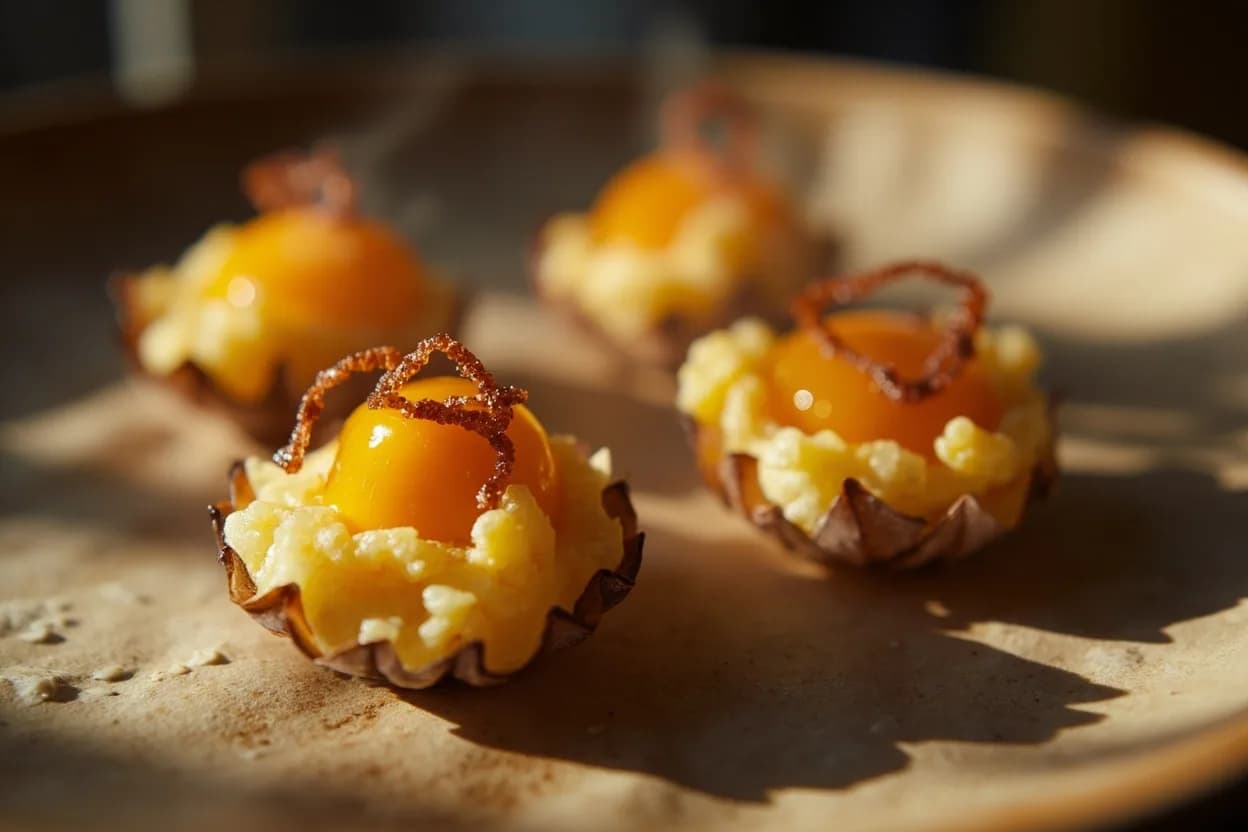
An Atlantic, not Mediterranean, table built on salt cod prepared 365 ways, olive oil and garlic, piri-piri brought home from Africa, and the egg-yolk sweets — pastéis de nata, ovos moles — that convents invented to use up spare yolks.
Portuguese cooking is fundamentally an Atlantic seafaring cuisine dressed in Mediterranean staples: olive oil, garlic, and bread-thickened sauces carry a diet built around fish and salt cod rather than the lamb-and-tomato axis of the true Mediterranean littoral. Its logic is preservation and stretching scarcity — salting, drying, and bread-soaking turn modest protein into full meals — laid over a base of caldo (broth), olive oil, and bay leaf, and finished with the acidity of lemon or vinegar rather than dairy.
The flavour base
Olive oil and garlic form the base of almost every savory dish, built up with onion sofrito, bay leaf, and parsley or coriander (fresh coriander is distinctively Portuguese among Iberian cuisines). Acidity comes from lemon, wine, or vinegar rather than tomato-forward sauces; piri-piri chili oil supplies heat where used, and sweet or smoked paprika (colorau) tints rather than fires a dish. Salt itself is a flavor, not just a preservative, carried over from bacalhau's curing.
Pantry staples
Key ingredients
Signature techniques
Signature dishes
At the table
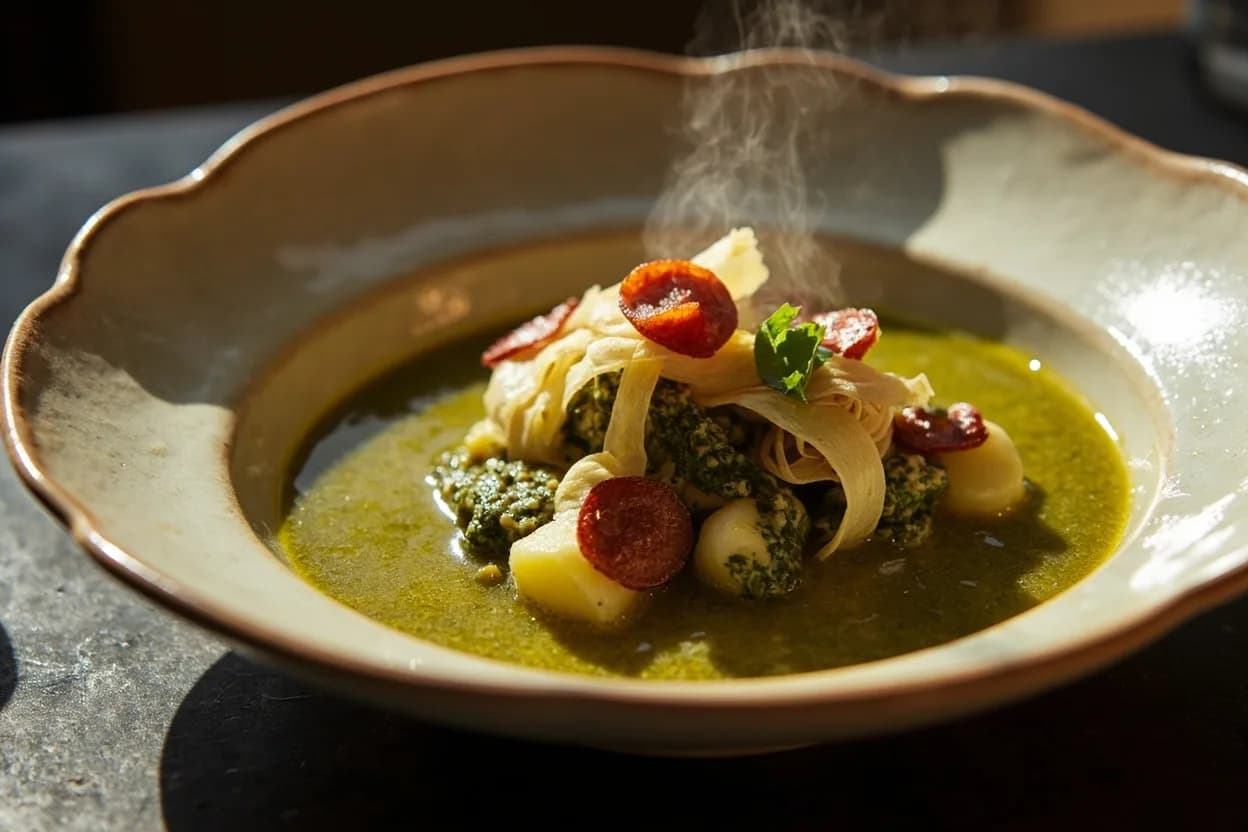
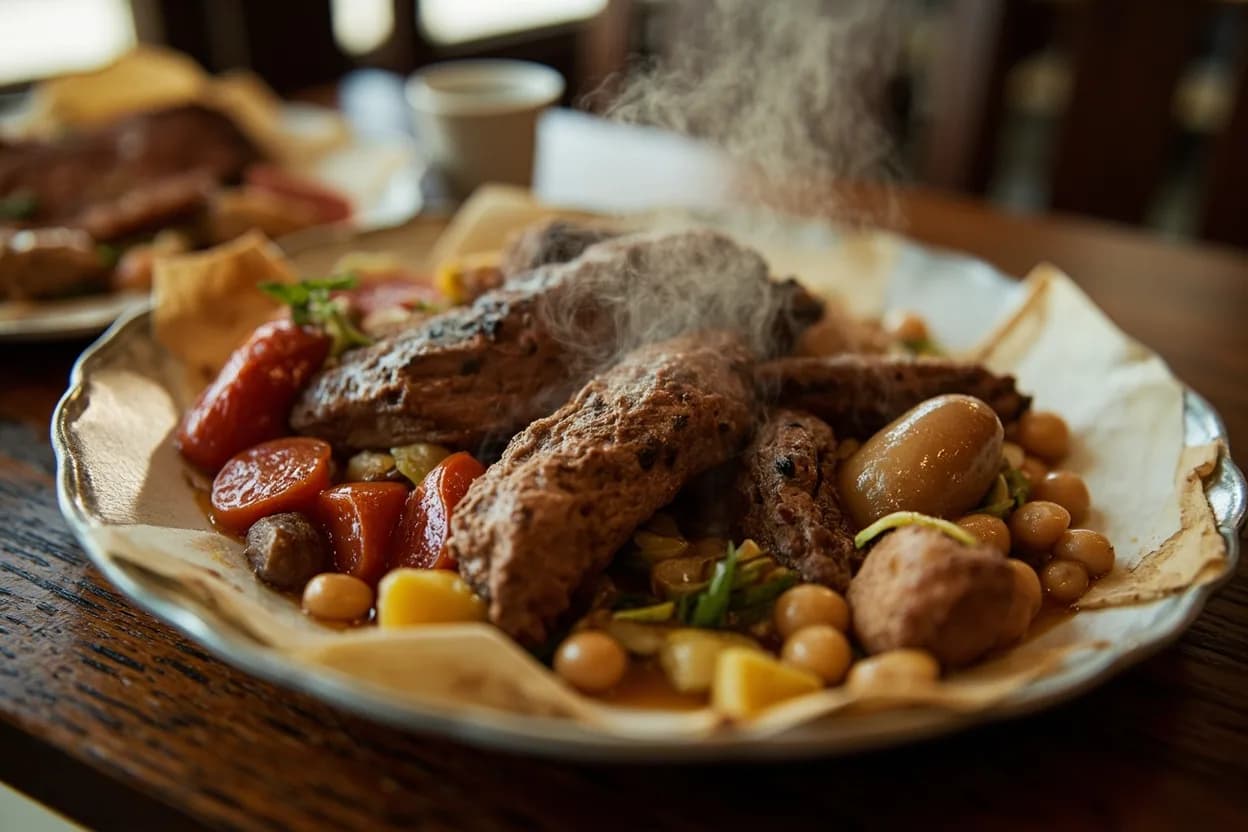
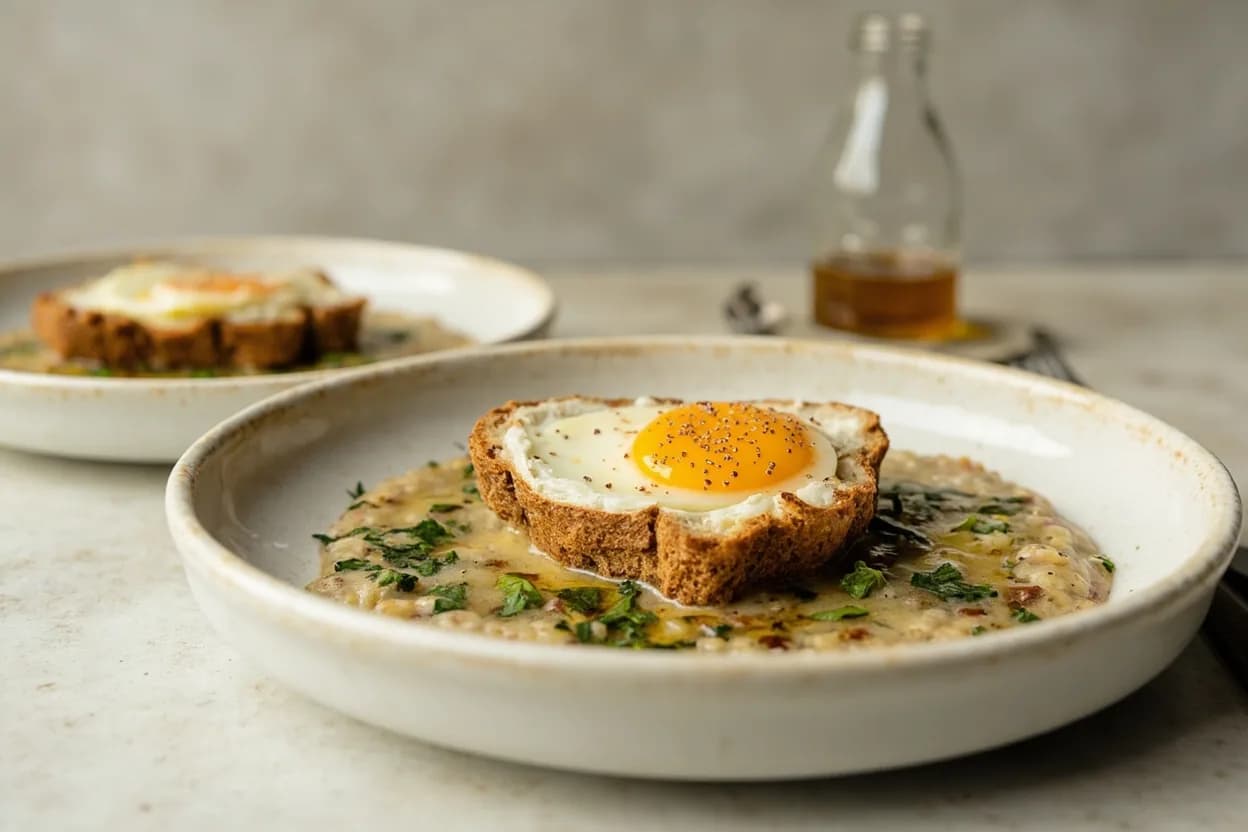
Lunch is traditionally the largest meal, often a soup (caldo verde or sopa de pedra) followed by a fish or meat course with rice or potatoes, though urban schedules have pushed weight toward dinner. Bread accompanies nearly everything and, in the Alentejo, is a structural ingredient rather than a side (açorda, migas). Sunday and holiday tables center on a slow-cooked communal dish — cozido à portuguesa, feijoada, or a whole roast leitão — and the tasca/petiscos culture of small shared plates with wine functions as a genuinely separate, informal meal register rather than a starter course.
History & context
Portugal's food history is inseparable from the sea. Cod fishing on the Newfoundland Grand Banks began in the early 1500s as Portuguese boats followed the Age of Discoveries routes their caravels had opened; salting and air-drying the catch turned a perishable fish into a portable protein that could feed a maritime empire and, crucially, satisfy Catholic meatless-day obligations across Lent and Fridays, cementing bacalhau as a national institution long before refrigeration existed. The same voyages that carried salt cod home returned with capsicum chillies from Brazil and the Americas, which Portuguese traders then carried onward to their colonies in Angola and Mozambique, where the fruit was cultivated and reimported as piri-piri, alongside tomato and potato, which entered the European kitchen substantially through Iberian ports. Convent cooking shaped the sweet side of the table: from the 16th century onward, convents used egg whites to starch nuns' habits and clarify wine, leaving surplus yolks that were converted into the doces conventuais — pastéis de nata, ovos moles, fios de ovos — a tradition that intensified after the 1834 dissolution of the religious orders sent convent recipes and their cooks into secular pastry shops. Colonial trade with Brazil, India (Goa), and West Africa layered in additional spice and technique, while 20th-century Salazar-era rural poverty entrenched the pork-and-bread cooking of the Alentejo as economical, not merely traditional.
Regional variations
- Minho / Douro (North)
Vinho verde wine country; caldo verde and hearty pork-and-bean stews suit the cooler, wetter north, and Porto claims tripe cookery and the francesinha.
- Alentejo
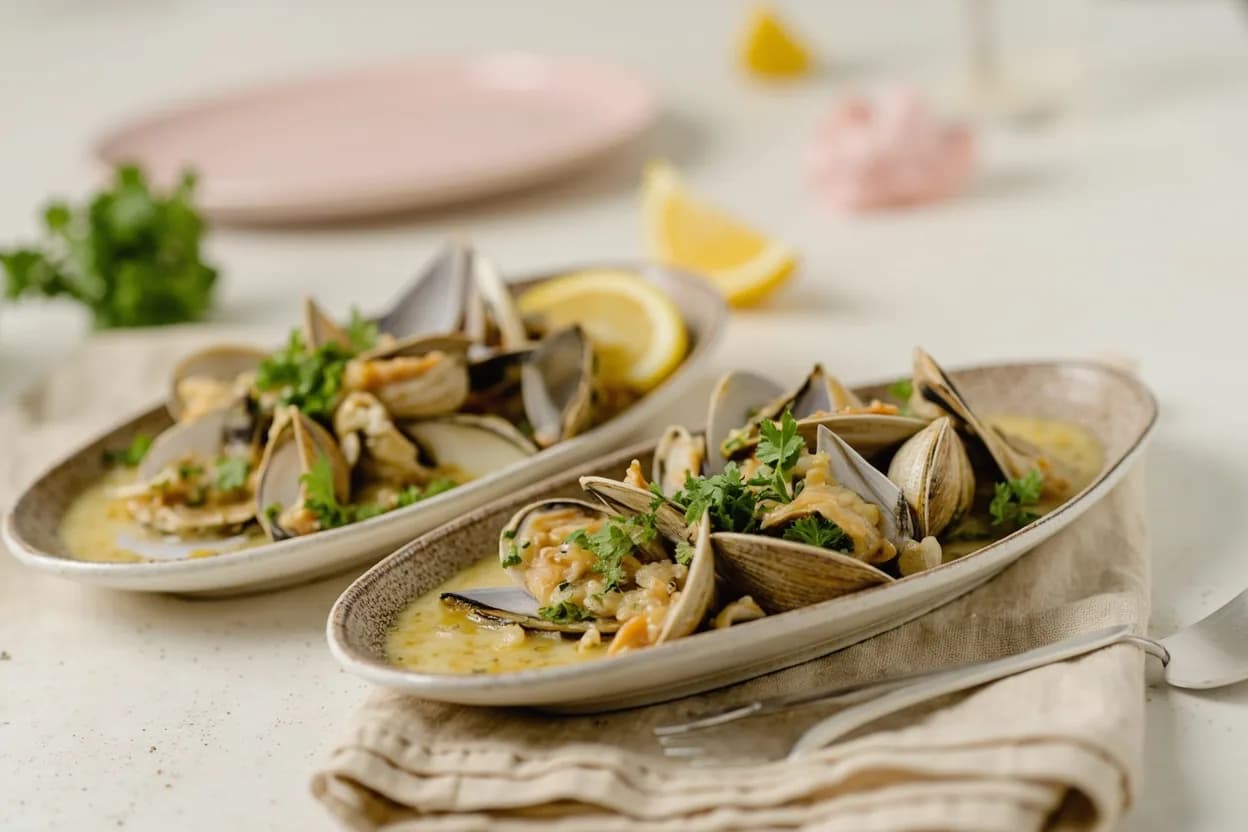
Bread- and pork-centered cooking born of poverty and wheat abundance: açorda, migas, and porco à alentejana, which pairs pork with clams in a genuinely unusual land-and-sea combination.
- Algarve
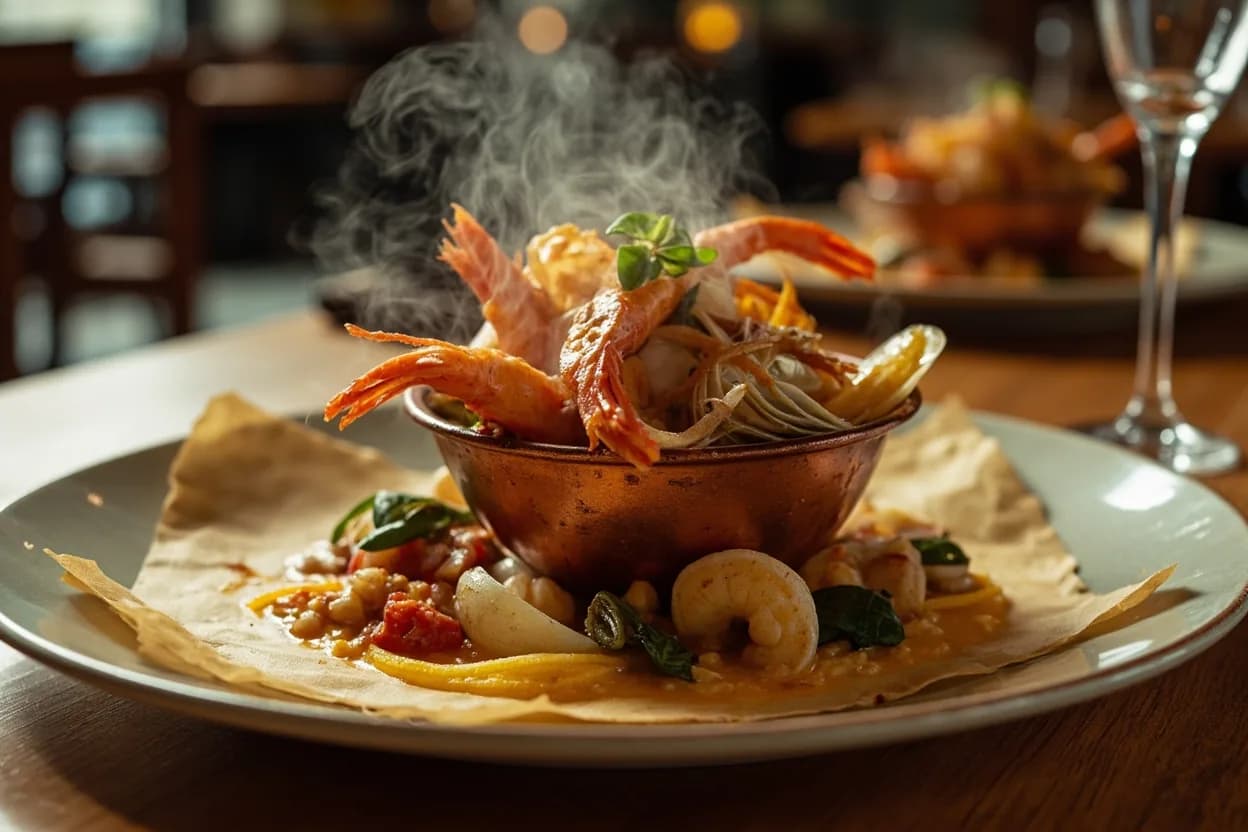
The most seafood-forward region, with cataplana dishes, grilled fish, and Moorish-influenced almond and fig sweets reflecting centuries of Al-Andalus presence before the Reconquista.
- Azores and Madeira
Volcanic-soil produce, tea and passion fruit in Azorean cooking, and Madeira's espetada skewers and fortified wine reflect island isolation and distinct trade histories.
Related cuisines
- Spanish
Shares olive oil, garlic, and cured pork, but Portuguese cooking is built on salt cod and Atlantic seafood rather than Spain's rice-and-saffron (paella) or jamón-centric traditions, and largely lacks Spain's tapas-bar structure in favor of tascas and petiscos.
- Brazilian
Colonial exchange runs both ways: feijoada's beans-and-pork logic and the use of manioc and dendê oil trace to Brazil, while Portugal exported bacalhau culture and Catholic feast-day cooking to its former colony.
- Goan (Indian)
Portuguese colonization introduced vinegar-and-chili marinating (the root of vindaloo) and pork cookery to Goa, while Goa sent black pepper and other spices back into the Portuguese pantry.
- Mozambican / Angolan
Piri-piri chili itself completed a round trip through these colonies before becoming a defining Portuguese condiment, and both cuisines still share coconut, cashew, and grilled-chicken piri-piri traditions with the metropole.
Canonical recipes
The dishes that define Portuguese, documented in the Canon.
References
- 1.The Taste of Portugal — Edite Vieira (Grub Street, 1998)
- 2.Portugal: A Cookbook — George Mendes (Kyle Books, 2019)
- 3.The Food of Spain and Portugal — Elisabeth Luard (Bantam Press, 1986)
- 4.Salt: A World History — Mark Kurlansky (Walker & Company, 2002)
- 5.Cod: A Biography of the Fish That Changed the World — Mark Kurlansky (Walker & Company, 1997)
Confidence: medium
Notes
A different bacalhau recipe for every day of the year
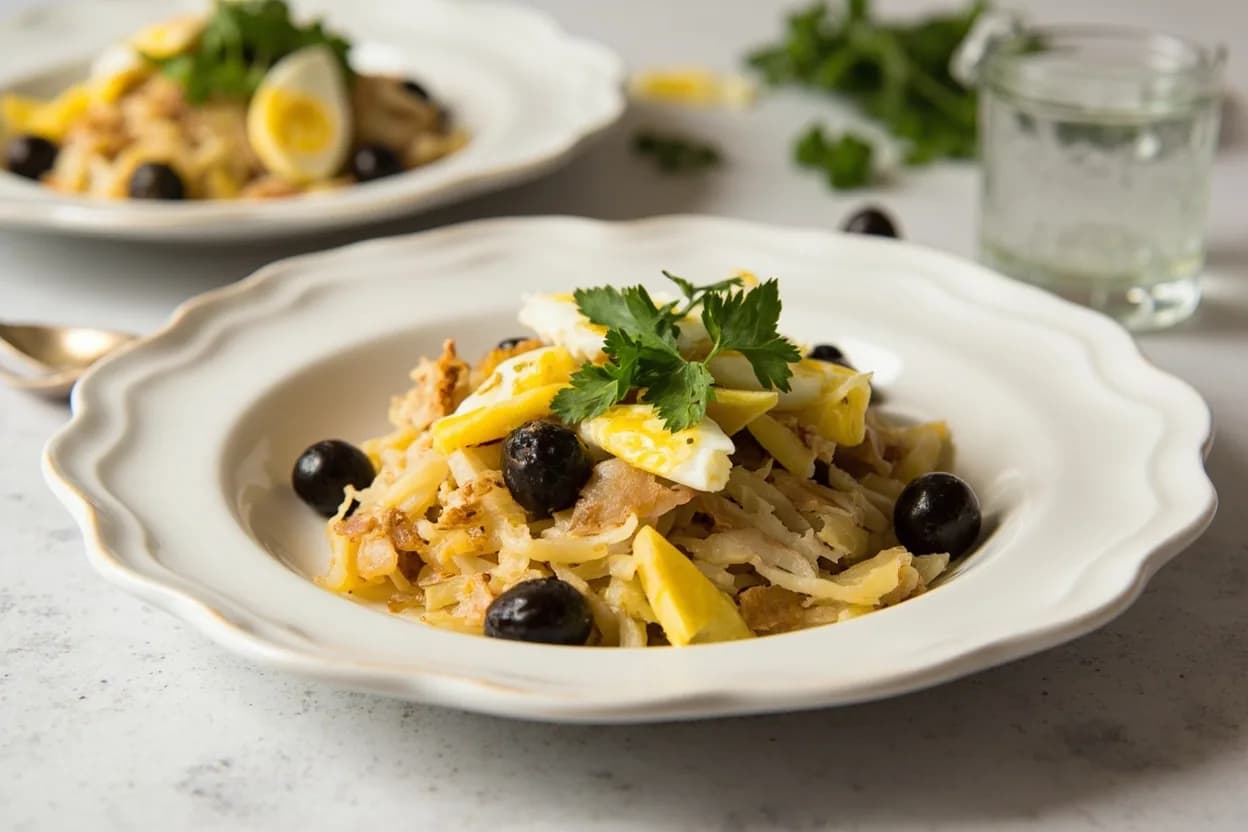
Portuguese cooks and food writers commonly repeat the claim that there are 365 (or even more) ways to cook salt cod — one for each day of the year. It is a folk boast rather than a verified count, but it reflects something real: bacalhau's dried, boneless, shelf-stable form let a single ingredient migrate through frying (à brás), baking (com natas), boiling (com todos), shredding into fritters (pastéis de bacalhau), and stewing, so the same fish could anchor an entire national repertoire rather than one dish. Because dried cod itself is nearly flavorless until rehydrated, the variation lives almost entirely in what surrounds it — potato, egg, olive oil, garlic, cream, or bread — making bacalhau less a flavor than a canvas.
Why convents made the egg-yolk sweets
The doces conventuais tradition — pastéis de nata, ovos moles, fios de ovos, and dozens of regional yolk-and-sugar sweets — exists because of a specific by-product problem. From the 16th century, convents used raw egg whites in quantity to starch linen habits and to clarify wine and must in the abbeys' own vineyards, a common pre-industrial fining method. That left convents with large surpluses of yolks, which nuns converted into dense, sugar-syrup sweets that would keep. When Portugal's liberal government dissolved the religious orders in 1834 and confiscated convent property, many of these recipes and the women who made them moved into secular confectionery shops, which is how a monastic by-product became a national pastry case, Lisbon's Pastéis de Belém (opened 1837) being the best-documented example.
Piri-piri's colonial round trip
Piri-piri is often assumed to be a native Portuguese spice, but the chili itself is a New World plant (Capsicum frutescens) that reached Portugal via the transatlantic trade the Age of Discoveries opened. Portuguese traders carried it onward to their colonies in Angola and Mozambique, where African cultivation and cooking developed the small, fiery pods and the chili-and-citrus marinating technique now called piri-piri. That preparation was then reimported to Portugal by returning colonists and traders, so the condiment most associated with Portuguese grilled chicken is, in origin, an African-American hybrid channeled entirely through Portuguese shipping routes rather than a plant or technique native to the Iberian peninsula.