South America
Venezuelan
Also: Venezuelan Cuisine, Cocina Venezolana, Comida Criolla Venezolana
A maize-and-arepa cuisine of split, filled corn cakes, pabellón criollo's shredded beef and black beans, and Christmas hallacas — shaped by Indigenous maize cultivation, Spanish and African foodways, and a 20th-century oil boom that urbanized the country's tastes.
Venezuelan cuisine is the Criollo food tradition of the country's Caribbean coast, central plains (llanos), and Andean west, built on a maize foundation — above all the arepa — layered with Spanish livestock and rice cookery and African plantain, coconut, and frying technique from the coastal plantation economy. It is defined by dishes eaten at fixed social occasions (pabellón criollo as the everyday plate, hallacas at Christmas) and by a strong Andean-cacao and llanero-beef regional split beneath the shared maize core.
The flavour base
Masarepa (pre-cooked maize flour) as the structural starch; sofrito of onion, garlic, bell pepper, and tomato (guiso) underlying stews and beans; guasacaca (avocado-cilantro-vinegar sauce) as the standard table condiment; queso llanero and queso de mano as fresh cow's-milk cheeses folded into or served alongside maize dishes; annatto-tinted oil in some regional stews; plantain, sweet and starchy, as a constant side.
Pantry staples
Key ingredients
Signature techniques
Signature dishes
At the table
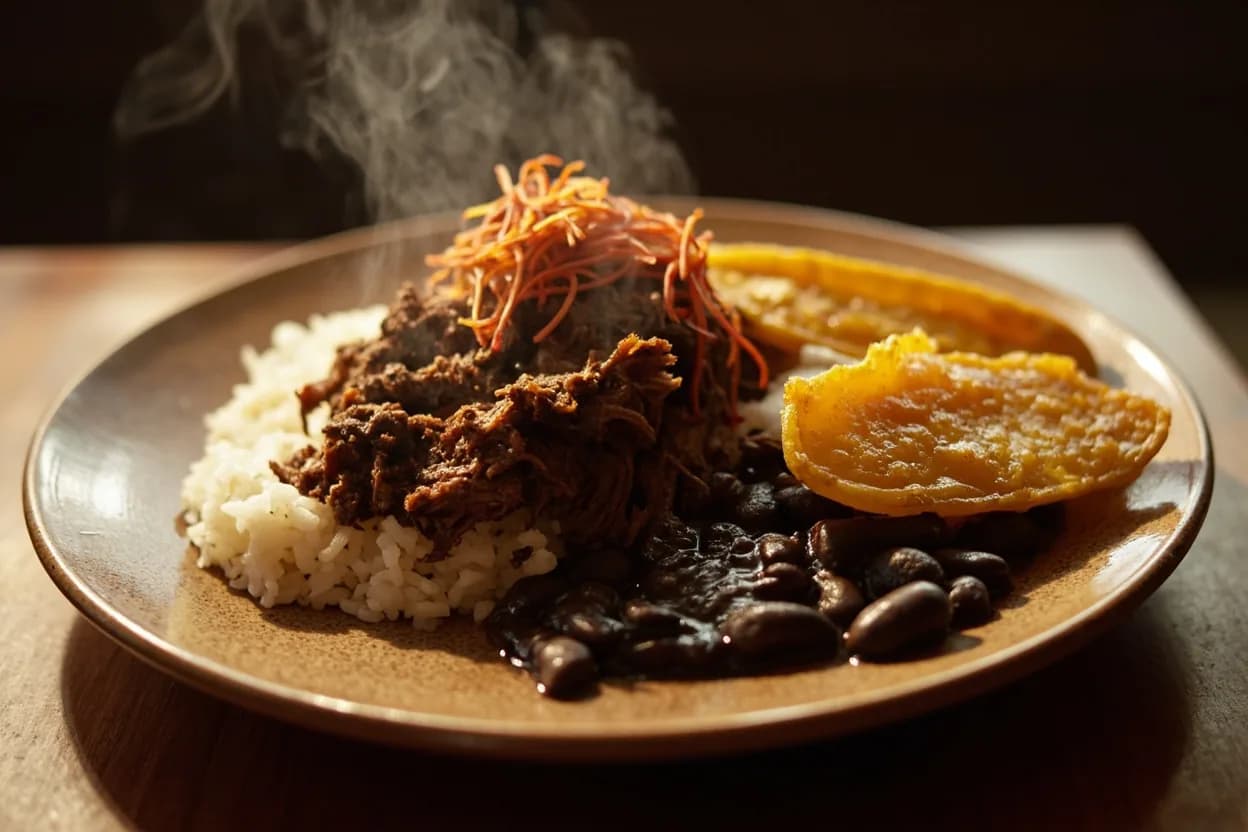
Breakfast is commonly arepas or cachapas with cheese, or perico (scrambled eggs with tomato and onion). The midday meal is often built around pabellón criollo — shredded beef, black beans, white rice, and fried plantain, sometimes topped with a fried egg (pabellón a caballo). Areperas serve arepas at all hours as a snack, light meal, or late-night food. Christmas Eve centers on hallacas, pan de jamón (ham bread), and ensalada de gallina (chicken salad), prepared over days in a family gathering.
History & context
Before Spanish contact, the Timoto-Cuicas built agricultural terraces in the Andean west while coastal and Orinoco-basin peoples cultivated maize, cassava, and beans and fished the Caribbean coast and river systems — maize cultivation here is old enough that the arepa is generally understood to predate colonization. Spanish colonization began with Alonso de Ojeda's 1499 voyage, which gave the country its name (a diminutive of Venice, after stilt houses on Lake Maracaibo), and brought cattle, pigs, rice, wheat, and sugarcane, worked increasingly by enslaved Africans brought to coastal cacao and sugar plantations from the 16th century onward — a legacy still visible in coconut, plantain, and okra dishes of the Caribbean coast and in Venezuela's historic reputation for exceptionally fine cacao. Independence (1811, consolidated by 1830) left the maize-plantain-bean Criollo core largely intact through the 19th century. The discovery of oil at Maracaibo in 1922 transformed Venezuela from an agrarian to an urban, oil-export economy within a generation, drawing rural populations to Caracas and other cities and giving rise to the arepera as an urban all-hours institution alongside imported wheat bread and international dining. Political and economic instability from the late 2000s, and acutely from the mid-2010s, drove one of the largest migrations in modern Latin American history, carrying arepas, cachapas, and hallacas to Bogotá, Miami, Madrid, and beyond and making Venezuelan food far more visible internationally than at any point before.
Regional variations
- Los Llanos (central plains)
Cattle-ranching heartland; carne en vara (spit-roasted beef) and asado llanero reflect a cowboy foodway parallel to Argentine and Colombian llanero cooking.
- Zulia / Maracaibo (northwest)
Distinct regional palate with dishes such as mandoca (fried yuca-and-plantain ring) and a stronger dairy presence from cattle country around Lake Maracaibo.
- Andes (Táchira, Mérida, Trujillo)
Cooler highland zone growing wheat, potato, and trout; pisca andina (potato and egg soup) and hallacas andinas with distinct fillings mark the region.
- Caribbean coast (Oriente)
Seafood-forward cooking with coconut rice, fish stews, and cacao production around the Paria Peninsula, historically famous for premium criollo cacao beans.
Related cuisines
Shares the arepa (thinner and unfilled in much of Colombia), maize-parcel tamal traditions, and a Caribbean coastal repertoire of coconut and plantain dishes across the shared border region.
- Caribbean
Venezuela's coast shares plantain, coconut, and salted-fish technique with the wider Caribbean, a legacy of the same African-influenced plantation economy.
Venezuela's Andean west (Táchira, Mérida) shares potato and wheat cultivation with other Andean highland zones, though at lower altitude and smaller scale than Peru or Bolivia.
Canonical recipes
The dishes that define Venezuelan, documented in the Canon.
References
- 1.Gran Cocina Latina: The Food of Latin America — Maricel Presilla (W.W. Norton, 2012)
- 2.The Book of Latin American Cooking — Elisabeth Lambert Ortiz (Alfred A. Knopf, 1979)
- 3.The True History of Chocolate — Sophie D. Coe and Michael D. Coe (Thames & Hudson, 1996)
- 4.The Cambridge World History of Food — Kenneth F. Kiple and Kriemhild Conée Ornelas, eds. (Cambridge University Press, 2000)
Confidence: medium
Notes
The arepa as national institution
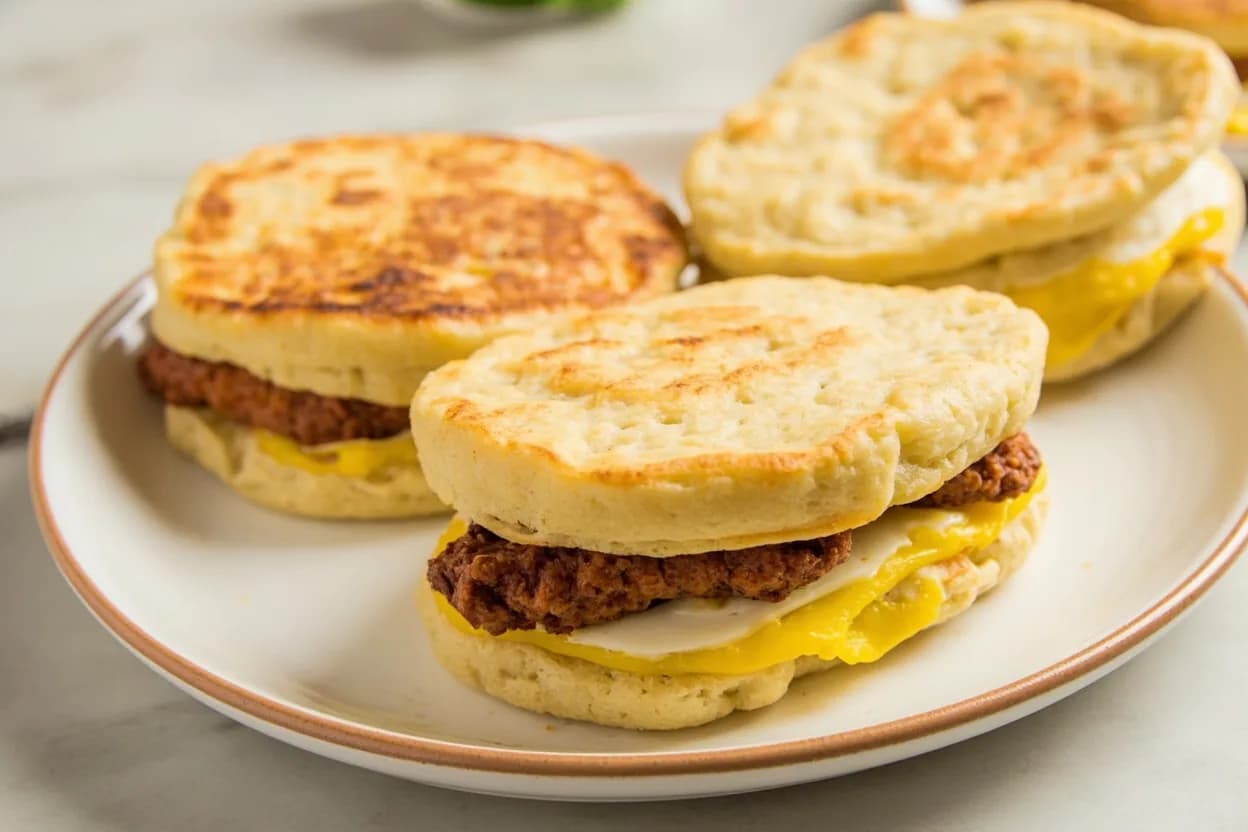
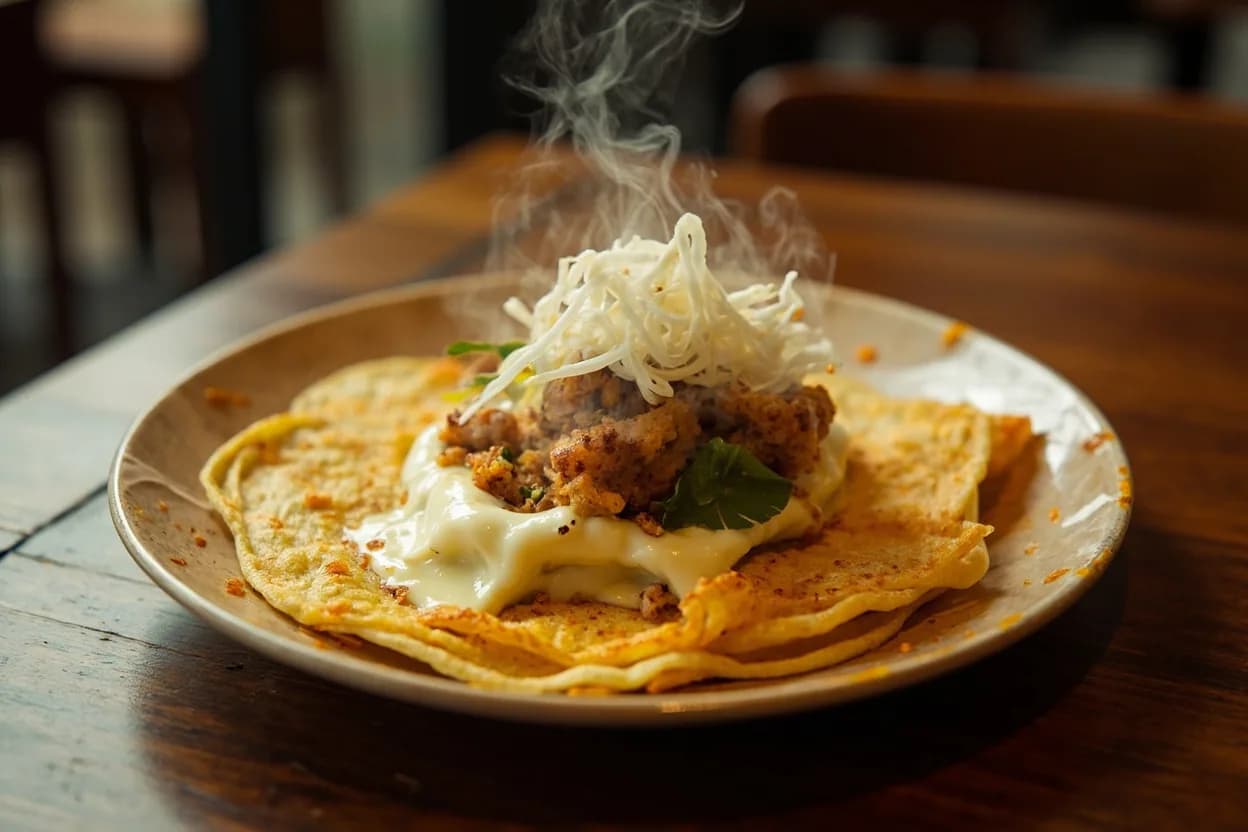
The arepa — a round griddle- or oven-cooked cake of pre-cooked maize dough (masarepa), split open and filled — predates Spanish contact and remains Venezuela's most widely eaten food, sold from dedicated arepera stalls and restaurants at all hours. Fillings are standardized enough to carry their own names: reina pepiada (shredded chicken with avocado and mayonnaise, said to be named for a 1955 Miss World winner) and domino (black beans and grated white cheese, named for the black-and-white domino tile) are the two most iconic. The arepa's spread through the Venezuelan diaspora since the 2010s economic crisis has made it one of the most recognizable Latin American street foods internationally.
Hallacas and the Christmas kitchen
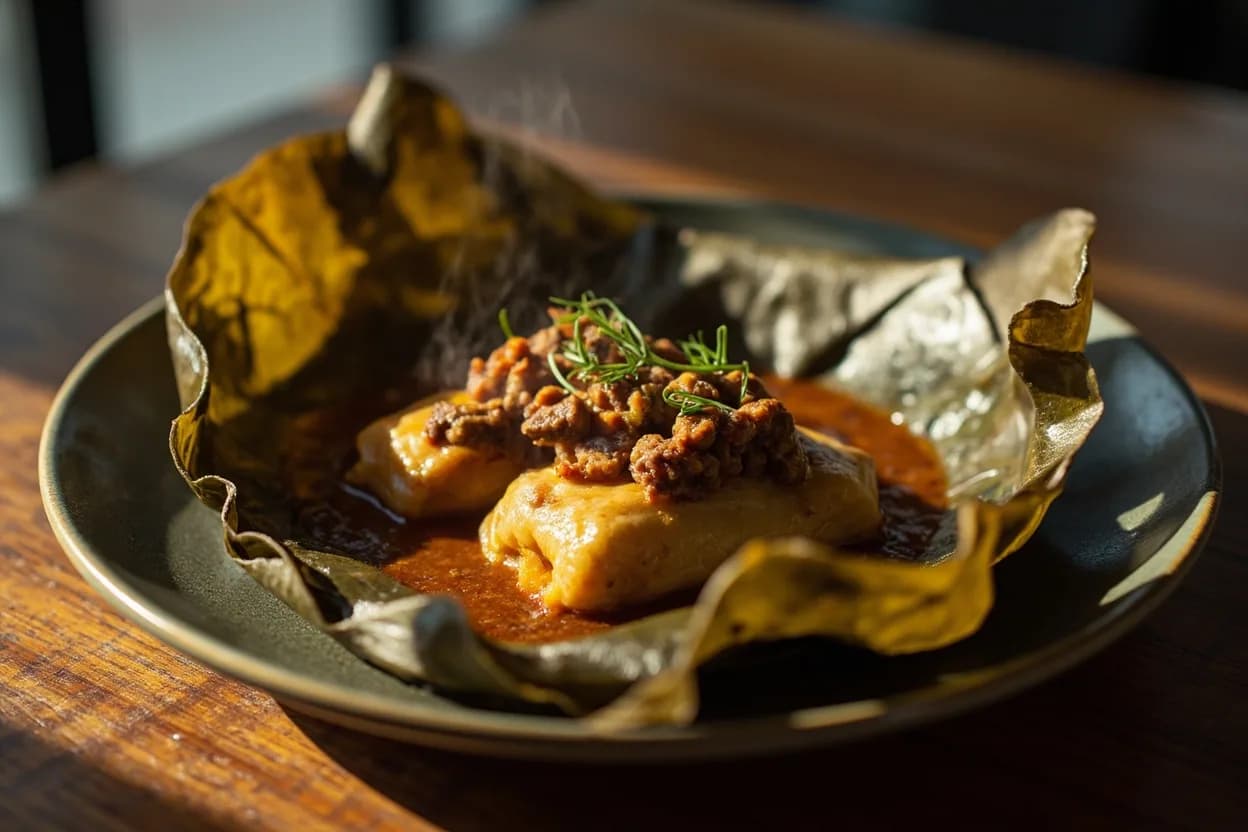
Hallacas — a maize-dough parcel filled with a stew of beef, pork, and chicken along with olives, raisins, and capers, wrapped in plantain leaf and boiled — are Venezuela's defining Christmas dish, traditionally prepared as a multi-day, multi-generational family assembly line. Regional variants differ by filling and leaf-folding style, and the dish is considered a close cousin of the Mexican tamal and Colombian tamal, all descending from a shared Indigenous maize-parcel technique later enriched with Spanish and African ingredients.
Oil wealth and the modern Venezuelan table
The 20th-century oil boom, beginning with the 1922 Maracaibo strikes, drove rapid urbanization and rising middle-class consumption, importing wheat bread, breakfast cereals, and international restaurant dining into cities like Caracas alongside the older maize-and-plantain repertoire. The areperas that proliferated in Caracas from the 1950s onward became a distinctly urban, all-hours institution — closer to a diner than a traditional foodway — even as the ingredients they serve remain rooted in pre-Columbian maize cultivation.