South America
Chilean
Also: Chilean Cuisine, Cocina Chilena
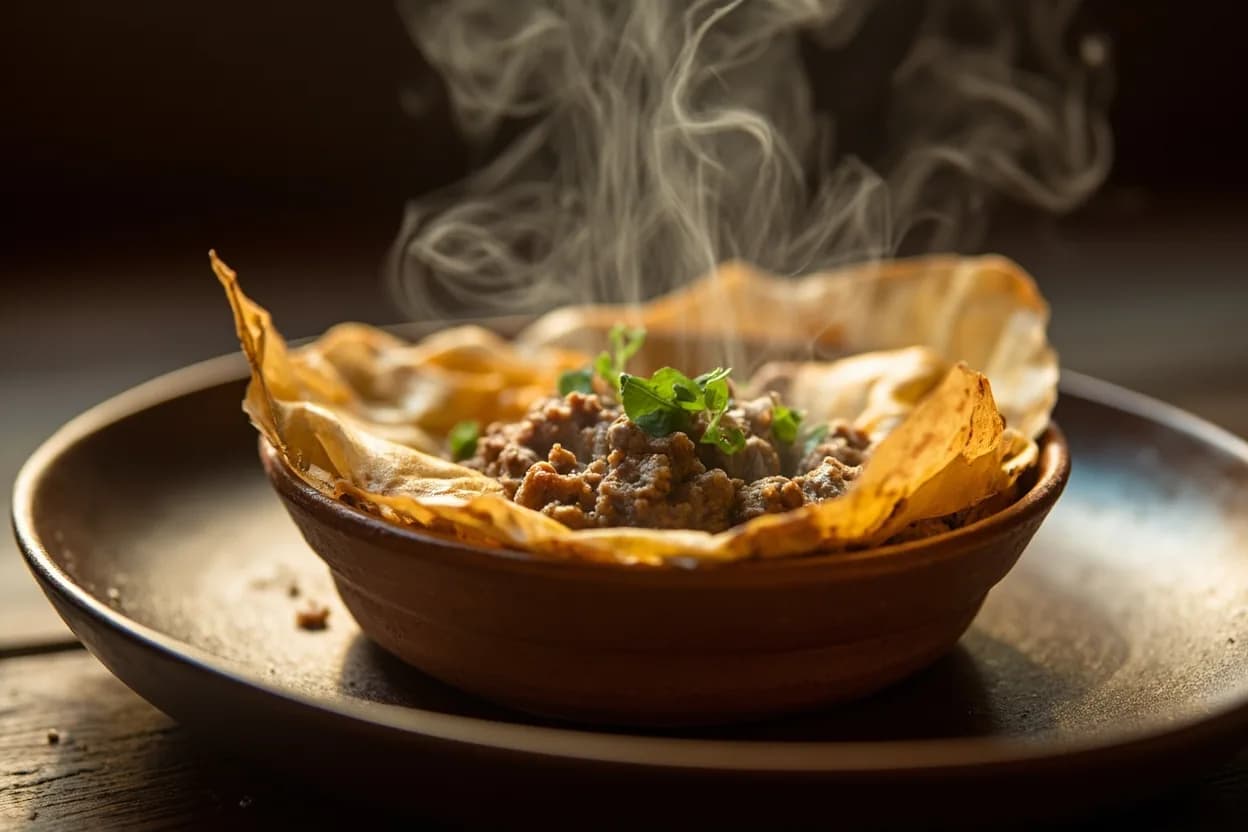
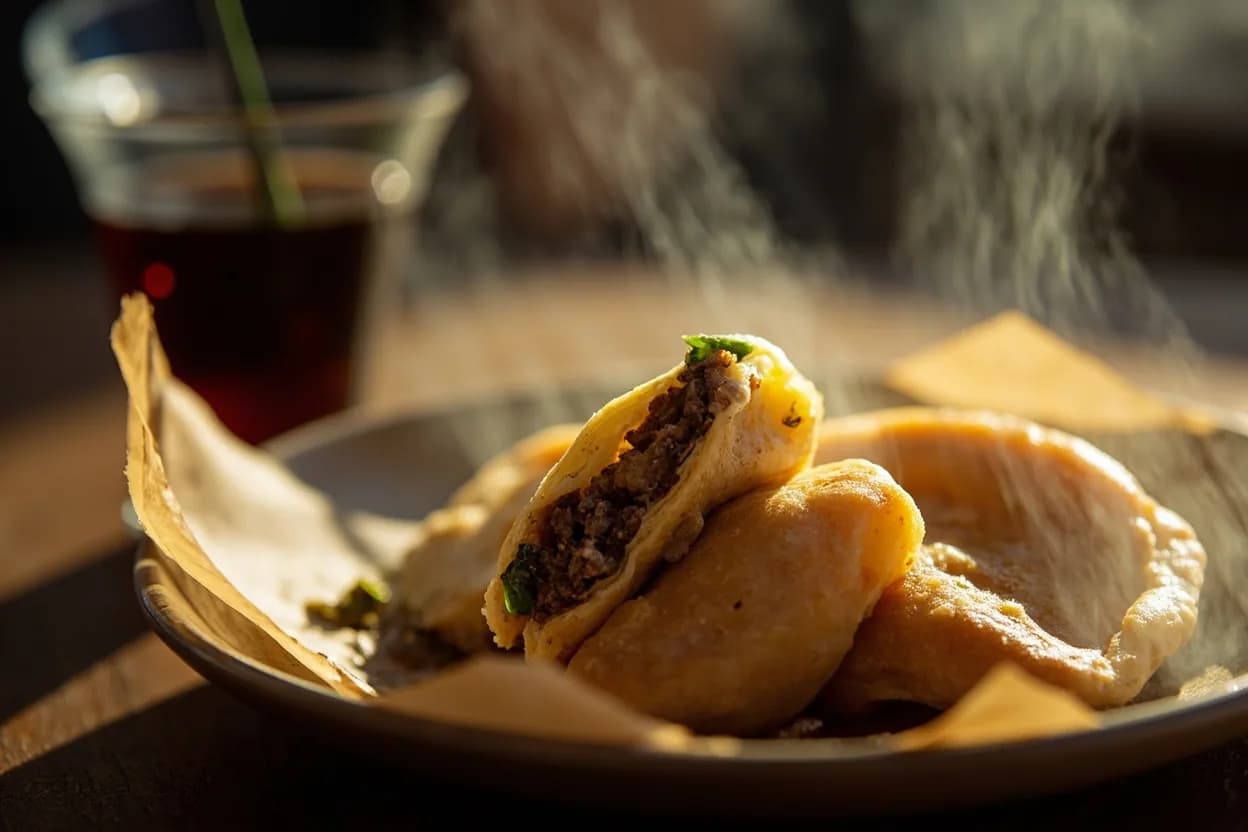
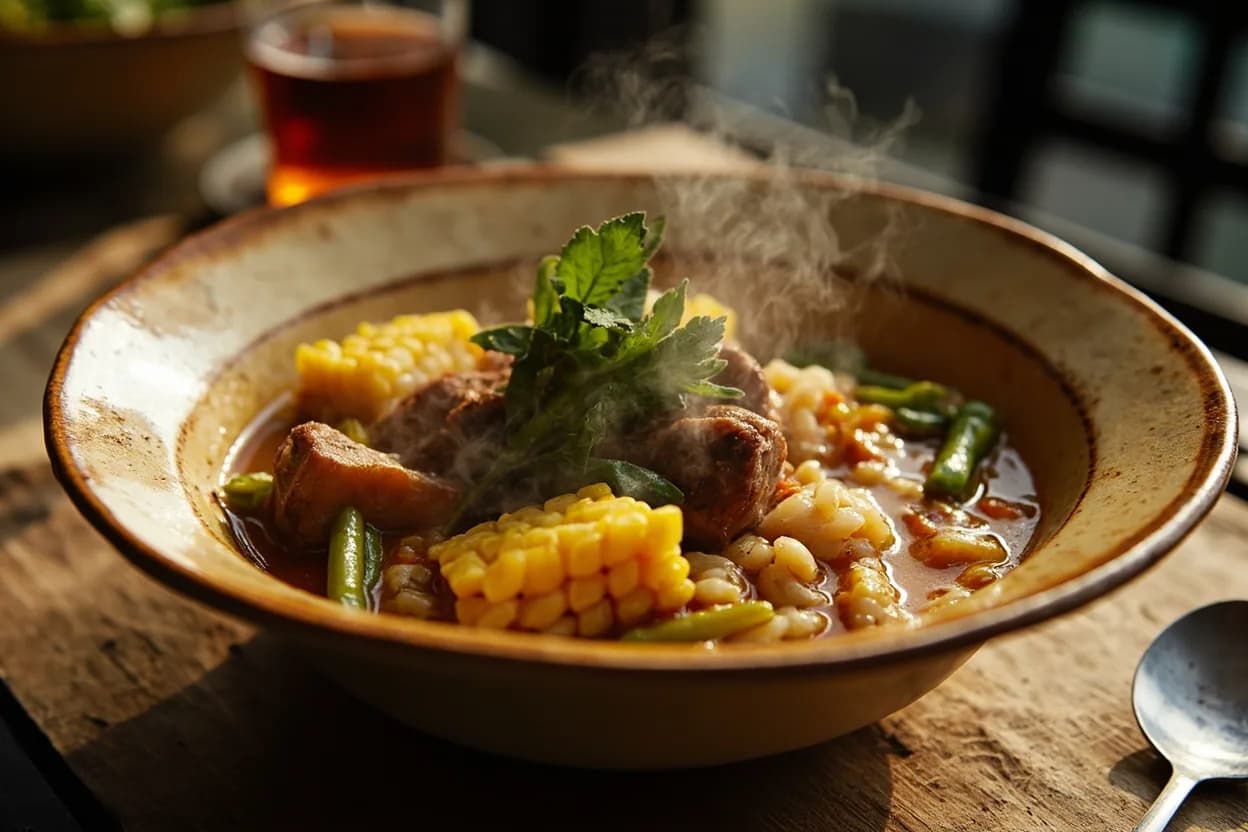
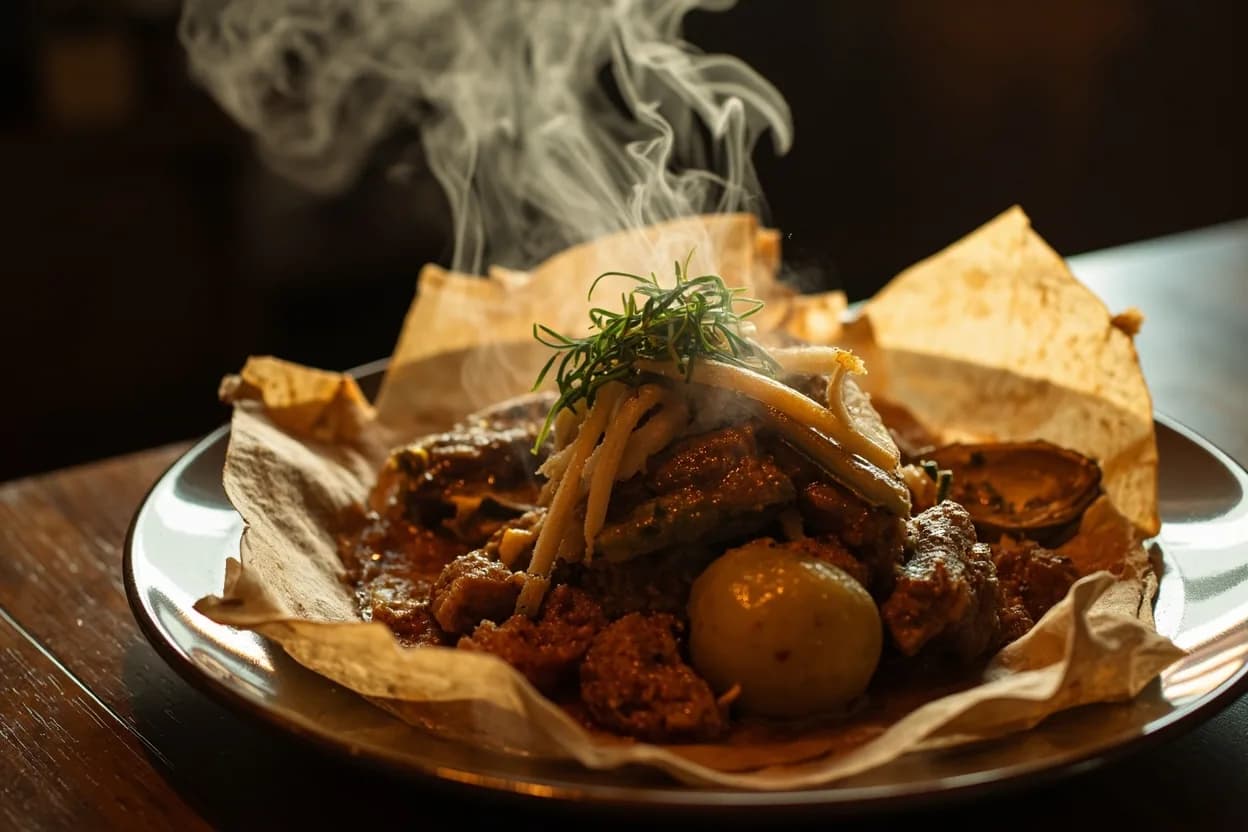
A cuisine stretched along the world's longest coastline — corn-crusted pastel de choclo, hand-folded empanadas de pino, Chiloé's underground curanto pit-bake, and a cold-current seafood larder — sharpened with smoky merkén chili and pebre relish.
Chilean cuisine is the food tradition of a narrow, geographically extreme country running from the Atacama Desert to Patagonia, defined by an unusually long and productive coastline, a central-valley wheat-beef-and-wine Criollo core inherited from Spanish colonization, and southern Indigenous and immigrant traditions — Mapuche merkén seasoning and Chiloé's pit-baked curanto, alongside German-influenced Lakes District baking — layered onto that core.
The flavour base
Merkén (smoked chili and toasted coriander) as the signature Mapuche seasoning; pebre (chopped tomato, onion, cilantro, chili, and oil) as the near-universal table condiment; fresh corn (choclo) both sweet and savory; a mild, rarely fiery chili use compared to Andean or Mexican cooking; wine — both as a drink and, occasionally, a cooking ingredient — reflecting the country's major viticultural identity.
Pantry staples
Key ingredients
Signature techniques
Signature dishes
At the table
Once (a light late-afternoon tea-and-bread meal, historically taken instead of a heavy dinner) is a distinctly Chilean institution, alongside more conventional breakfast, lunch (the main meal, often almuerzo with soup or a cazuela), and a lighter evening meal. Empanadas and asado (barbecue) mark weekend and holiday gatherings, especially Chile's September Fiestas Patrias (Independence Day) national holiday. Curanto or pulmay is prepared communally for celebrations in the south, requiring collective labor to dig the pit and gather shellfish.
History & context
Before Spanish contact, the Mapuche in the south-central valleys, the Chono and Huilliche of the Chiloé archipelago, and northern Diaguita and Atacameño peoples each built distinct foodways around potato (Chiloé is a secondary center of potato diversity alongside the Andes), maize, quinoa, and rich coastal shellfishing along the Humboldt Current. Spanish colonization from 1541 (Pedro de Valdivia's founding of Santiago) introduced wheat, cattle, pigs, grapevines, and onions, and Chilean central-valley agriculture developed a hacienda system that shaped the country's beef- and wheat-based Criollo cooking. Chile's 1818 independence and 19th-century territorial expansion southward brought Chiloé's Indigenous curanto tradition and the Mapuche south more fully into the national food story, alongside a wave of German immigration to the Lakes District (from the 1850s) that left a visible imprint of kuchen (cake) baking and dairy tradition in the south. The wine industry, seeded by colonial-era vines and transformed by French varietals and technique imported from the 1850s onward, grew into a major export industry through the 20th century. In recent decades, Mapuche merkén seasoning has moved from regional Indigenous use into mainstream Chilean pantries and contemporary restaurant menus, while long-established dishes like pastel de choclo and empanadas de pino remain the everyday backbone of Chilean home cooking.
Regional variations
- Norte Grande (Atacama Desert)
Aymara and Atacameño influence brings llama meat, quinoa, and altiplano staples shared with Bolivia, alongside desert-oasis agriculture.
- Zona Central (Santiago and the Central Valley)
The wheat-beef-wine hacienda heartland; empanadas, pastel de choclo, and Chile's major wine valleys (Maipo, Colchagua) are centered here.
- Chiloé and the Lakes District (south)
Curanto, potato-based breads (milcao, chapalele), and German-immigrant kuchen baking mark this cooler, rain-fed southern zone.
- Patagonia and Magallanes (far south)
Centolla (king crab), lamb, and cool-climate foraged foods define a sparsely populated, seafood-and-lamb-forward far south.
Related cuisines
Shares a strong cold-current seafood tradition and ceviche-adjacent dishes, though Chile leans toward chowders and raw shellfish preparations over Peru's citrus-cured ceviche style.
Shares beef-and-wine Criollo hacienda culture and open-fire grilling technique across the Andes-spanning Southern Cone, with empanadas common to both.
Northern Chile's Atacameño and Aymara communities share high-altiplano staples like quinoa and llama with neighboring Bolivia, a legacy of the pre-colonial trade networks that once linked the two regions.
Canonical recipes
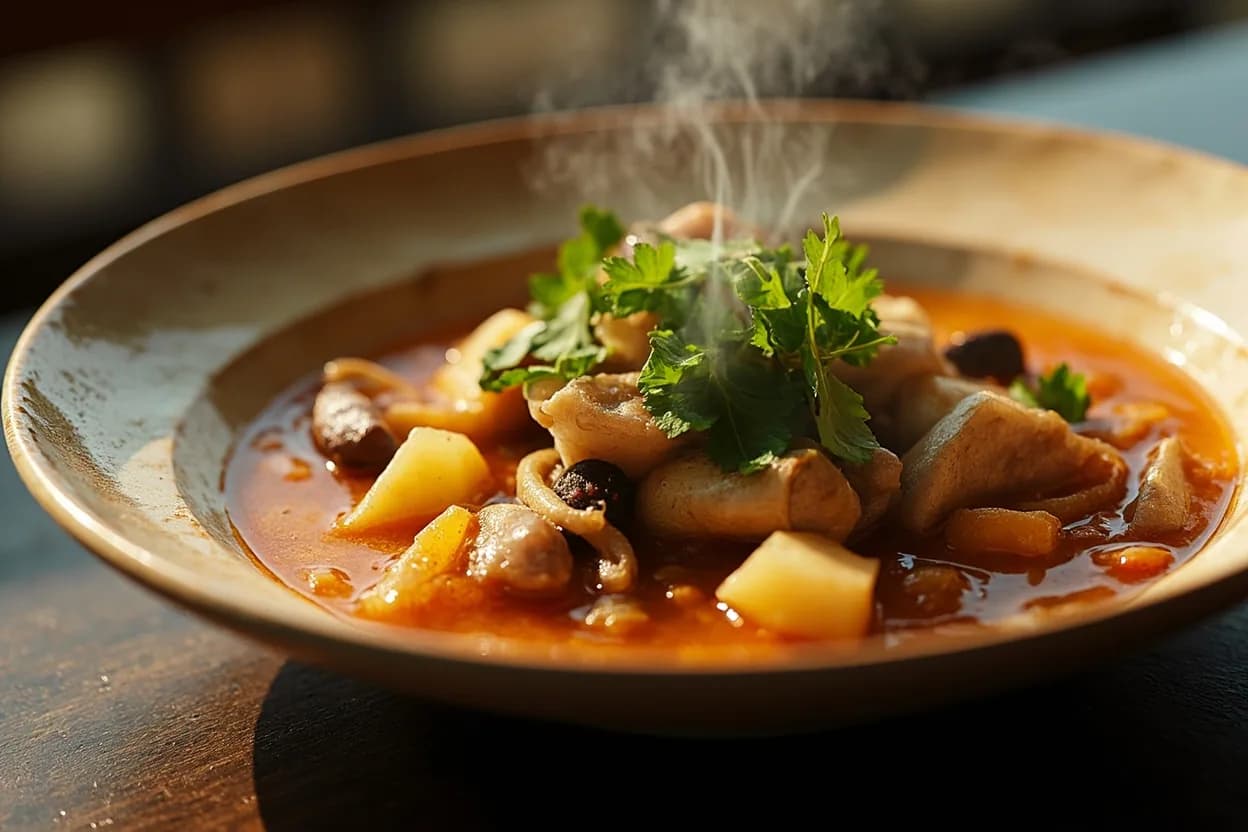
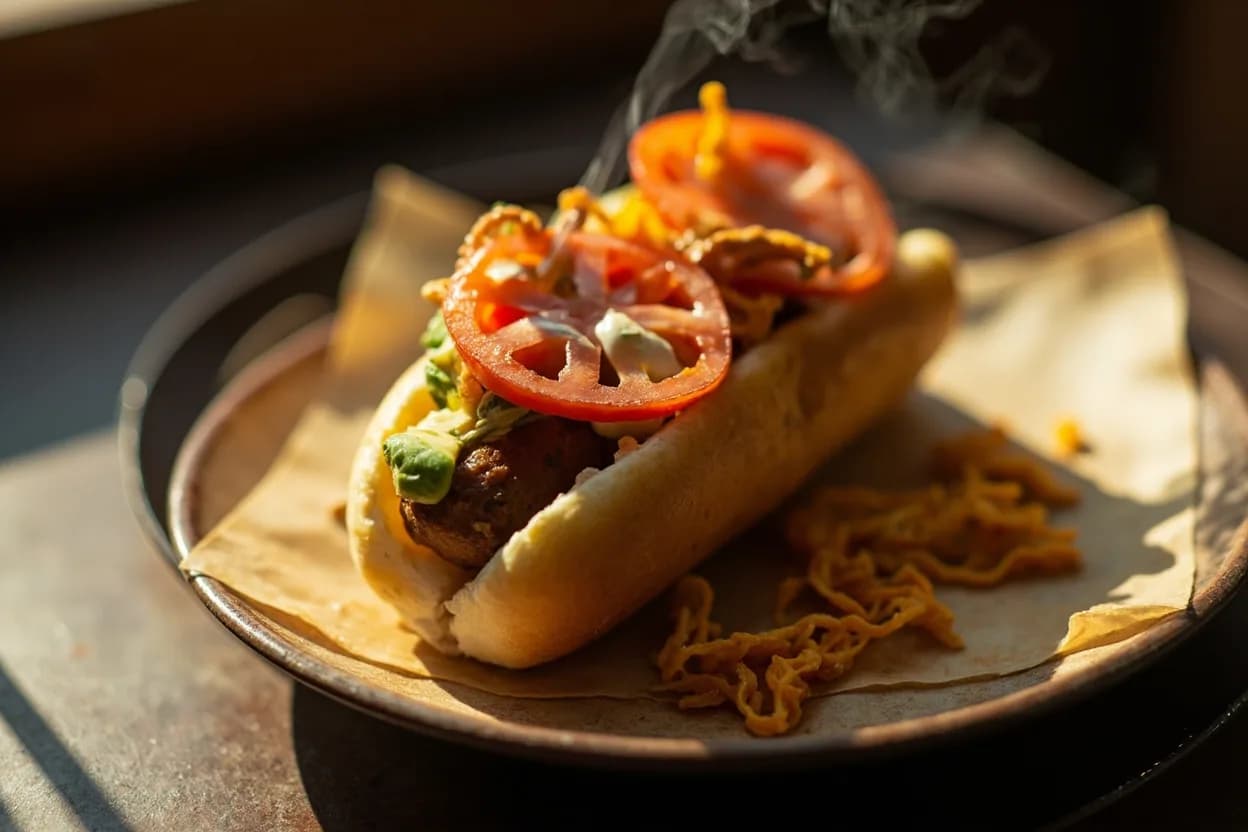
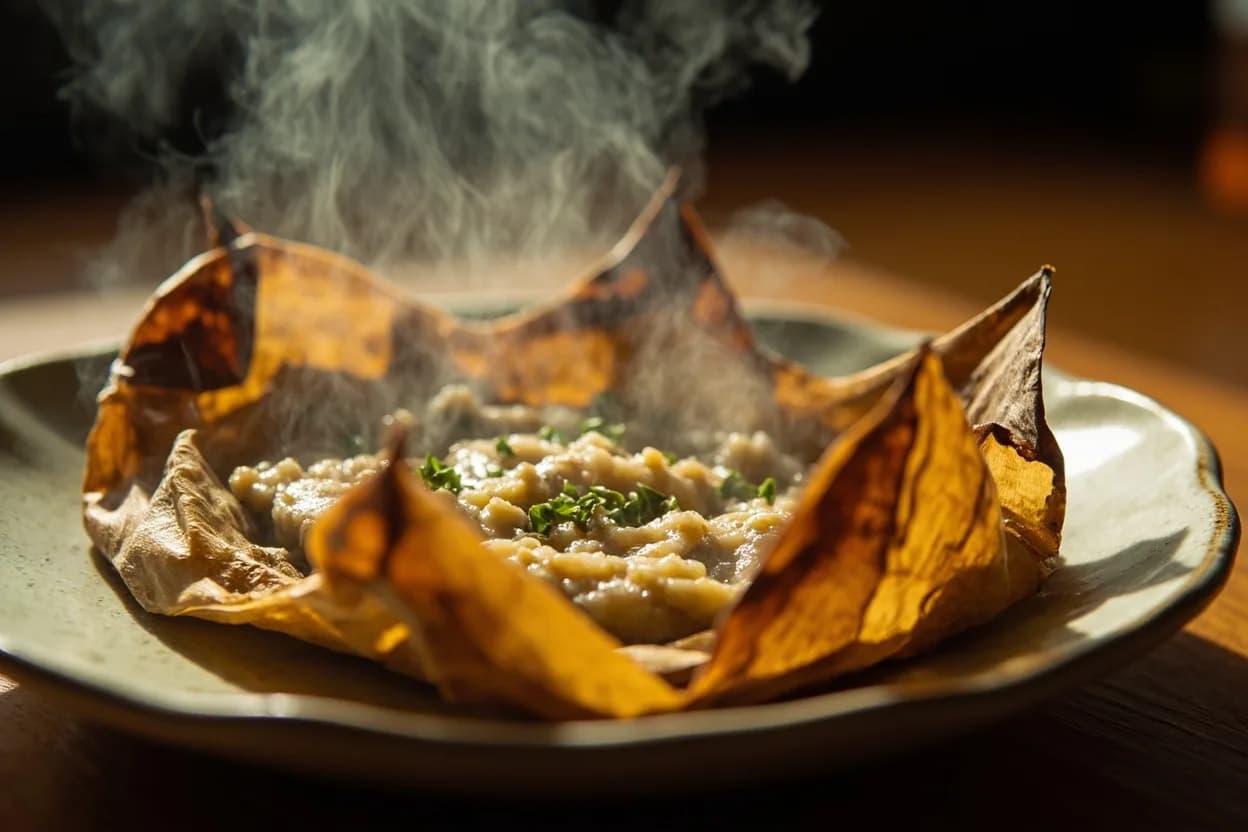
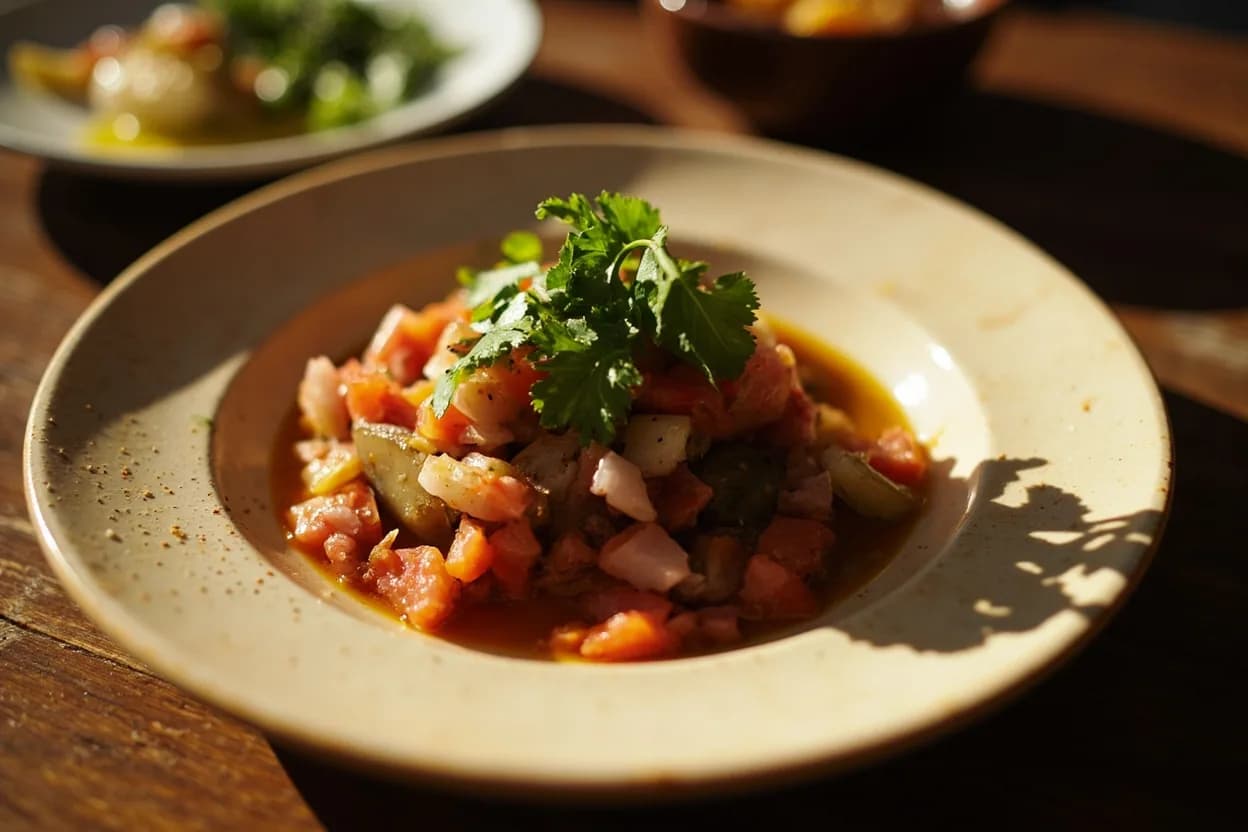
The dishes that define Chilean, documented in the Canon.
References
- 1.Gran Cocina Latina: The Food of Latin America — Maricel Presilla (W.W. Norton, 2012)
- 2.The Book of Latin American Cooking — Elisabeth Lambert Ortiz (Alfred A. Knopf, 1979)
- 3.Tasting Chile: A Celebration of Authentic Chilean Foods and Wines — Daniel Joelson (Hippocrene Books, 2005)
- 4.Seven Fires: Grilling the Argentine Way — Francis Mallmann with Peter Kaminsky (Artisan, 2009)
Confidence: medium
Notes
Curanto: the pit-bake of Chiloé
Curanto, native to the archipelago of Chiloé in southern Chile, is a communal underground cooking method: heated stones line a dug pit, layered with shellfish, chicken, pork, sausage, potatoes, and milcao and chapalele (potato breads), the whole covered with nalca (giant rhubarb-like) leaves and earth to steam for hours. It is considered a direct descendant of pre-Hispanic Chono and Huilliche cooking, and a version cooked above ground in a pot (pulmay) lets the same combination be made in home kitchens without a pit.
Merkén and Mapuche flavor
Merkén — dried, smoked red chili (usually cacho de cabra) ground with toasted coriander seed and salt — is a Mapuche seasoning from Chile's south-central Araucanía region that has moved from Indigenous kitchens into mainstream Chilean pantries and contemporary restaurant cooking over the past two decades, now sold nationally as a defining Chilean spice blend distinct from any other South American chili seasoning.
A 4,300-kilometer larder
Chile's coastline, one of the longest and most current-rich in the world thanks to the cold Humboldt Current, supports an unusually broad seafood repertoire for a single country: congrio (a prized eel-like fish, celebrated in Pablo Neruda's poem 'Oda al Caldillo de Congrio'), machas (razor clams), locos (Chilean abalone), erizos (sea urchin), and centolla (king crab) in the far south each anchor distinct regional dishes, alongside a wine-growing tradition dating to Spanish colonial vineyards later reshaped by 19th-century French varietals.