South America
Paraguayan
Also: Paraguayan Cuisine, Cocina Paraguaya
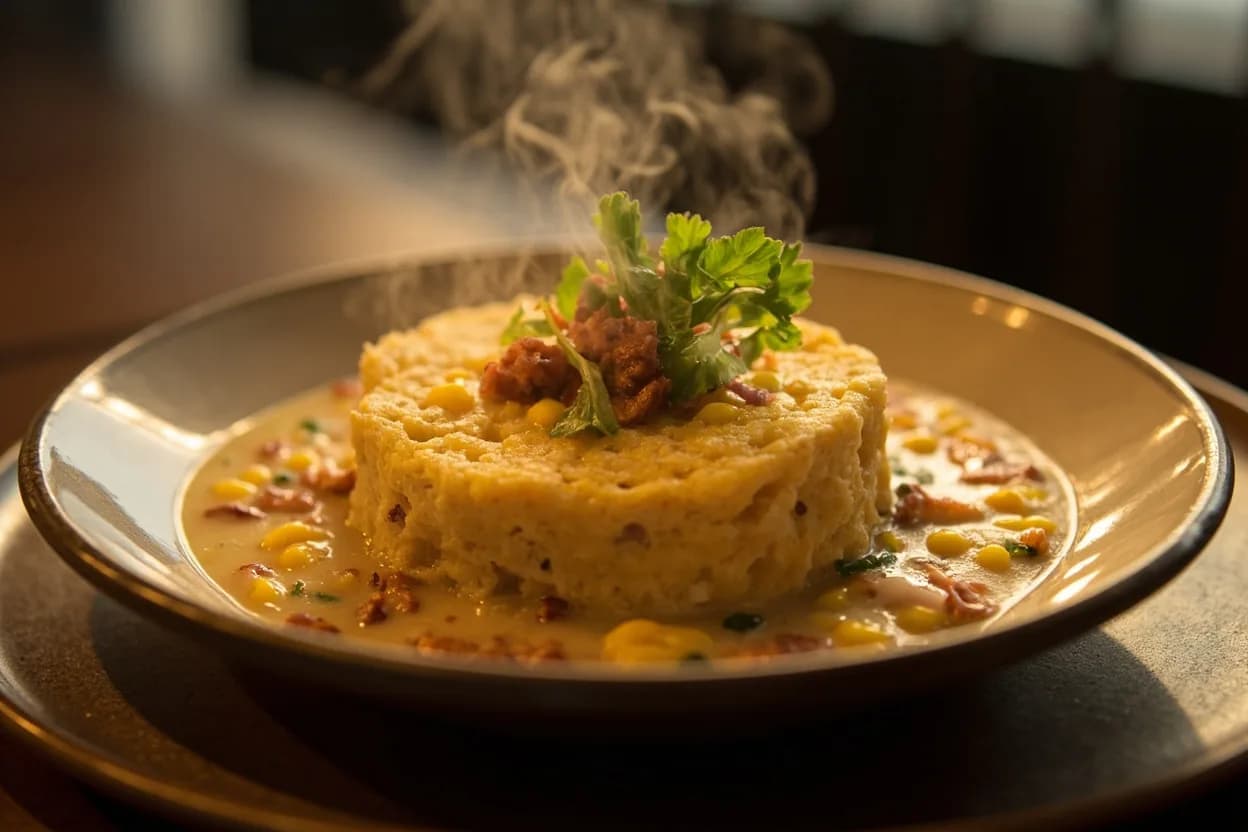
A manioc-and-maize cuisine carrying deep Guaraní roots — sopa paraguaya's savory cornbread despite its name, cheese-studded chipa bread, and a national devotion to yerba mate sipped hot as mate or cold as tereré.
Paraguayan cuisine is the food tradition of a landlocked country whose culture remains unusually rooted in Guaraní language and agriculture, built on manioc (cassava) starch and maize rather than potato or wheat, expressed in baked corn-and-cheese dishes (sopa paraguaya, chipa guazú) and manioc-starch breads (chipa), and bound together by the near-constant social ritual of drinking yerba mate, hot or cold, from a shared gourd.
The flavour base
Cheese (queso Paraguay, a salty fresh cow's-milk cheese) folded into nearly every starch dish; manioc starch (almidón agrio, fermented) as the structural base of chipa; fresh corn and corn flour for sopa paraguaya and chipa guazú; onion sautéed in lard or oil as an aromatic base; yerba mate as a constant beverage rather than a cooking ingredient, though present at nearly every meal and social gathering.
Pantry staples
Key ingredients
Signature techniques
Signature dishes
At the table
Mate cocido (hot yerba mate) or tereré (cold yerba mate with ice, herbs, and citrus) accompanies most of the day, drunk communally from a shared gourd. Chipa is an anytime snack, especially prominent during Semana Santa (Holy Week), when families bake large batches. The midday meal is the main one, often built around a beef or pork dish with sopa paraguaya and/or chipa guazú served as substantial starch sides rather than bread. Bori bori (a chicken soup with cornmeal-cheese dumplings) is a common home-cooked main.
History & context
Guaraní peoples of the Paraguay and Paraná river basins domesticated cassava (mandioca), cultivated maize, and first prepared yerba mate long before European contact, building a foodway centered on manioc rather than the potato- or maize-dominant staples of the Andes. Spanish colonization from the 1530s (Asunción, founded 1537, briefly the region's most important Spanish colonial city) proceeded with unusually deep intermarriage between Spanish settlers and Guaraní women, producing a mestizo society in which Guaraní remained the majority spoken language — a linguistic and cultural continuity with few parallels elsewhere in Spanish America and one still visible in food vocabulary (chipa, mbeju, and other dish names are Guaraní words). Jesuit missions (reducciones) established from the late 16th to mid-18th centuries organized Guaraní communities around mission agriculture, including yerba mate cultivation, before their 1767 expulsion. The catastrophic War of the Triple Alliance (1864–1870), in which Paraguay fought Argentina, Brazil, and Uruguay and lost a majority of its male population, devastated the country but did not erase its Guaraní-rooted food culture, which persisted through 20th-century agrarian life built on manioc, maize, and small-scale cattle raising. Today's Paraguayan table — sopa paraguaya, chipa, and near-constant yerba mate consumption — remains one of Latin America's most direct living links to a pre-Columbian Indigenous foodway.
Regional variations
- Asunción and central Paraguay
Urban heartland where chipa bakeries and sopa paraguaya recipes are most codified and commercially produced.
- Eastern border region (Ciudad del Este, Itapúa)
Closer trade and cultural exchange with Brazil brings some Brazilian ingredients and dishes into daily eating, alongside strong Guaraní- and German-Mennonite-immigrant farming communities.
- Chaco (western Paraguay)
Sparse, hot lowland region with Mennonite immigrant dairy farming (from the 1920s–1930s) alongside Indigenous Nivaclé and Enxet foodways, producing much of Paraguay's dairy supply.
Related cuisines
Shares beef-grilling culture and yerba mate drinking ritual across the shared Río de la Plata-basin border region, especially in Argentina's northeastern Mesopotamia provinces.
- Brazilian
Shares manioc-based cookery and yerba mate (chimarrão in Brazil) with Brazil's southern Rio Grande do Sul, both regions carrying Guaraní-descended food vocabulary.
Both landlocked neighbors share a maize-and-manioc lowland cooking style in Bolivia's eastern llanos, distinct from Bolivia's Andean highland repertoire.
Canonical recipes
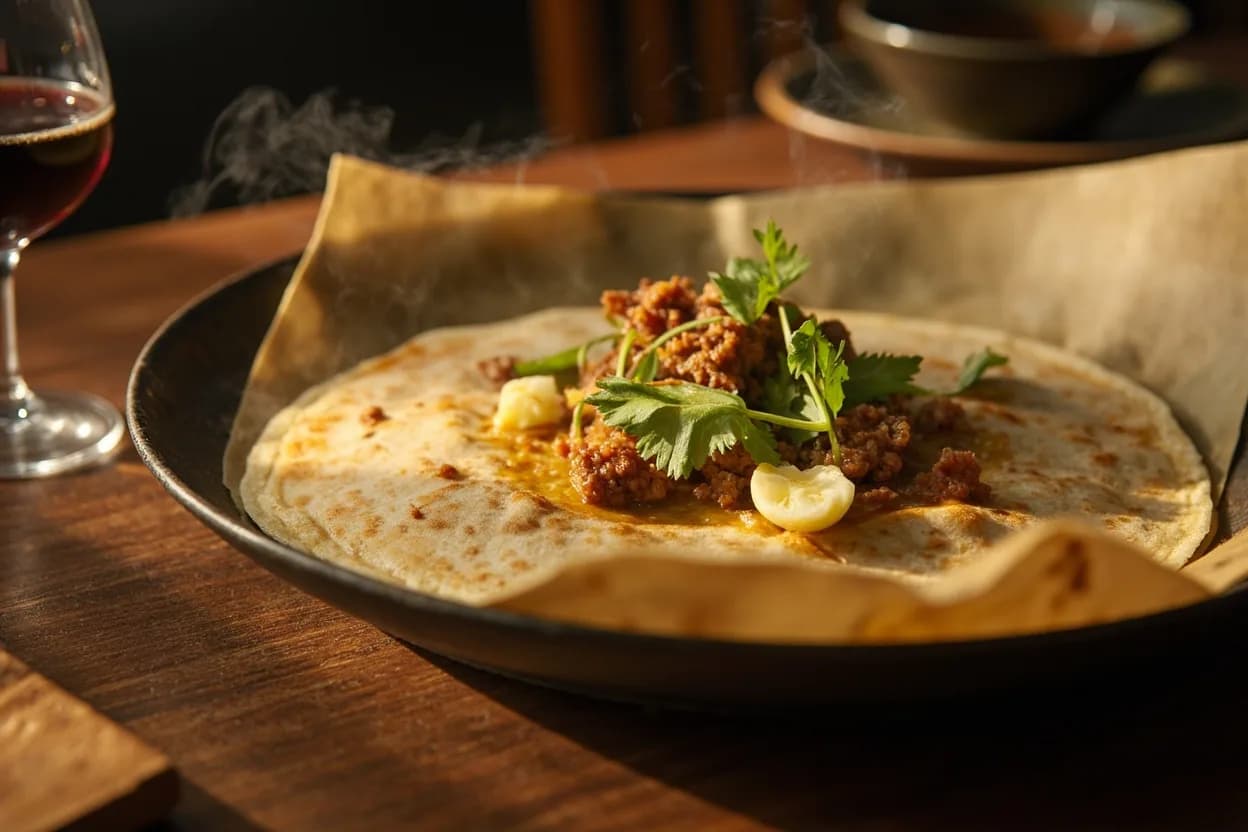
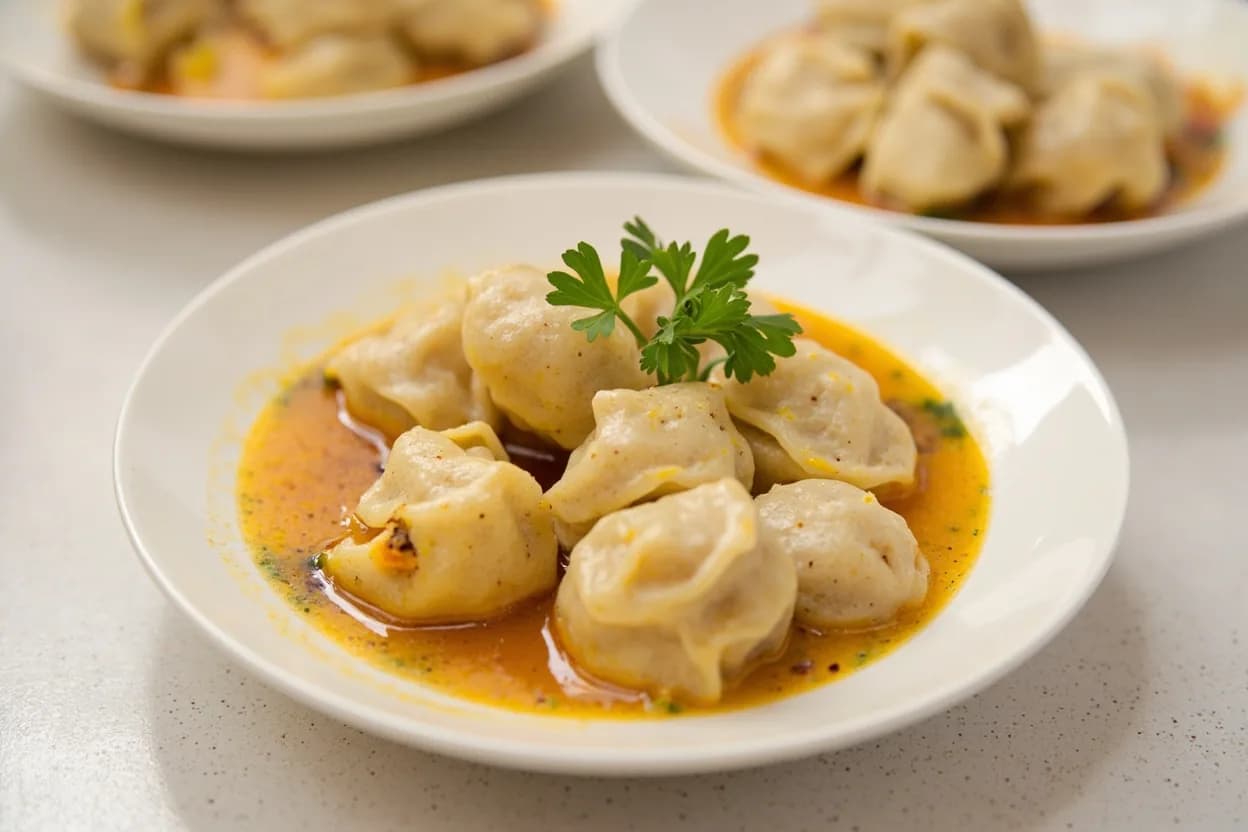
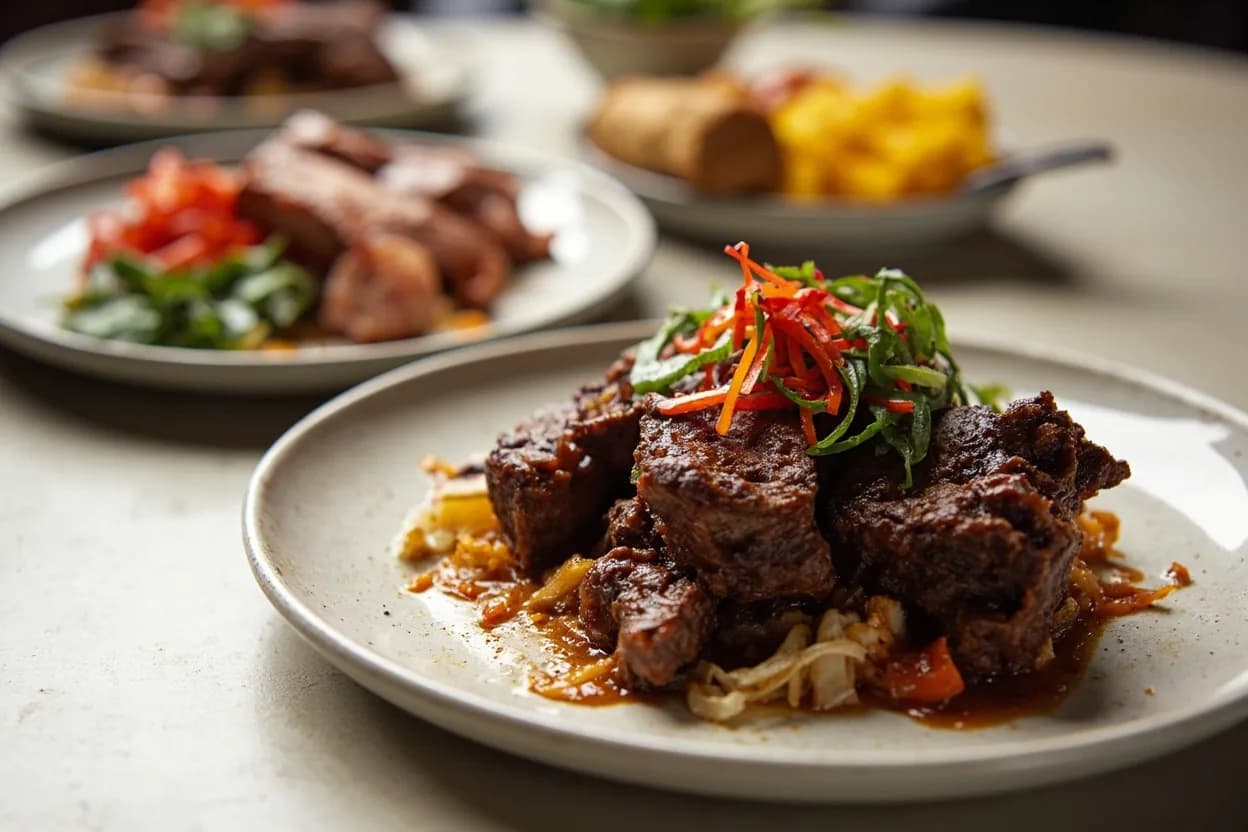
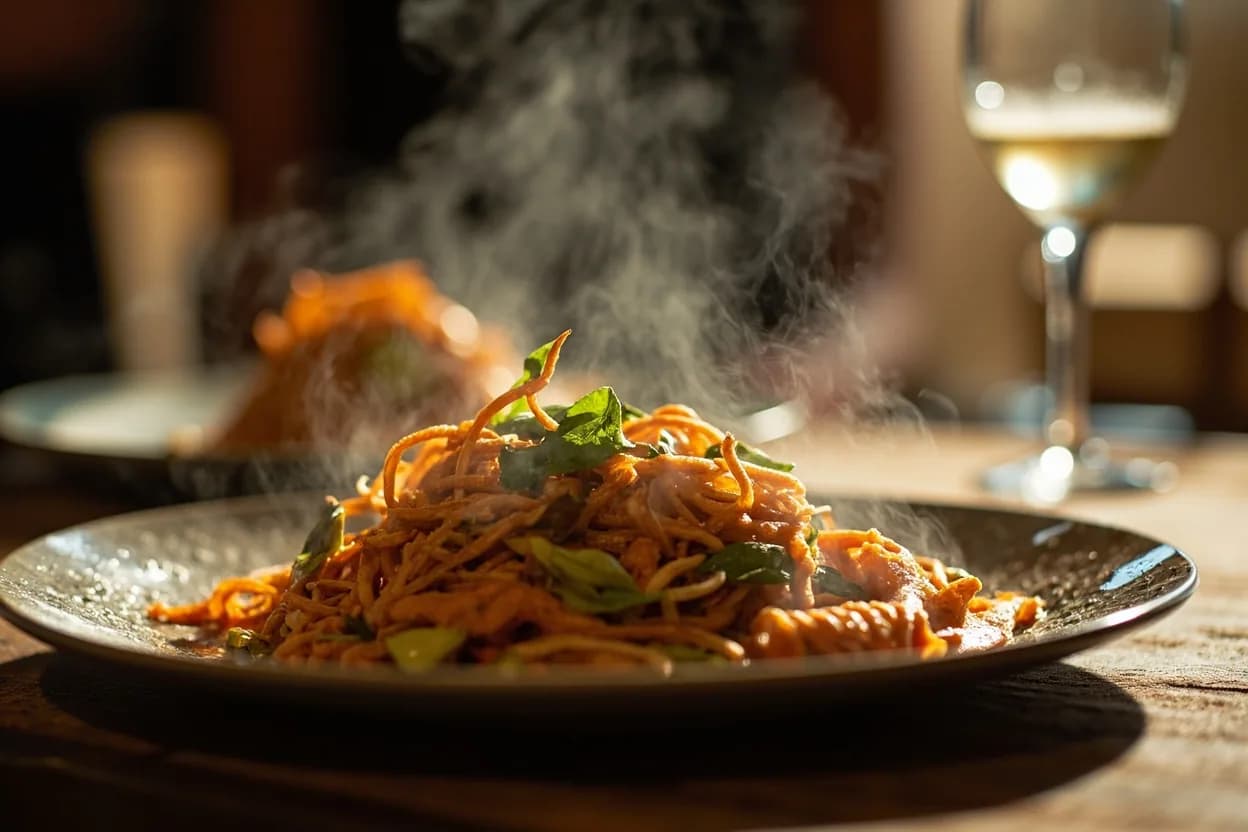
The dishes that define Paraguayan, documented in the Canon.
References
- 1.Gran Cocina Latina: The Food of Latin America — Maricel Presilla (W.W. Norton, 2012)
- 2.The Book of Latin American Cooking — Elisabeth Lambert Ortiz (Alfred A. Knopf, 1979)
- 3.The Cambridge World History of Food — Kenneth F. Kiple and Kriemhild Conée Ornelas, eds. (Cambridge University Press, 2000)
Confidence: medium
Notes
Sopa paraguaya: a soup that isn't
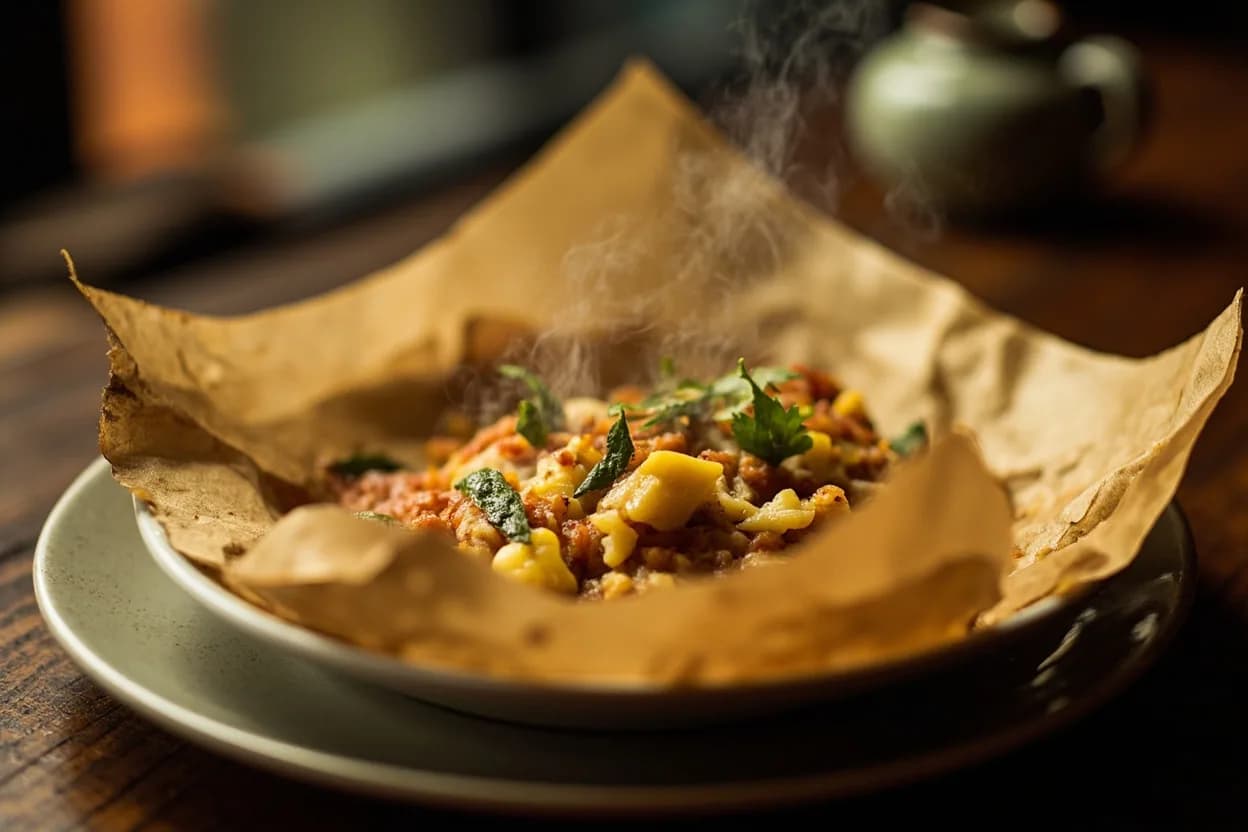
Sopa paraguaya is a dense, savory cornbread of corn flour, cheese, onion, and egg baked until set — not a liquid soup at all. Local legend attributes the name to a 19th-century mishap in the kitchen of Carlos Antonio López, Paraguay's president, where a cook's over-thickened corn soup batter was baked rather than served liquid and the name stuck. It is nearly always served alongside chipa guazú, a looser fresh-corn-and-cheese casserole, as a paired starch course.
Chipa and manioc's central role
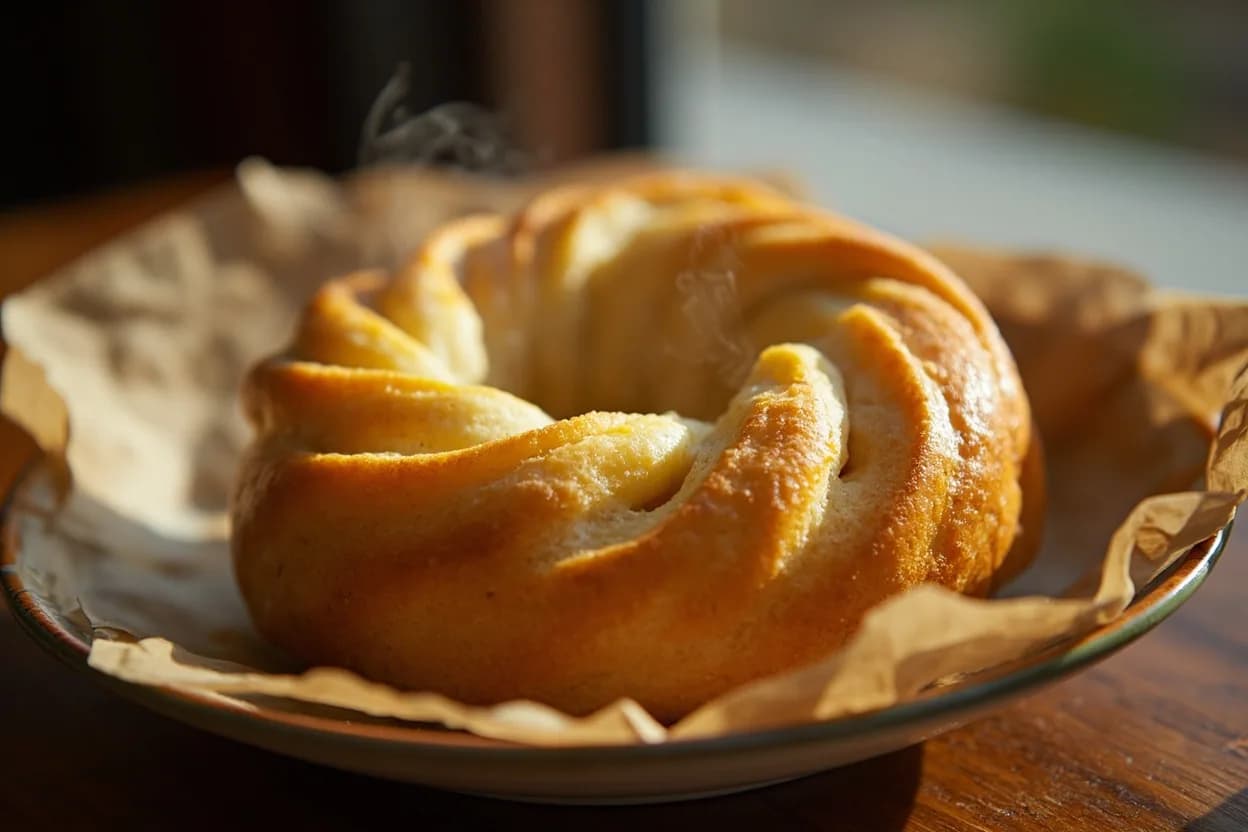
Chipa — a chewy, cheese-studded bread made from manioc starch (almidón agrio, or fermented cassava starch) rather than wheat flour — is Paraguay's most iconic baked good, sold from roadside stalls and stations and especially associated with Easter week (Semana Santa), when families bake large batches. Manioc (mandioca) underlies much of Paraguayan starch cookery, reflecting the country's deep Guaraní agricultural heritage, in which cassava, rather than the potato or maize of the Andes, was the primary domesticated staple crop.
Yerba mate and Guaraní bilingual culture
Paraguay is unusual in Latin America for the everyday, majority use of an Indigenous language, Guaraní, alongside Spanish, and its food culture reflects the same duality: yerba mate — an infusion of dried, ground leaves of Ilex paraguariensis, a plant the Guaraní first cultivated and prepared — is consumed constantly, hot as mate/mate cocido in the cool season and cold with ice as tereré in Paraguay's often searing heat, carried in a shared guampa gourd with a metal bombilla straw as a social ritual rather than a solitary drink.