Caribbean
Dominican
Also: Dominican Cuisine, Cocina Dominicana, Comida Criolla Dominicana
The daily rice-beans-and-stewed-meat plate of la bandera dominicana, breakfast mangú with los tres golpes, and slow-simmered multi-meat sancocho for celebration — a Creole cuisine built on Taíno root vegetables, Spanish rice and pork, and African plantain technique on the shared island of Hispaniola.
Dominican cuisine is the Creole home cooking of the eastern two-thirds of Hispaniola — a tradition unifying Taíno cassava and root-vegetable cultivation, Spanish colonial rice and pork, and West and Central African plantain and frying technique into a daily structure built around white rice, stewed beans (habichuelas), and a stewed or fried meat. It is a cuisine organized by the clock and calendar as much as by ingredient: mangú anchors breakfast, la bandera dominicana anchors the midday meal, and the labor-intensive, multi-meat sancocho is reserved for weekends and celebration.
The flavour base
Sofrito (locally also called sazón) of onion, garlic, bell pepper, cilantro, and culantro, often brightened with a touch of tomato paste; dried oregano as a signature herb note distinct from the fresher herb-forward sofritos of some neighboring islands; sour orange or vinegar with garlic as a meat marinade; achiote (annatto) oil for color in some stews and locrio rice dishes. Seasoning leans savory and herbaceous rather than chile-hot.
Pantry staples
Key ingredients
Signature techniques
Signature dishes
At the table
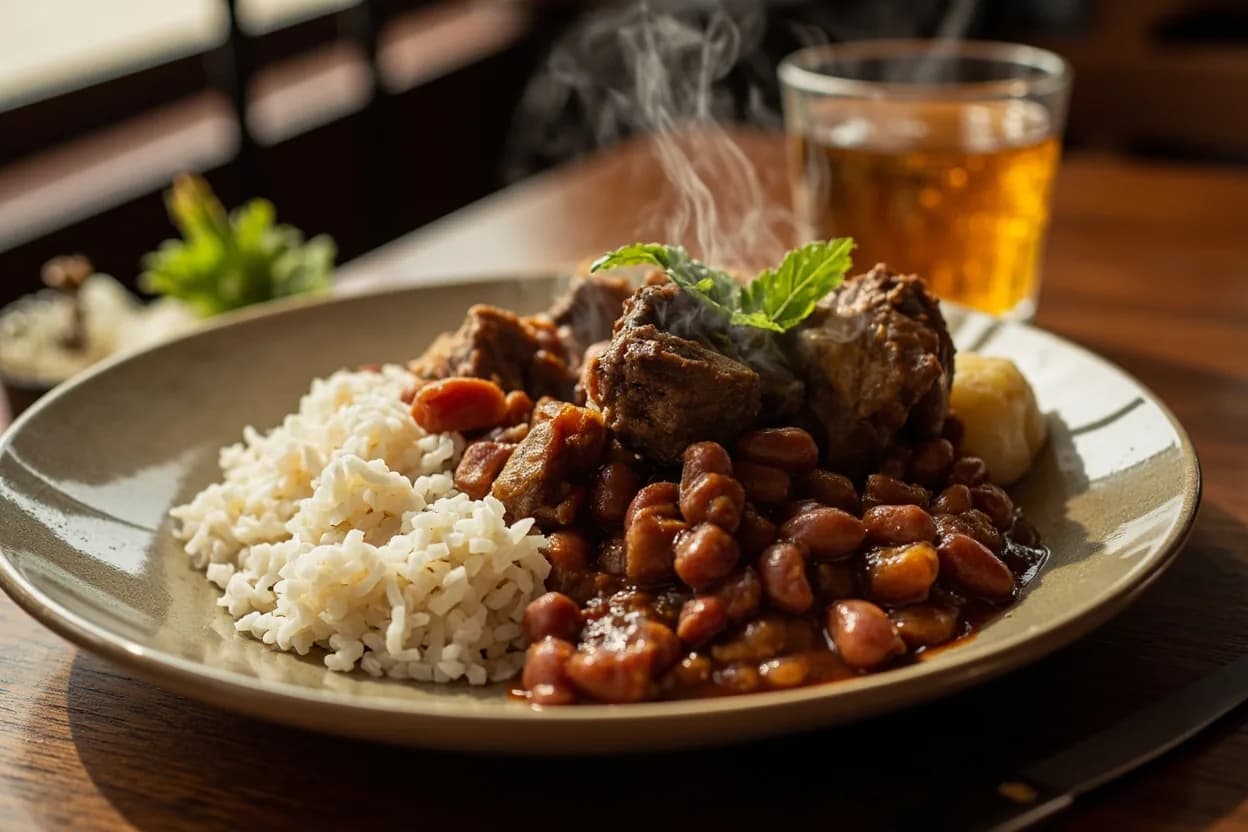
Breakfast centers on mangú with los tres golpes (fried egg, Dominican salami, fried cheese) or, in some households, simply coffee and bread. The midday meal, comida, is built around la bandera dominicana — white rice, habichuelas guisadas, and a stewed or fried meat, plus a simple side salad and often tostones. Dinner tends to be lighter, sometimes a repeat of lunch's components. Weekends and holidays bring out sancocho, simmered for hours with multiple meats and root vegetables, and locrio, a one-pot seasoned rice cooked with meat in the Spanish rice-cookery lineage.
History & context
The island of Hispaniola was home to the Taíno, whose cassava (yuca), corn, and root-vegetable cultivation underlie much of Dominican cooking, before Spanish colonization beginning with Columbus's 1492 landing and the 1496 founding of Santo Domingo — the first permanent European settlement and colonial capital in the Americas — brought catastrophic demographic collapse to the Taíno population. Spain introduced pigs, cattle, rice, wheat, sugar cane, and citrus, developing a plantation economy worked increasingly by enslaved West and Central Africans, whose foodways contributed plantain and root-vegetable technique, okra, and deep-frying methods still central to Dominican cooking. The colonial island was split in 1697 between Spanish Santo Domingo (the Dominican Republic) and French Saint-Domingue (Haiti), giving the two nations sharing one island distinct, if related, culinary trajectories shaped by different colonial kitchens. Dominican cuisine developed its own Creole sofrito-based repertoire — sancocho, la bandera dominicana, mangú — over the 18th and 19th centuries. The mid-20th-century dictatorship of Rafael Trujillo (1930–1961) reshaped much of national life, including food markets and provisioning, without displacing the household cooking repertoire it inherited. Large-scale emigration from the 1960s onward, especially to New York City, built a substantial Dominican diaspora that carries la bandera dominicana, mangú, and sancocho abroad largely unchanged, making these dishes as recognizable in Washington Heights as in Santo Domingo.
Regional variations
- Cibao (interior north)
Considered the culinary heartland; mangú and pork-heavy home cooking dominate, and the region's fertile valley supplies much of the country's rice and produce.
- Southern coast
Greater use of coconut and seafood in some coastal towns, alongside goat-based guisado traditions in the drier south.
- Santo Domingo / urban
Capital's restaurant scene increasingly reinterprets la bandera and sancocho with refined technique while keeping the sofrito-and-rice fundamentals intact.
- Diaspora (New York / Washington Heights)
Large mainland Dominican community preserves la bandera dominicana, mangú, and sancocho largely unchanged, adapting mainly to available ingredients rather than technique.
Related cuisines
Shares yuca, plantain, and rice-and-beans staples; la bandera's stewed meat plus rice and habichuelas closely parallels Cuban moros y cristianos and its accompanying protein.
Close Antillean cousin sharing sofrito, adobo-style marinating, and a rice-and-pigeon-pea or rice-and-bean daily core; both traditions treat whole roast or stewed pork as festive food.
- Spanish
Colonial source of rice cookery (locrio's lineage runs back to Spanish arroz and paella technique), pork, and citrus, Creolized on the island with African and Taíno elements Spain did not bring.
Canonical recipes
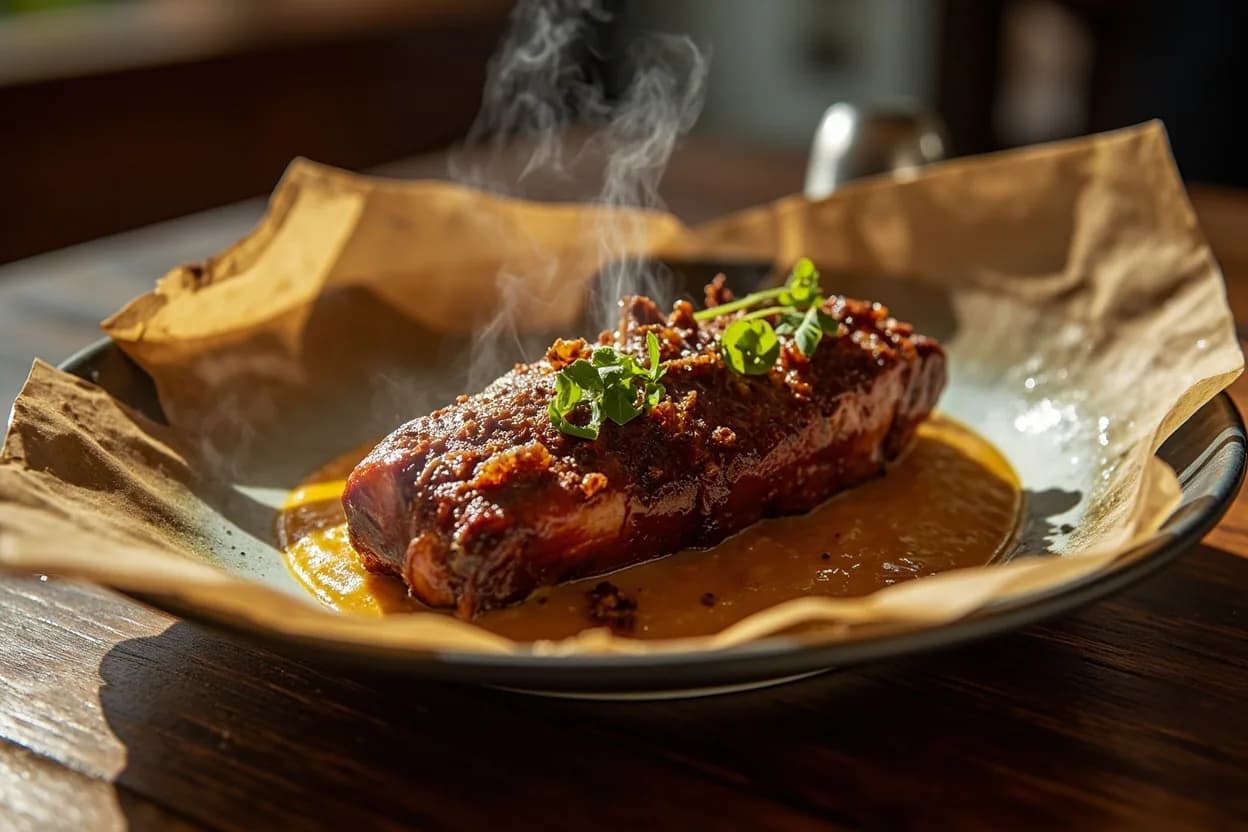
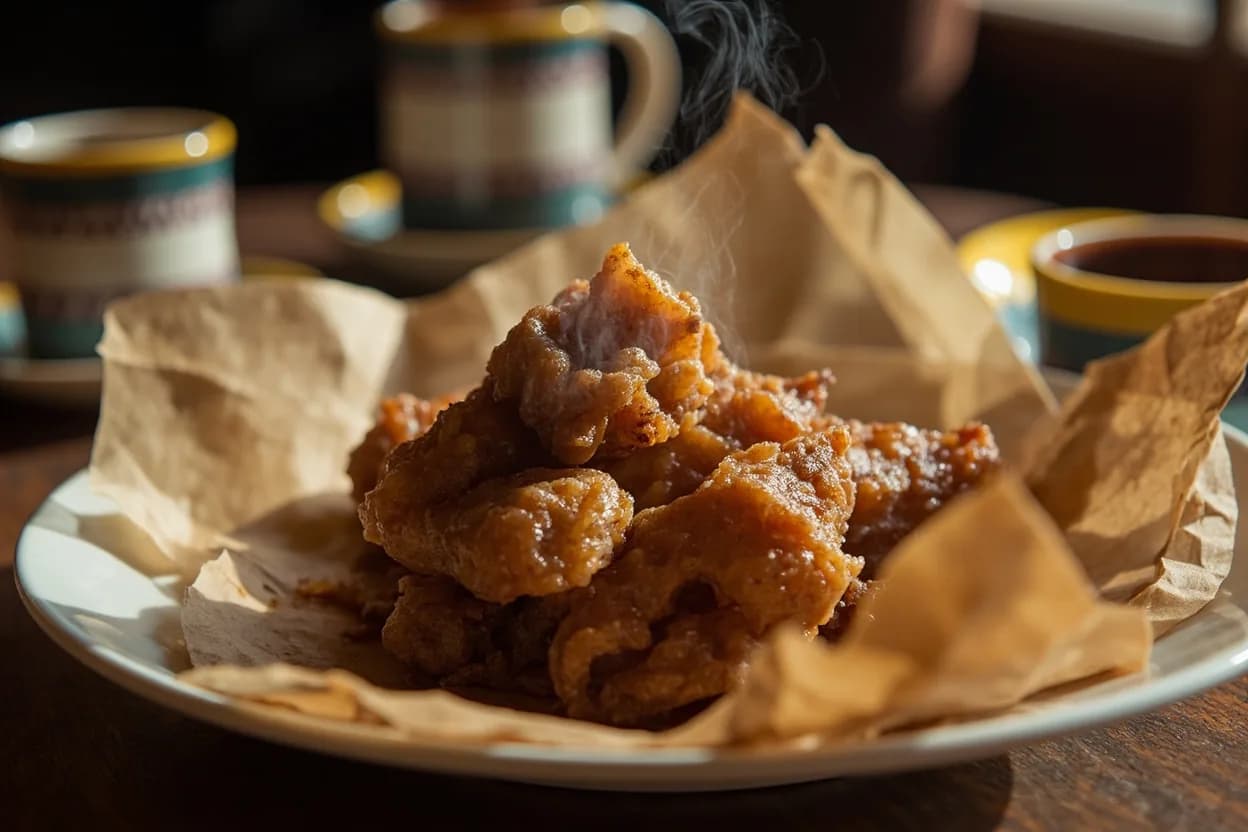
The dishes that define Dominican, documented in the Canon.
References
- 1.Gran Cocina Latina: The Food of Latin America — Maricel Presilla (W.W. Norton, 2012)
- 2.The Dictator's Seduction: Politics and the Popular Imagination in the Era of Trujillo — Lauren Derby (Duke University Press, 2009)
- 3.Sweetness and Power: The Place of Sugar in Modern History — Sidney W. Mintz (Viking Penguin, 1985)
Confidence: medium
Notes
La bandera dominicana
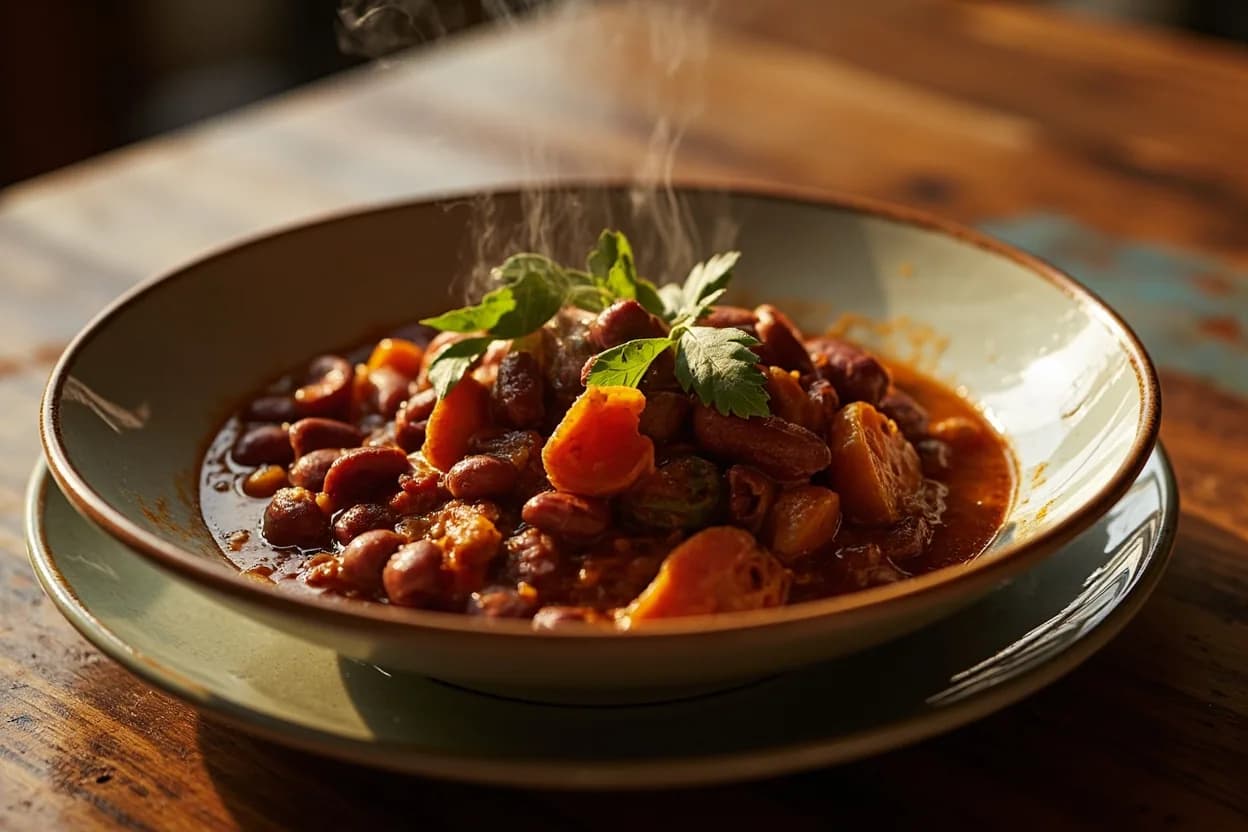
La bandera dominicana ('the Dominican flag') is the archetypal lunch plate — white rice, habichuelas guisadas (stewed red or pink beans), and a stewed or fried meat, usually alongside a simple salad and sweet fried plantain — eaten so consistently across class and region that it functions as a kind of edible national symbol rather than just a common meal. Its near-universality on the island make it the closest single dish to a Dominican culinary identity.
Los tres golpes
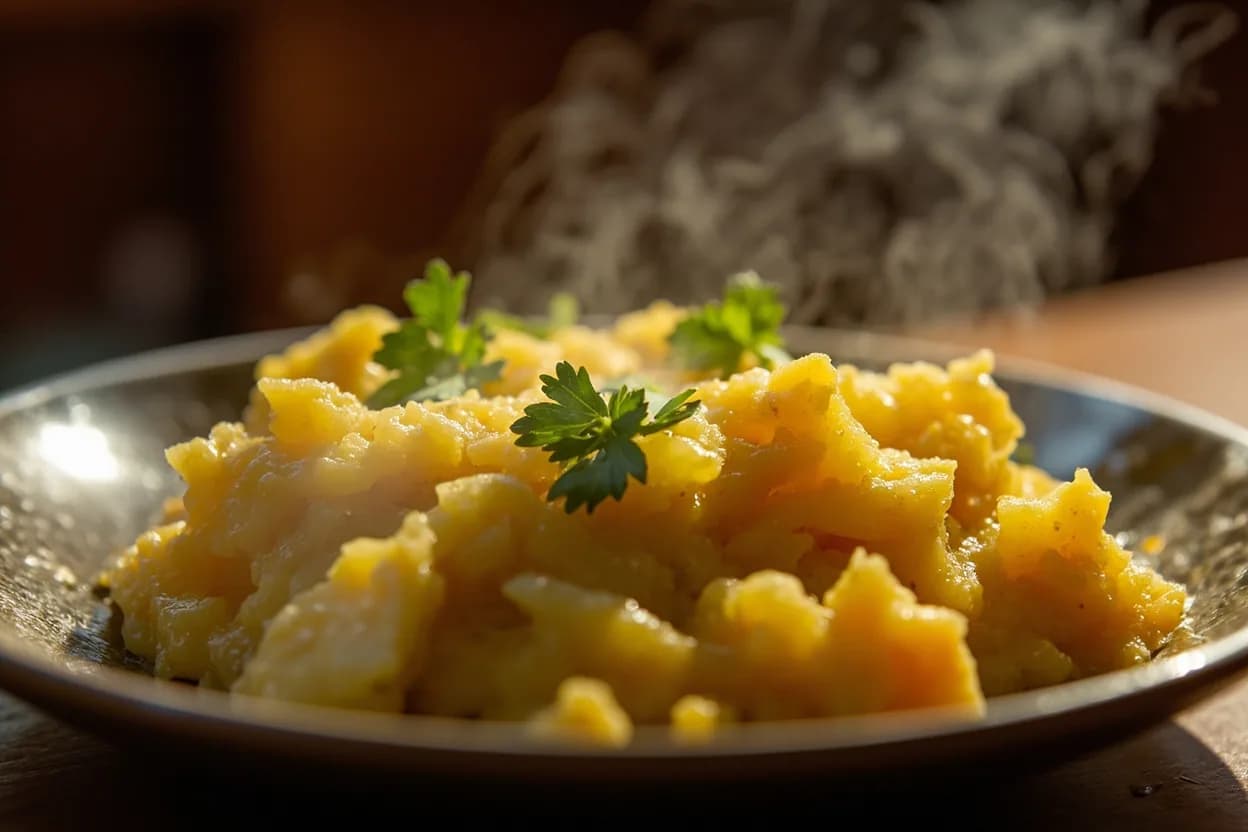
Mangú, boiled and mashed green plantain finished with sautéed red onions, is traditionally served for breakfast as part of los tres golpes ('the three hits' or 'three strikes') — mangú plus fried eggs, fried Dominican salami, and fried queso de freír (a firm, mild frying cheese). The trio is considered incomplete without all three components, and remains one of the most widely eaten breakfasts on the island.
Sancocho as celebration
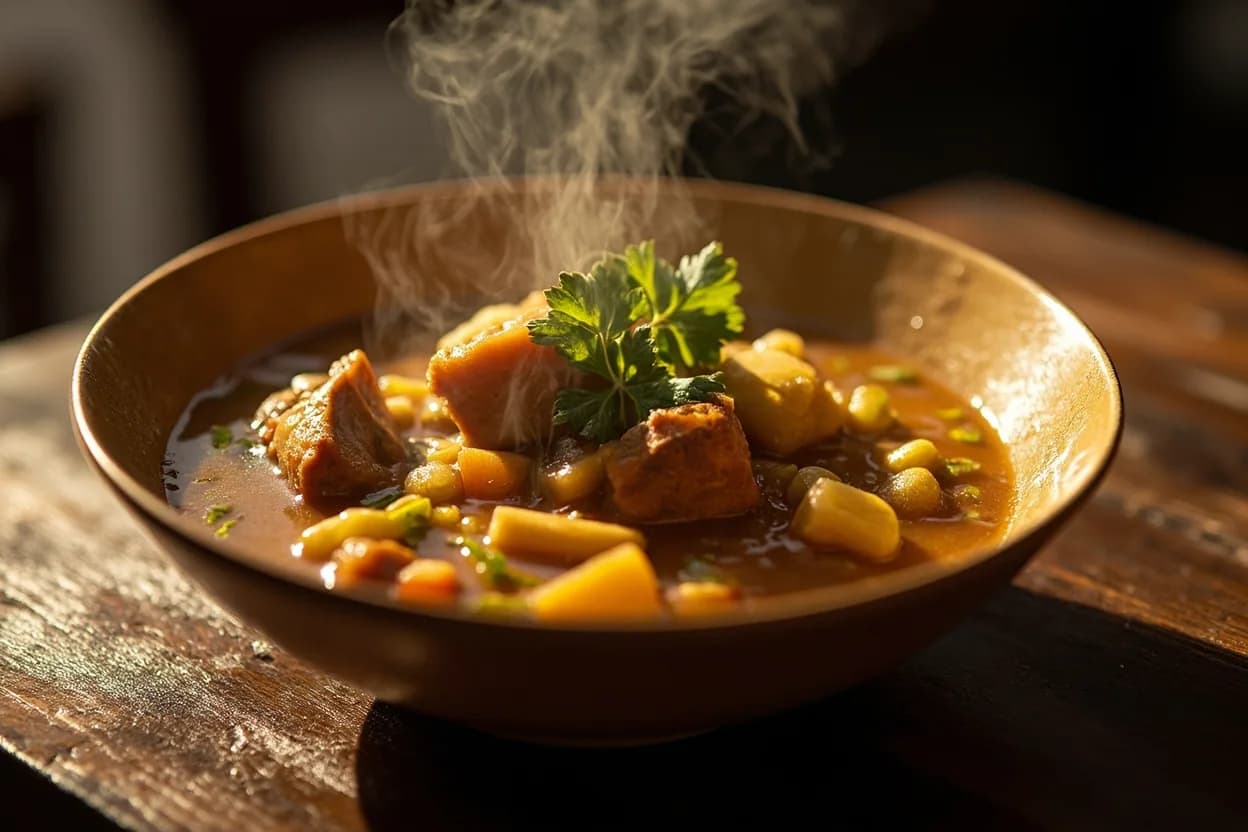
Sancocho, a hearty stew traditionally built from up to seven different meats (chicken, beef, pork, and longaniza sausage among them) simmered with yuca, plantain, and other root vegetables, is reserved for weekends, holidays, and gatherings rather than everyday eating — its long cooking time and meat-heavy ingredient list historically marked it as festive food, a status it retains even as home refrigeration has made the ingredients easier to keep on hand.