Caribbean
Puerto Rican
Also: Puerto Rican Cuisine, Cocina Criolla, Boricua Cooking
A Creole island cuisine built on sofrito grounded in recao and ají dulce, achiote-gold sazón and adobo, whole roast lechón, and the pounded green-plantain mash of mofongo — Taíno cassava, Spanish livestock and rice, and West African technique folded together across five centuries.
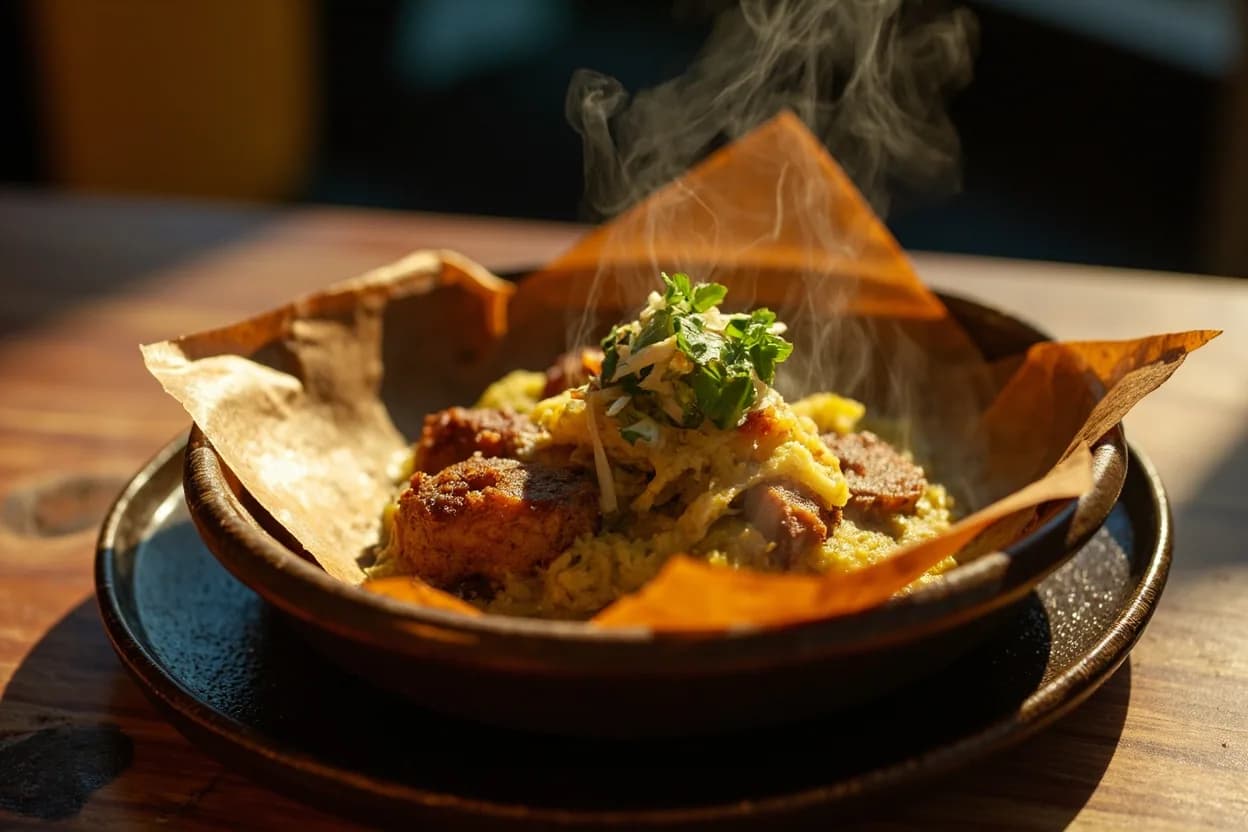
Puerto Rican cuisine is a Creole tradition unifying Taíno root-vegetable cookery, Spanish colonial livestock and rice technique, and West African frying and plantain technique into cocina criolla — a home-cooking repertoire structured around sofrito (built on recao and ají dulce rather than hot chiles), the dry adobo rub, and achiote-colored sazón. It is a cuisine of slow-marinated roast pork, root-vegetable starches (viandas), and rice-and-legume staples, with a parallel deep-fried snack tradition (frituras) of plantain and codfish fritters, carried in near-identical form between the island and its large mainland diaspora.
The flavour base
Sofrito of recao (culantro), ají dulce (a mild, sweet, non-spicy Capsicum chinense pepper, not to be confused with hot chiles), cubanelle or green bell pepper, onion, garlic, and cilantro, usually blended rather than diced fine; adobo, a dry or wet rub of garlic, dried oregano, black pepper, and salt (often with a splash of olive oil or vinegar), applied hours ahead of roasting; sazón, a seasoning blend built on annatto (achiote) for its orange-gold color plus ground coriander, cumin, and garlic. Vinegar and sour orange appear as marinade acids rather than finishing brightness.
Pantry staples
Key ingredients
Signature techniques
Signature dishes
At the table
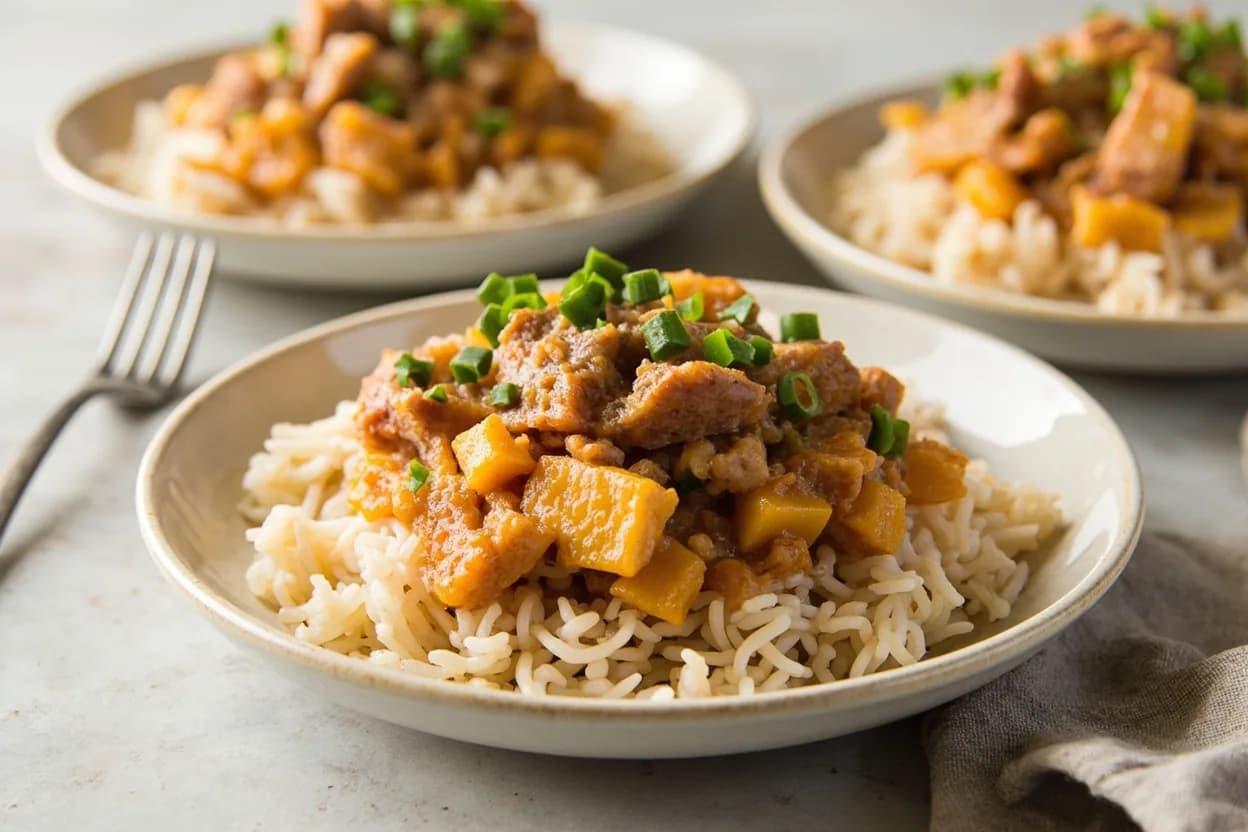
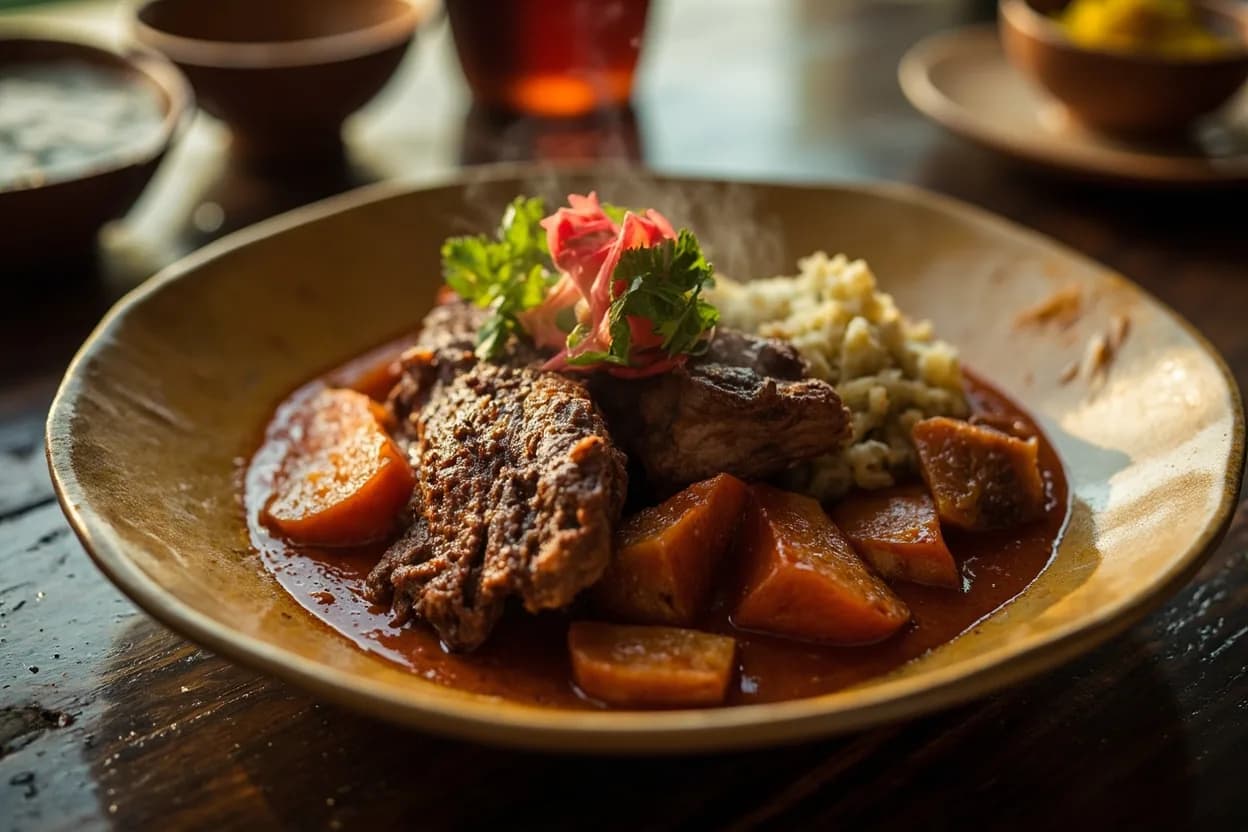
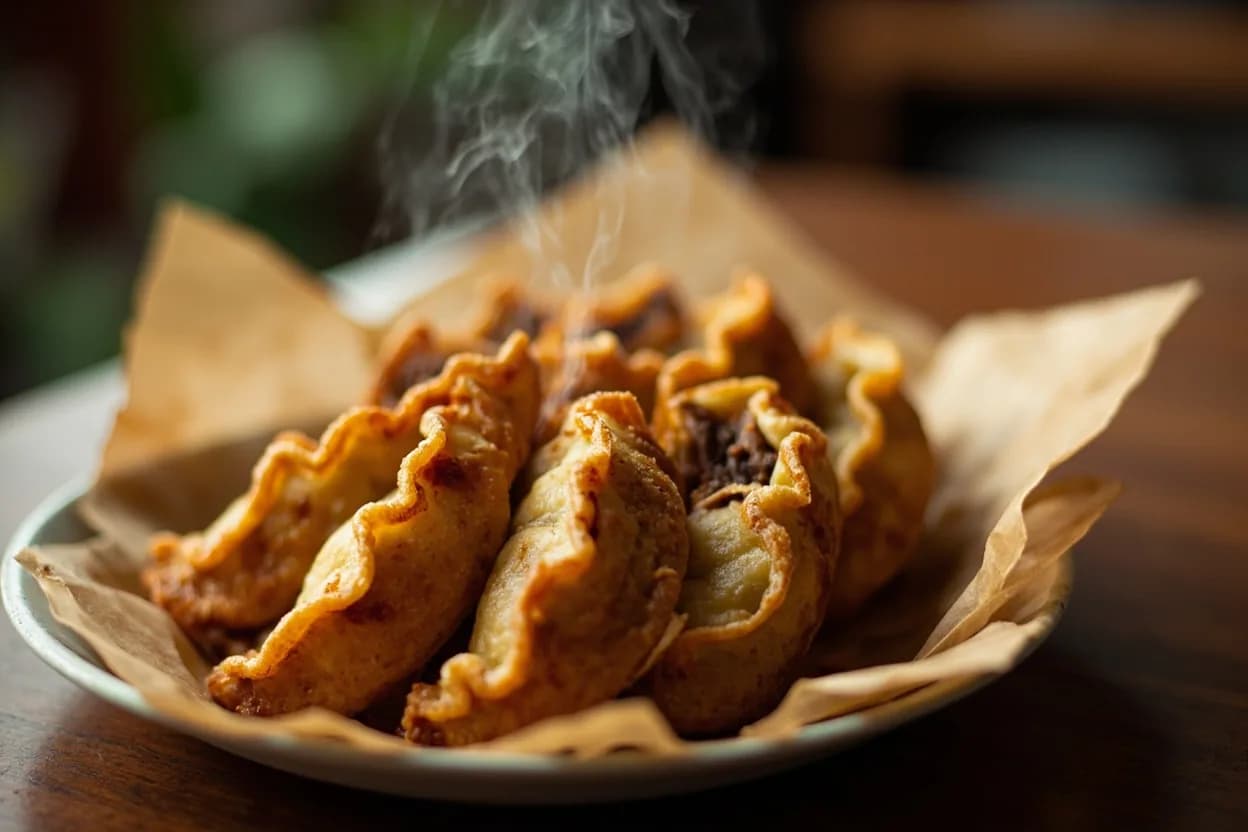
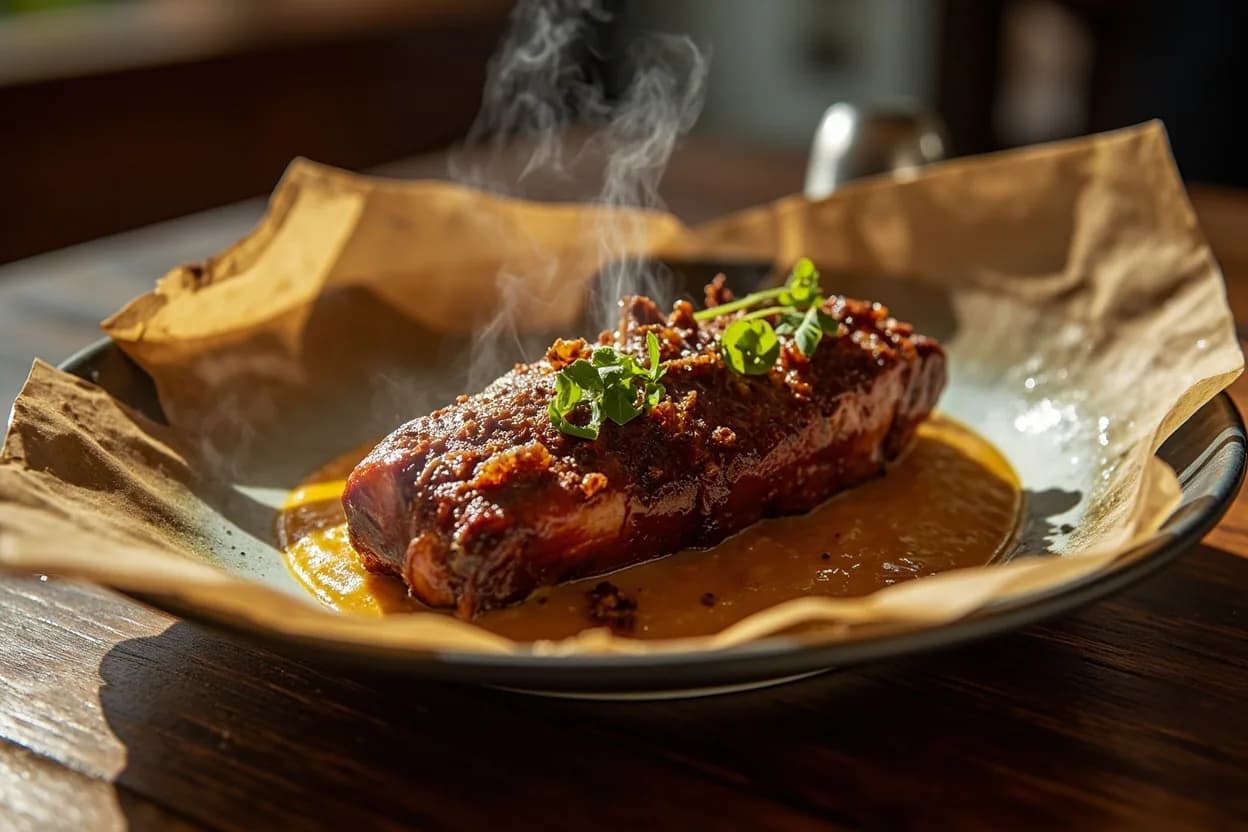
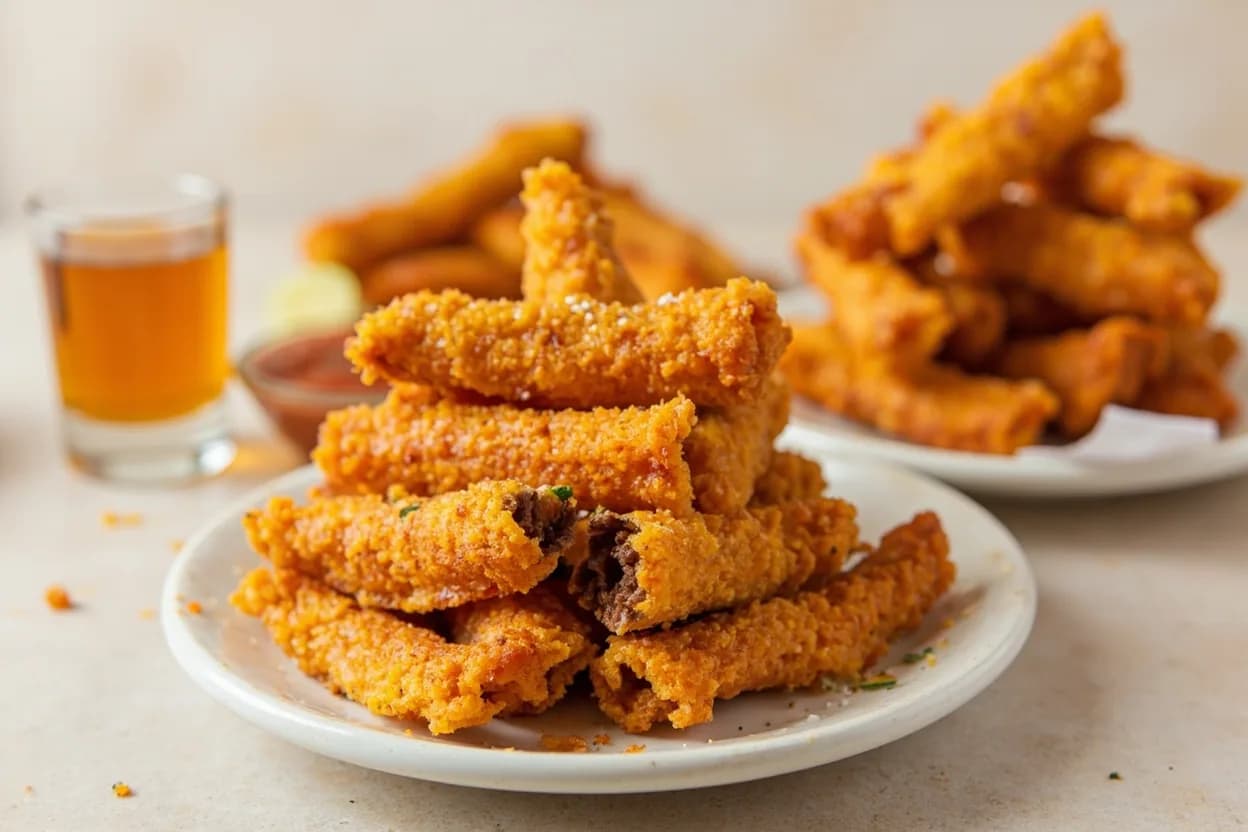
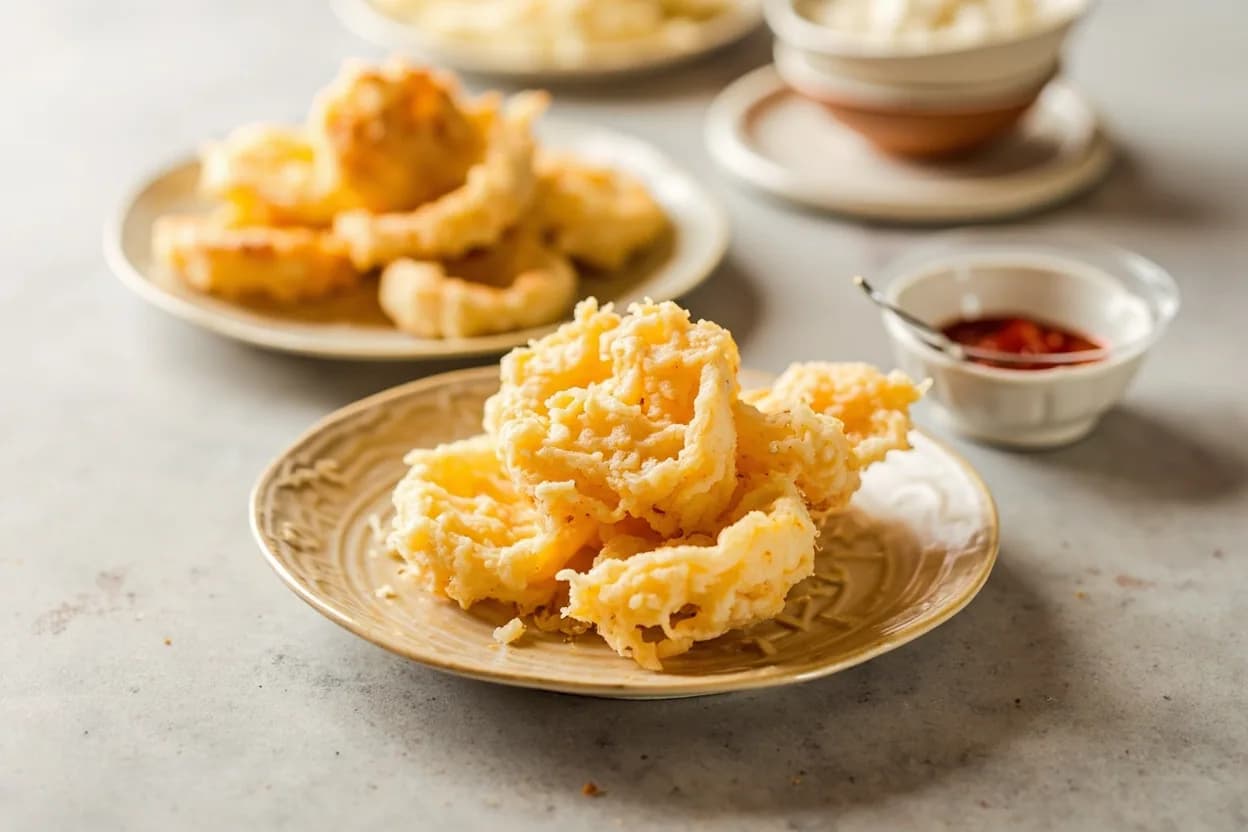
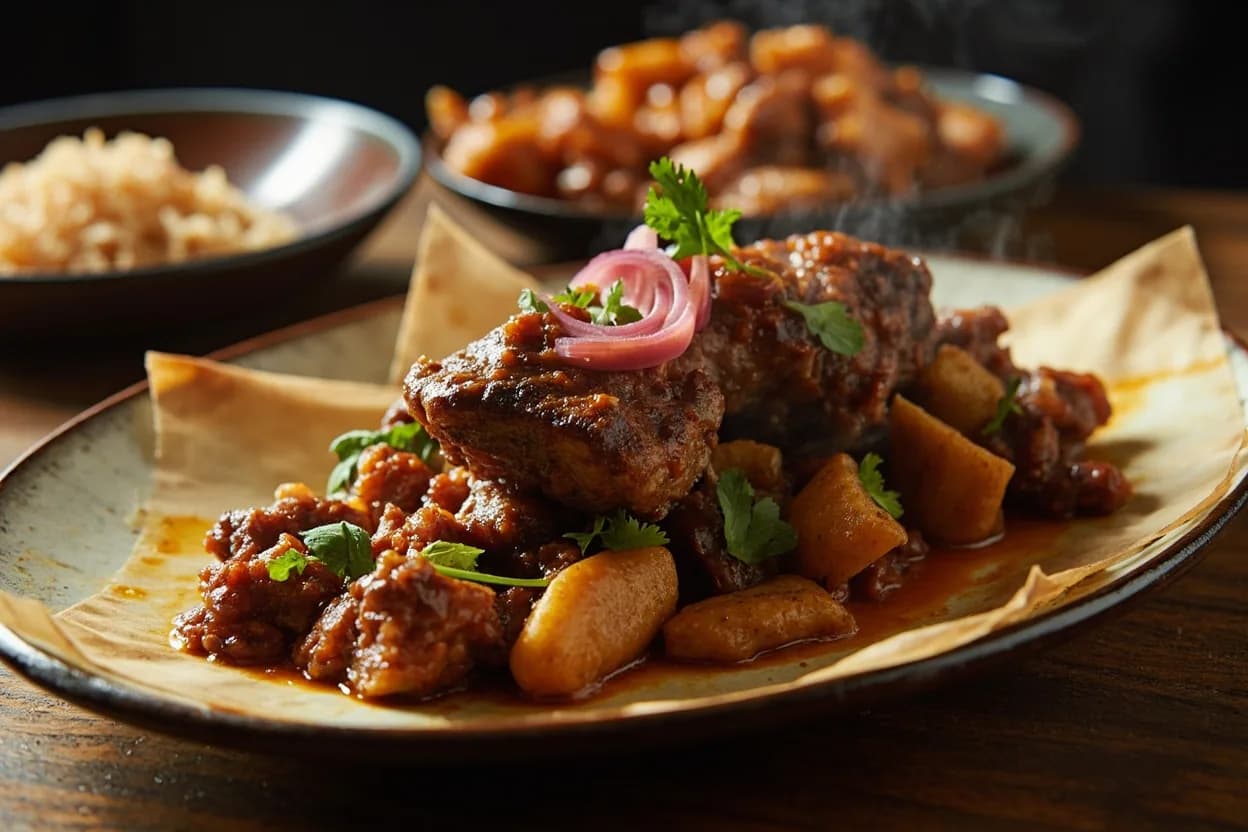
The everyday plate pairs white rice with habichuelas or gandules (pigeon peas) and a stewed or roasted protein, alongside viandas — starchy roots like yautía, batata, and green plantain — boiled or mashed. Breakfast is often simple (coffee, bread, or mallorca sweet rolls); the biggest meal is midday comida, historically tied to agricultural labor. Frituras — alcapurrias, bacalaitos, empanadillas — are street and beach-side snack food rather than meal components. Christmas season (Las Navidades, which stretches into January with Three Kings' Day) centers on whole roast pork (lechón asado, often spit-roasted at a lechonera) and pasteles, banana-leaf-wrapped root-vegetable masa parcels made in laborious family assembly lines.
History & context
Puerto Rico's food begins with the Taíno, whose cassava (yuca), corn, and use of ají peppers left a lasting imprint on the island's root-vegetable and chili vocabulary before Spanish colonization from 1493 brought devastating demographic collapse. Spain introduced pigs, cattle, rice, wheat, olive oil, citrus, and sugar cane, developing plantation agriculture worked first by dwindling Taíno labor and increasingly by enslaved West and Central Africans, who contributed plantain cookery, okra, gumbo-adjacent techniques, and the deep-frying repertoire (alcapurrias, bacalaitos) still central to the cuisine. Three and a half centuries of Spanish rule produced cocina criolla, the Creole home cooking built on sofrito, adobo, and sazón. The United States took control of Puerto Rico in 1898 following the Spanish-American War, and 1917's Jones-Shafroth Act extended US citizenship, accelerating 20th-century migration to New York City — the Great Migration of the 1950s in particular built a large Puerto Rican community in East Harlem and the South Bronx, giving rise to Nuyorican cuisine, a diaspora variant that adapted island cooking to mainland ingredients and pace. Carmen Aboy Valldejuli's 1954 cookbook Cocina Criolla codified island home cooking for a mass audience just as that migration was underway, helping the tradition travel intact. Today cocina criolla remains vital both on the island and across the mainland diaspora, with lechón asado, mofongo, and pasteles continuing to anchor family and holiday cooking.
Regional variations
- Mountainous interior (jíbaro cuisine)
Rural highland tradition leaning heavily on viandas, home-raised pork, and coffee cultivation; considered the cultural heartland of cocina criolla.
- Coastal towns
Greater emphasis on seafood, bacalaitos, and beach kiosk fritura culture, particularly along the north and west coasts.
- San Juan / urban
Restaurant-driven 'cocina criolla moderna' movement reinterprets classics with refined plating while keeping sofrito and adobo fundamentals intact.
- Mainland diaspora (Nuyorican)
New York and other mainland communities adapted cocina criolla to available ingredients and faster urban schedules, standardizing dishes like pernil and rice-and-beans as everyday rather than only festive food.
Related cuisines
Shares the sofrito and mojo-adjacent marinade base and a rice-and-beans core, diverging in Puerto Rico's greater reliance on ají dulce and achiote-based sazón versus Cuba's sour-orange mojo criollo.
Close Antillean cousin sharing plantain, rice-and-beans, and pork-roasting traditions; Dominican la bandera and Puerto Rican rice-and-gandules plates follow a near-parallel daily structure.
- Spanish
Colonial source of rice technique, pork, olive oil, and citrus; Puerto Rican cooking Creolizes and simplifies Spanish stews rather than reproducing them directly, and layers in Taíno and African elements Spain did not supply.
Canonical recipes
The dishes that define Puerto Rican, documented in the Canon.
References
- 1.Eating Puerto Rico: A History of Food, Culture, and Identity — Cruz Miguel Ortiz Cuadra, trans. Russ Davidson (University of North Carolina Press, 2013)
- 2.Puerto Rican Cookery — Carmen Aboy Valldejuli (Pelican Publishing, rev. ed. 1983; orig. published in Spanish as Cocina Criolla, 1954)
- 3.Gran Cocina Latina: The Food of Latin America — Maricel Presilla (W.W. Norton, 2012)
Confidence: high
Notes
Carmen Aboy Valldejuli and the codification of cocina criolla
Carmen Aboy Valldejuli's Cocina Criolla (1954), later published in English as Puerto Rican Cookery, did for Puerto Rican home cooking what Fannie Farmer did for New England's — it standardized measurements and technique for dishes that had previously lived only in oral, by-feel family instruction. Generations of Puerto Rican households on the island and in the diaspora learned sofrito ratios, adobo proportions, and pasteles technique from her book, making it the closest thing the cuisine has to a single authoritative text.
Recao versus cilantro
Puerto Rican sofrito leans on recao (culantro, Eryngium foetidum), a serrated, sawtooth-leafed herb related to but distinct from cilantro, with a similar but more concentrated, slightly musky flavor that holds up better under long cooking. Home cooks often use both — recao for the base sofrito, cilantro for a fresher finishing touch — a distinction that separates island cocina criolla from Mexican or South American sofrito-adjacent bases built on cilantro alone.
The pilón and mofongo
Mofongo is mashed, not fried-and-served-whole, and its texture depends on the pilón, a wooden mortar and pestle believed to descend from tools used by the Taíno and reinforced by West African mortar-and-pestle traditions brought by enslaved cooks. Green plantains are fried, then pounded in the pilón with garlic, olive oil, and chicharrón (fried pork skin) until they form a coarse, savory mash — traditionally served still packed in the mortar's dome shape, upended onto the plate.