Eastern Europe
Moldovan
Also: Moldovan Cuisine, Bucătăria Moldovenească
A Romanian-language sister cuisine to Romania's Moldavian region — mămăligă, plăcintă, zeamă, and sarmale — layered onto one of the world's oldest and largest per-capita wine cultures, with Gagauz, Ukrainian, and Russian minority threads.
Moldovan cooking is, honestly, largely the same cuisine as Romania's historical Moldavia region on the other side of the Prut river: the same mămăligă-and-borș grammar, the same sarmale and plăcintă, expressed in the same Romanian language. What distinguishes the country's food culture is not a different peasant cookery but an exceptionally developed wine industry — Moldova is one of the highest per-capita wine producers on earth, with cellar cities (Cricova, Mileștii Mici) carved into limestone galleries — plus minority culinary layers (Gagauz Turkic, Ukrainian, Russian) from its Soviet-era administrative history that Romania's Moldavia did not share.
The flavour base
The same base as Romanian Moldavia: pork fat and sunflower oil, sweet paprika, dill, bay leaf, garlic as a raw table condiment, and a fermented-bran borș or plum-based sour for soups. Smântână (sour cream) and brânză (fresh sheep's or cow's cheese) round out nearly every savory dish. Wine itself functions as a flavoring and pairing element more consciously than in most Balkan cuisines, given the household expectation of a home cellar.
Pantry staples
Key ingredients
Signature techniques
Signature dishes
At the table
Lunch is the traditional anchor meal, opening with a sour soup (zeamă or ciorbă) and centering on a meat dish with mămăligă, cheese, and sour cream on the side. Bread and mămăligă both appear, often at the same meal. Sunday and holiday tables add plăcintă (filled flatbread/pastry, sweet or savory) and are inseparable from a home-made or family-sourced wine, poured generously and expected at nearly any hospitality occasion — offering a guest wine is close to obligatory. Preserved vegetables (murături) accompany most winter meals.
History & context
Historic Moldavia was a single Romanian-language principality until the 1812 Treaty of Bucharest split it at the Prut river: the western part joined what became modern Romania, while Bessarabia (the eastern part, roughly today's Moldova) passed to the Russian Empire. That split is the central fact of Moldovan food history — the peasant cooking stayed essentially the same Romanian-Moldavian tradition, but the political container changed. Ottoman influence had already given the region the sarma/dolma stuffed-leaf family, corn (hence mămăligă) and yogurt-adjacent dairy before 1812, same as in Romania. Under Russian imperial and then, from 1940 (with a wartime interruption), Soviet Moldavian SSR rule, food policy diverged sharply from Romania's: Soviet collectivization concentrated the region's already-strong viticulture into large state wineries and vast underground cellar systems (Cricova, Mileștii Mici) built in former limestone quarries, turning wine into an industrial as well as a peasant product, while also administratively drawing in Ukrainian and Russian culinary habits and settling a historic Gagauz Turkic Christian minority in the south with its own separate food traditions. Independence in 1991 did not reverse the shared Romanian-language culinary base, which persisted through the Soviet period at the household level even as it disappeared from state agriculture; today's Moldovan kitchen is best read as Romanian Moldavian peasant cooking that kept its language and its dishes while its wine industry took an entirely different, much larger-scale path.
Regional variations
- Gagauzia (south)
Home to the Gagauz, a Turkic-speaking Orthodox Christian minority, with its own soup and pastry traditions distinct from the Romanian-language majority cuisine.
- Northern Moldova (Bălți region)
Closer culinarily to Ukrainian foodways given proximity and historic population movement, with borscht-style beet soups appearing alongside zeamă.
- Transnistria
A breakaway eastern strip with a Russian/Ukrainian-majority population and correspondingly more Russian-style cooking than the rest of the country.
- The wine regions (Codru, Purcari, Cricova)
Wine production is intensive enough here to shape the local economy and cuisine's self-image distinctly from the rest of the country, with wine tourism now a genuine culinary industry.
Related cuisines
The closest relationship in this encyclopedia: same language, same mămăligă/sarmale/plăcintă/zeamă-borș grammar, split only by an 1812 political border; Moldova's distinguishing feature is its far larger, more industrialized wine sector and its Soviet-era minority layers, which Romanian Moldavia did not experience the same way.
Shares borscht-adjacent souring and dumpling forms (colțunași/vareniki) through shared Soviet-era administration and northern-border proximity; diverges in Moldova's Romanian-language base and much stronger household wine tradition.
- Russian
Shares some Soviet-era institutional food habits and räcituri-style aspics; diverges sharply in language, in the mămăligă staple, and in Moldova's wine culture, which has no equivalent weight in Russian cooking.
Shares the sarma family and fruit-brandy distilling culture as common wider Balkan-Ottoman inheritance; diverges in Serbia's kajmak and roštilj grill traditions, which Moldova does not have.
Canonical recipes
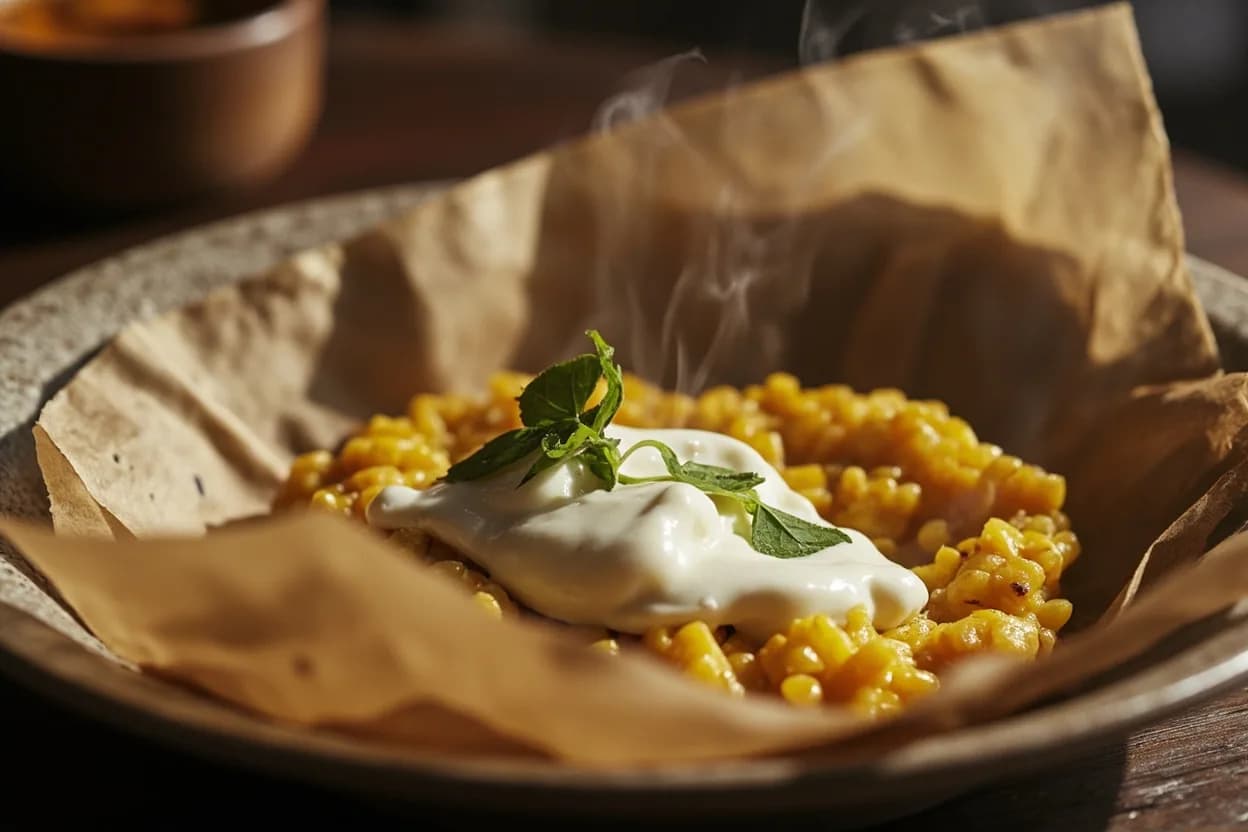
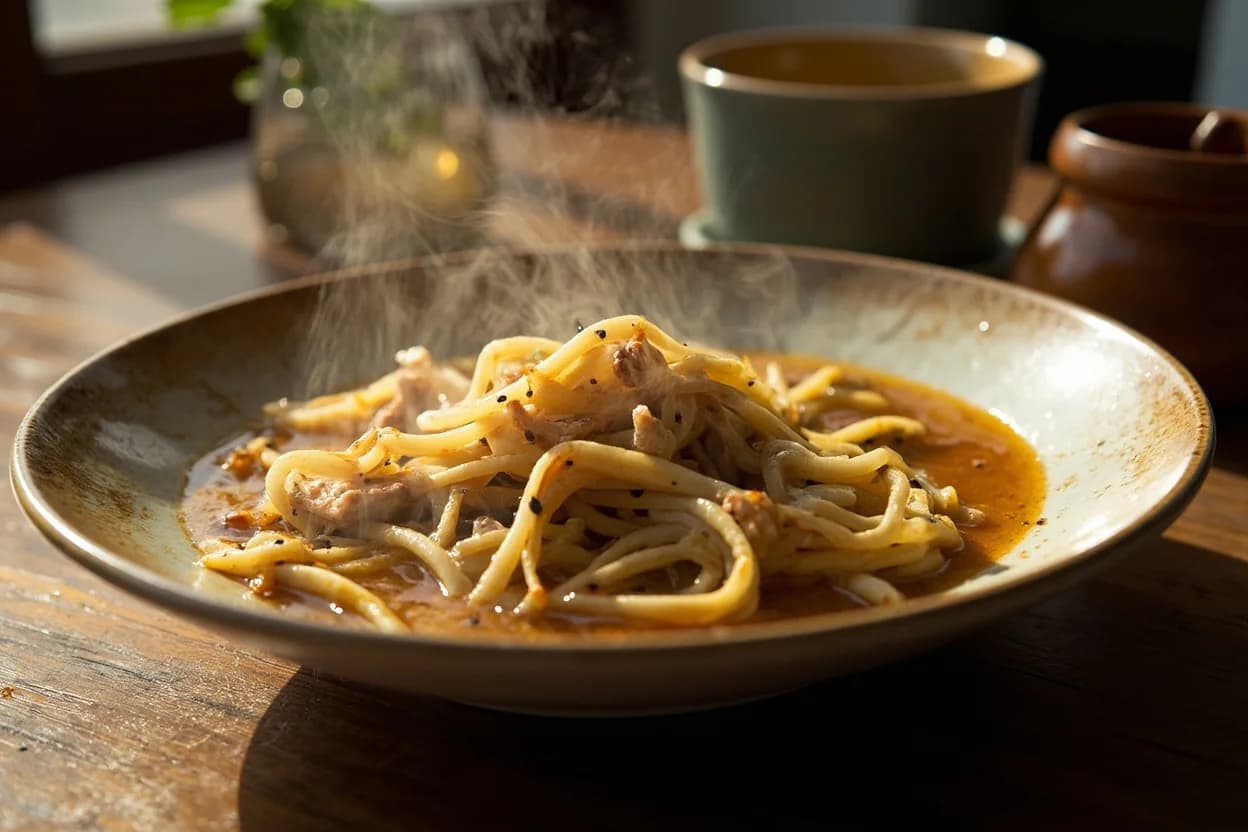
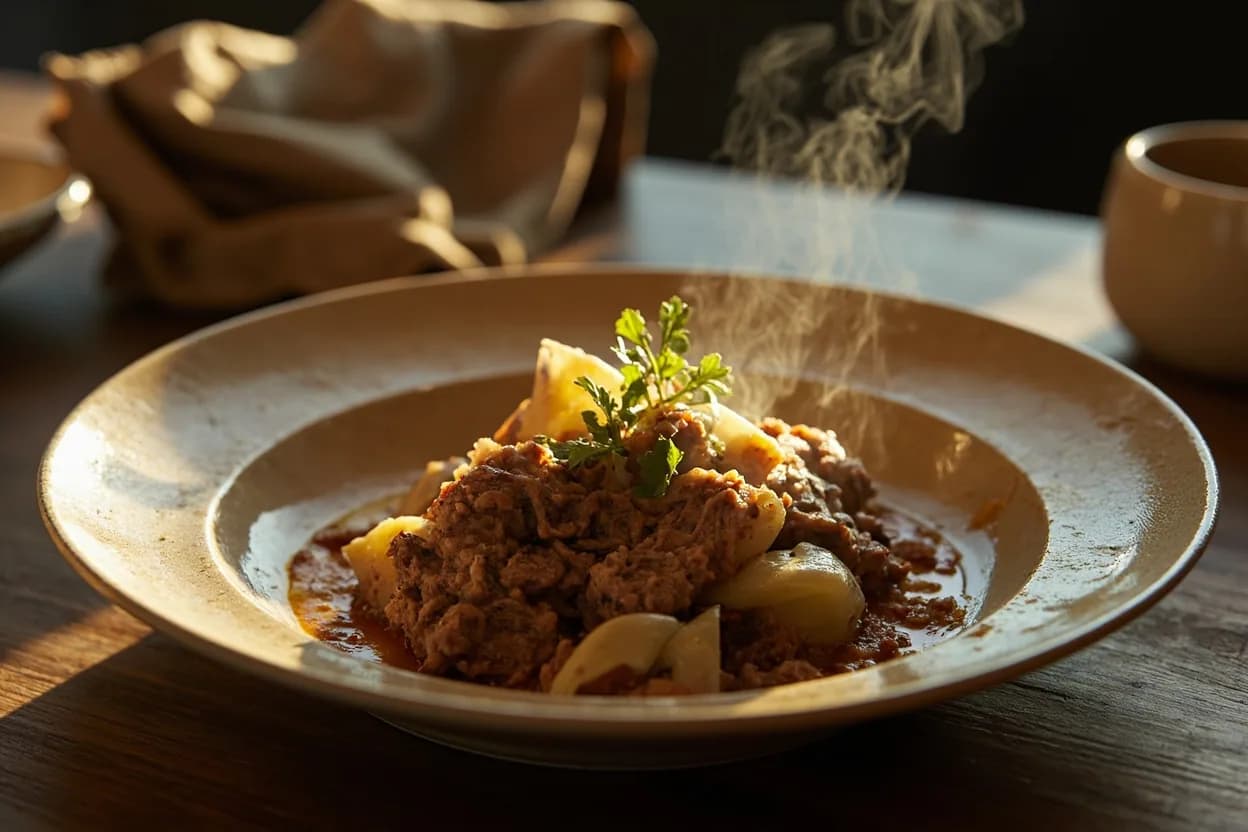
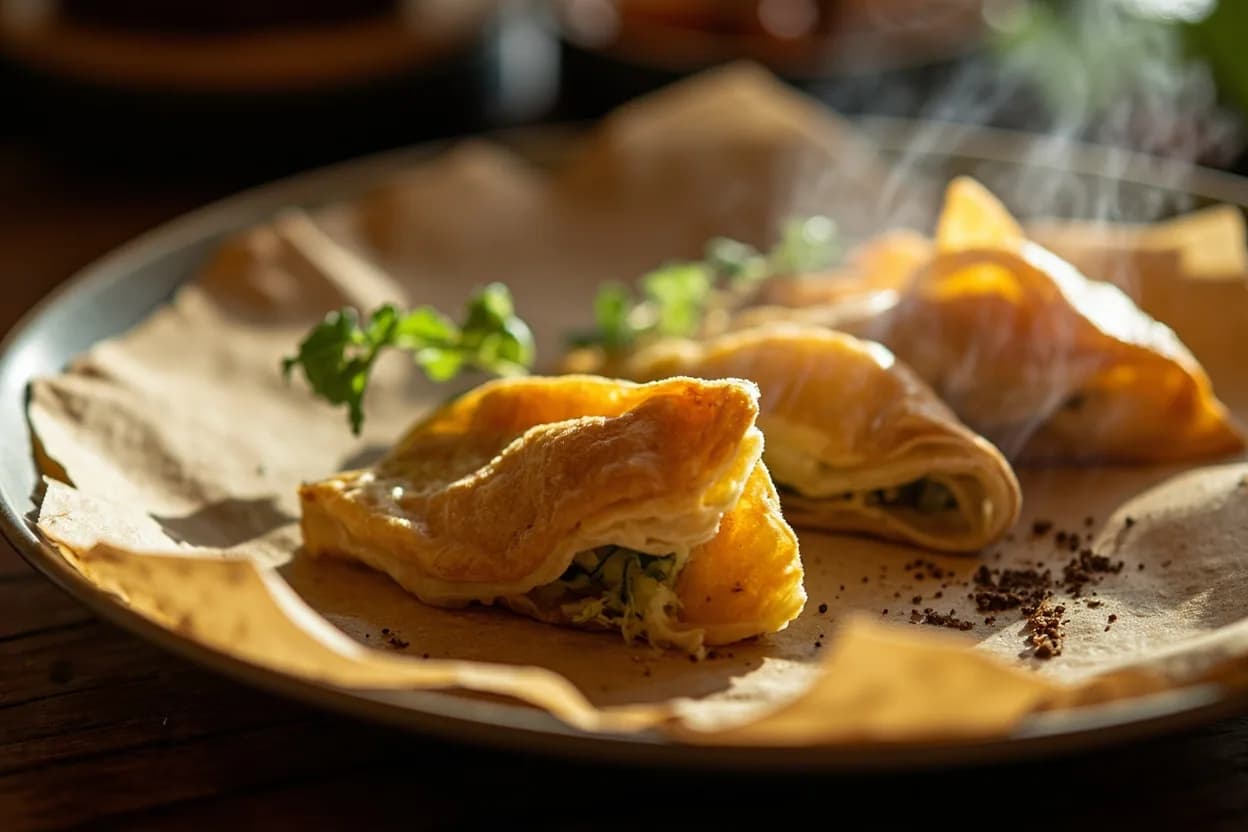
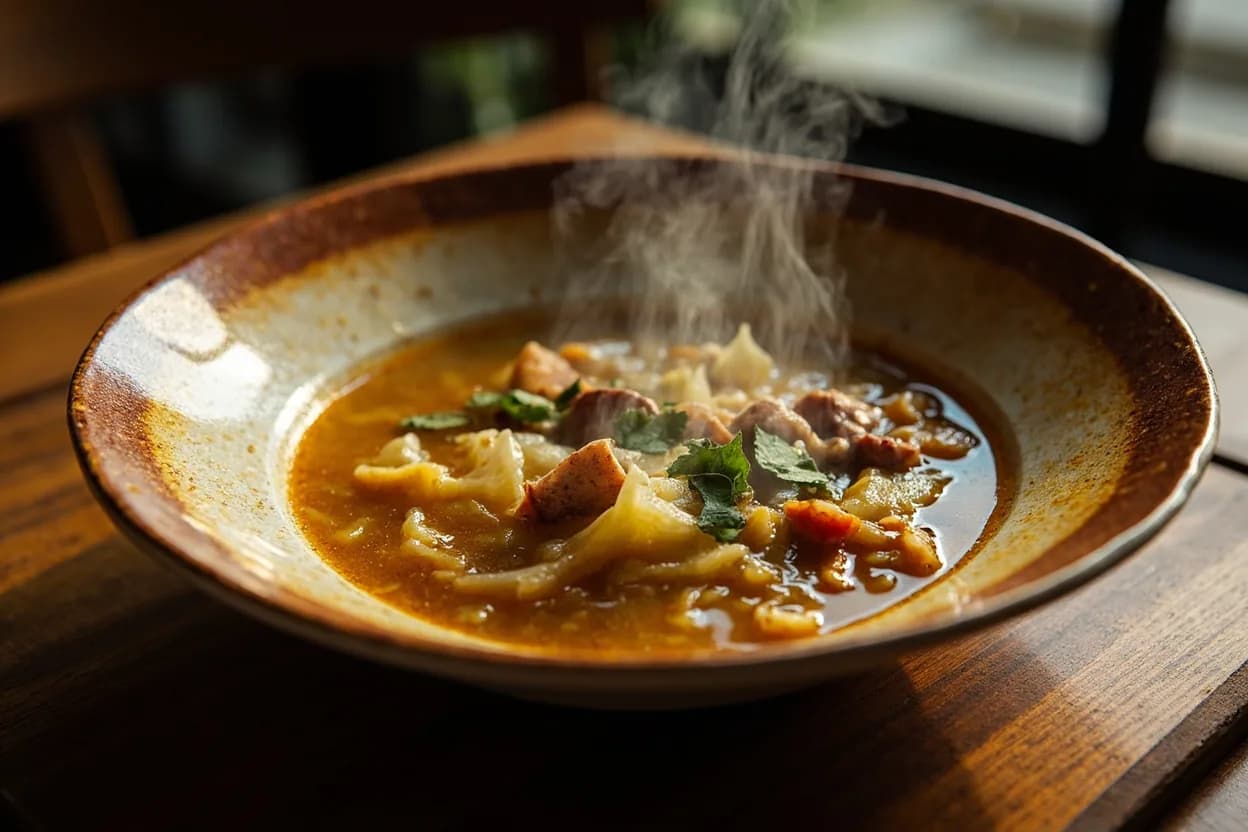
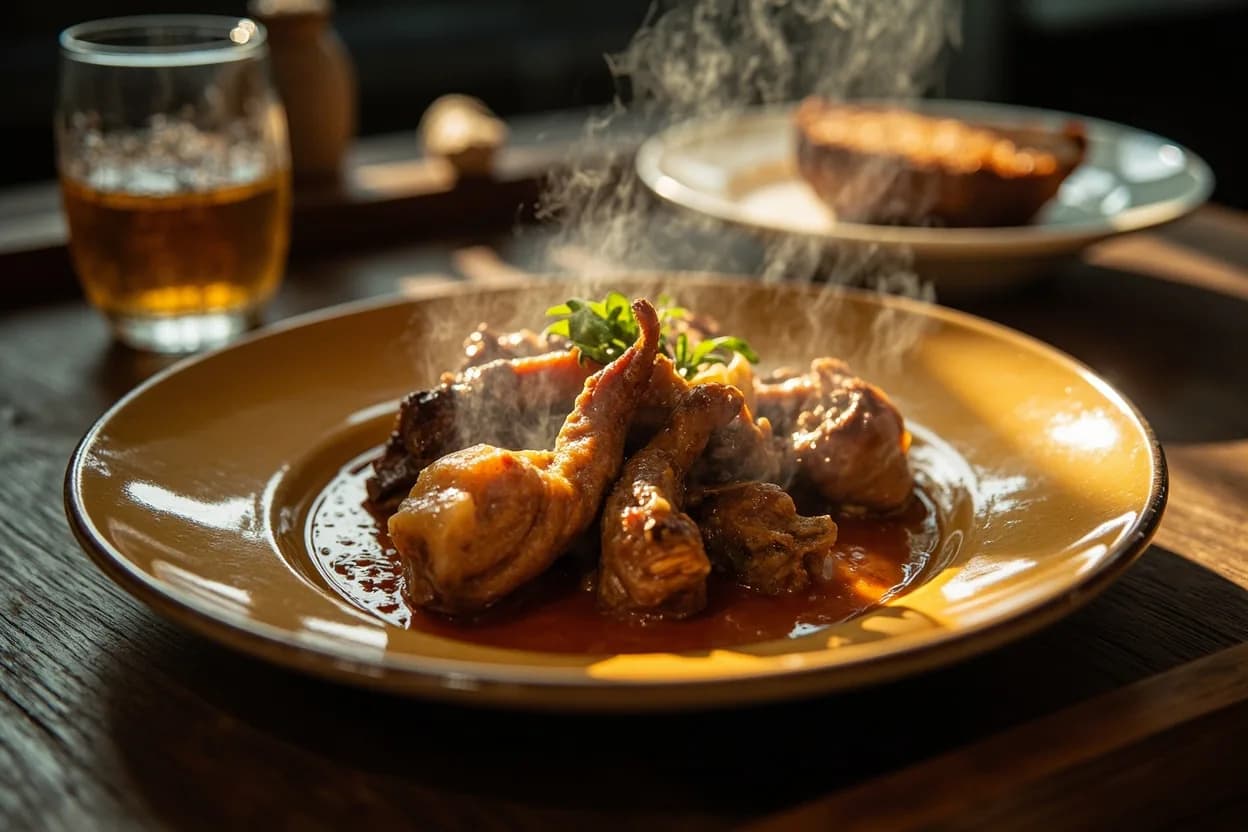
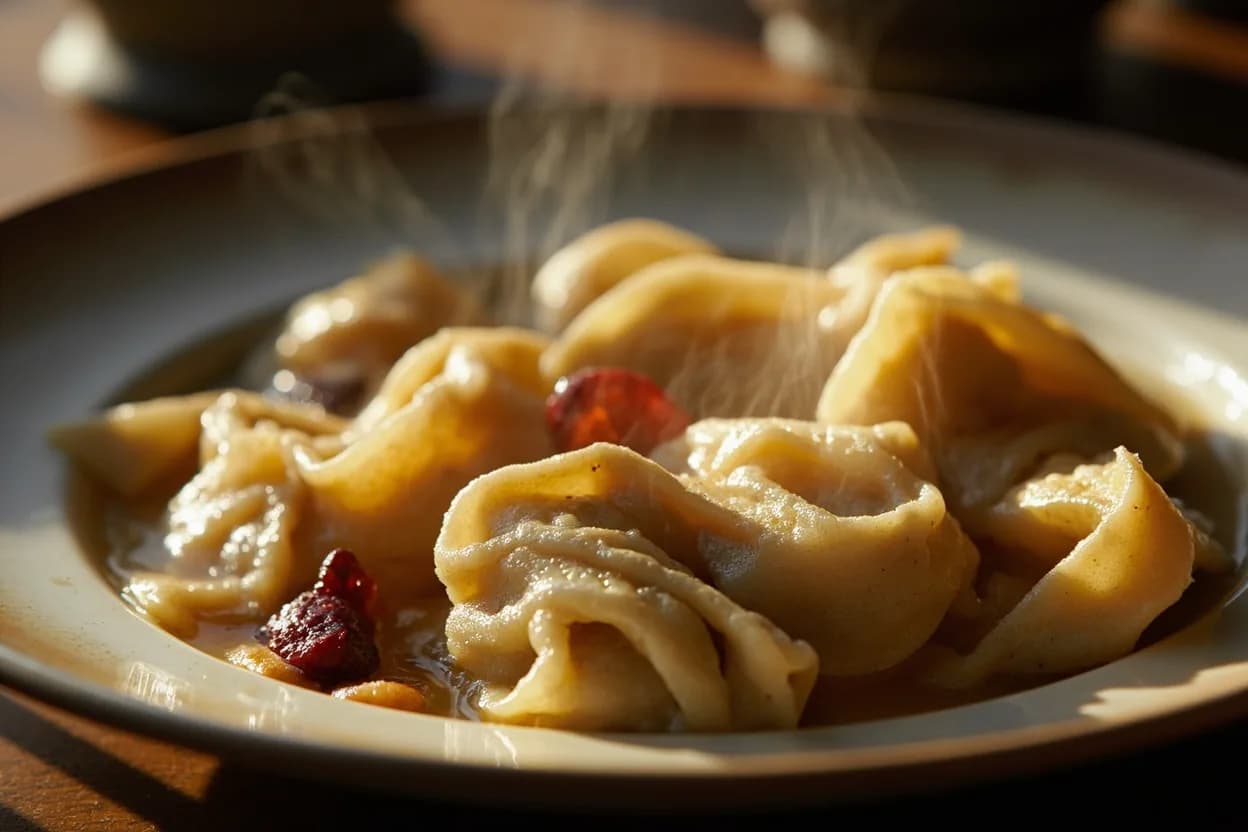
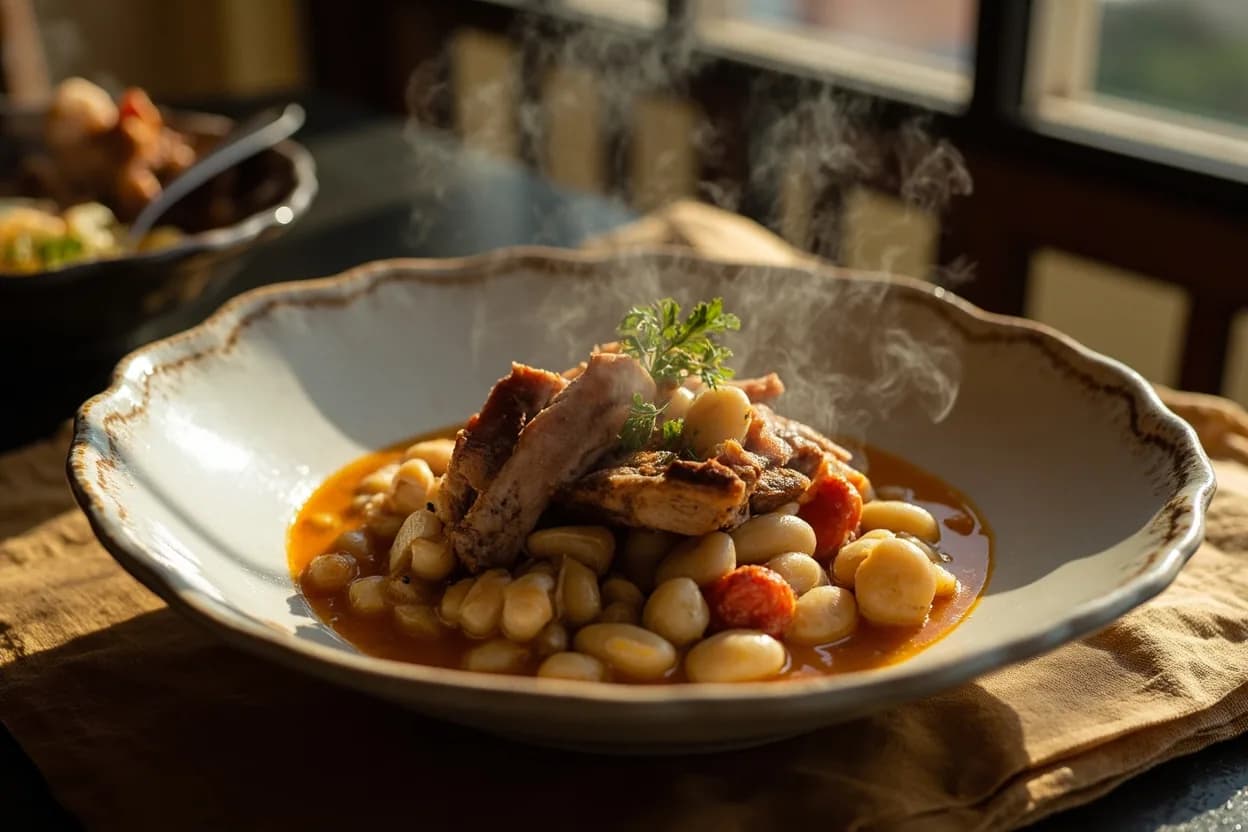
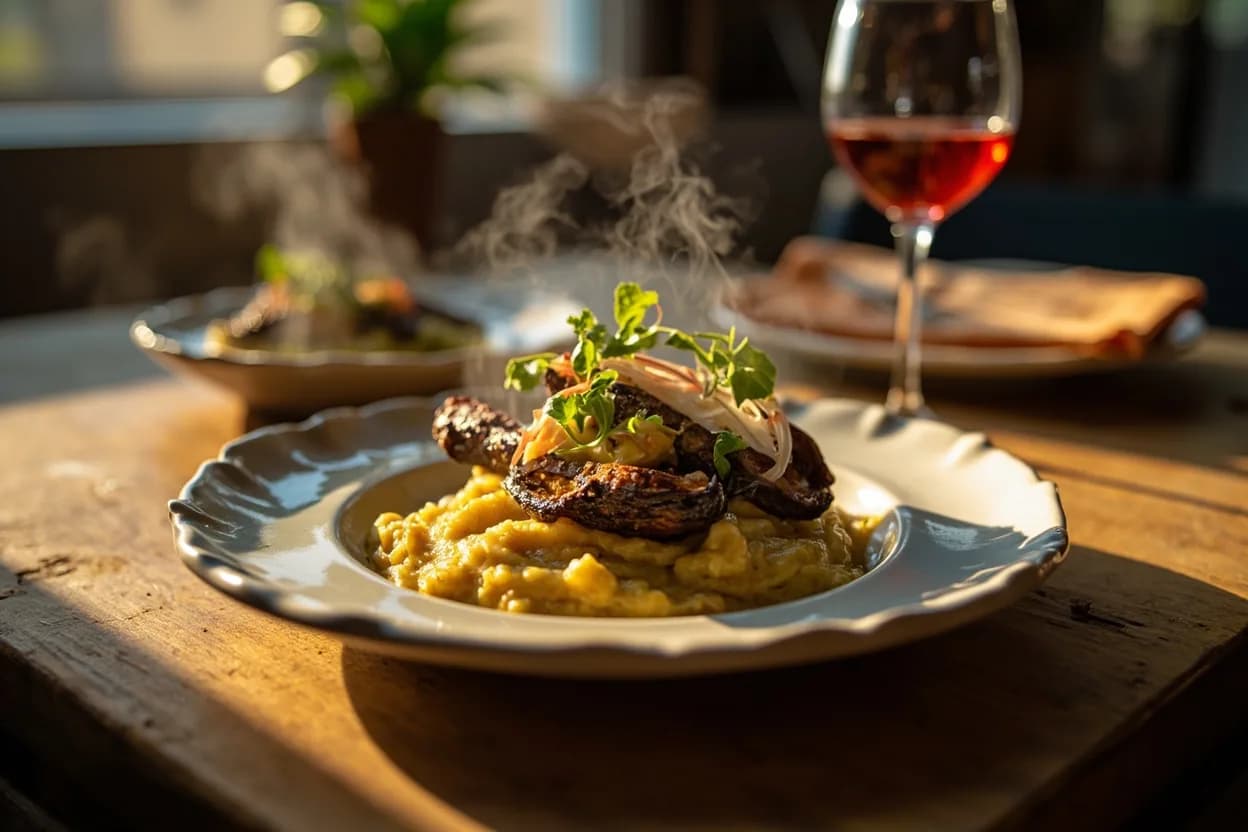
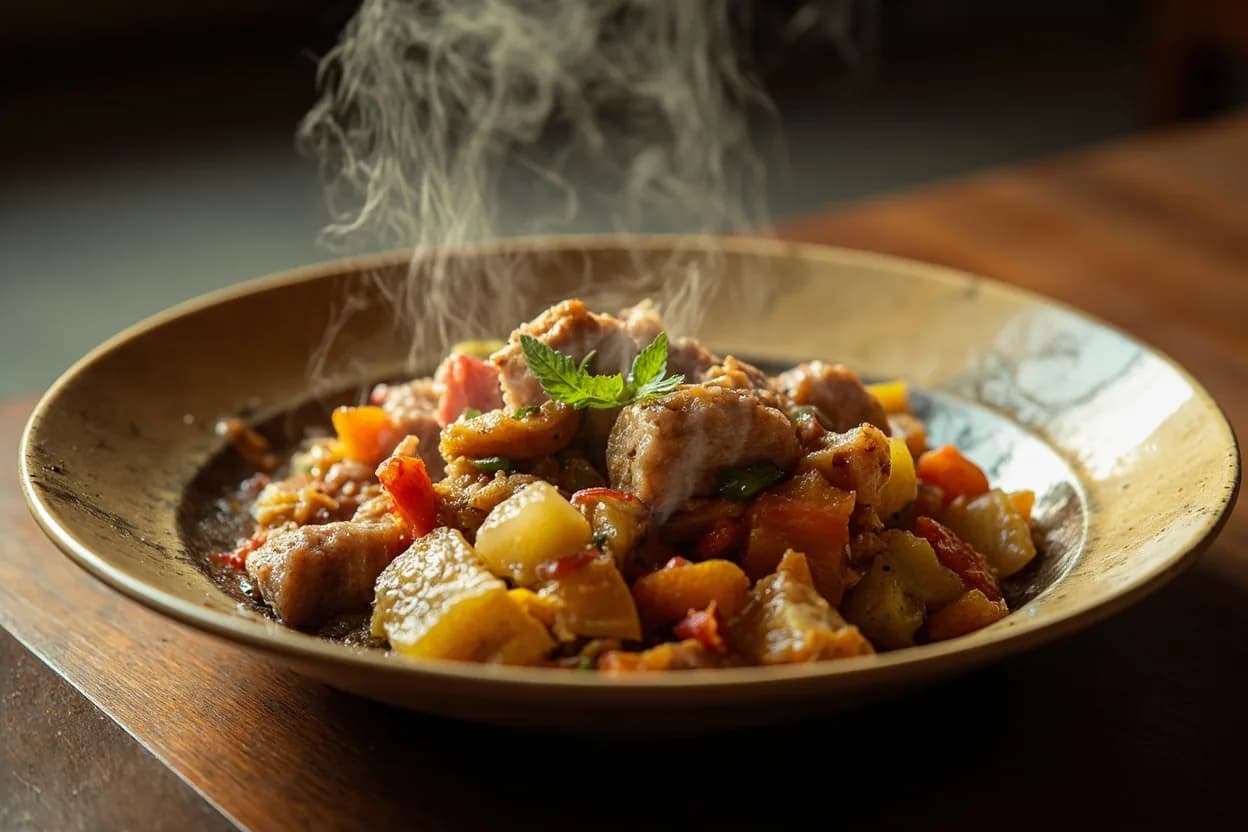
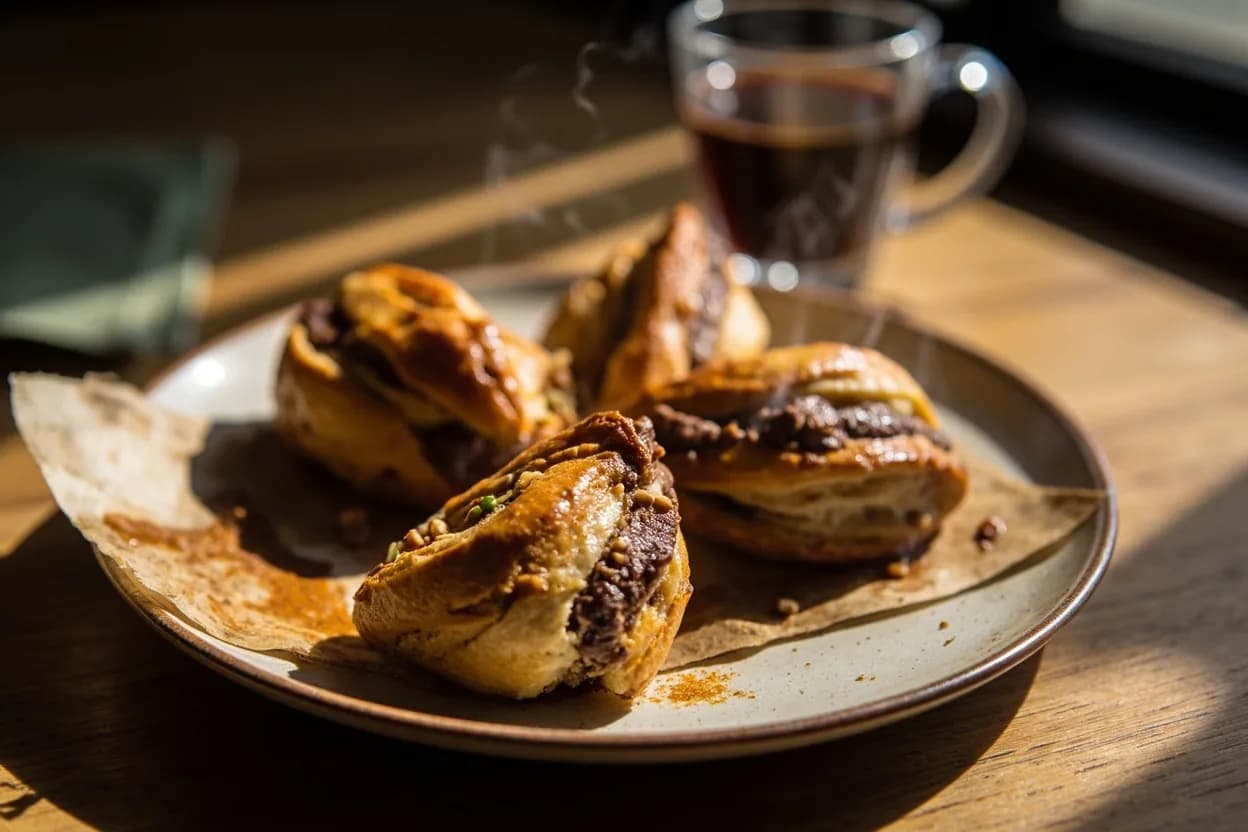
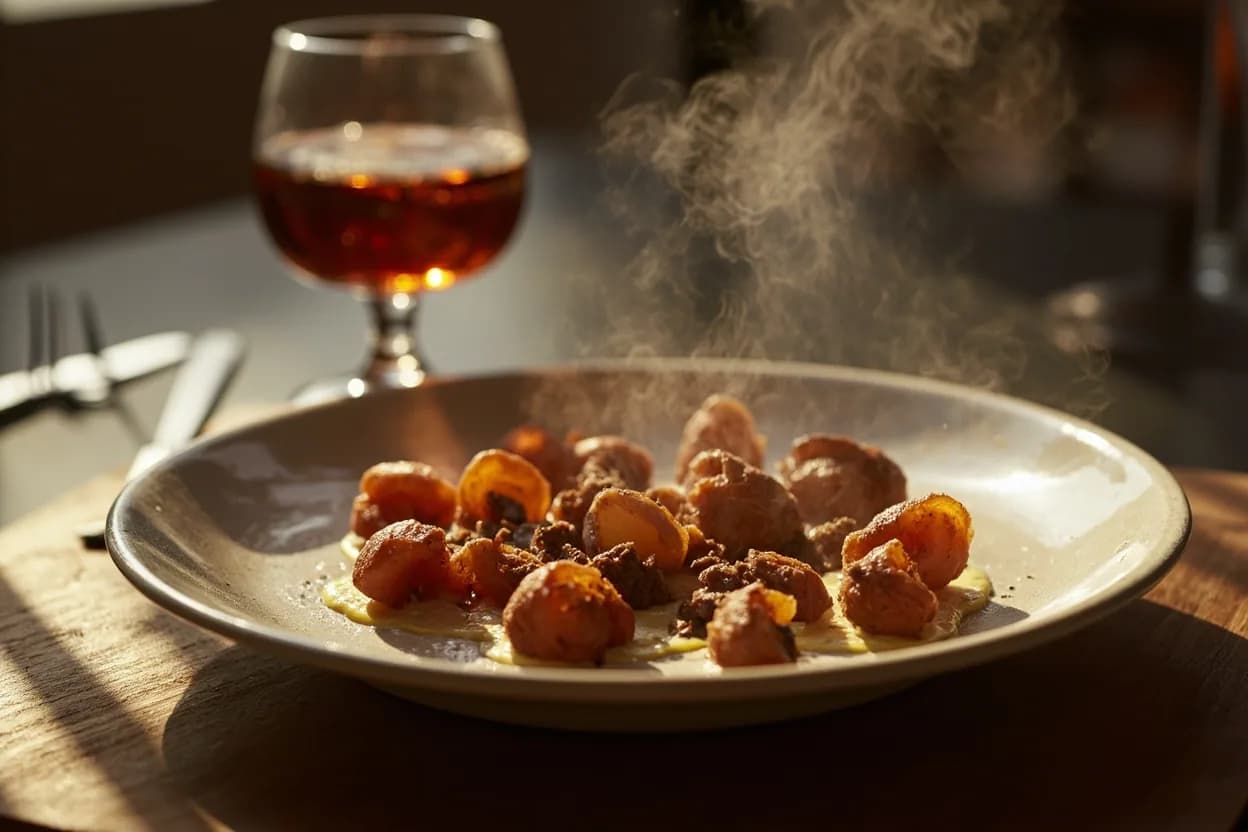
The dishes that define Moldovan, documented in the Canon.
References
- 1.Taste of Romania — Nicolae Klepper (Hippocrene Books, 1999)
- 2.Wine Grapes: A Complete Guide to 1,368 Vine Varieties — Jancis Robinson, Julia Harding, José Vouillamoz (Allen Lane, 2012)
- 3.The Oxford Companion to Wine — Jancis Robinson (Oxford University Press, 2015)
- 4.The Oxford Companion to Food — Alan Davidson (Oxford University Press, 1999)
Confidence: medium
Notes
Cricova and Mileștii Mici are cellars, not metaphors
Moldova's wine storage is genuinely industrial in scale: Mileștii Mici, near Chișinău, holds one of the largest wine collections in the world (long listed in Guinness World Records) inside roughly 200 km of former limestone-quarry tunnels, with a constant natural temperature and humidity that make aging viable without mechanical climate control; some tunnels are wide enough that staff drive between cellar sections. Cricova, a second major state cellar complex nearby, similarly repurposes old quarry galleries and has hosted state visits specifically built around wine tourism. This scale is a direct legacy of Soviet-era investment, which concentrated what had been dispersed peasant viticulture into large state enterprises — the quarries existed already, from centuries of limestone extraction for building material, and were simply repurposed once refrigeration-free aging at scale became a strategic agricultural priority. Moldova today has one of the highest ratios of vineyard area to national territory in the world, and per-capita wine consumption and production figures that rank among the very highest globally.
The 1812 Prut border split one cuisine into two political ones
Before 1812, 'Moldavia' meant a single Romanian-language principality straddling both banks of the Prut river. The Treaty of Bucharest that year, ending a Russo-Ottoman war, ceded the eastern half (Bessarabia) to the Russian Empire while the western half stayed with what would become Romania. The food culture did not actually split at that moment — the same mămăligă, sarmale, and borș-soured soups continued to be cooked on both banks by the same Romanian-speaking peasantry — but the political and, later, Soviet administrative separation from 1812 (and more decisively from 1940) is why 'Moldovan cuisine' and 'Romanian Moldavian cuisine' are treated as adjacent-but-distinct entries in most reference works today, even though a food historian would say they describe the same cooking tradition wearing two different national labels.
The Gagauz layer is a genuinely separate culinary thread, not a regional Romanian variant
The Gagauz, an autonomous Turkic-speaking Orthodox Christian minority concentrated in southern Moldova (Gagauzia), are ethnically and linguistically distinct from the Romanian-speaking majority despite sharing Orthodox Christianity and centuries of the same Ottoman-era regional history. Their cuisine draws more directly on Turkic and wider Ottoman forms — different soup bases, different pastry fillings, a distinct wine and brandy culture of their own within Gagauzia — and should not be treated as simply a regional variant of Romanian-Moldovan cooking, the way, say, Transylvanian cooking is a variant of Romanian cooking. It is a separate ethnic culinary tradition that happens to share a country and, to a degree, a landscape and climate with the Romanian-language majority.