Southeast Europe / Danube
Romanian
Also: Romanian Cuisine, Bucătăria Românească
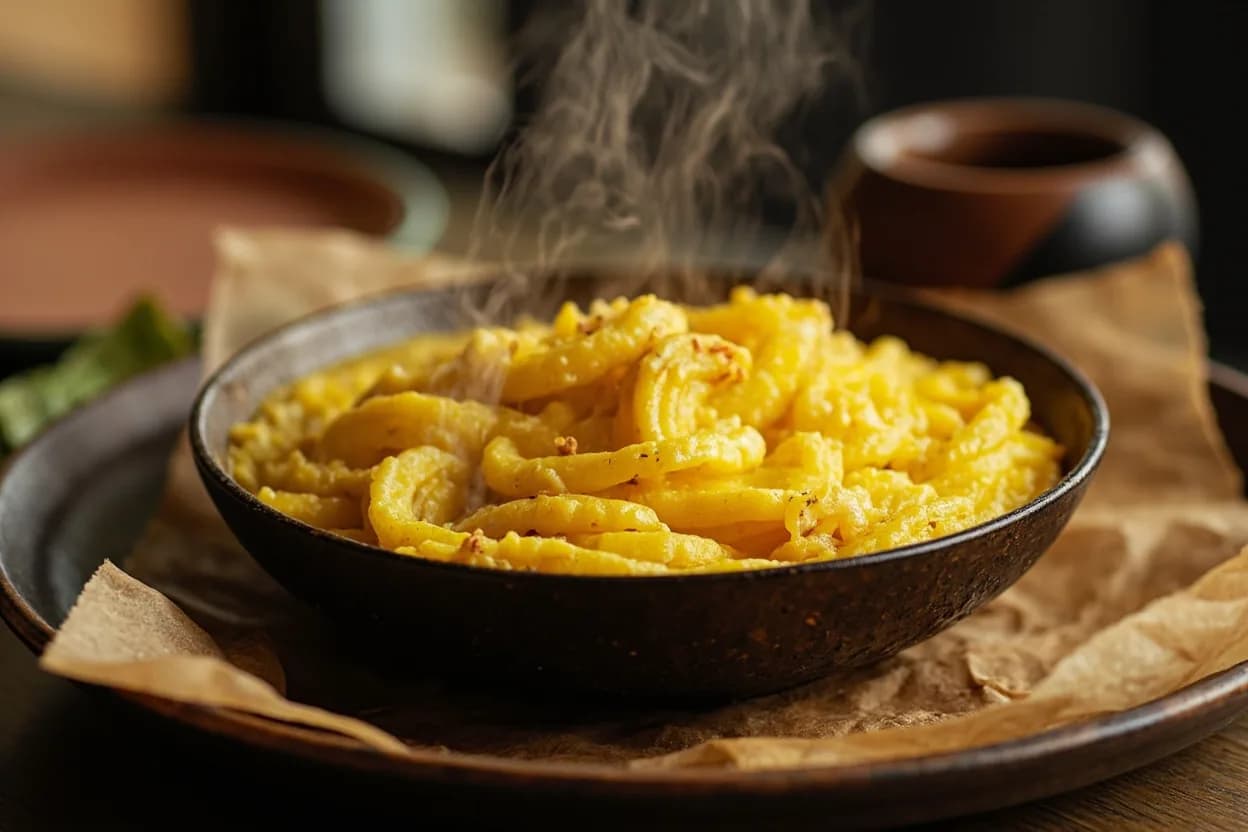
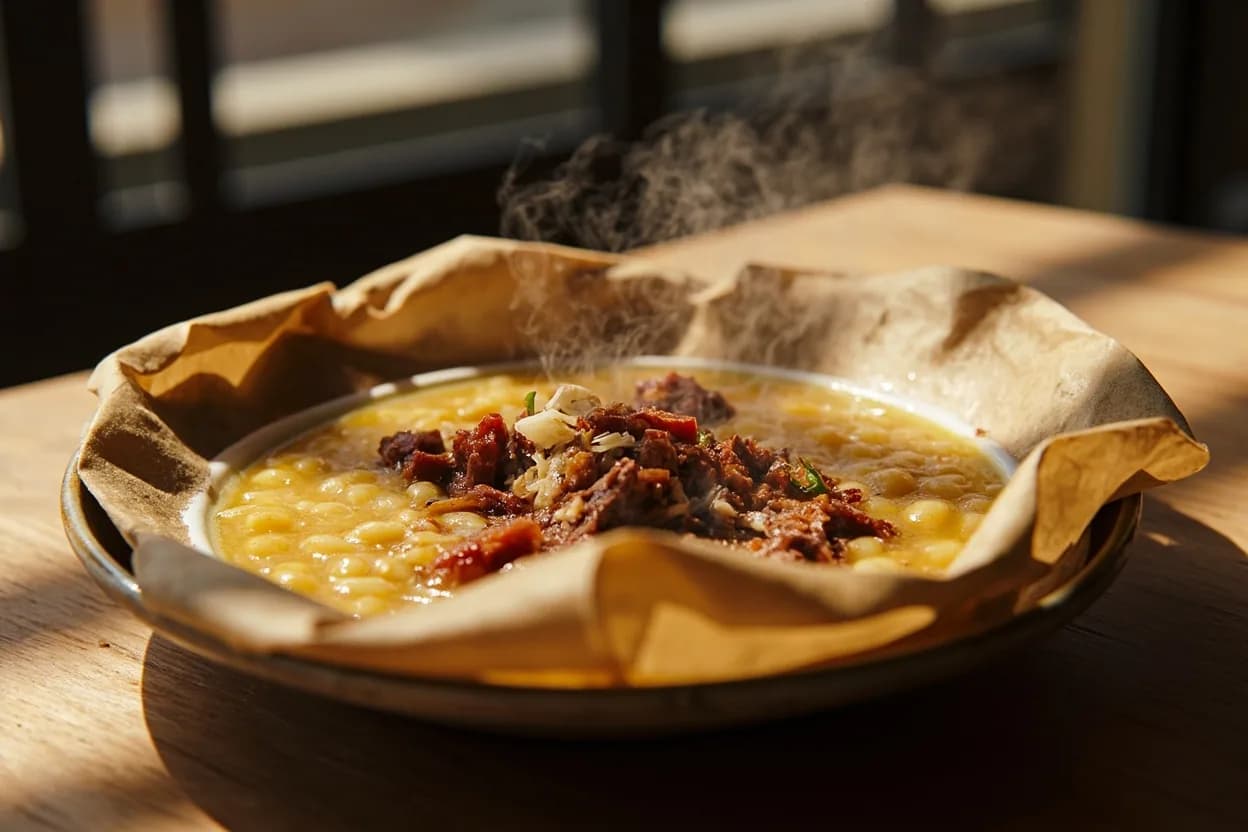
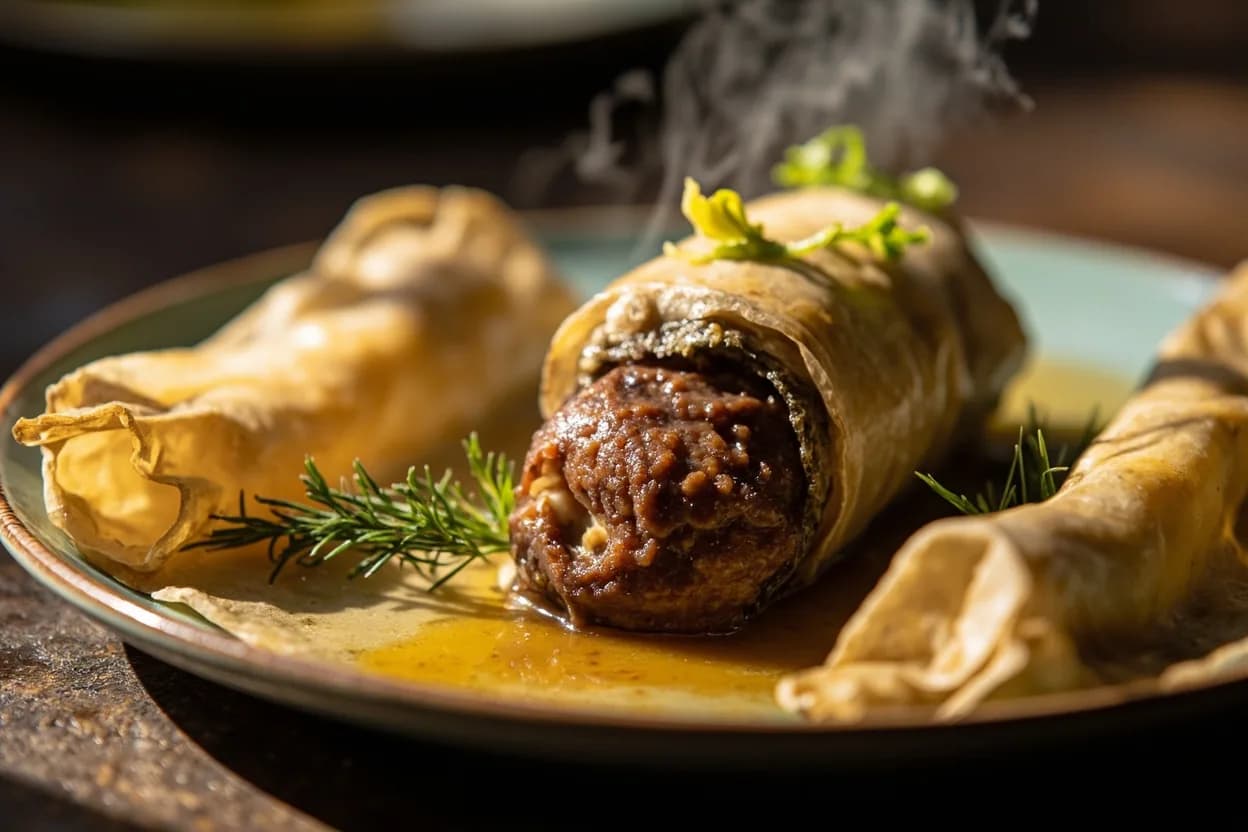
A Latin-language cuisine built on mămăligă (cornmeal polenta), sour borș soups, cabbage-wrapped sarmale, and the December pig slaughter that fills the pantry with jumări and cârnați for winter.
Romanian cooking is a peasant agrarian cuisine organized around a starch (mămăligă, the corn polenta that replaced bread as the daily staple in poorer households for centuries), a soured broth (ciorbă/borș), and pork as the meat of reference. It sits at a crossroads: broadly Balkan and Ottoman in its sarmale, grilled minced-meat, and yogurt-adjacent dairy, but distinctively Latin in language and in techniques like bran-souring, and Habsburg-inflected in Transylvania. Regional identity (Wallachia, Moldavia, Transylvania, Banat, Dobrogea) matters more than a single national style.
The flavour base
Rendered pork fat and sunflower oil as the primary fats; sweet paprika, bay leaf, dill, lovage (leuștean, distinctively Romanian in ciorbă), and black pepper as the core seasonings; garlic used raw as a table condiment (mujdei) more than cooked into dishes. Souring is the signature move — not just vinegar or lemon but borș, a fermented wheat-bran liquid (or, in some regions, sauerkraut brine or unripe plum juice) added at the end of cooking to sour a soup sharply without boiling off its acidity.
Pantry staples
Key ingredients
Signature techniques
Signature dishes
At the table
Lunch (prânz) is traditionally the largest meal, opening with a sour soup (ciorbă or supă), followed by a main of meat with a starch or vegetable side, though this has loosened toward an evening-centered pattern in cities. Bread or mămăligă is the near-constant starch; a plate is rarely served without one or the other. Sunday and holiday meals are built around a whole roasted or braised meat (friptură), pickled vegetables (murături) on the side, and a layered pastry (cozonac at Easter/Christmas) for dessert. The Ignat pig slaughter in December is the year's largest food event, generating dishes eaten fresh that day (jumări, drob) and cured goods eaten for months after.
History & context
The core layer is Roman-Dacian and medieval peasant agriculture, but the flavor of the modern table was set by four to five centuries of Ottoman suzerainty over Wallachia and Moldavia (14th–19th c.), which brought peppers, eggplant, the sarma/dolma stuffed-leaf family, coffee, and yogurt-culture dairy north of the Danube. Transylvania and Banat took a different route: under Habsburg and then Austro-Hungarian rule until 1918, they absorbed schnitzel-style frying, strudel pastry, and Hungarian paprika-forward stewing, plus a distinct Saxon (Transylvanian German) baking tradition still visible in towns like Sibiu. Corn (maize) arrived from the New World via Ottoman trade routes in the 17th–18th centuries and displaced millet as the base of mămăligă, becoming the calorie floor of the rural diet, especially in Moldavia. The 20th century added two ruptures: socialist-era (1947–1989) collectivization of farmland and food-supply shortages, which pushed home preservation (jars of zacuscă, pickled murături) into a near-universal household skill, and the post-1989 opening, which reintroduced commercial variety but never displaced the home-butchery calendar. The Ignat (Saint Ignatius, 20 December) pig slaughter remains a structuring annual event, producing the fresh and cured pork — jumări (cracklings), cârnați, tobă — that carries a household through winter.
Regional variations
- Transylvania (Ardeal)
Habsburg-influenced: schnitzel-style frying, Hungarian-inflected paprika stews, and a distinct Transylvanian Saxon pastry tradition around towns like Sibiu and Brașov.
- Moldavia (the Romanian region, not the country)
Heavier reliance on mămăligă as a bread substitute historically, sweeter borș style, and a strong tradition of smoked freshwater fish.
- Wallachia
The Bucharest-centered south; more Ottoman-Balkan carryover in grilled meats (mici) and vegetable purees like zacuscă.
- Dobrogea
Black Sea and Danube Delta region with a distinct fish-forward repertoire (carp, sturgeon roe) and Tatar/Turkish minority influence absent elsewhere.
Related cuisines
Shares language, mămăligă, plăcintă, sarmale, and zeamă/borș almost dish-for-dish; diverges mainly in Moldova's distinct wine-region identity and Soviet-era administrative history.
Shares the sarma/sarmale family, grilled minced-meat (mici/ćevapi), and fruit brandy culture (țuică/rakija) as common Ottoman-Balkan inheritance; diverges in Serbia's kajmak dairy tradition and roštilj grill-house culture, which Romania lacks.
Shares sarma, yogurt-adjacent dairy, and grilled minced-meat forms; Romania's borș souring technique and cornmeal-polenta staple have no real Bulgarian equivalent, where yogurt itself carries more cultural weight.
Transylvania shares paprika-forward stewing and schnitzel technique directly with Hungarian cooking through centuries of shared Habsburg administration; the southern, Ottoman-derived half of Romanian cuisine has no Hungarian counterpart.
Canonical recipes
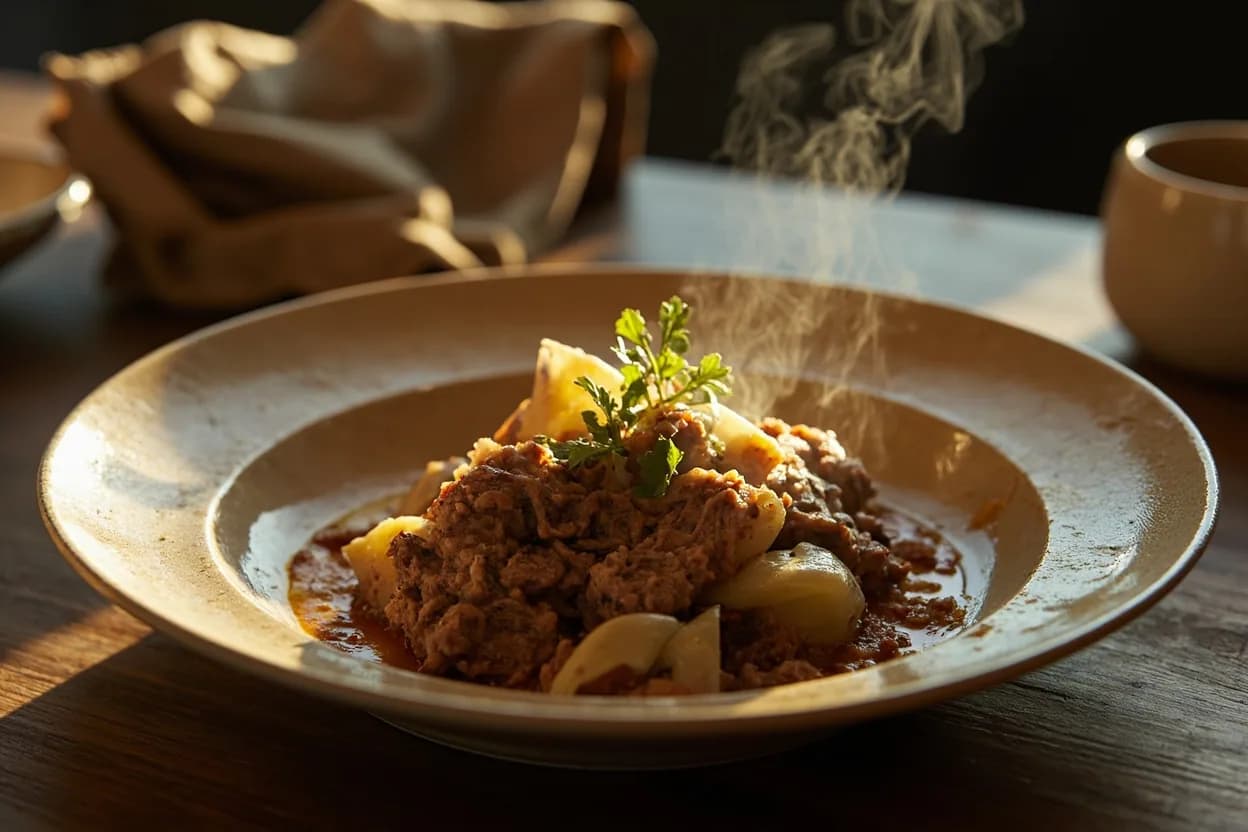
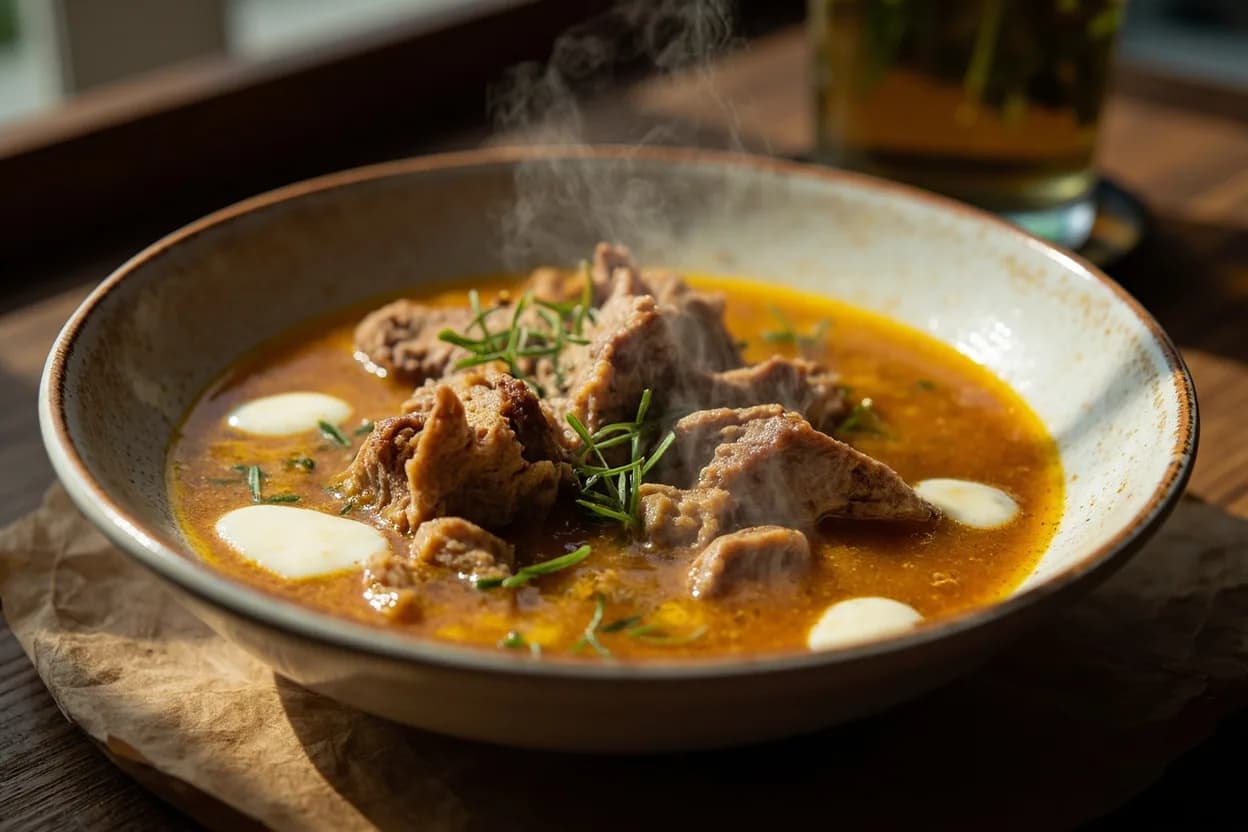
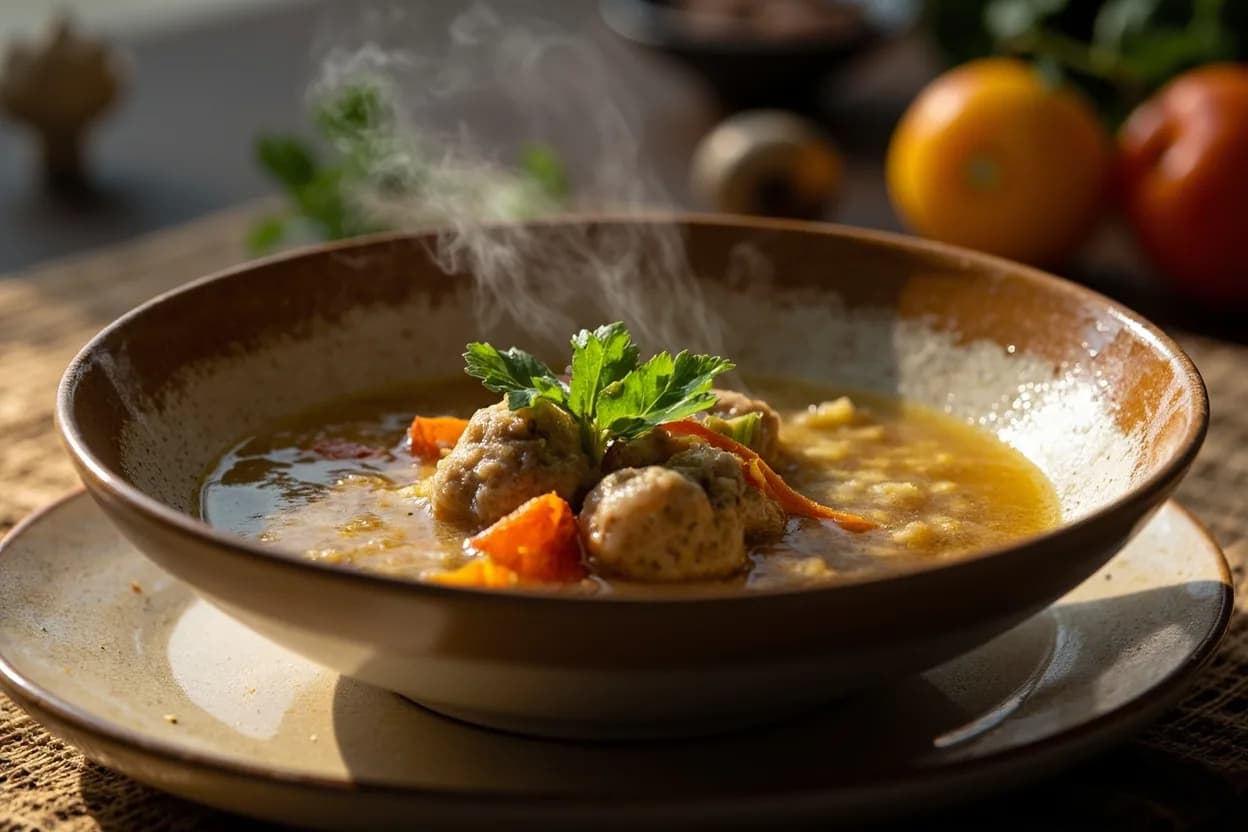
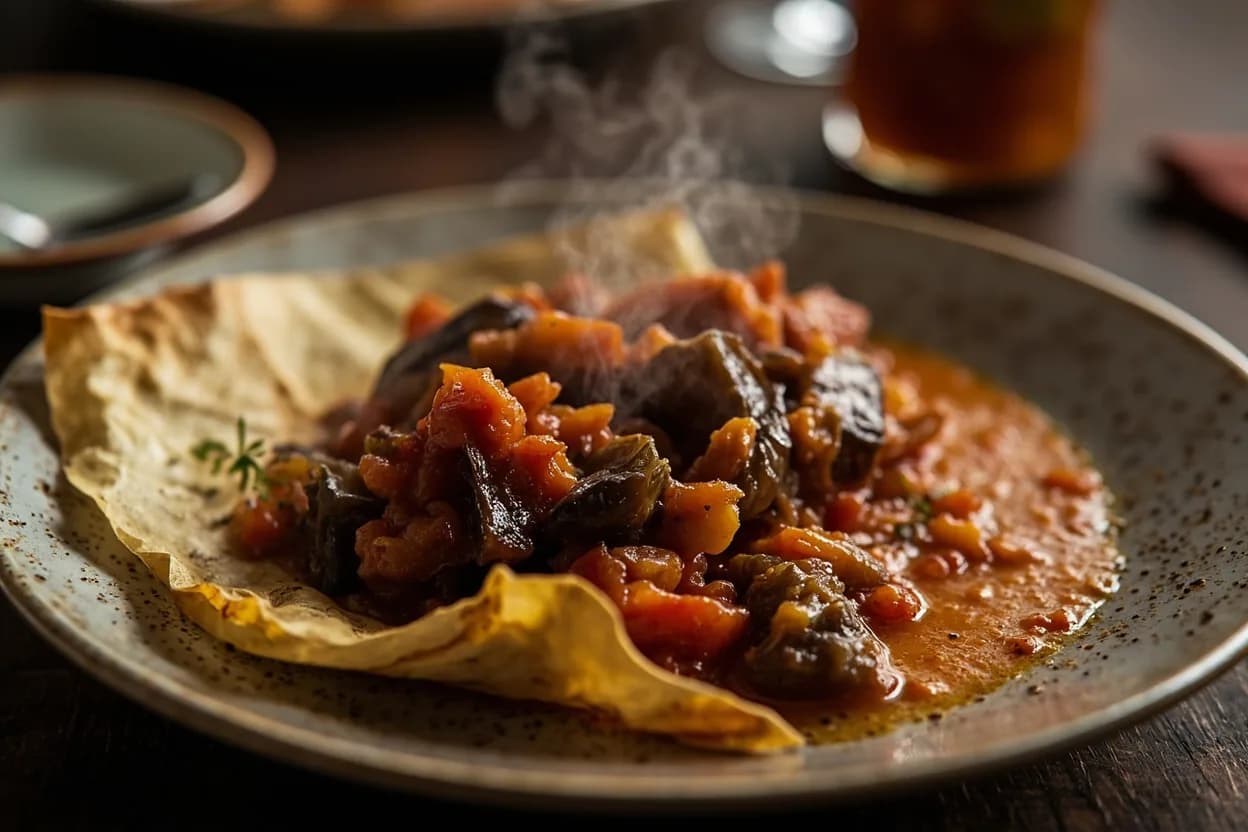
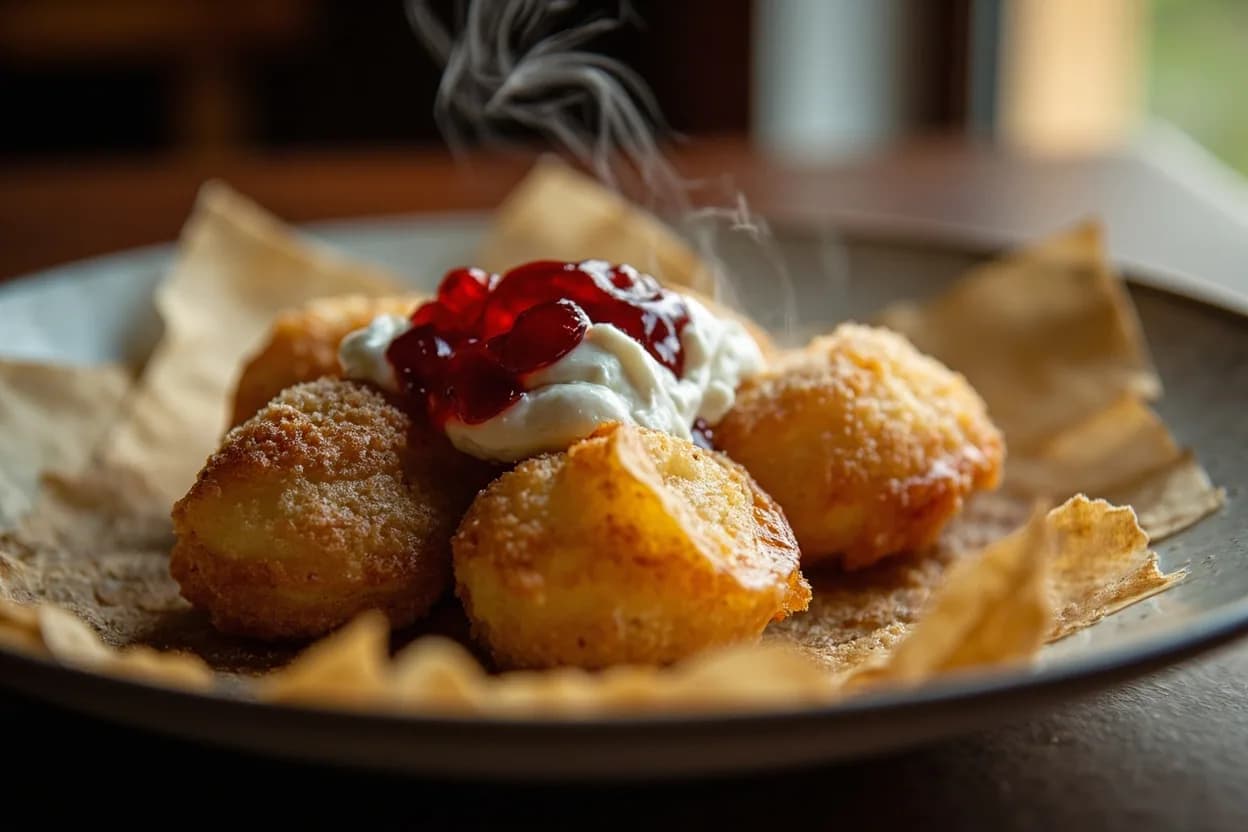
The dishes that define Romanian, documented in the Canon.
References
- 1.Taste of Romania — Nicolae Klepper (Hippocrene Books, 1999)
- 2.Balkan Ghosts: A Journey Through History — Robert D. Kaplan (St. Martin's Press, 1993)
- 3.The Oxford Companion to Food — Alan Davidson (Oxford University Press, 1999)
- 4.The Food of Romania — Silvena Rowe (Hardie Grant, 2013)
Confidence: medium
Notes
Borș is a fermented ingredient, not just a soup name
In Romanian, 'borș' properly names a souring agent before it names a soup: a liquid made by fermenting wheat bran (sometimes with cornmeal or beet) in water for several days until it turns sharply sour, similar in principle to a sourdough starter but liquid and used as a seasoning rather than a leaven. Cooks add it at the very end of cooking a soup, off the heat or at a bare simmer, because prolonged boiling destroys the acidity and the beneficial bacteria that produce it. This is mechanically different from souring with vinegar or lemon, which are stable acids that survive boiling — borș is closer in spirit to how a Southeast Asian cook might finish with tamarind, or how sauerkraut brine is used in Central European soups: a living, food-based sour rather than a bottled one. Bottled borș concentrate is now sold commercially, but many rural households still make their own each week.
The Ignat pig slaughter is a calendar, not just a meal
On or around 20 December — Saint Ignatius's feast day, Ignat — rural Romanian households traditionally slaughter the household pig, an event that until refrigeration was the single most important food-security act of the year. The killing itself has folk ritual attached (singed bristles, a specific order of butchery), but the culinary significance is in what follows over the next several days: rendering fat into lard and jumări (cracklings), stuffing sausages (cârnați) and blood sausage (sângerete/tobă), curing hams and pork belly (slănină) for the months ahead, and cooking the fresh organs immediately into dishes like drob (a baked liver-and-herb terrine eaten warm the same day, distinct from the cold Easter drob de miel made with lamb). Whole rural communities still time their December social calendar around whose Ignat falls on which day, visiting neighbors to share the fresh meat before it is cured.
Lovage (leuștean), a herb rarely used this way outside Romania and Moldova
Leuștean (Levisticum officinale, lovage) is used constantly in Romanian and Moldovan ciorbă in a way almost no other national cuisine relies on it — most Western cooking treats lovage as a celery-like curiosity rather than a workhorse herb. Its flavor is closer to strong celery leaf crossed with parsley, and Romanian cooks add a large handful, stems and all, near the end of cooking a sour soup, where it perfumes the broth without the bitterness that boiling it longer would bring. Dill is used similarly and often alongside it. The herb's near-absence from supermarkets outside Romania, Moldova, and parts of the Levant is one of the more reliable tells, when reading an old émigré cookbook, that a ciorbă recipe has been simplified for an audience that can't source it.