Southeast Europe / Balkans
Serbian
Also: Serbian Cuisine, Srpska Kuhinja
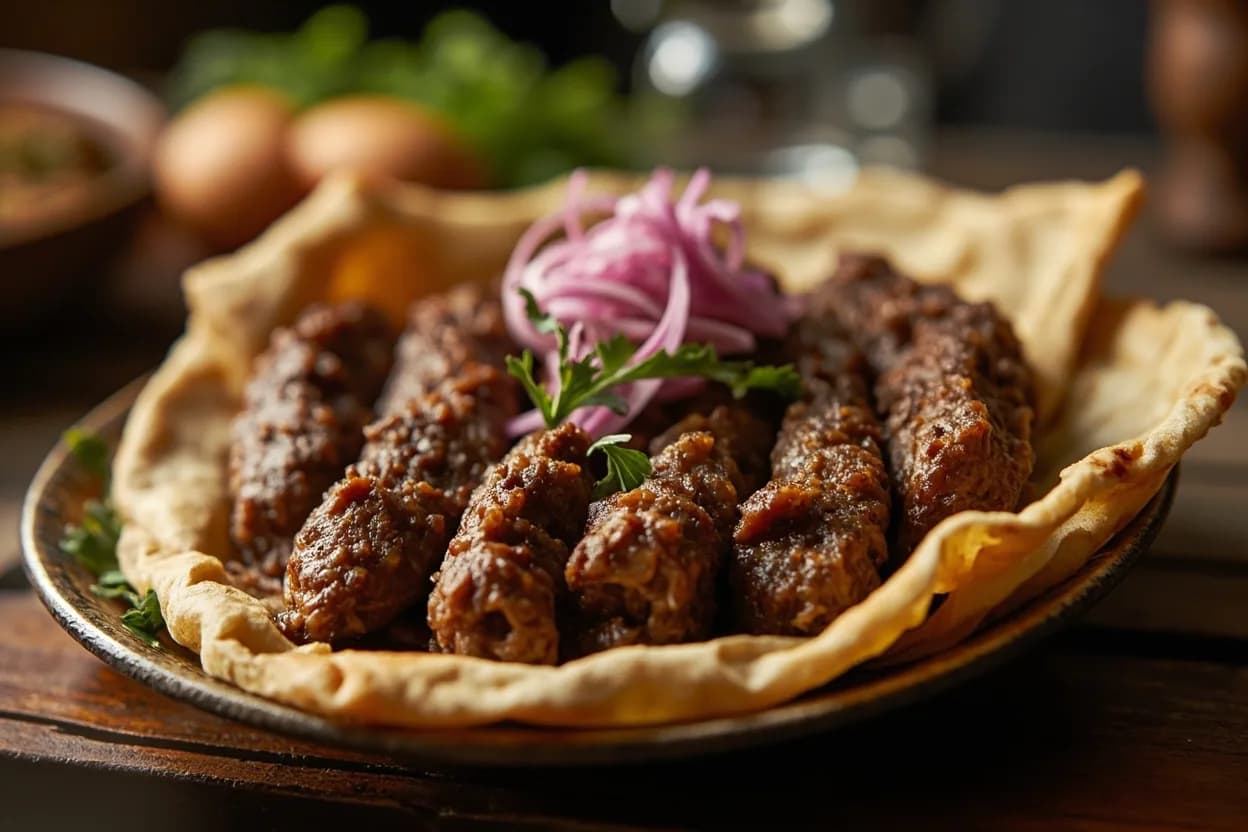
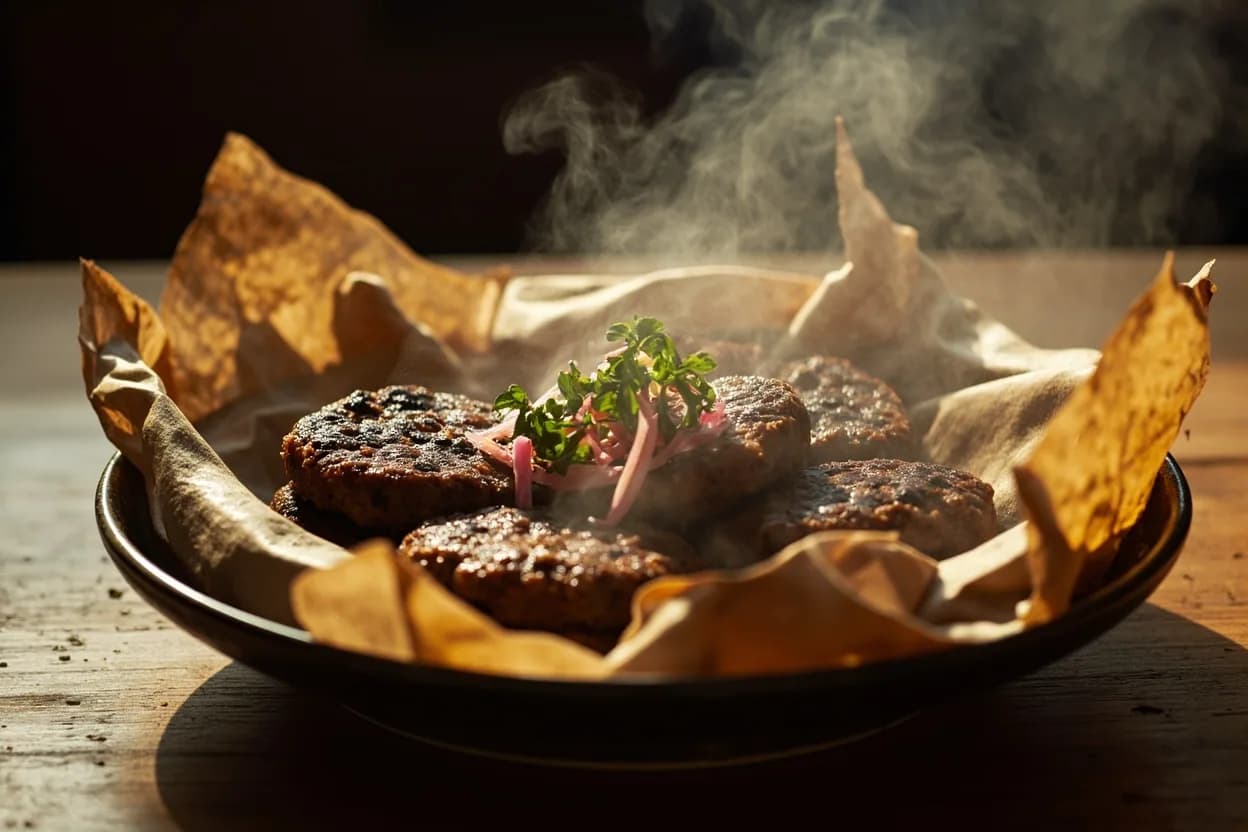
A grill-and-cured-meat cuisine built around roštilj (ćevapi, pljeskavica), kajmak's clotted-cream richness, ajvar's autumn pepper-roasting ritual, and the slava feast bread that marks a household's patron saint.
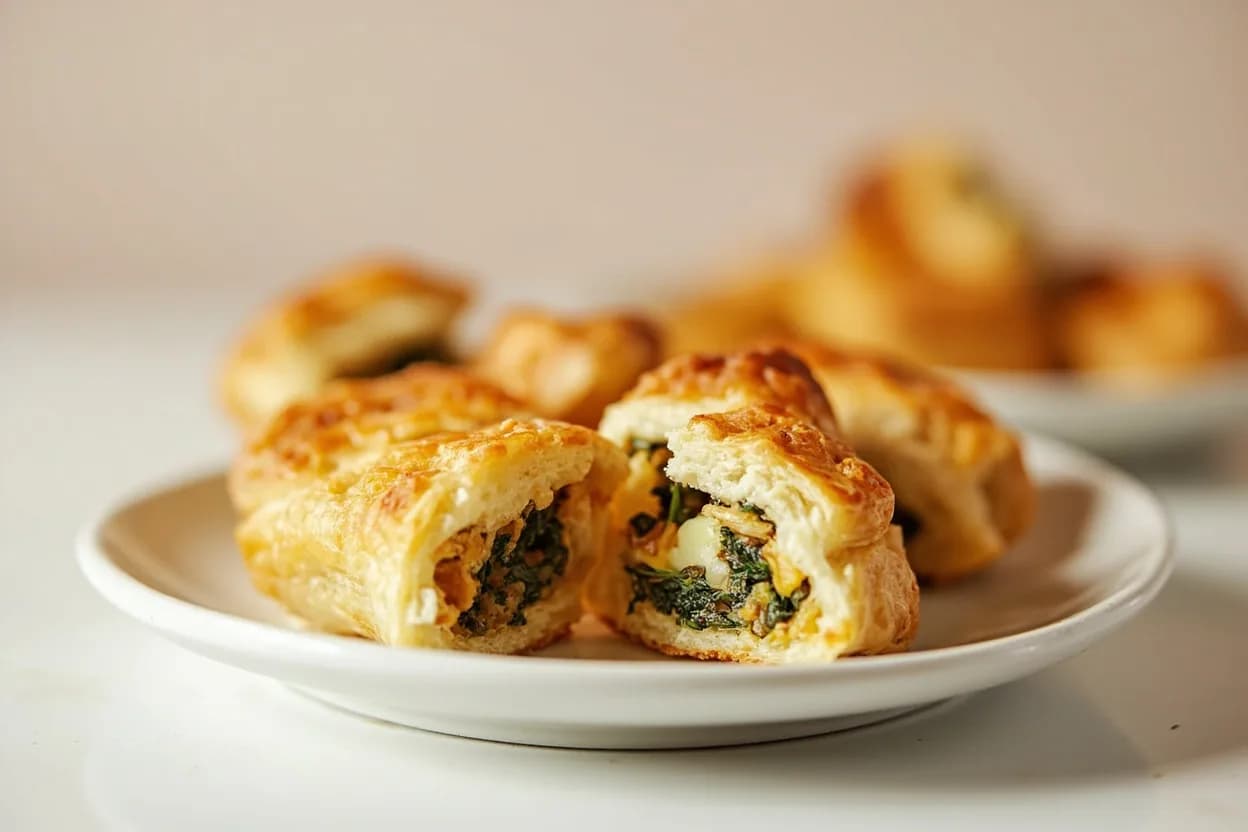
Serbian cooking centers on grilled minced and whole-cut meat (roštilj), a distinctive clotted dairy product (kajmak) with no exact Western equivalent, and a household preserving culture built around autumn pepper-roasting for ajvar. Many of its best-known dishes — ćevapi, sarma, burek, moussaka-style bakes — are shared across the former Ottoman Balkans and are not Serbian inventions alone; what is genuinely distinctive is the roštilj grill-house culture, kajmak, and the slava patron-saint feast that structures household ceremonial eating.
The flavour base
Sweet paprika (both fresh red peppers and dried powder) as the central flavor and color note; pork and beef fat and sunflower oil; garlic used generously, often raw; kajmak itself functioning as a fat/dairy seasoning stirred through hot food rather than eaten cold like a cheese course. Vinegar-based and fermented sour elements appear in soups and pickles, and chili is used with restraint compared to further south.
Pantry staples
Key ingredients
Signature techniques
Signature dishes
At the table
The main meal is typically a midday or early-evening one built around a grilled or roasted meat course, bread, and a raw or pickled vegetable side (most iconically srpska salata, tomato-cucumber-onion-pepper). Roštilj is as much a social occasion as a cooking method — grill houses (kafanas) and home charcoal grills both structure weekend and holiday eating around it. The slava, the feast of a household's patron saint (inherited patrilineally and unique to Serbian Orthodox practice among Slavic churches), is the most important ceremonial meal: it centers on a specific ritual bread (slavski kolač) blessed by a priest and cut in a set ceremony, alongside žito (boiled wheat with sugar and nuts) and a large shared table, and it recurs annually regardless of the individual family's own dates.
History & context
Ottoman rule over Serbia (from the mid-15th century until the 19th-century uprisings and full independence in 1878) is the deepest layer, bringing the sarma/dolma stuffed-vegetable family, coffee, filo-pastry burek, and grilled ground-meat forms shared across the whole former Ottoman Balkans — ćevapi is one local expression of a wider kebab tradition, not a Serbian original, and its ownership with Bosnia is genuinely disputed. Vojvodina, in the north, took a different historical path: under Habsburg and then Austro-Hungarian control until 1918, it absorbed Hungarian paprika-forward stewing (gulaš, paprikaš) and a strong Central European baking tradition, producing a visibly different cuisine within the same country's borders from the more Ottoman-inflected south. The 20th century then ran socialist Yugoslavia (1945–1991), whose state-run agriculture and food distribution nonetheless preserved most household practices (slava feasts, home-rendered kajmak, autumn ajvar-making) at the family level even as it discouraged their religious framing; the 1990s wars and sanctions that followed Yugoslavia's breakup produced real shortages that reinforced home preservation and self-sufficiency as practical necessities, not just tradition, a habit that has persisted into the post-2000 recovery.
Regional variations
- Vojvodina (north)
Habsburg/Hungarian-influenced: paprika-forward stews (gulaš, paprikaš), a strong Central European baking tradition, and more dairy-farming influence in kajmak production.
- Southern Serbia (around Leskovac)
Home of the country's most famous grill tradition (Leskovački roštilj) and generally spicier, more intensely grilled cooking than the north.
- Šumadija (central)
Considered the heartland of pork-and-plum farming; strongest rakija and cured-pork tradition.
- Belgrade
An urban blend of all regional styles with a dense kafana (tavern) culture that formalized roštilj as a restaurant genre.
Related cuisines
- Bosnian
Shares ćevapi almost dish-for-dish (ownership genuinely disputed between the two), plus burek and sarma; diverges in Bosnia's stronger Ottoman-era Muslim culinary continuity versus Serbia's kajmak and slava-centered Orthodox Christian household ritual.
Shares ajvar/lyutenitsa-style pepper relishes, sarma, and grilled minced meat (ćevapi/kebapche) as common Ottoman-Balkan inheritance; diverges in Serbia's kajmak, which has no true Bulgarian equivalent, against Bulgaria's much deeper yogurt culture.
Shares the sarma/sarmale family and fruit-brandy distilling (rakija/țuică); Serbia's kajmak and roštilj grill-house culture have no close Romanian parallel, and Romania's mămăligă/borș grammar has none here.
Vojvodina shares paprika-forward stewing directly with Hungarian cooking through Habsburg-era administration; the south of Serbia, more Ottoman in derivation, has no real Hungarian counterpart.
Canonical recipes
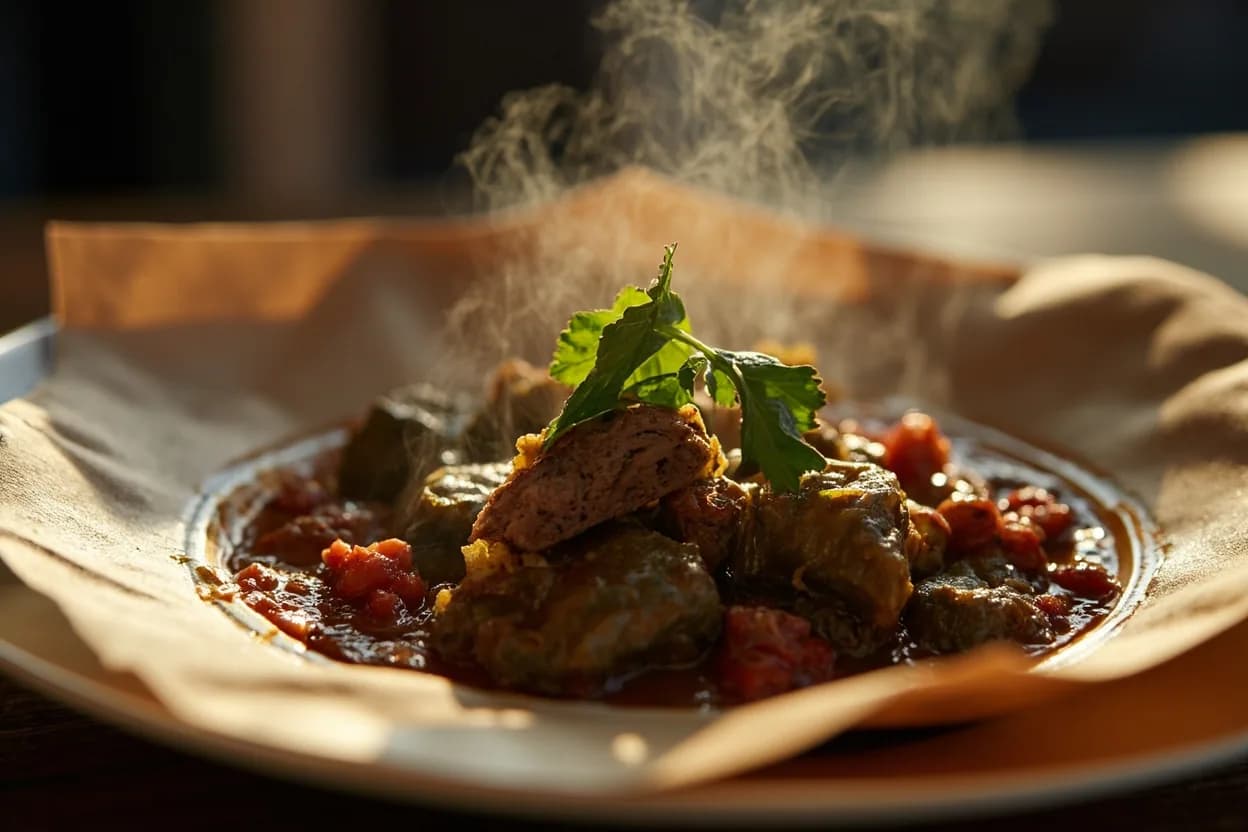
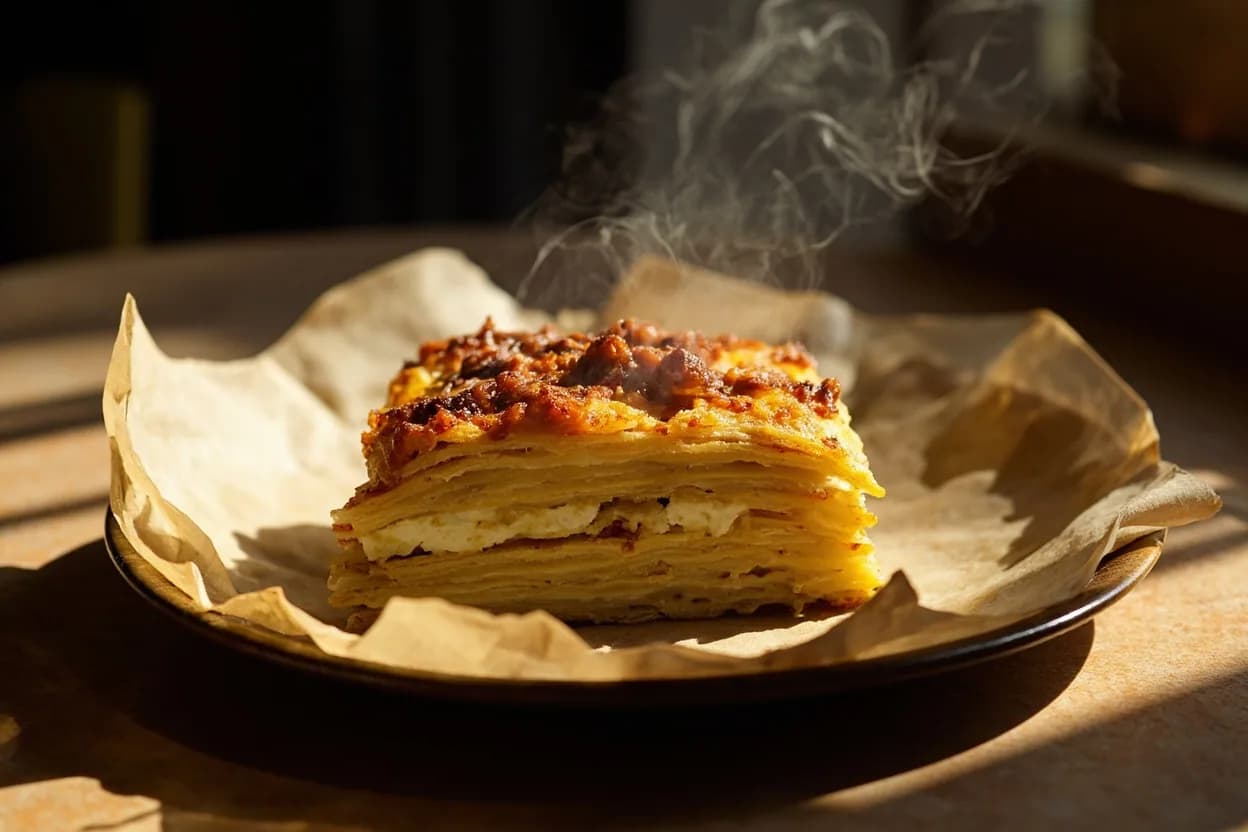
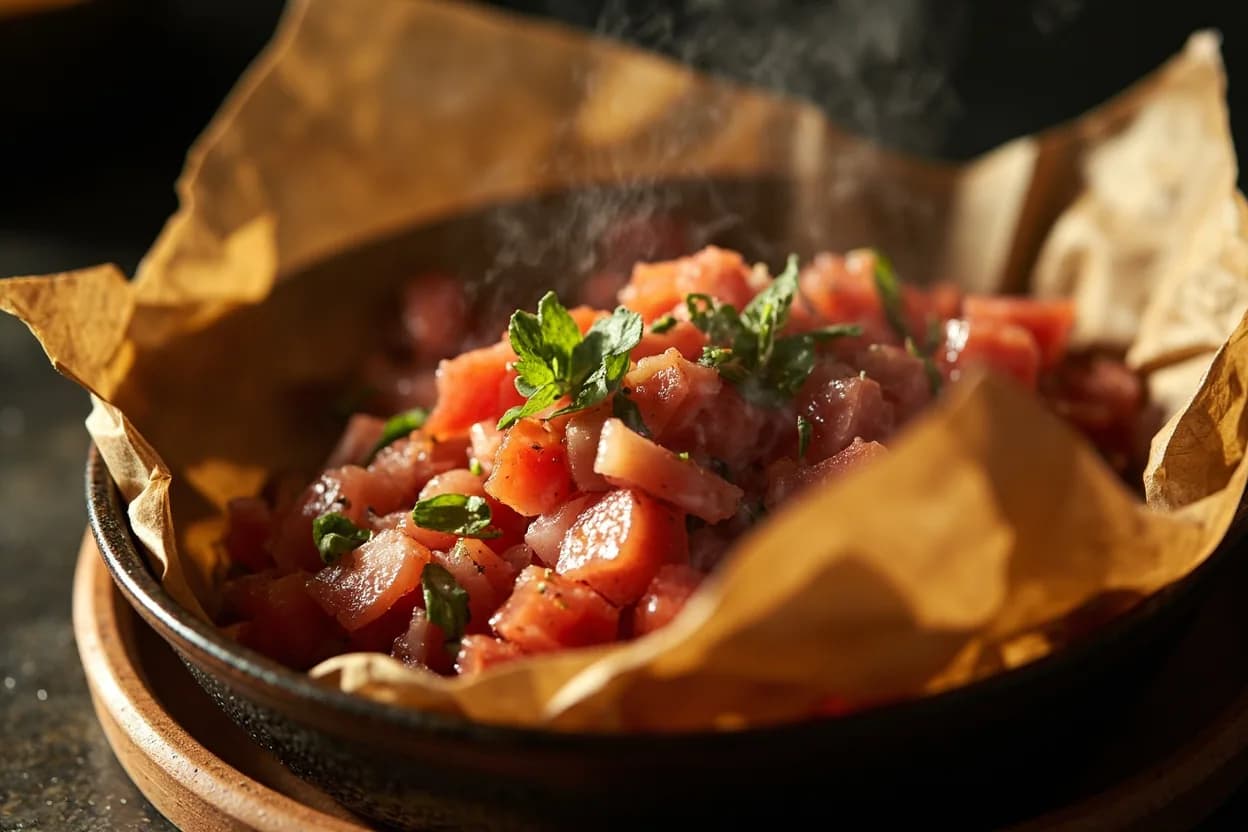
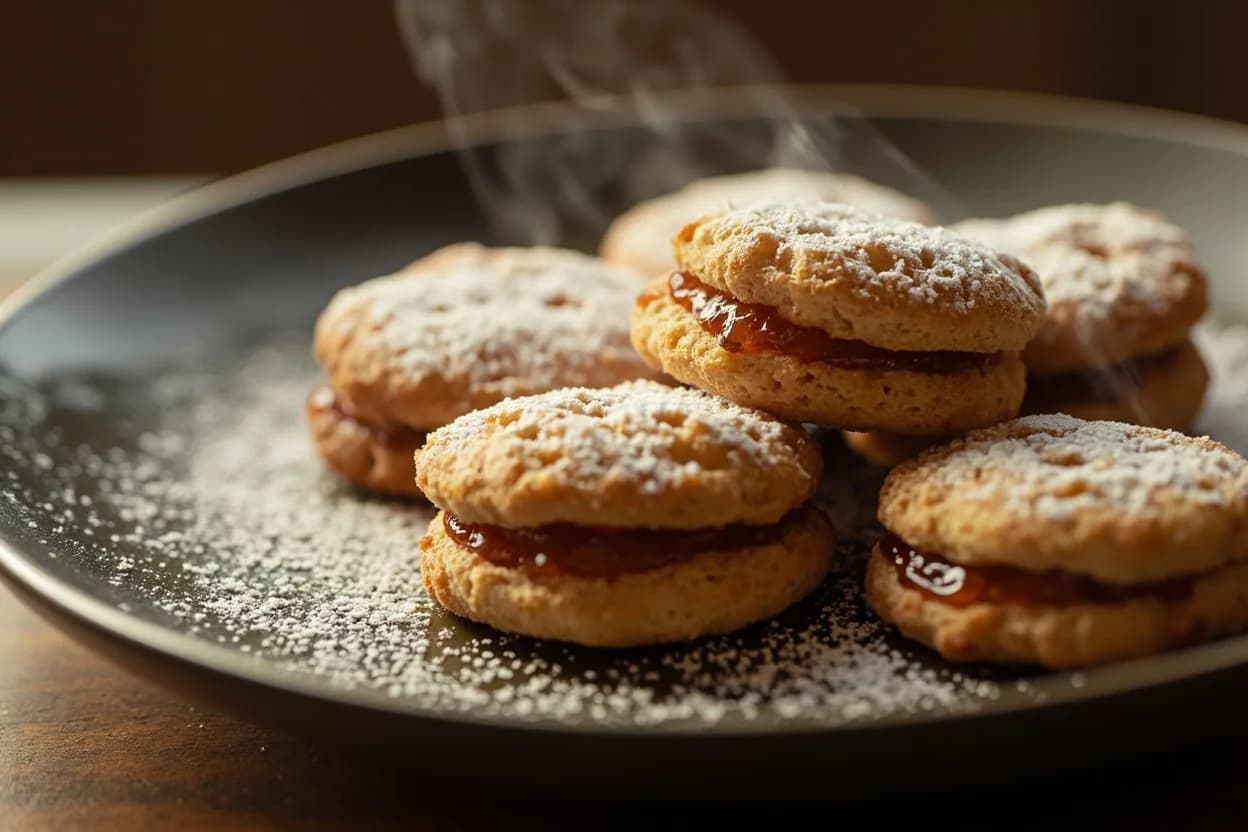
The dishes that define Serbian, documented in the Canon.
References
- 1.Balkan Ghosts: A Journey Through History — Robert D. Kaplan (St. Martin's Press, 1993)
- 2.The Oxford Companion to Food — Alan Davidson (Oxford University Press, 1999)
- 3.The Melting Pot: Balkan Food and Cookery — Maria Kaneva-Johnson (Prospect Books, 1995)
- 4.Bountiful Empire: A History of Ottoman Cuisine — Priscilla Mary Isin (Reaktion Books, 2018)
Confidence: medium
Notes
Kajmak is not clotted cream, butter, or cheese — it is its own category
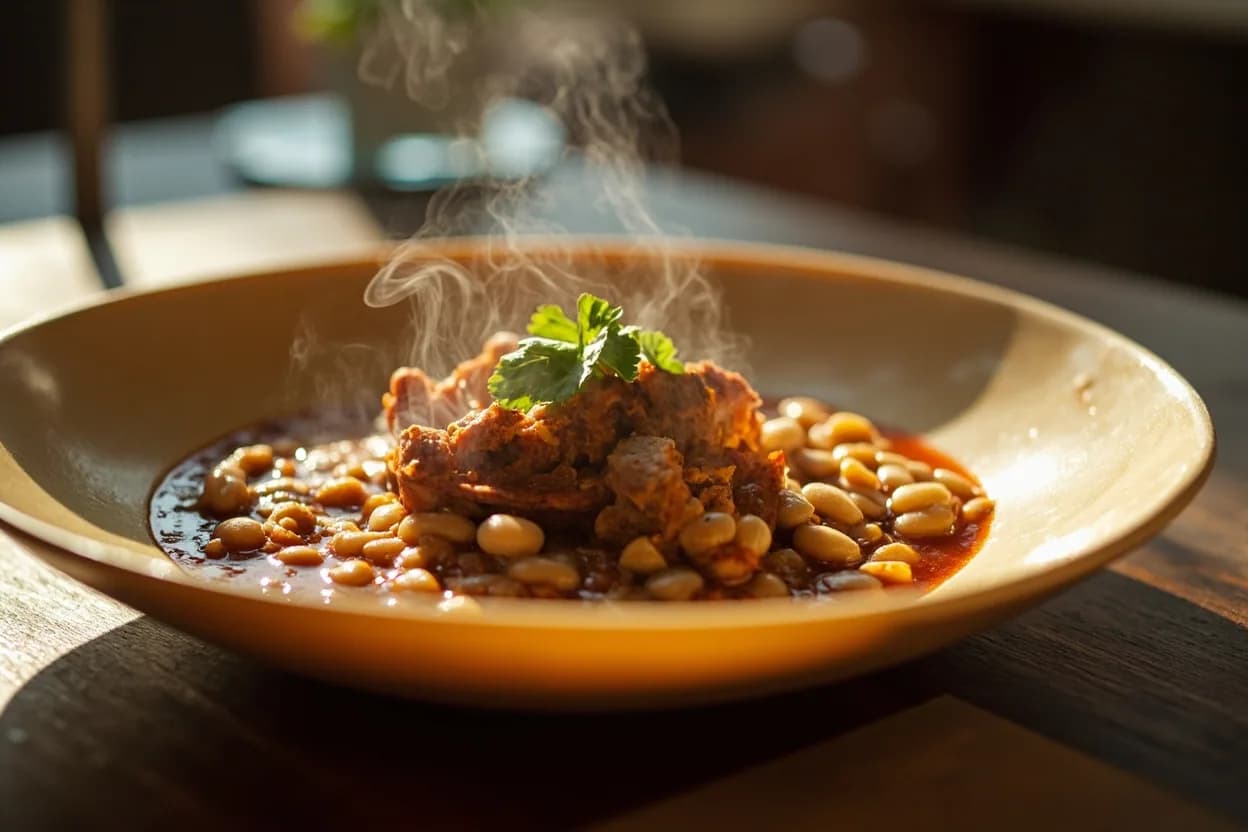
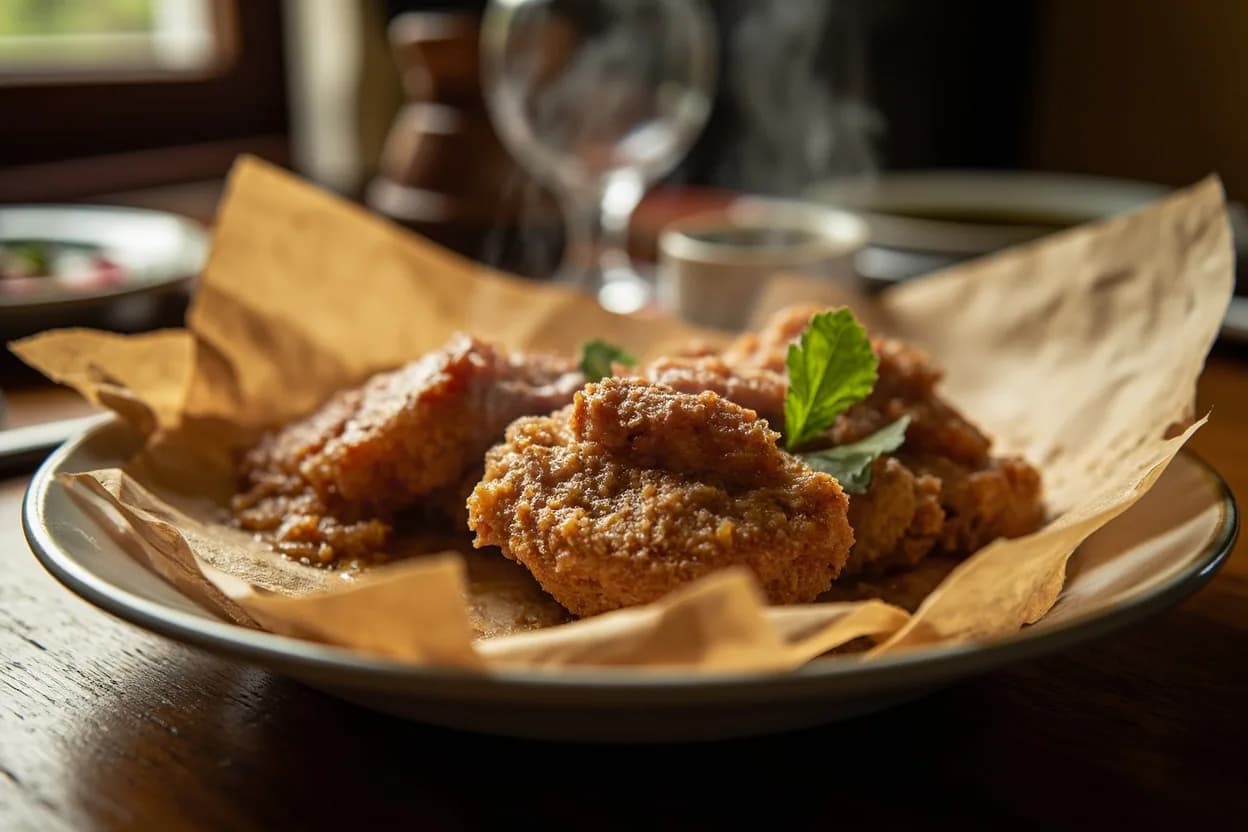
Kajmak is made by gently simmering milk, letting it cool slowly, and skimming off the clotted layer that forms on the surface repeatedly over one to several days, then salting and often lightly fermenting the accumulated layers in a crock. The result sits between whipped butter and a soft cheese: higher in fat and more spreadable than a Western clotted cream, less processed than butter (no churning), and less acidic than most fresh cheeses. Serbian and wider Balkan cooks use it two ways that have no clean Western analogue: stirred hot into a dish just off the heat (over grilled meat, into beans, inside a stuffed schnitzel like Karađorđeva šnicla) where it melts into a rich sauce, or eaten cold spread on bread as a savory table item on its own. Industrially made versions exist, but the artisanal, farmhouse kajmak made from unpasteurized milk is considered meaningfully better and is a genuine point of regional pride, particularly from Vojvodina's dairy country.
Ajvar-making is a household production event, not just a condiment recipe
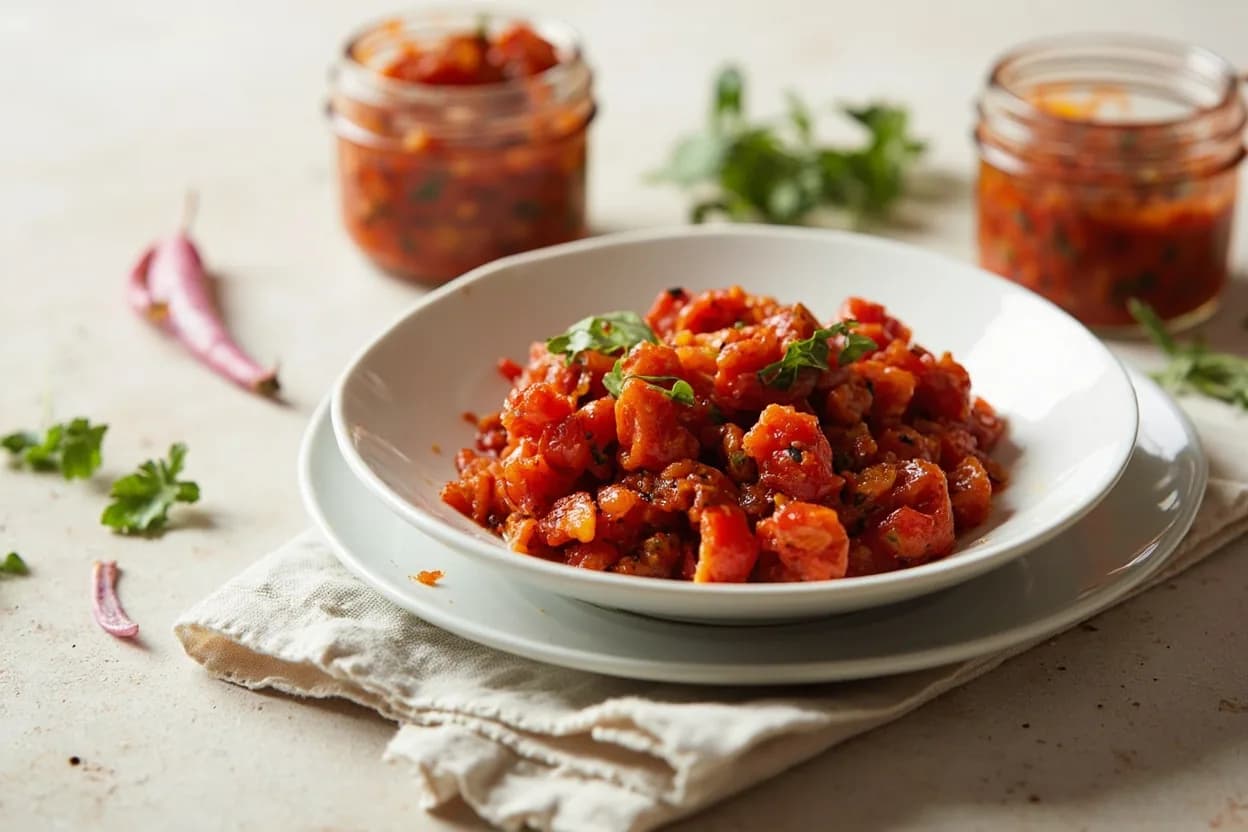
Each autumn, when red peppers (and often eggplant) are at their cheapest and most abundant, many Serbian households — along with neighboring Balkan households — undertake a multi-day domestic production run of ajvar: roasting enormous quantities of peppers over open flame or on a grill until charred, peeling them by hand, then slow-cooking the flesh down with oil (and sometimes eggplant) for hours, stirring constantly to prevent scorching, before jarring it while hot to seal without refrigeration. Extended families often do this together in a single weekend, producing enough sealed jars to last the entire following year, in a domestic-canning tradition functionally similar to American home tomato-canning but organized around a single specific vegetable and a fixed autumn week. The name is shared with, and the practice disputed among, several Balkan nations (Serbia, North Macedonia, Bosnia), which is itself evidence of how far the dish predates the modern national borders.
The slava is a religious institution with a specific bread, not a generic family feast
The slava — the feast day of a household's inherited patron saint, passed down the patrilineal line and unique to Serbian Orthodox practice among the Slavic Orthodox churches — has its own required foods rather than being an open-ended celebration. A priest blesses a specially prepared round bread (slavski kolač, marked with a cross and dove motif pressed into the dough before baking) in a home ceremony that includes cutting and rotating the bread three times while singing a specific hymn, and žito — wheat berries boiled and sweetened with sugar, walnuts, and sometimes cocoa, offered in memory of ancestors — is served alongside it as close to obligatory. Because the specific saint and date are inherited rather than chosen, a Serbian person's slava is fixed for life by family line, and the meal that surrounds the bread ceremony (a large spread of roast meat, sarma, and pastries) is planned around whichever calendar date that happens to be, unconnected to any national holiday.