Central Asia / Mongolian Steppe
Mongolian
Also: Mongolian Cuisine, Steppe Cuisine
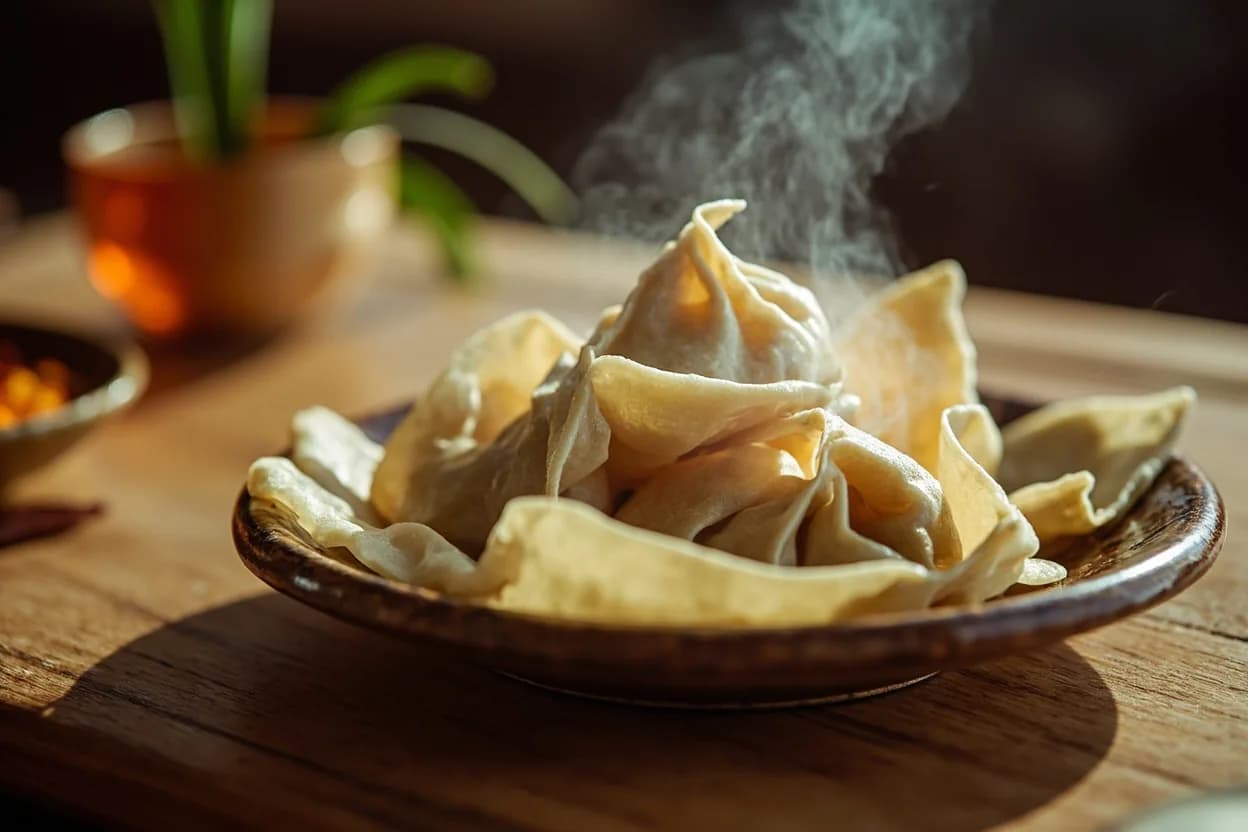
A pastoral-nomadic diet of boiled mutton, dumplings and dairy — buuz, khorkhog and airag, built around herds rather than fields, with almost no vegetables and no farming logic at all.
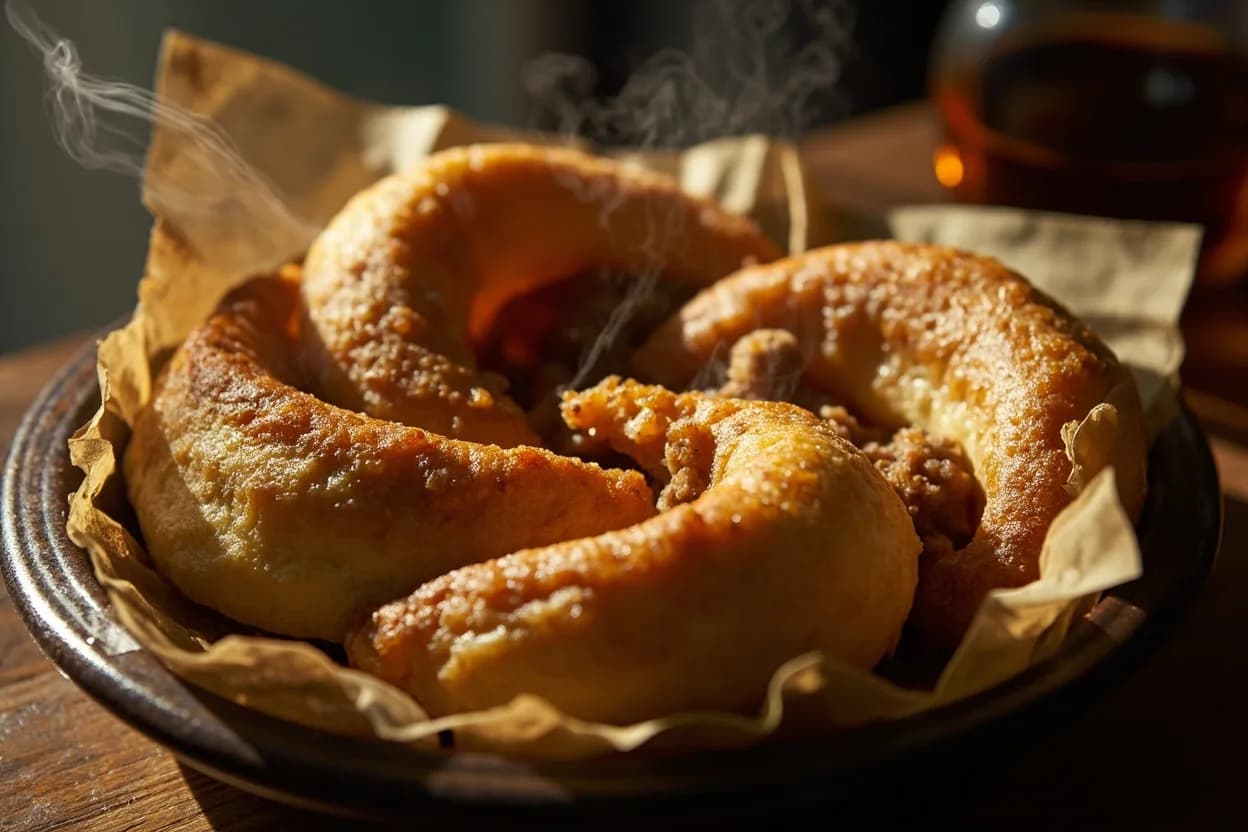
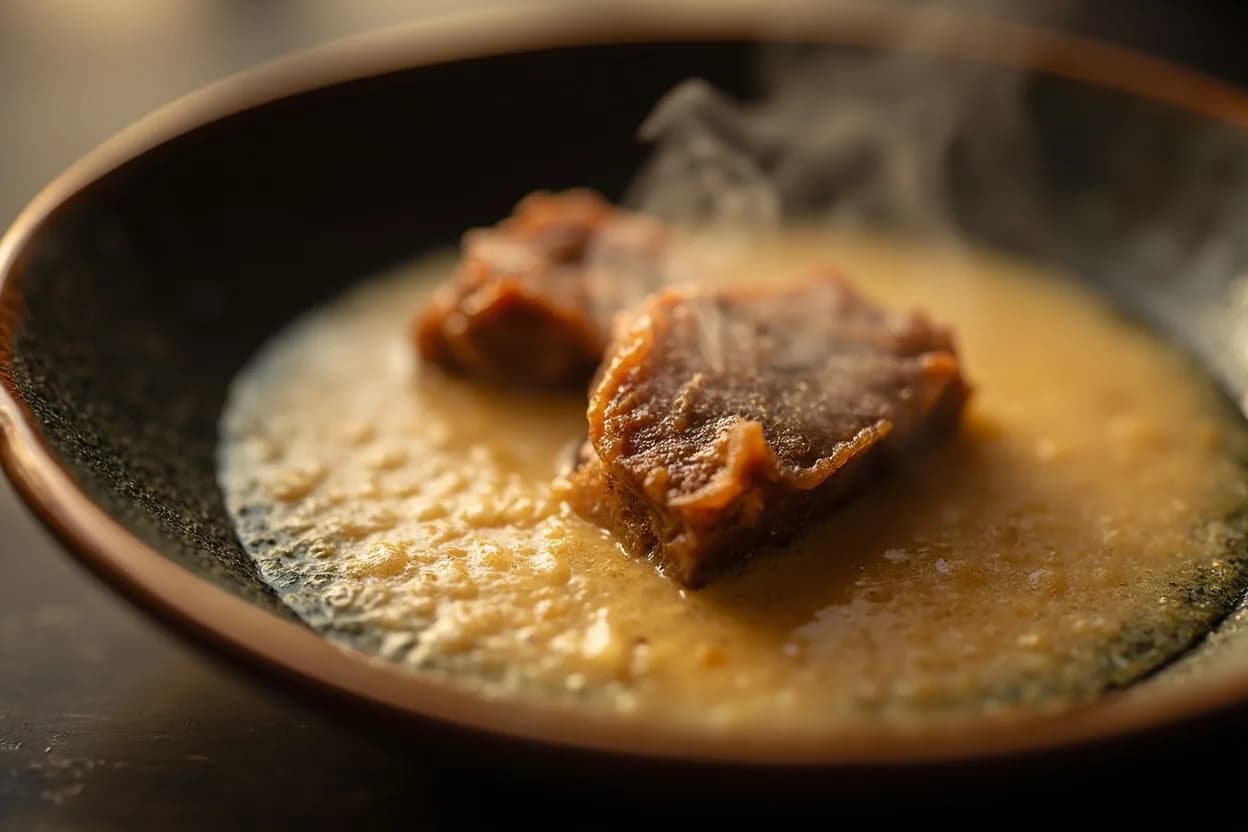
Mongolian cuisine is a herding cuisine, not a farming one: it is organized around the five livestock species (sheep, goats, cattle/yak, horses, camels) and what they yield rather than around grain or vegetable agriculture. Meat (mostly mutton) and dairy are the two structural pillars, formalized in the traditional split between "white foods" (tsagaan idee — milk, yogurt, cheese, milk-spirit) eaten through the warm months and "red foods" (ulaan idee — meat) that dominate in winter when animals are slaughtered and dairy production stops. Flour, mostly imported or Chinese-influenced, appears late and mainly as dumpling wrappers and fried breads rather than as a staple in its own right.
The flavour base
Salt and rendered animal fat are the primary seasoning; black pepper appears in some meat dishes but the palate is otherwise deliberately plain, letting the fat and the meat's own flavor carry the dish. Milk tea (suutei tsai) — green brick tea boiled with milk, salt and sometimes butter — functions almost as a seasoning liquid in its own right, used to wash down fatty food and rehydrate dried dairy. Wild garlic, wild onion and occasionally dill are the only fresh aromatics used with any regularity; fresh herbs and chilies are essentially absent.
Pantry staples
Key ingredients
Signature techniques
Signature dishes
At the table
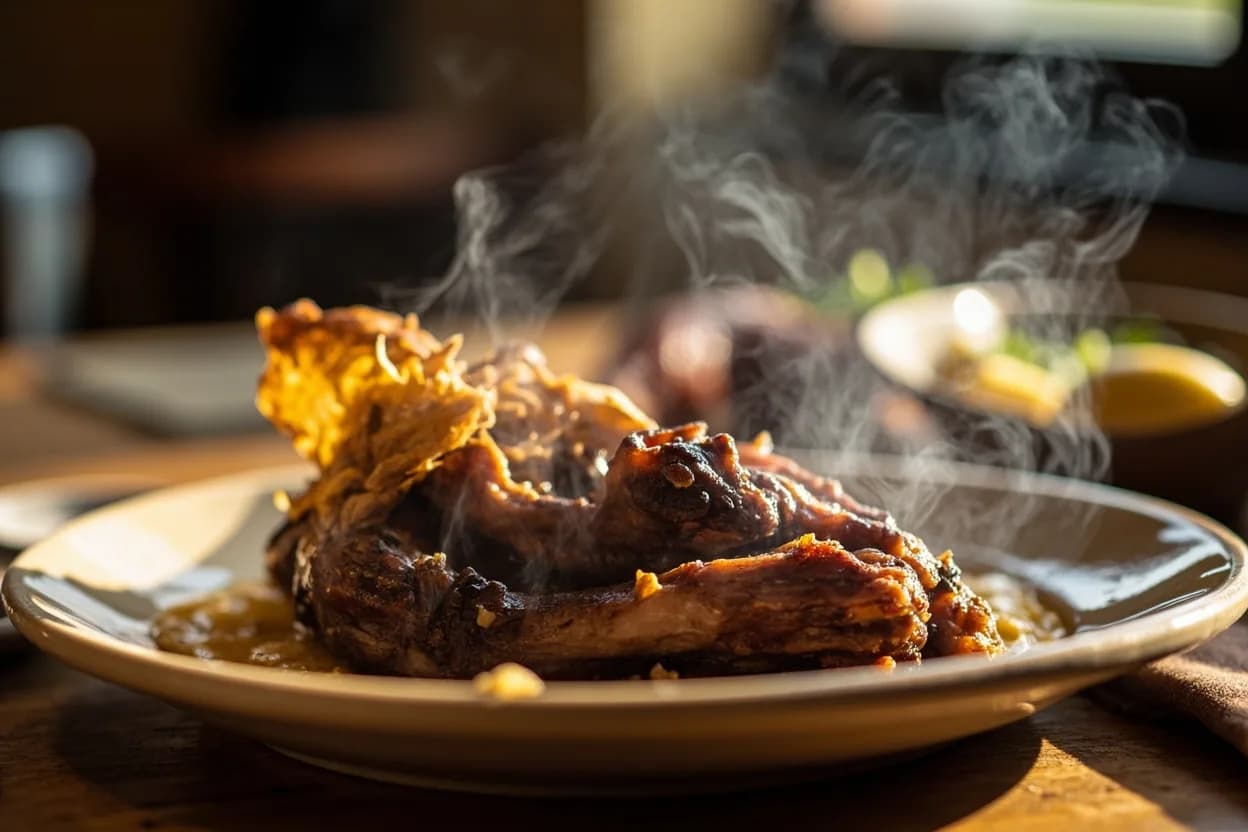
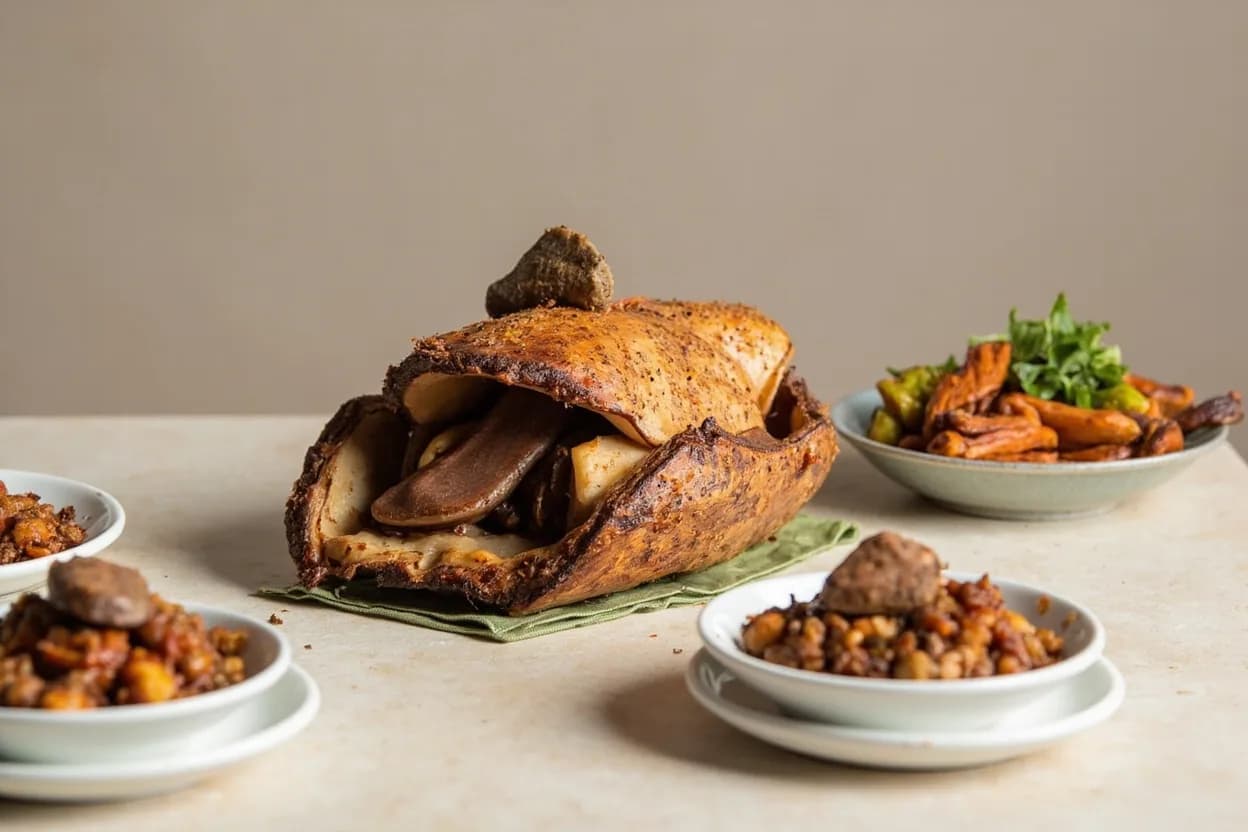
The main event of a meal is meat, boiled or steamed rather than roasted, served with the cooking broth on the side and eaten by hand off the bone with a knife. Milk tea is drunk throughout the day and often accompanies or opens a meal; dairy products (aaruul, urum, tarak) are grazed on rather than plated as a course. Guests are served the choicest cuts and a full sheep's head or back is ceremonial food for honored visitors and festivals (Tsagaan Sar, the lunar new year, and Naadam in summer); hospitality obligates a host to offer food and drink to any visitor regardless of notice, a norm rooted in the logistics of a dispersed, mobile population.
History & context
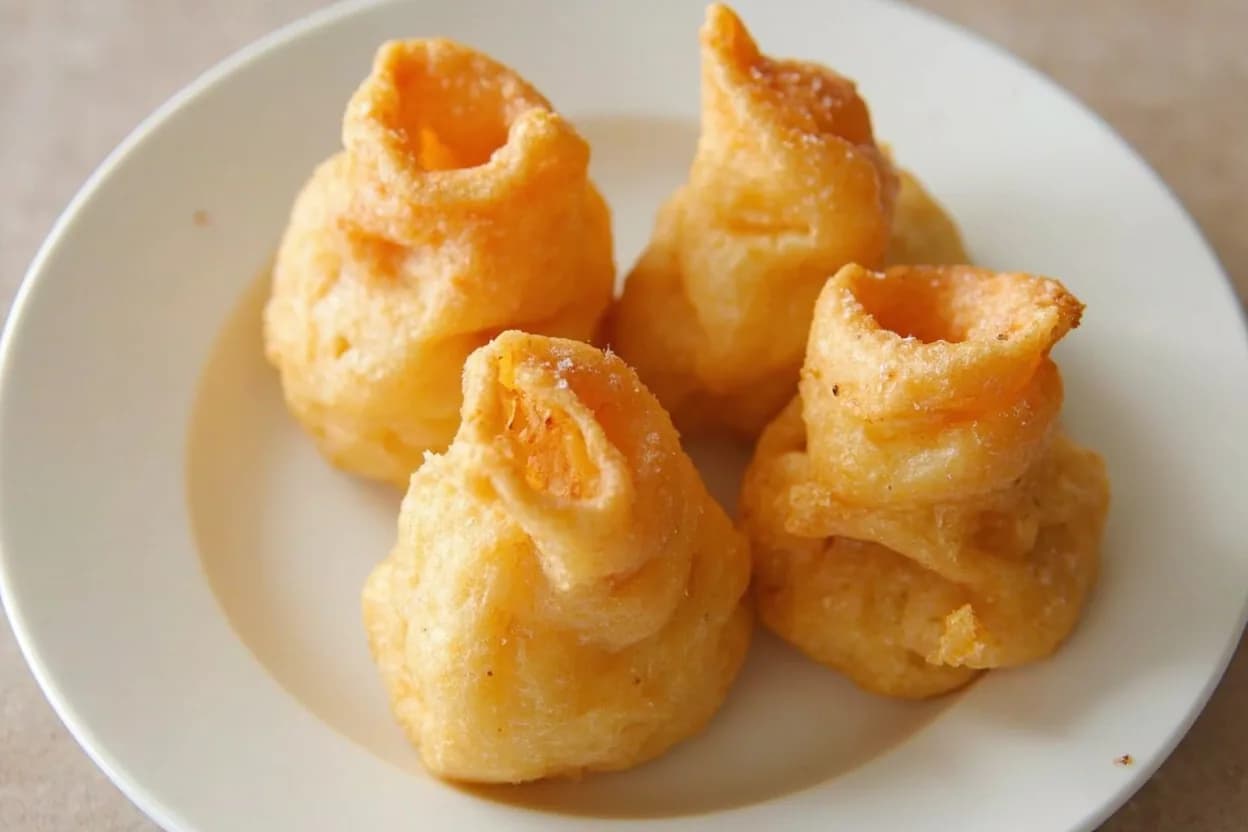
Mongolian food culture predates the 13th-century empire but is inseparable from it: the Secret History of the Mongols and Yuan-era Chinese and Persian accounts describe an army that traveled on dried curd (aaruul) and fermented mare's milk (airag), living off herds that moved with it — a logistics system as much as a cuisine. Centuries of trade and, later, Qing-period administration brought wheat flour, tea bricks and some vegetables in from China, giving rise to dumplings (buuz, khuushuur) that sit on top of the older dairy-and-meat base rather than replacing it. The 20th century brought the sharpest disruption: after the 1921 revolution and especially under state socialism from the 1930s to 1990, herds were organized into collective negdel cooperatives, urban populations grew around mining and industry, and Soviet-style canned goods, bread and vodka entered the diet alongside traditional foods. The 1990 transition to a market economy dissolved the collectives and returned much herding to private household herds, reviving older nomadic patterns even as Ulaanbaatar's urban population — now over half the country — eats a more mixed, imported diet. Little of this history involves crop agriculture at any scale; the terrain simply does not support it outside a few river valleys, which is the single fact that explains the cuisine.
Regional variations
- Gobi Desert south
Camel milk and camel meat supplement sheep and goat where camels are herded; drier climate favors more dried, storable dairy.
- Khövsgöl and northern taiga
The Tsaatan reindeer herders' diet centers on reindeer milk and meat rather than sheep, a distinct minority tradition within Mongolian food culture.
- Ulaanbaatar and urban centers
Greater access to vegetables, imported goods, Korean and Chinese restaurants, and bread has diluted the meat-and-dairy structure for a large, now-majority urban population.
- Inner Mongolia (China)
A related but distinct Mongolian-food tradition shaped by closer, longer Han Chinese contact — more wheat noodles, more vegetables, different tea customs.
Related cuisines
Shares the same nomadic-pastoral logic — boiled mutton, fermented mare's milk, dried curd — but Kazakh cuisine developed its horsemeat sausages (kazy) and beshbarmak in closer, longer contact with Central Asian Turkic and Russian influences.
Shares yak dairy, butter tea and barley-adjacent staples at altitude, but Tibetan cuisine leans more on roasted barley flour (tsampa) where Mongolian leans on dried curd and wheat dumplings.
Both use mutton fat as a base seasoning and share dumpling forms (manti/buuz are close cousins), but Uzbek cuisine is a settled, irrigated-agriculture cuisine built on rice, bread and orchard fruit that Mongolia's terrain cannot support.
Canonical recipes
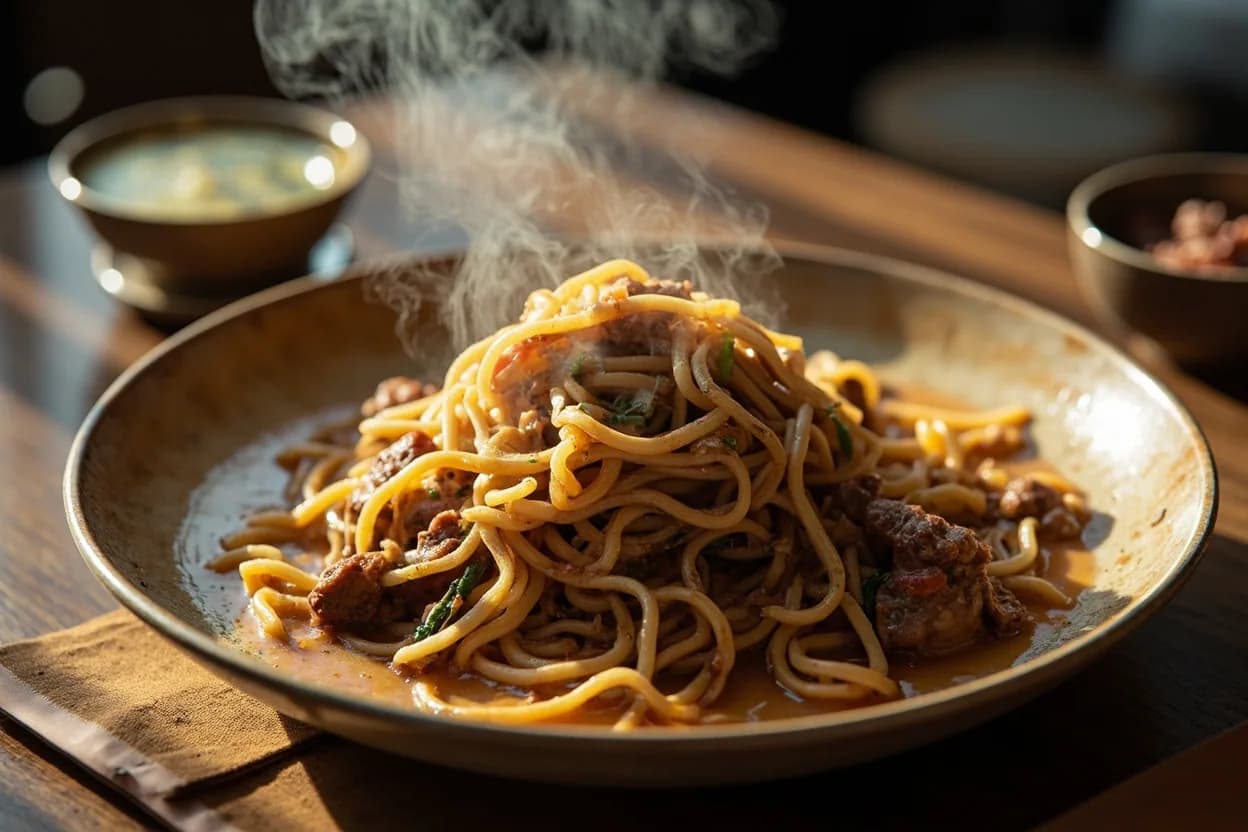
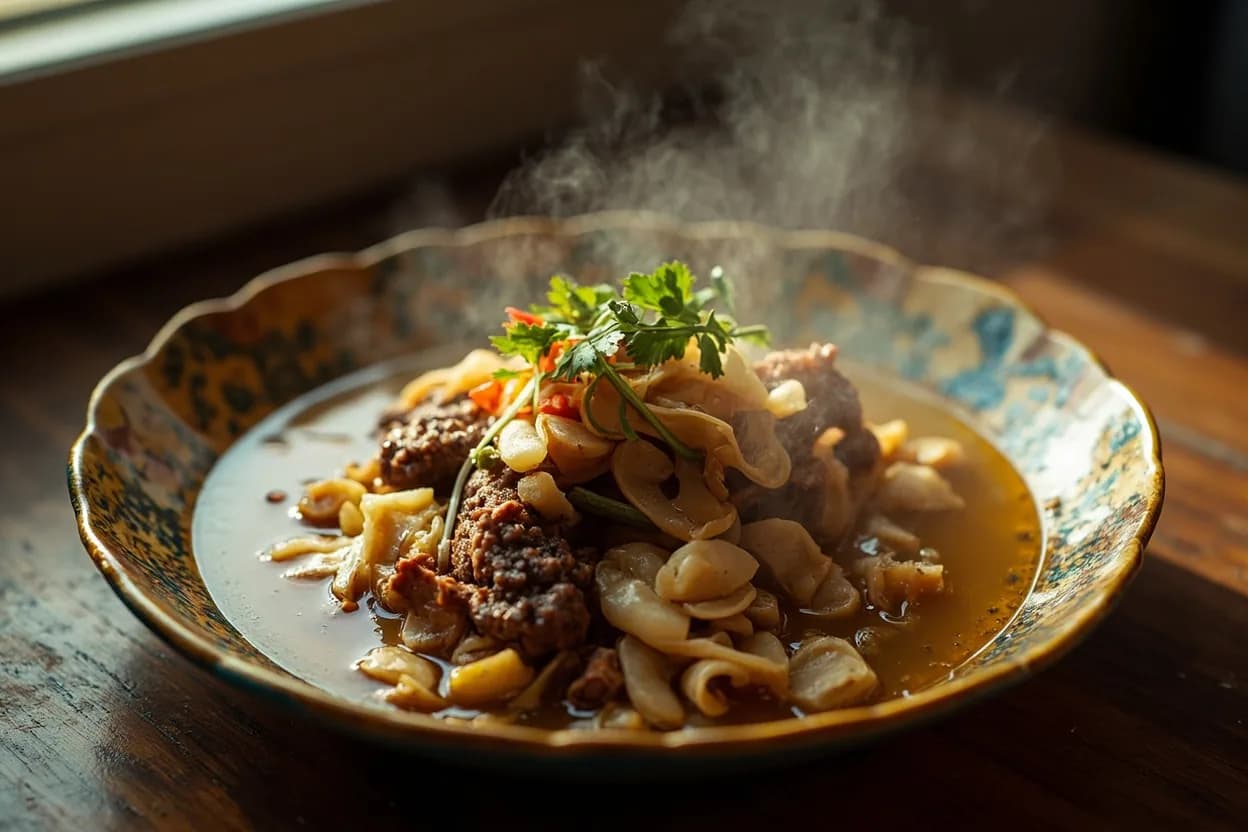
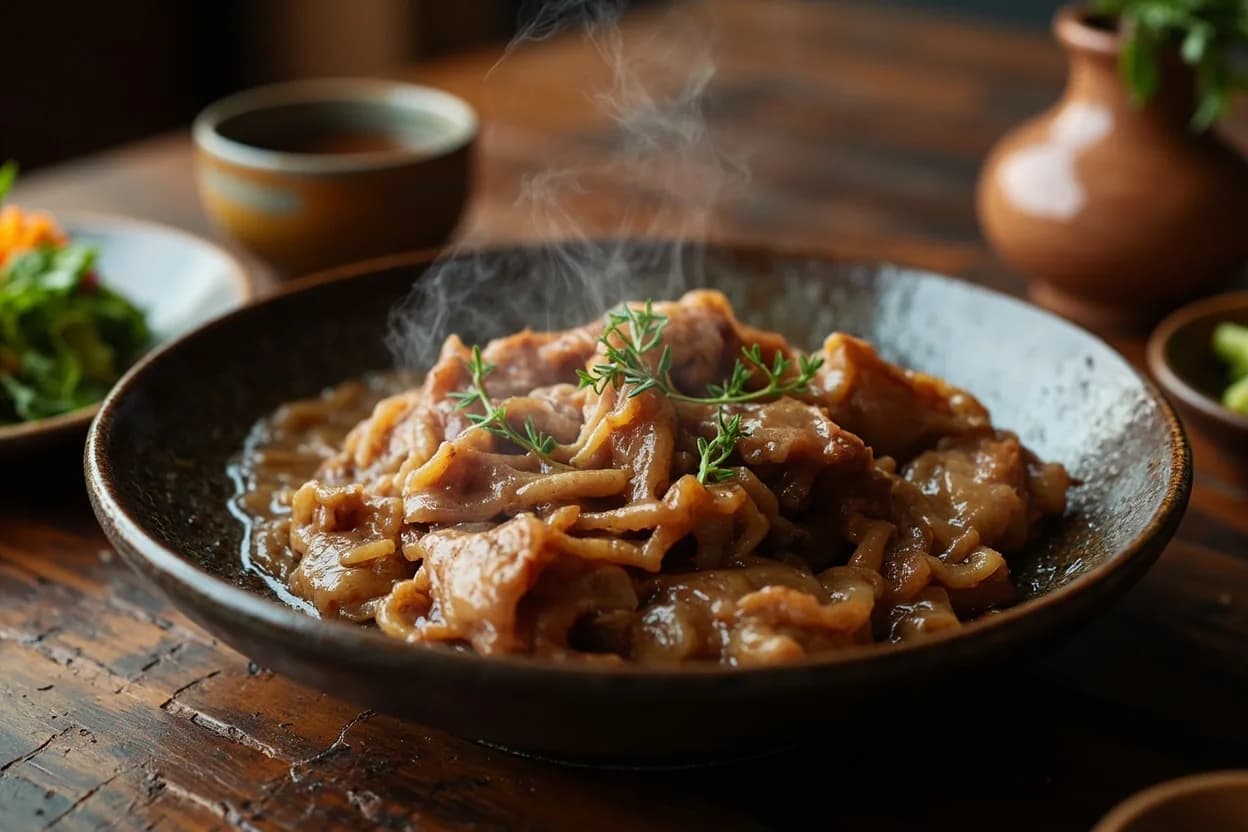
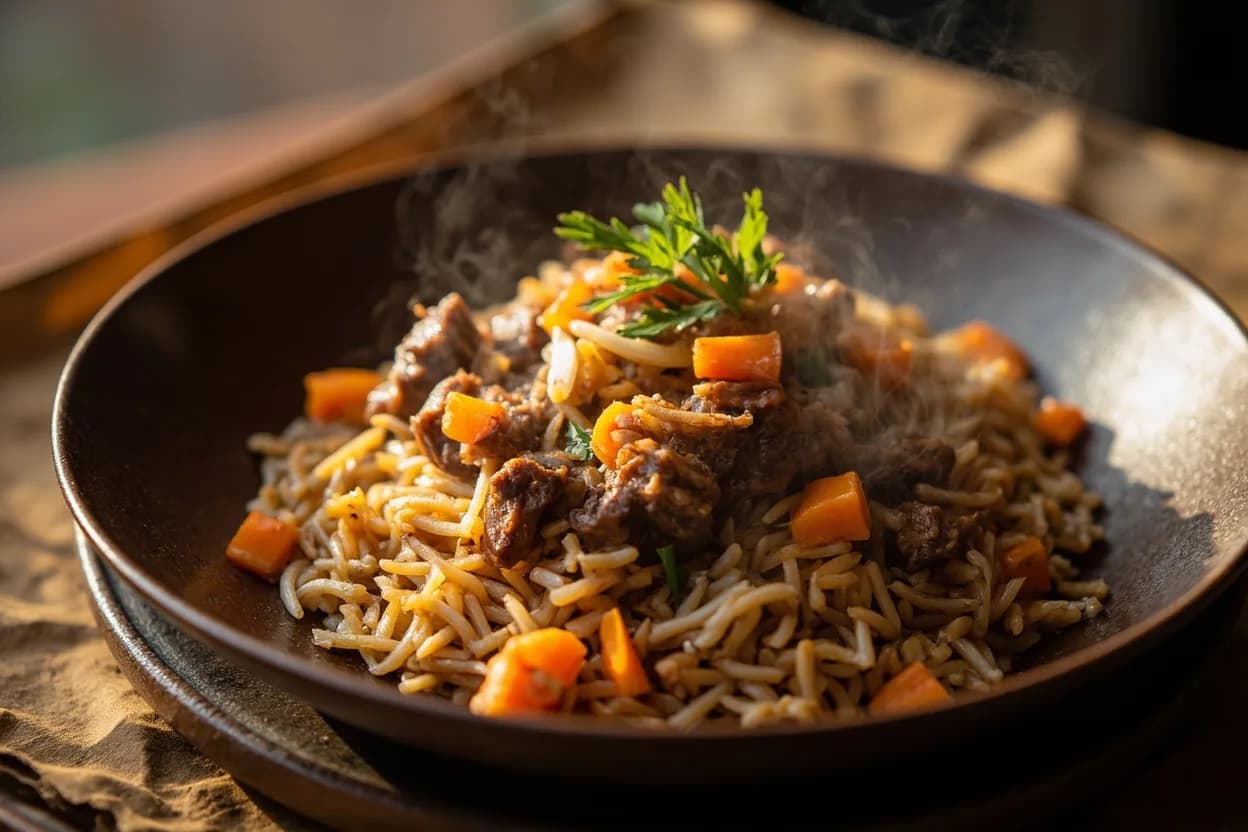
The dishes that define Mongolian, documented in the Canon.
References
- 1.Beyond the Great Wall: Recipes and Travels in the Other China — Jeffrey Alford and Naomi Duguid (Artisan, 2003)
- 2.The Secret History of the Mongols — translated by Igor de Rachewiltz (Brill, 2004)
- 3.Milk! A 10,000-Year Food Fracas — Mark Kurlansky (Bloomsbury, 2018)
- 4.Genghis Khan and the Making of the Modern World — Jack Weatherford (Crown, 2004)
Confidence: medium
Notes
White foods and red foods are a real seasonal calendar, not folklore branding
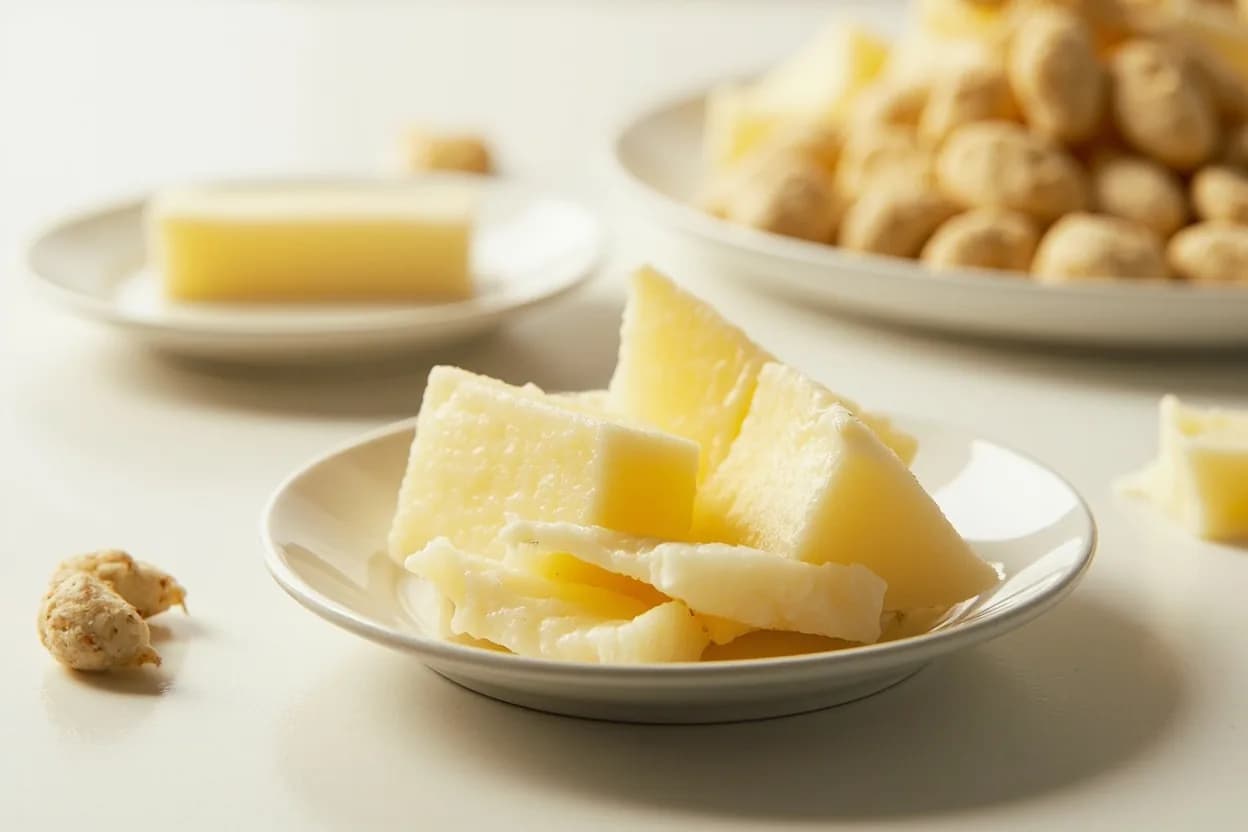
The tsagaan idee / ulaan idee division is a genuine structural principle, not a modern marketing frame. Through spring and summer, herds are lactating and the diet shifts almost entirely to dairy — fresh yogurt (tarak), dried curd (aaruul), clotted cream (urum) and fermented mare's milk (airag) — because animals are kept alive and milked rather than slaughtered while they can still reproduce and fatten. Meat becomes scarce and prestigious in this season. From autumn, once animals have fattened for winter and milk yields drop, herders slaughter and the diet flips to 'red food' — meat, much of it dried or frozen for the winter months when fresh dairy is unavailable. A Mongolian year is legible, food-wise, as two distinct diets stitched together by the reproductive and lactation cycle of livestock, and Tsagaan Sar (the lunar new year, literally 'White Month') marks the transition point with a ritual dairy-and-dumpling table.
Airag is mildly alcoholic and was drunk instead of water
Airag (kumis in the broader Turkic-Mongol world) is mare's milk fermented by wild lactic bacteria and yeasts into a sour, faintly fizzy drink of roughly 1-3% alcohol. Because mare's milk lacks the fat needed to make butter or hard cheese but ferments easily, herders turned it into a beverage that was safer to drink than untreated water and calorically useful in a diet otherwise short on carbohydrate. Production is seasonal and labor-intensive — mares must be milked roughly every two hours through the day — which is why airag festivals cluster in summer when mares are lactating heavily, and why it remains bound up with hospitality and ceremony (guests are traditionally offered a bowl on arrival) rather than treated as an everyday commodity drink.
Collectivization reorganized, but did not erase, the herding economy
From the 1930s the Mongolian People's Republic pushed herders into negdel collectives, following the Soviet model, which changed ownership and logistics but not the underlying pastoral techniques — herders still moved with the seasons and the same slaughter and dairy calendar continued inside a collectivized structure. The 1990 collapse of state socialism dissolved the negdel system almost overnight and returned herds to household ownership, which paradoxically caused a partial re-nomadization: herd numbers and the number of herding households both rose through the 1990s as urban workers returned to herding when state jobs disappeared. This makes modern Mongolian pastoralism unusual among the region's post-Soviet food economies — rather than a permanent shift toward settled, industrial agriculture, the post-Soviet period saw a genuine partial return to older mobile-herding patterns, even as Ulaanbaatar itself grew into a majority-urban capital eating an increasingly separate, mixed diet.