Central Asia
Uzbek
Also: Uzbek Cuisine, Uzbekistani Cuisine
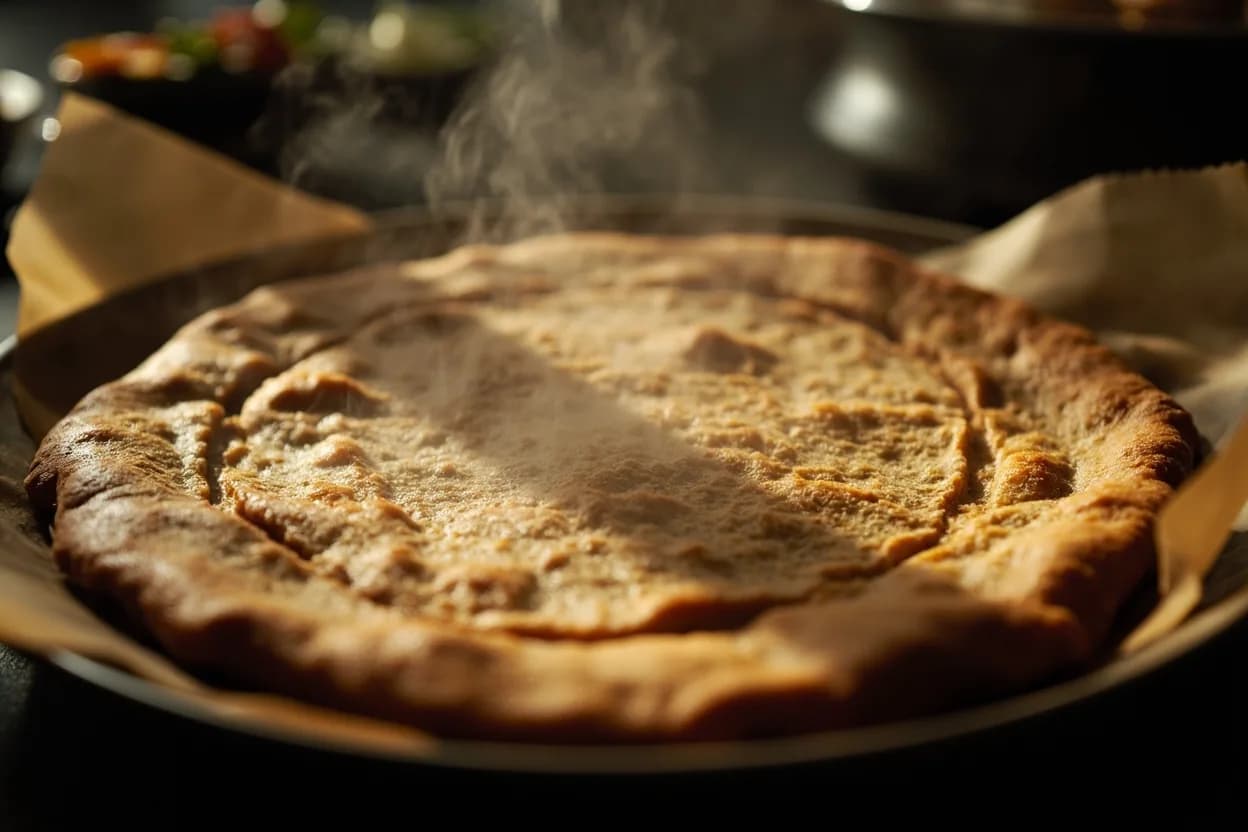
A Persianate, oasis-agriculture cuisine built on rice pilaf, tandoor bread and orchard fruit — plov that changes character from Tashkent to Samarkand to Bukhara, non bread, and manti dumplings.
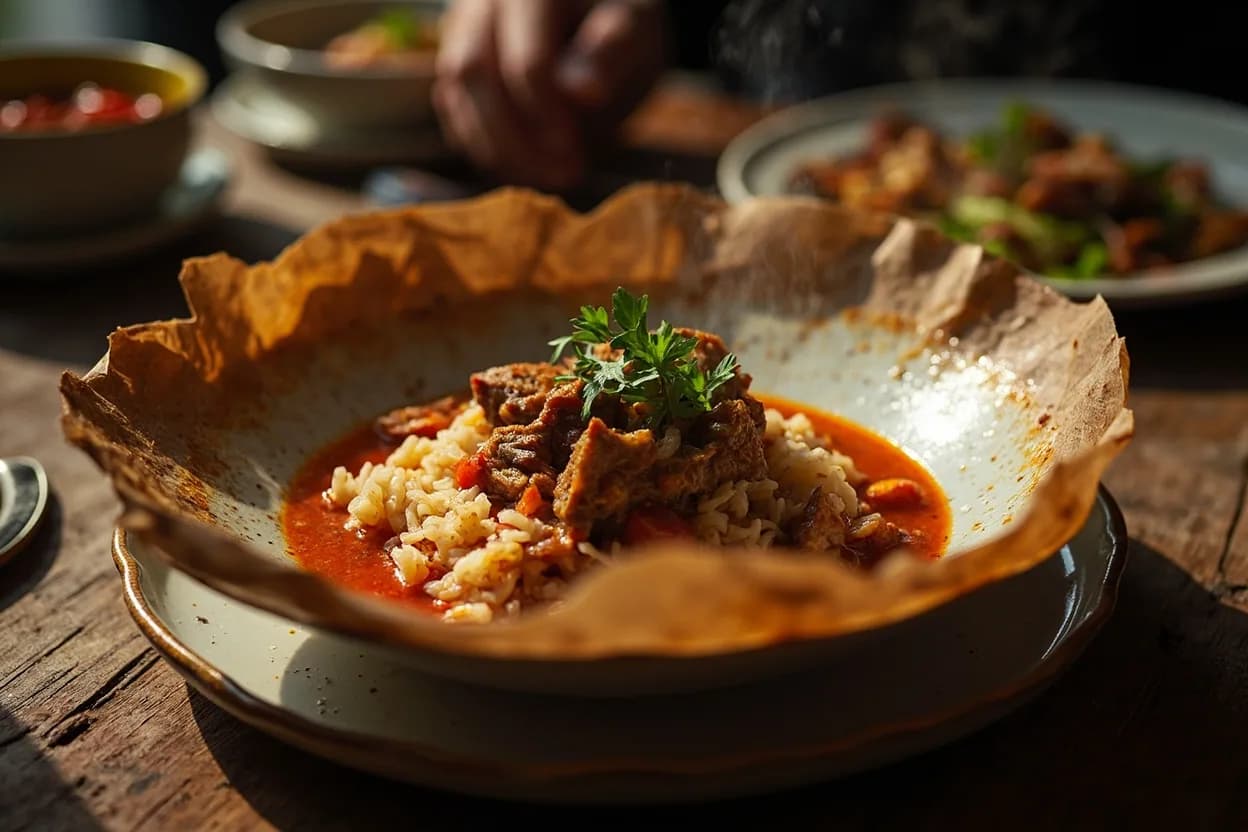
Uzbek cuisine is a settled, irrigation-agriculture cuisine of the Silk Road oases — the opposite structural logic to the nomadic-pastoral cuisines of its steppe neighbors. Its base is rice grown in irrigated paddies, wheat baked in clay tandoor ovens, orchard fruit and dried fruit, and vegetables, cooked in rendered fat (traditionally mutton-tail fat, dumba) with a Persian-derived vocabulary (osh, non, sambusa) still visible under Turkic surface names. Plov (osh) is the cuisine's center of gravity, but it is not one dish — regional plov styles differ sharply enough that a Tashkent, Samarkand, Bukhara and Fergana plov can look and taste like distinct preparations sharing only rice, meat, carrot and onion.
The flavour base
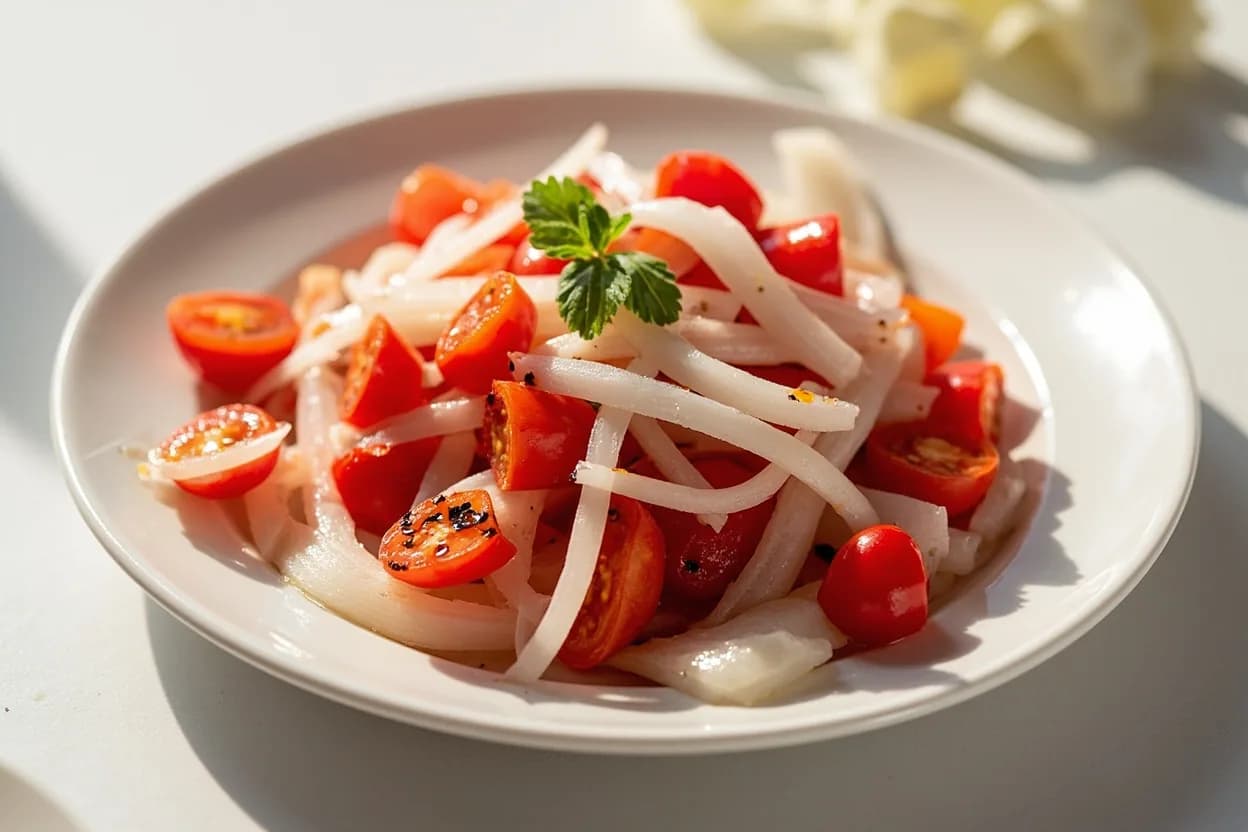
Rendered mutton-tail fat (dumba) or vegetable oil heated until smoking is the base of most cooked dishes, into which cumin, whole or crushed coriander seed, and barberries are the characteristic spicing for plov specifically. Garlic (often a whole head added intact to plov), yellow and black carrot, and dill or cilantro round out the aromatic base; fresh tomato and onion, raw or lightly pickled, are used constantly as a garnish-salad (achichuk). Dried and fresh fruit — apricot, raisin, quince, pomegranate — are folded into savory cooking, not reserved for dessert.
Pantry staples
Key ingredients
Signature techniques
Signature dishes
At the table
Bread (non) is treated with near-ceremonial respect — never placed upside down, never thrown away — and opens and structures a meal; guests break bread together before anything else is served. A full meal proceeds from tea and small dishes (bread, dried fruit, nuts) through one or more soups (shurpa, mastava) to the main course, with plov reserved as the climactic, often celebratory dish served from a single large communal dish (lyagan) at weddings, funerals and Friday gatherings, traditionally cooked by a designated plov-master (oshpaz) in a giant qozon (cauldron) for dozens or hundreds of guests. Green tea (choy) is poured continuously throughout and after a meal rather than at a fixed point.
History & context
Uzbek food culture is the product of millennia of oasis civilization along the Silk Road — Bukhara, Samarkand and Khiva were major trade and irrigation centers under successive Persian, Turkic and Mongol rule, which is why the cuisine's vocabulary (osh, non, sambusa/samsa) is heavily Persian even though the modern population and language are Turkic. The Timurid era (14th-15th century) consolidated Samarkand and Bukhara as centers of settled, garden-and-orchard culture whose fruit, nuts and bread traditions persist essentially unchanged in structure. Russian imperial expansion into Turkestan from the 1860s and Soviet rule from the 1920s brought major disruption: Soviet planners converted vast irrigated acreage to monoculture cotton (the 'cotton campaign'), squeezing land previously used for food crops and orchards and contributing to the Aral Sea's later collapse; collectivization also forcibly settled remaining nomadic and semi-nomadic groups within Uzbekistan's borders. The Soviet period simultaneously standardized and formalized many regional dishes for a unified 'Uzbek national cuisine' promoted through state cookbooks and restaurants, a process that shaped how plov in particular is now presented as a singular national symbol — Uzbekistan successfully nominated 'palov culture' for UNESCO's Intangible Cultural Heritage list in 2016 — even though its actual regional variation remains wide and its ingredients (rice, saffron-relatives, dried fruit) trace to a shared, contested Persianate and Silk Road inheritance rather than a single Uzbek origin.
Regional variations
- Tashkent
A lighter-colored, yellow-rice plov using more carrot and less oil than western regional styles, often considered the everyday urban baseline.
- Samarkand
A drier, layered plov where rice, meat and carrot are kept in distinct strata rather than mixed, cooked with more visible whole garlic and quince.
- Bukhara
Uses chickpeas and barberries more heavily and often adds raisins for a sweeter profile; also home to a distinctive dark, caramelized 'black' fat-heavy plov style.
- Fergana Valley
The rice-growing heartland; plov here is often considered the richest and most technically refined, with devzira rice prized specifically for absorbing fat and carrot juice without turning mushy.
Related cuisines
Shares plov (osh), manti, samsa and non almost dish-for-dish and the same Persianate vocabulary, reflecting a shared Persian-Turkic Silk Road oasis culture split across a modern border that does not track any older culinary boundary.
Uzbek settled dishes (plov, samsa, manti, lagman) were adopted into Kazakh cuisine, but Kazakh cuisine keeps them as additions to a fundamentally pastoral, dairy-heavy diet rather than as its structural center.
- Iranian/Persian
Supplies much of Uzbek cuisine's vocabulary and some technique (rice cookery, dried-fruit-in-savory-food, saffron-adjacent spicing), but Iranian cuisine uses far more herbs and a different rice-cooking method (tahdig, separate boil-and-steam) than Uzbek plov's single-pot method.
Canonical recipes
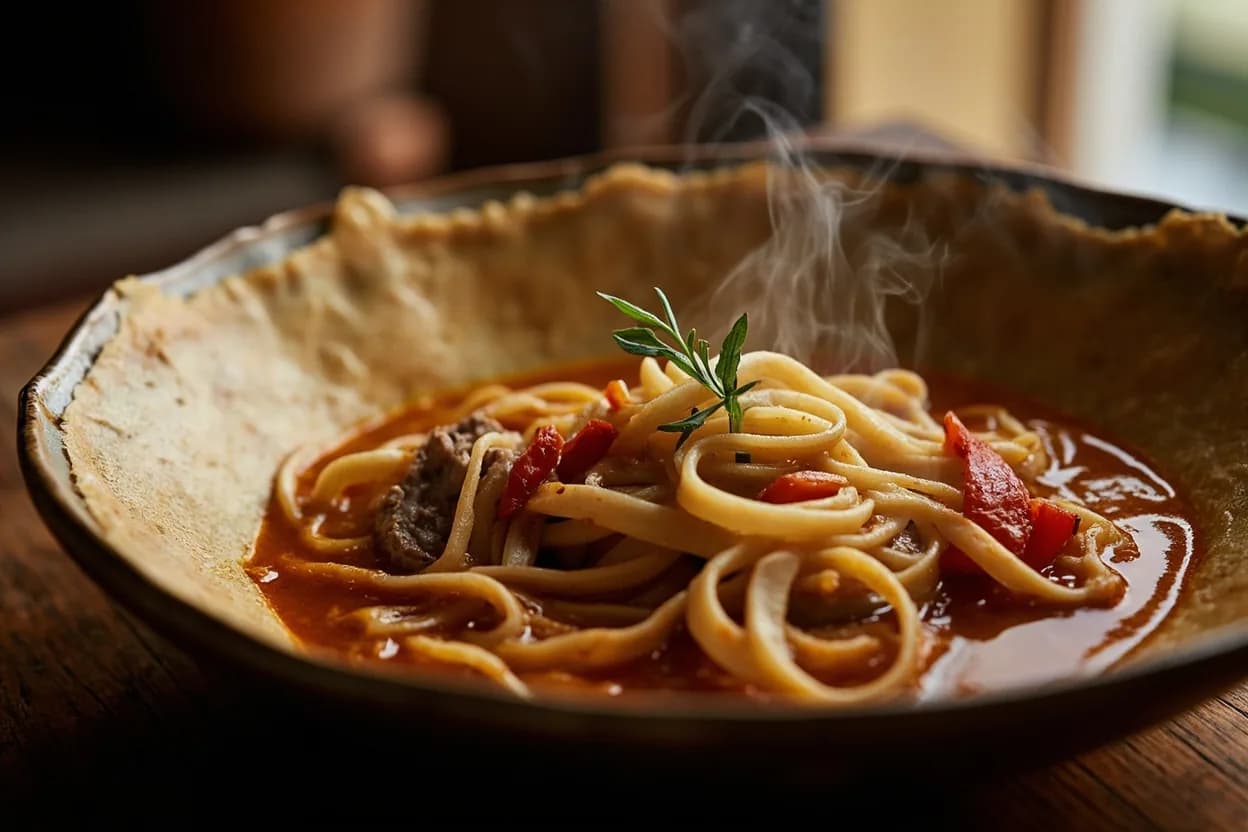
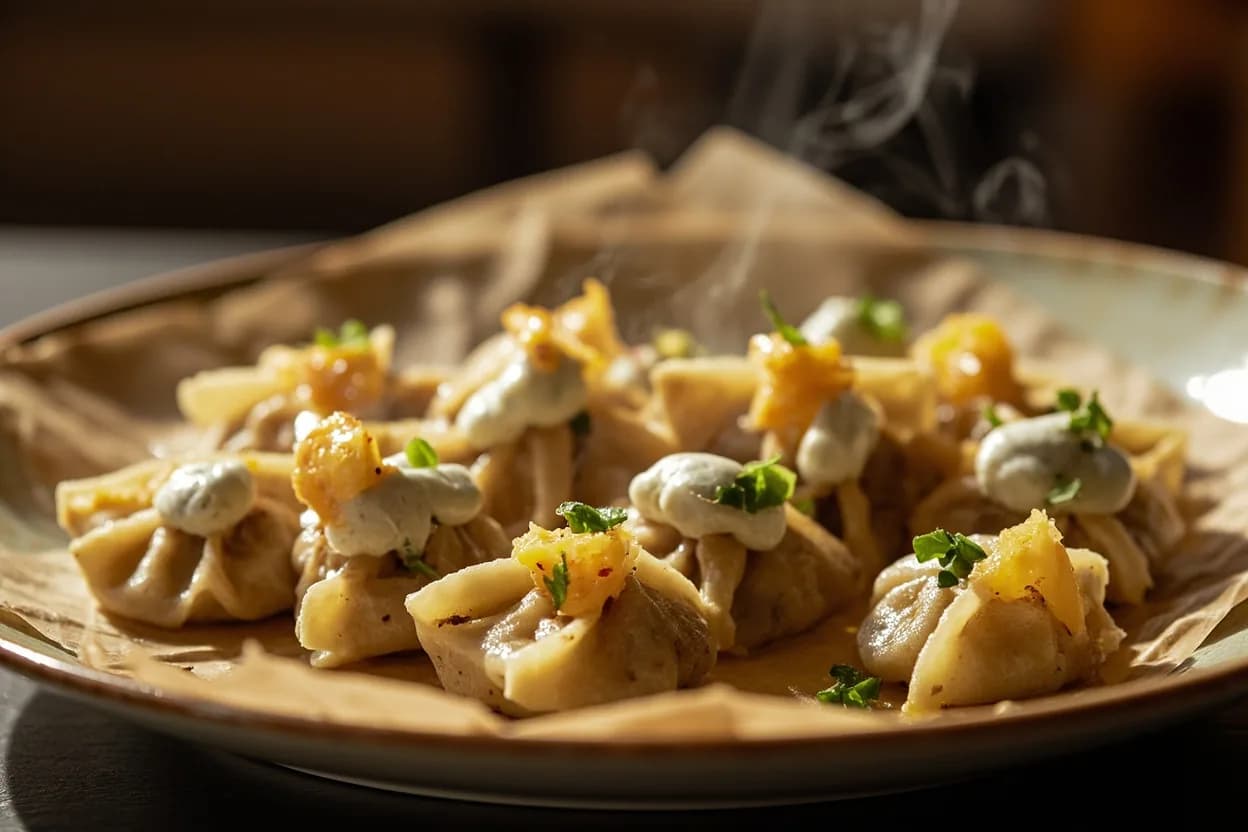
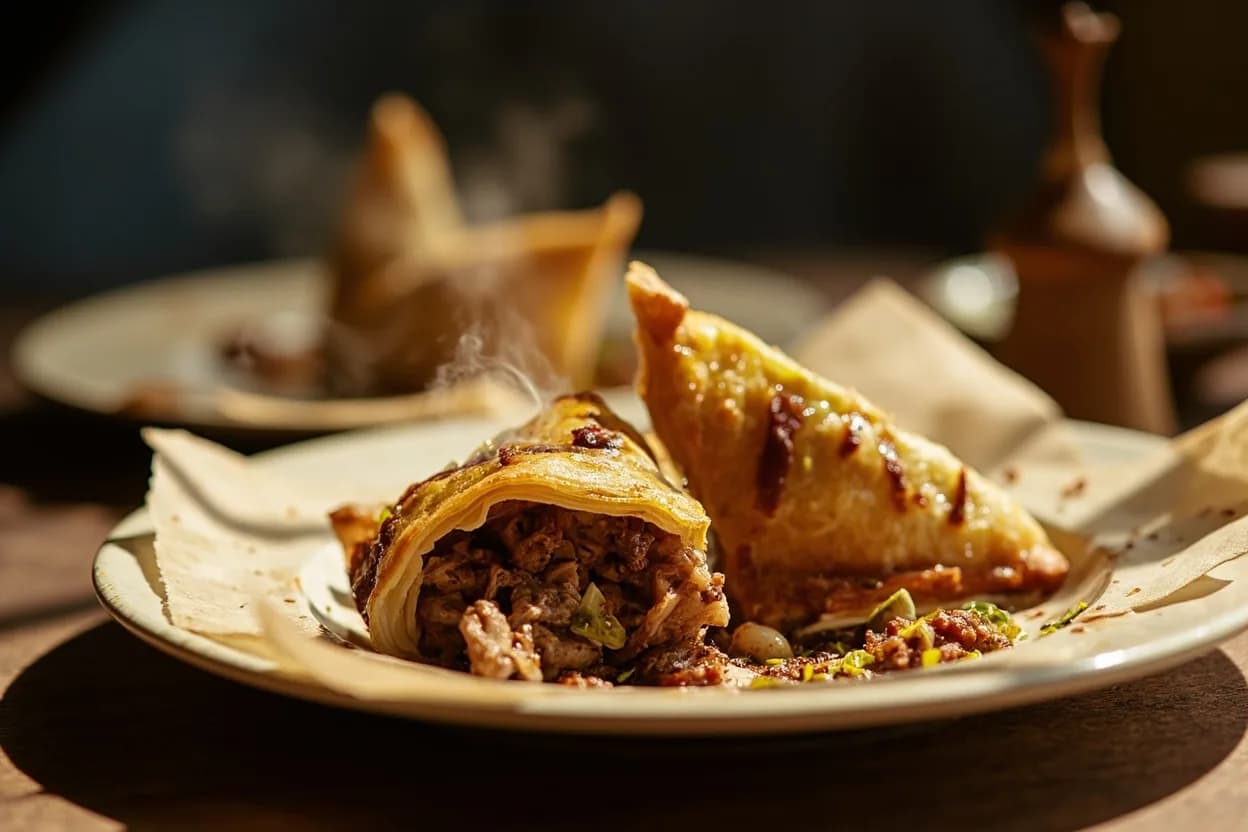
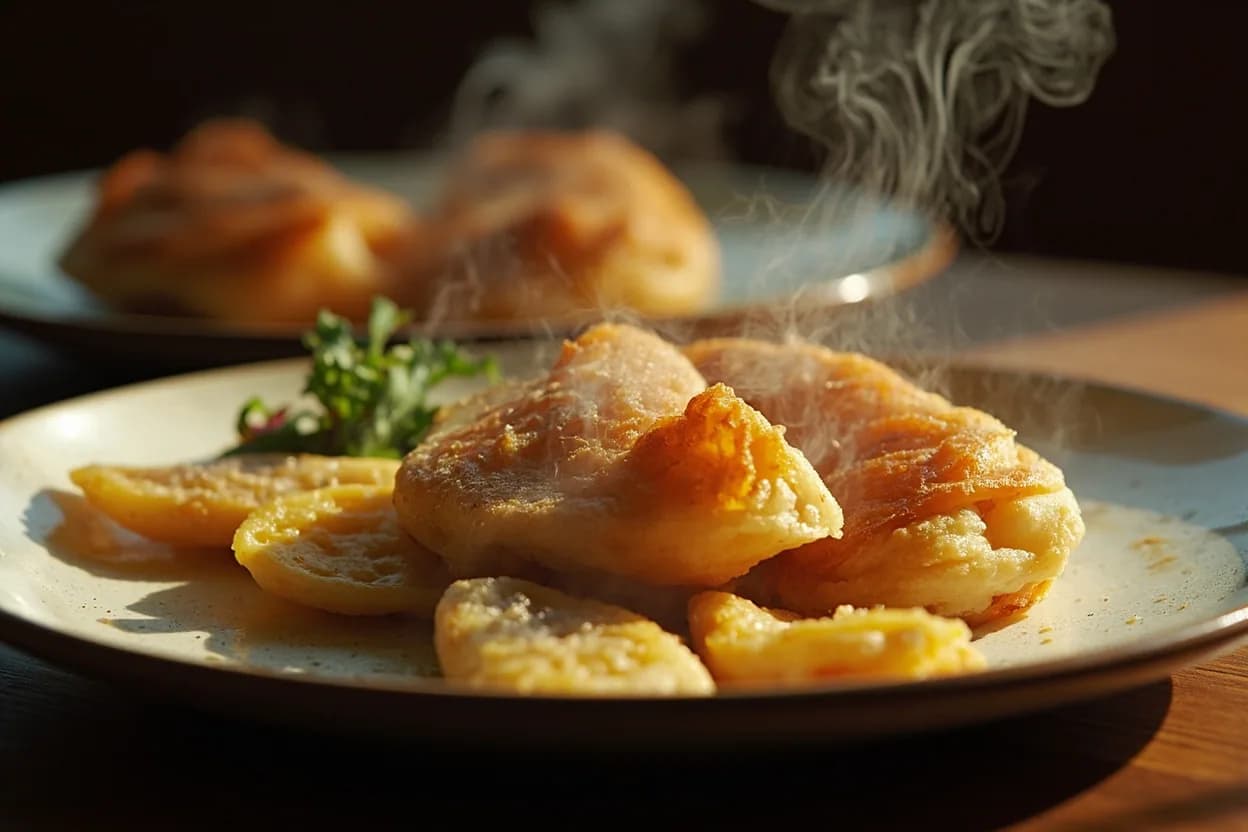
The dishes that define Uzbek, documented in the Canon.
References
- 1.Silk Road Cooking: A Vegetarian Journey — Najmieh Batmanglij (Mage Publishers, 2004)
- 2.Flatbreads & Flavors: A Baker's Atlas — Jeffrey Alford and Naomi Duguid (William Morrow, 1995)
- 3.Please to the Table: The Russian Cookbook — Anya von Bremzen and John Welchman (Workman, 1990)
Confidence: medium
Notes
Plov's 2016 UNESCO listing formalized a claim that is genuinely contested
Uzbekistan's 'palov culture' was inscribed on UNESCO's Representative List of the Intangible Cultural Heritage of Humanity in 2016, a milestone frequently cited locally as international recognition of plov as Uzbek national heritage. In practice, near-identical rice-and-meat pilaf dishes under cognate names (osh, palov, plov, oshi palov) are cooked across Tajikistan, Kyrgyzstan, Kazakhstan, Azerbaijan, Turkey, Iran and much of the wider Persianate and Turkic world, with disputed claims about where the technique of frying meat and onion before layering rice over it first developed. The UNESCO listing recognizes a living social practice (communal cooking for weddings and gatherings, the oshpaz tradition) rather than adjudicating culinary invention, but it is commonly read, including within Uzbekistan, as something closer to an ownership claim — worth naming as contested rather than settled, especially given how differently Tashkent, Samarkand, Bukhara and Fergana plov are actually made.
The Soviet cotton campaign quietly reshaped what could be grown for food
Starting in the 1920s-30s and intensifying after WWII, Soviet central planners directed a huge share of Uzbekistan's irrigated land into cotton monoculture to supply Soviet textile industry, a policy pursued so aggressively it is often blamed as the single largest driver of the Aral Sea's catastrophic shrinkage from river diversion. Land that might otherwise have grown food crops, orchards or fodder was converted to cotton, and rural labor, including compulsory student and worker cotton-picking mobilizations that continued for decades, was redirected accordingly. The effect on food culture was indirect but real: it constrained how much of Uzbekistan's famously fertile oasis land was actually available for the fruit, vegetable and rice production the cuisine depends on, and post-Soviet Uzbekistan has spent much of its independence period trying to diversify cropland back toward food production.
Naryn and norin are cold, communal, hand-torn noodle dishes with roots in nomadic Turkic cooking
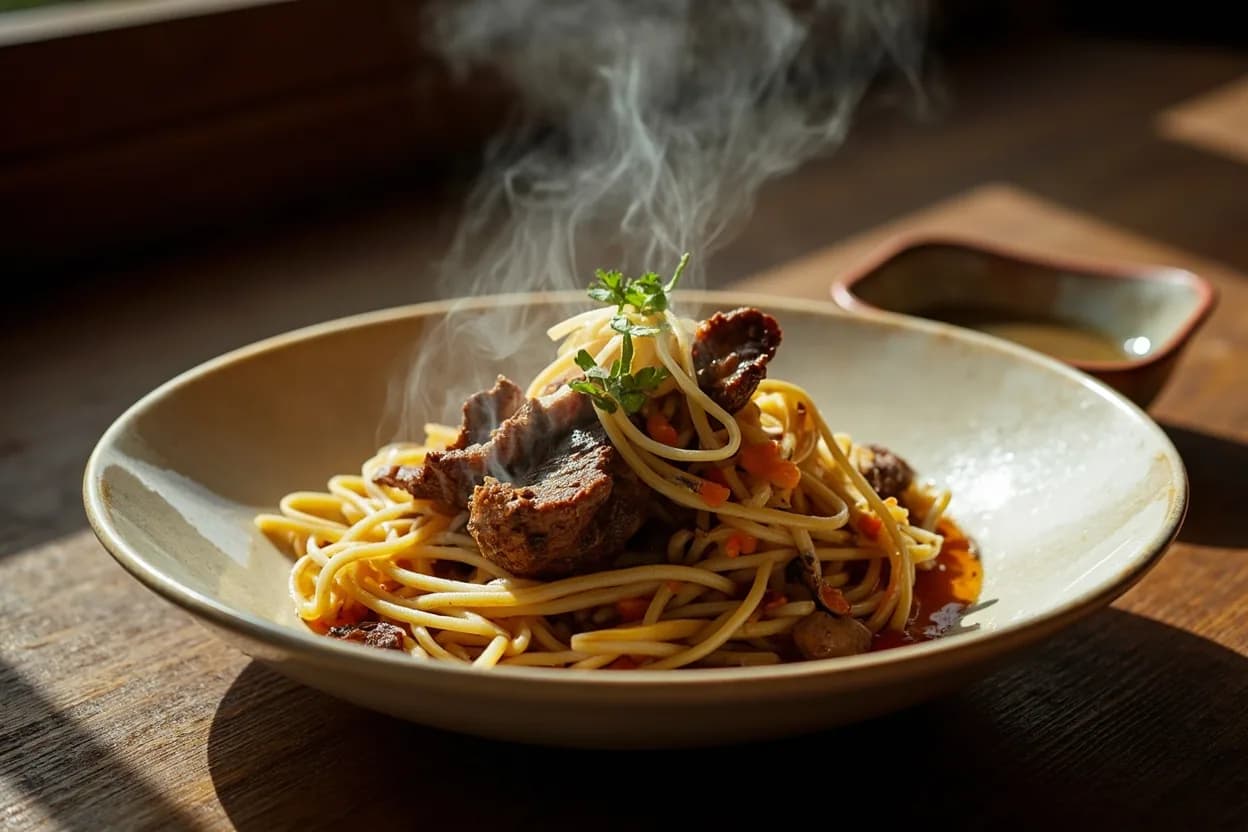
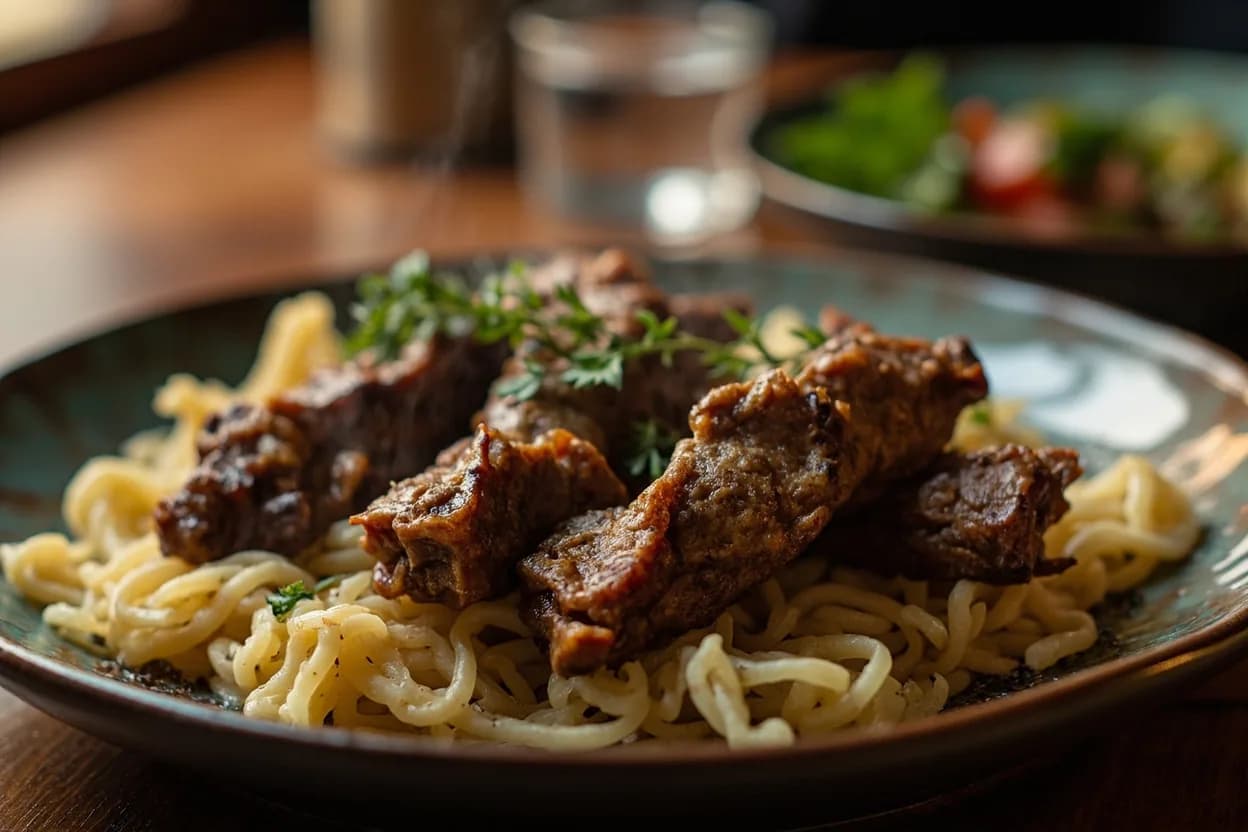
Naryn (and its close relative norin) — thin hand-cut or hand-torn noodles tossed cold with finely diced boiled meat, often horsemeat, and a light broth or onion garnish — sit oddly among Uzbekistan's mostly hot, rice-centered dishes, and that is because they trace to the nomadic Turkic (Kazakh, Kyrgyz, Tatar) tradition of preserving cooked meat and stretching it across a gathering by dicing it small and mixing it with noodles, rather than to the settled, oven-and-rice cooking of the Silk Road oases. Its presence in the Uzbek repertoire, particularly in the Fergana Valley and among Uzbekistan's Kazakh and Tatar minority communities, is a visible seam where the region's two structural food traditions — nomadic-pastoral and settled-agricultural — actually touch on the same table rather than remaining neatly separated by national border.