Southeast Europe / Balkans
North Macedonian
Also: North Macedonian Cuisine, Macedonian Cuisine, Makedonska kuhinja
A pepper-and-tomato-forward Balkan cuisine built around the autumn ajvar ritual, tavče gravče baked beans, Ohrid trout, and a strong Ottoman sweets line shared across the region.
North Macedonian cooking sits firmly in the shared Balkan Ottoman tradition — grilled meat, filled pastry, syrup sweets, stewed beans and peppers — but is distinguished by an unusually strong emphasis on peppers and tomatoes, reflecting the country's fertile pepper-growing valleys, and by dishes cooked and served in the same clay or metal pan they are baked in (tavče gravče, musaka, zelnik). Ajvar, a roasted red-pepper relish made and preserved in large household batches each autumn, functions less as a condiment than as a defining seasonal ritual and a marker of the local pepper varieties the country is genuinely known for growing.
The flavour base
Roasted red peppers and ripe tomatoes as the flavor base for a large share of dishes, garlic and oil (sunflower or vegetable oil in home cooking, olive oil increasingly), a mild-to-medium chili heat from local pepper varieties, dill and parsley as the dominant fresh herbs, and yogurt or clotted cream as a cooling counterpoint to grilled meat. Vinegar and lemon appear as light acid notes rather than dominant ones.
Pantry staples
Key ingredients
Signature techniques
Signature dishes
At the table
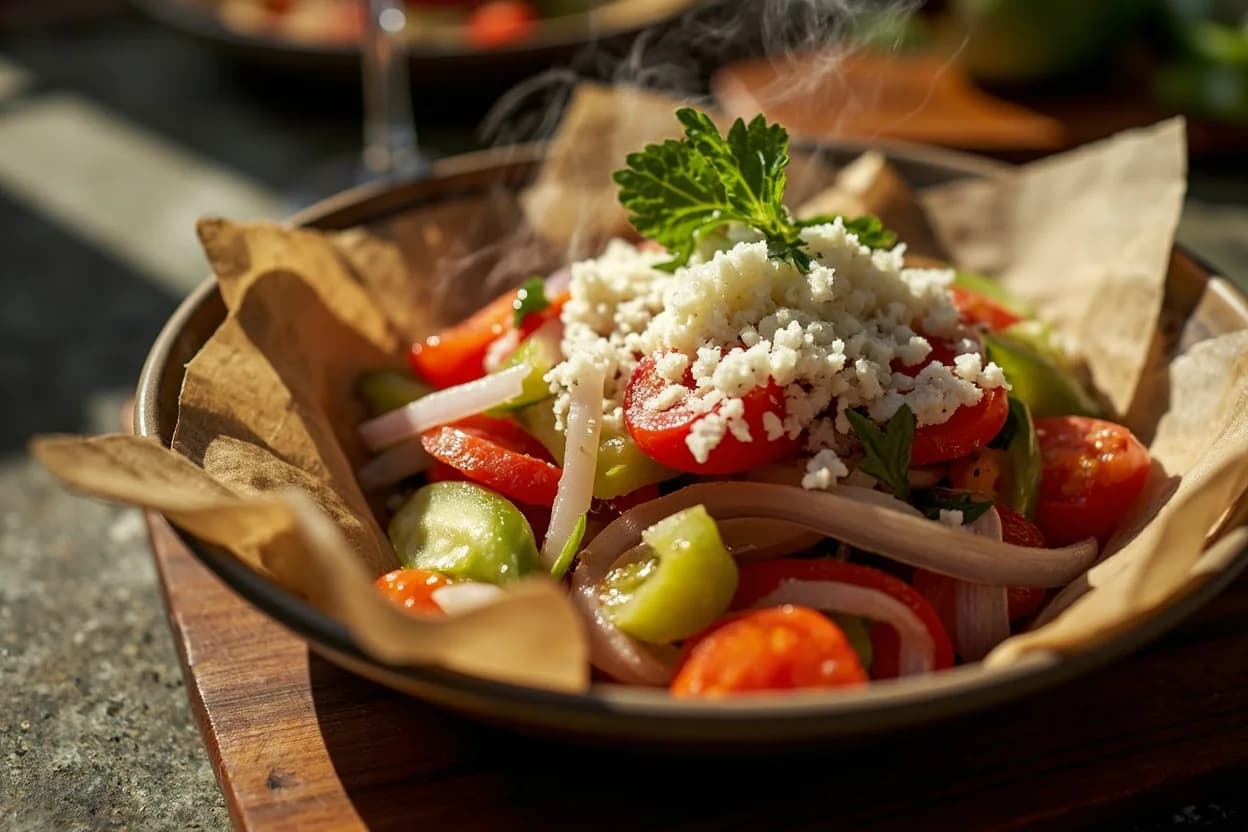
Lunch is traditionally the main meal, and much home cooking is built around a single baked or stewed pan dish (tavče gravče, musaka, zelnik) brought to the table as the centerpiece rather than divided into separate courses. Shopska-style salad (tomato, cucumber, pepper, and grated white cheese) commonly opens a meal. Ajvar and other pepper preserves sit on the table year-round as a bread accompaniment, most vividly renewed each autumn when households roast and jar a full year's supply. Sweets, including baklava and related syrup pastries, are occasion food rather than everyday food.
History & context
The region's food history runs through Byzantine influence, then five centuries of Ottoman rule (14th century to 1912), which is the source of most of the country's shared dishes — burek, baklava, musaka, and grilled ćevapi-style meat all trace to this period and are common across the wider Balkans, not unique inventions. After the Balkan Wars and World War I, the region was incorporated into the Kingdom of Yugoslavia, and after World War II became a constituent republic of socialist Yugoslavia (1945–1991), a period when the fertile Vardar and Pelagonia valleys were developed intensively for pepper and vegetable production, cementing the country's identity as the Yugoslav federation's pepper-growing heartland — the vezena piperka pepper variety used for ajvar dates largely to this era of agricultural specialization. The country declared independence in 1991; it was known simply as Macedonia until a long dispute with Greece over the name (Greece has its own northern region called Macedonia) was resolved by the 2018 Prespa Agreement, under which the constitutional name North Macedonia was adopted in 2019 — a political and diplomatic settlement, not a culinary one, and the food traditions themselves are continuous across the renaming. Since independence, ajvar production has scaled from a purely household activity into a genuine export industry, while household autumn pepper-roasting remains widely practiced alongside it.
Regional variations
- Vardar & Pelagonia valleys
The country's pepper and vegetable heartland — the largest ajvar production and the strongest tomato-and-pepper cooking, reflecting the region's Yugoslav-era agricultural specialization.
- Ohrid & the southwest lakes
Freshwater lake cooking centered on Ohrid trout, an endemic and protected fish under strict catch limits, and lake carp, distinct from the meat-and-pepper cooking of the rest of the country.
- Šar Mountain region (west)
Pastoral, dairy-heavy cooking built on Šar cheese and other mountain sheep's-milk products, closer to the highland cooking of neighboring Kosovo and Albania than to the lowland vegetable tradition.
Related cuisines
Shares ajvar, burek, and grilled-meat culture as a genuinely contested pan-regional tradition — the core method and even the words are the same, and neither side has a clean claim to invention, though North Macedonian ajvar draws on pepper varieties the country is particularly known for growing.
Shares shopska-style salad, pepper-relish traditions, and tarator cold yogurt soup almost dish-for-dish, reflecting continuous overlap across the modern border rather than one-directional borrowing.
- Turkish
Burek, musaka's baked-layer technique, baklava, and mastika-style aniseed spirits all trace to the shared Ottoman culinary layer, localized in North Macedonia through specific pepper- and cheese-forward seasoning rather than invented independently.
Canonical recipes
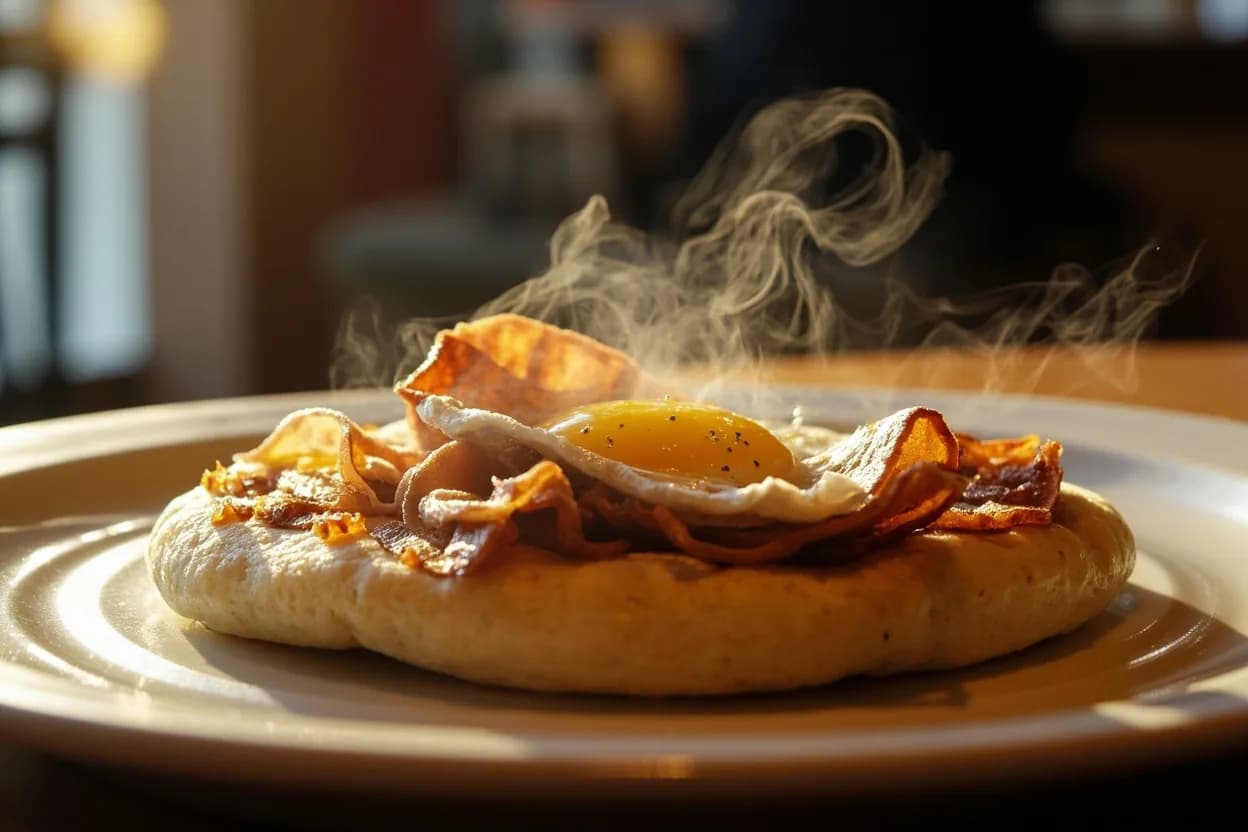
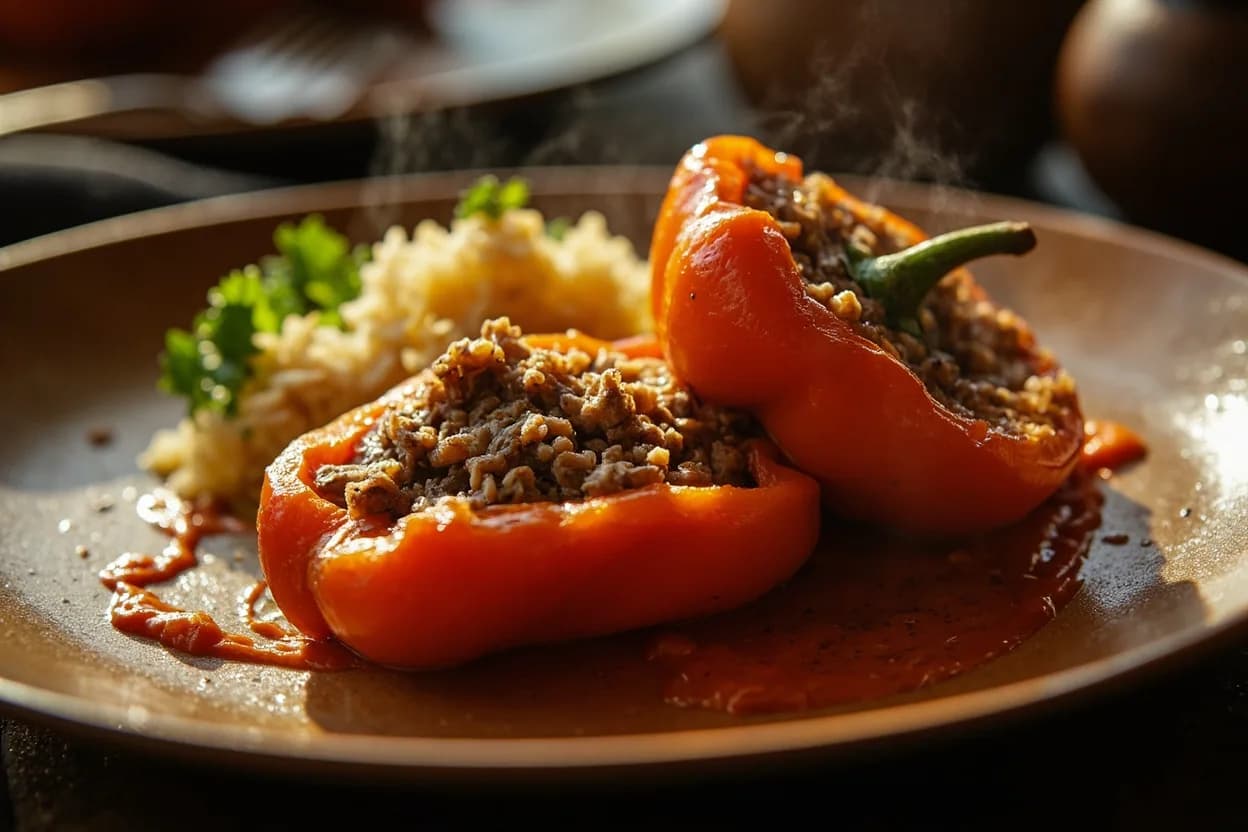
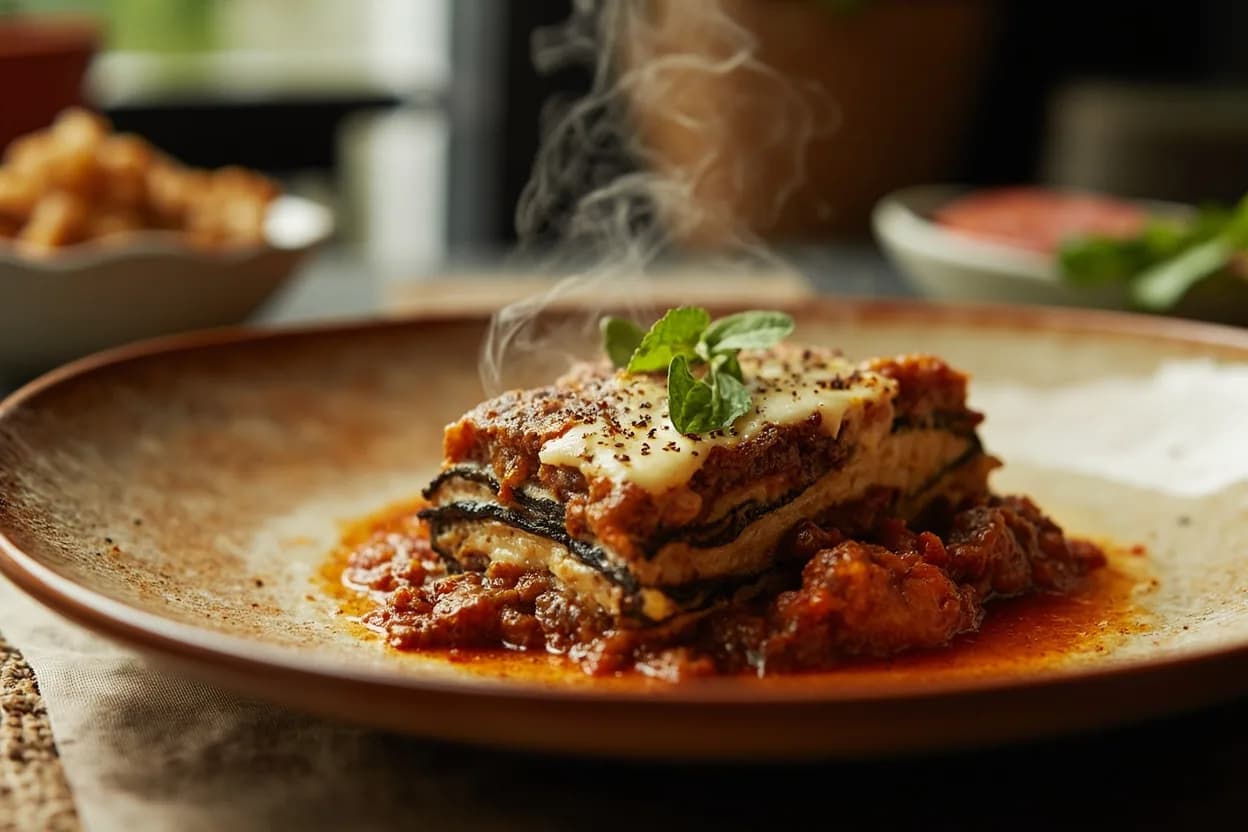
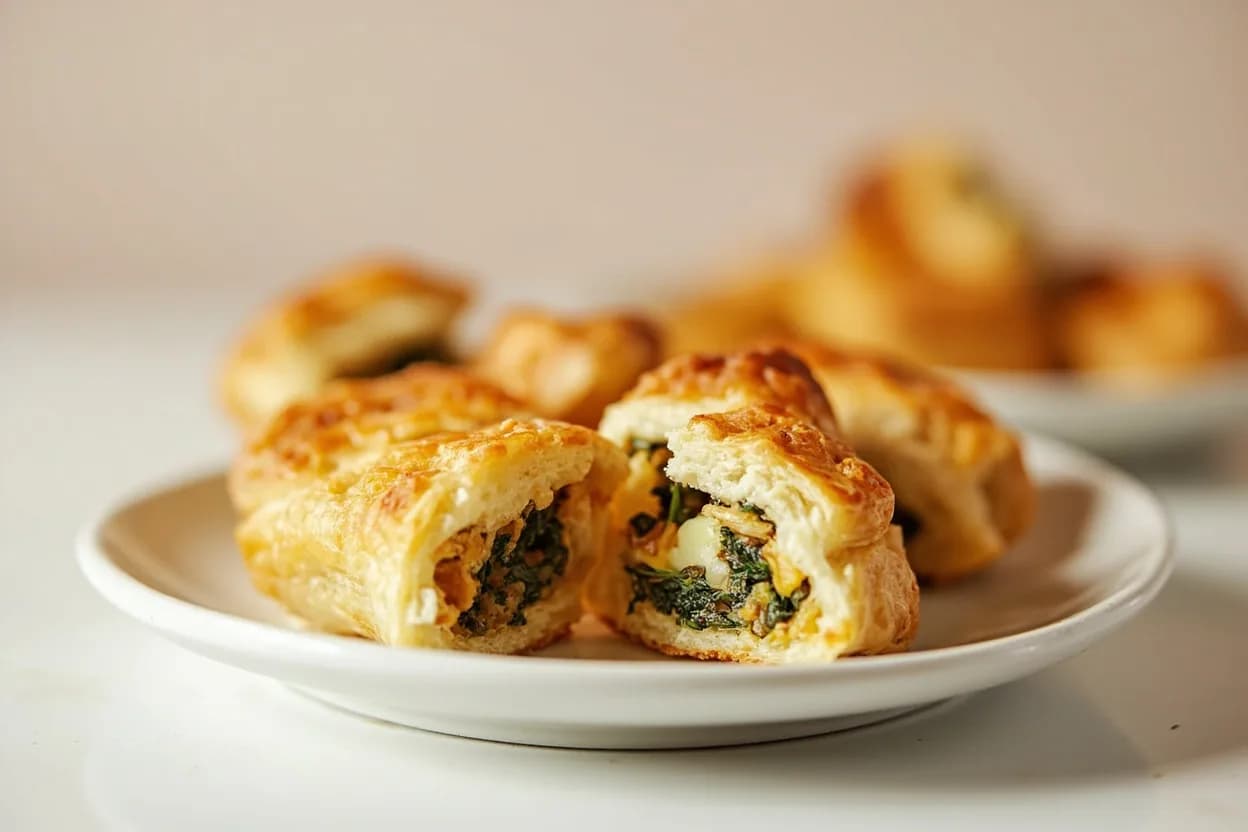
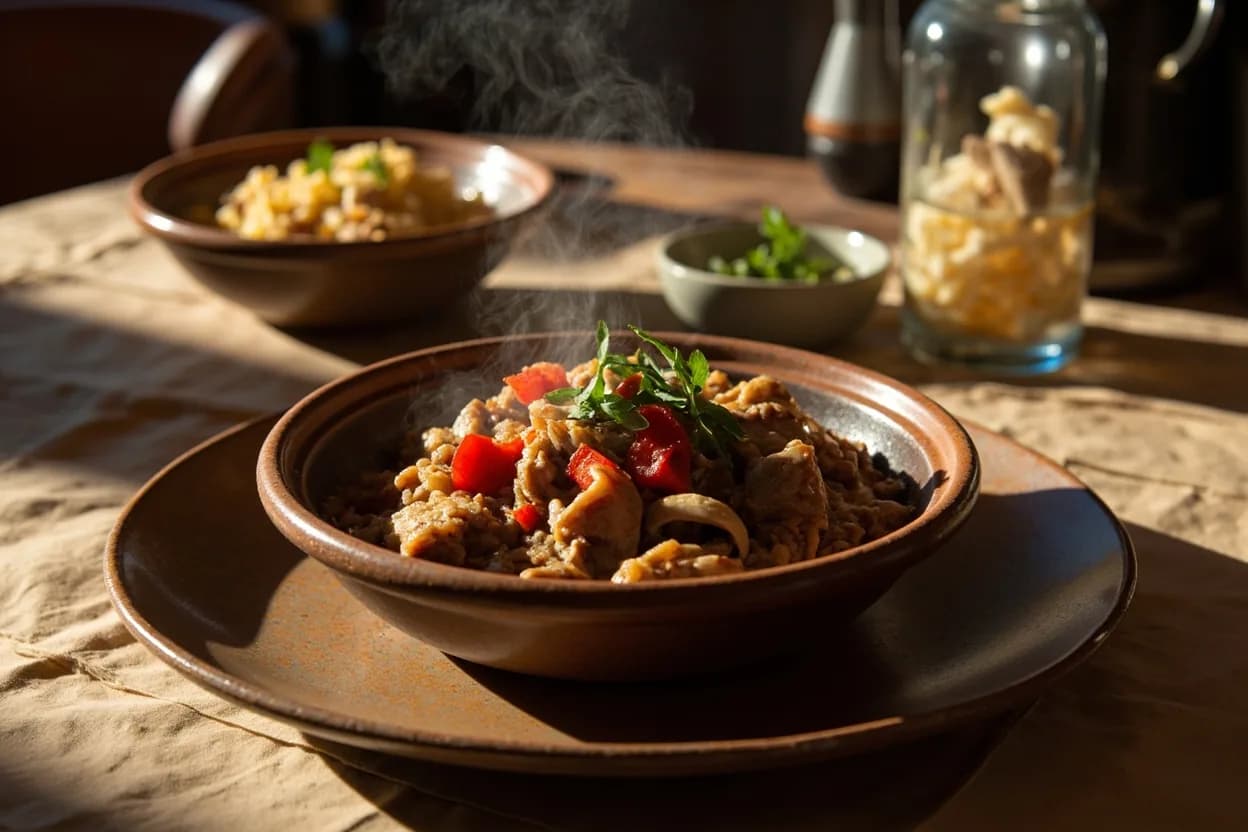
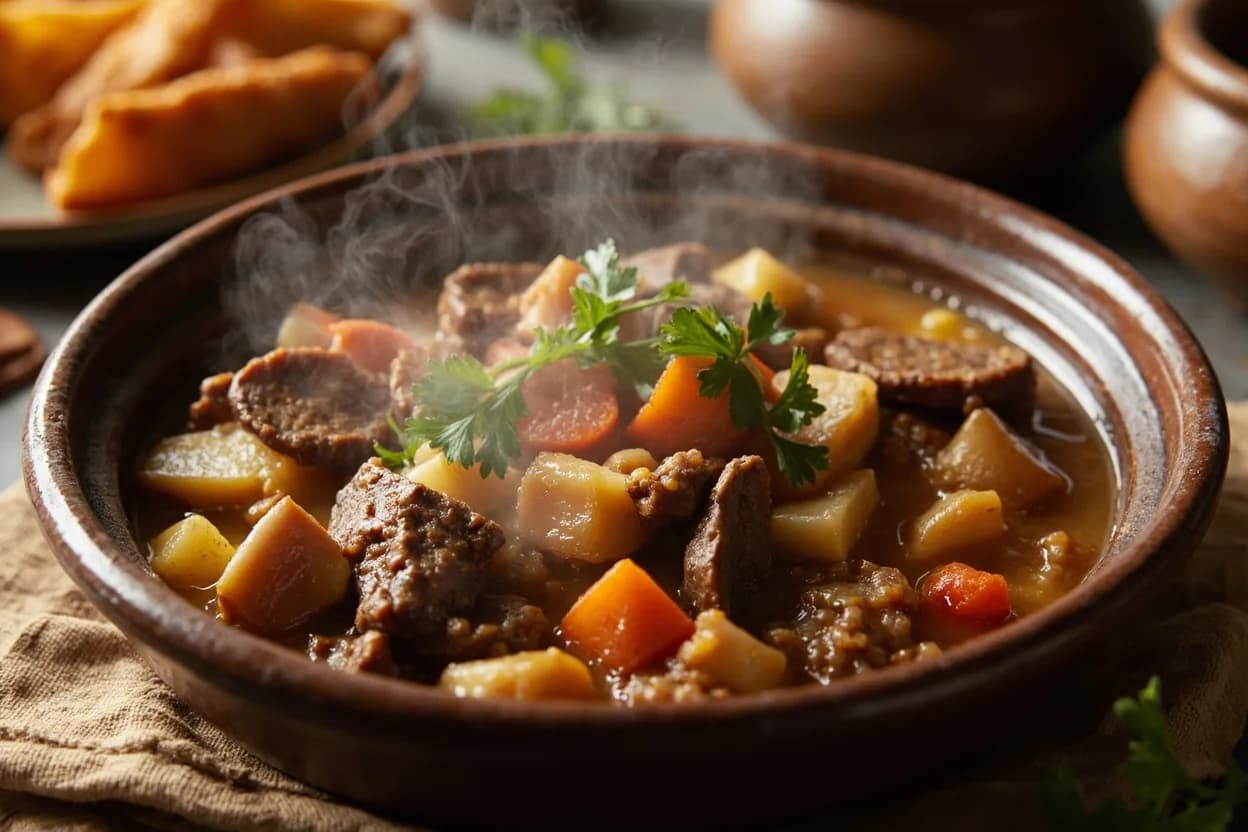
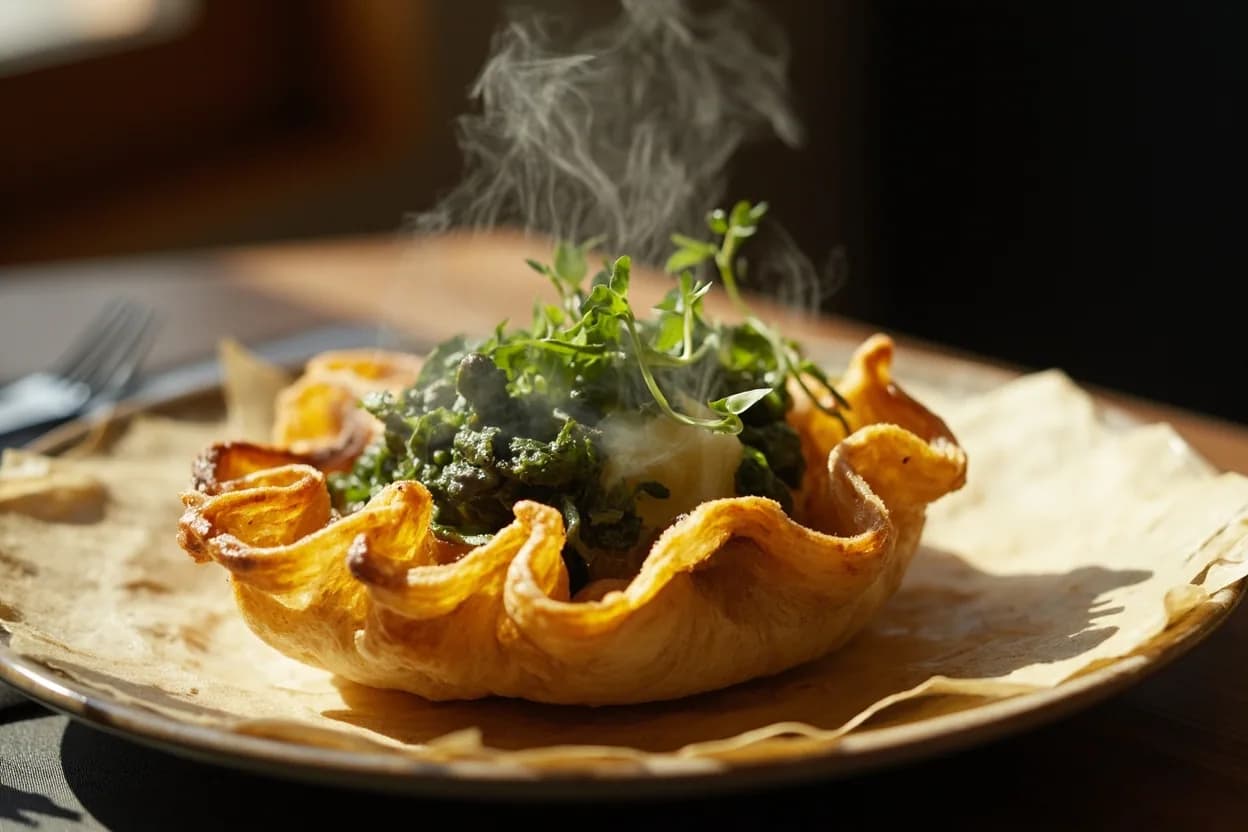
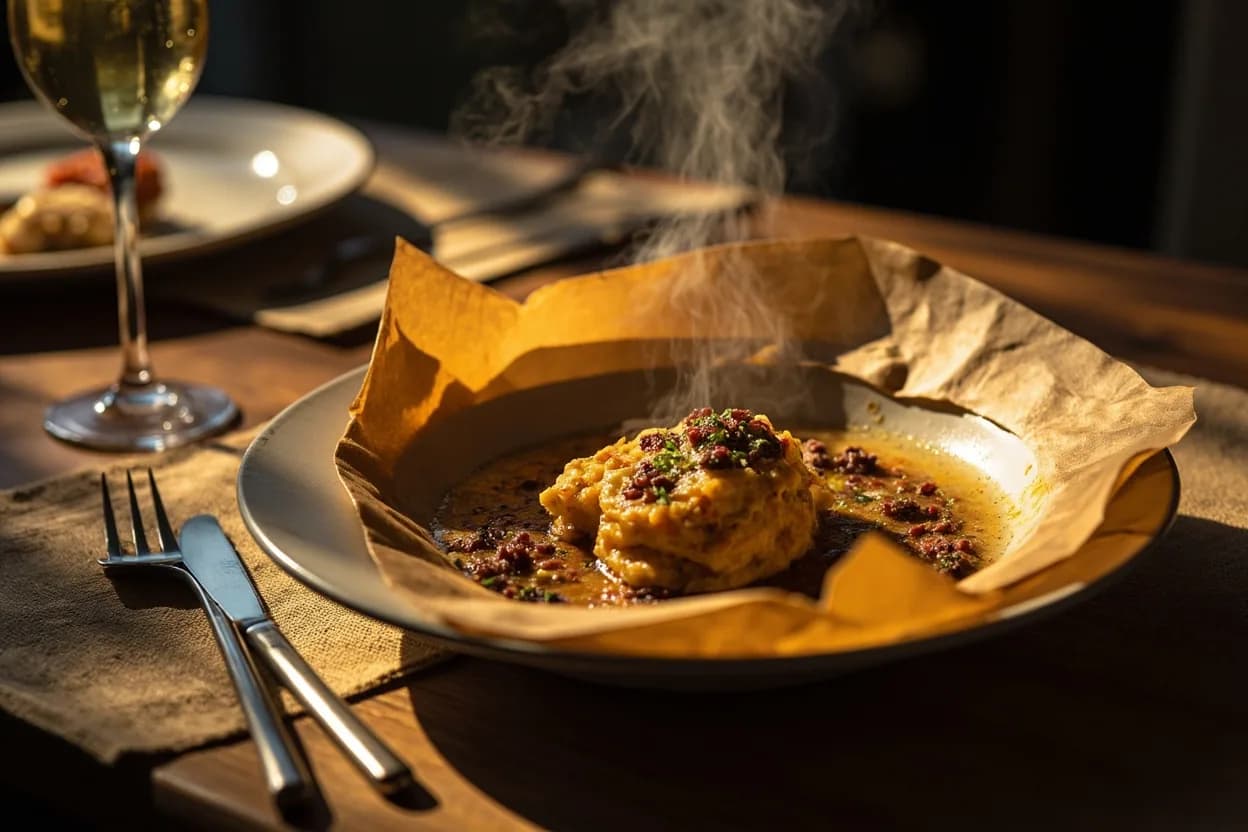
The dishes that define North Macedonian, documented in the Canon.
References
- 1.The Melting Pot: Balkan Food and Cookery — Maria Kaneva-Johnson (Prospect Books, 1995)
- 2.Bountiful Empire: A History of Ottoman Cuisine — Priscilla Mary Işın (Reaktion Books, 2018)
- 3.The Oxford Companion to Food — Alan Davidson, ed. (Oxford University Press, 1999)
- 4.The Cambridge World History of Food — Kenneth F. Kiple and Kriemhild Coneè Ornelas, eds. (Cambridge University Press, 2000)
Confidence: medium
Notes
The ajvar season is a household production event
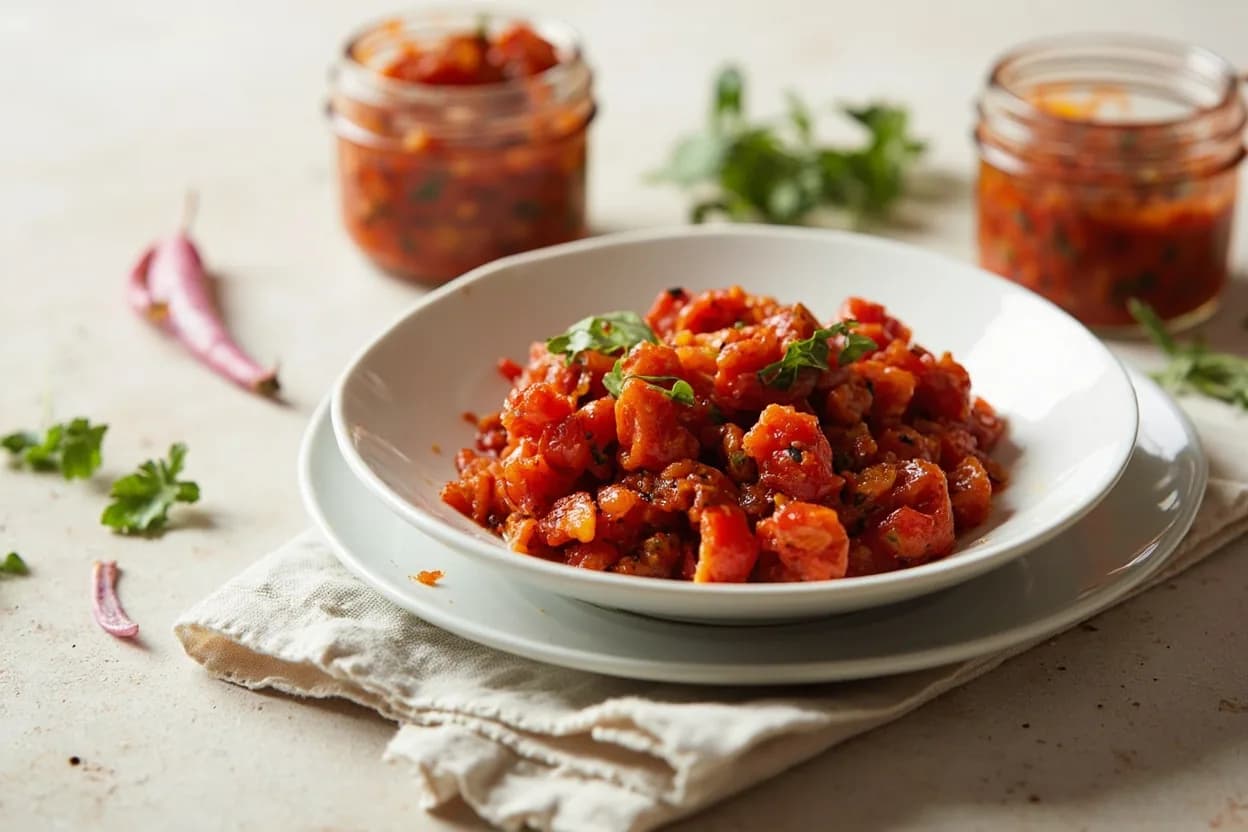
Ajvar-making is less a recipe than an annual household production run, typically carried out each September or October when the vezena piperka pepper — a thick-walled, deep-red roasting pepper the country's Vardar valley farms are particularly known for — comes into season at its cheapest and most abundant. Families buy peppers by the crate rather than the kilo, roast them in bulk, traditionally over an open flame or in large wood-oven batches, today often in purpose-built rotating roasters sold seasonally at markets, then peel, seed, and grind or hand-chop them before slow-cooking the pulp down with oil, sometimes with eggplant or garlic added, until it reduces to a thick, jam-like relish. The finished ajvar is jarred hot to seal without refrigeration and is meant to last the household the full year until the next autumn's batch — enough jars for a family's own table plus gifts and, increasingly, sale. The scale and seasonality of the ritual is the point: a household's ajvar supply is judged the way a wine cellar might be elsewhere, and running out before the next harvest is a minor domestic failure.
Tavče gravče and the logic of pan-cooking
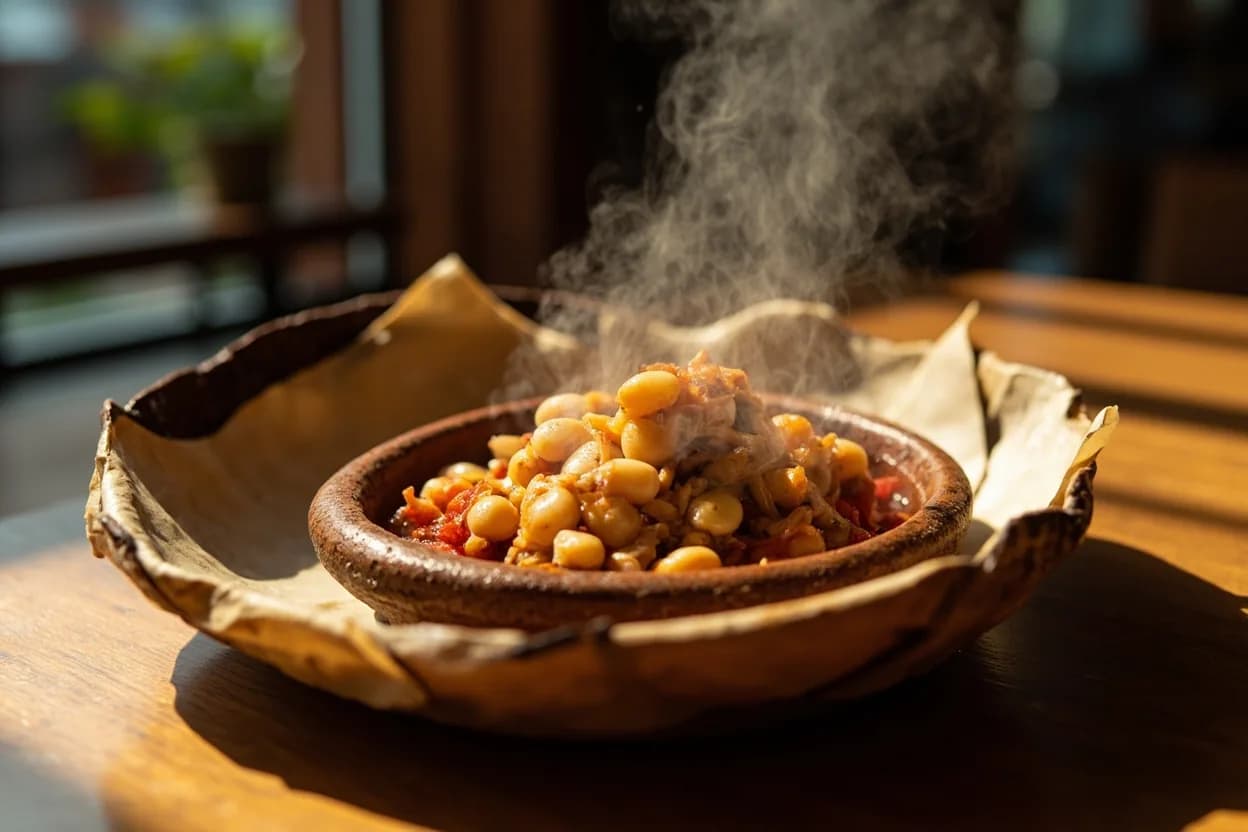
Tavče gravče takes its name directly from the tava, the shallow clay or metal pan the beans are both cooked and served in, and the pan is not incidental to the dish. Dried beans are first parboiled separately, then combined with sautéed onion, paprika, and often a little smoked meat or sausage, transferred into the tava, and finished uncovered in the oven rather than simmered covered on the stovetop the way most bean dishes elsewhere are cooked. The uncovered oven-baking evaporates and concentrates the liquid around the beans into a thickened, slightly caramelized sauce with a browned top layer, rather than leaving the beans swimming in broth — a genuinely different textural outcome from a boiled bean stew, and the reason cooks insist on the tava method rather than treating it as an interchangeable pot dish. It is widely cited as North Macedonia's most-named national dish, precisely because — unlike shared dishes such as ajvar, burek, or musaka — the pan-baked bean method is distinctly associated with the country rather than claimed elsewhere in the region under a different name.
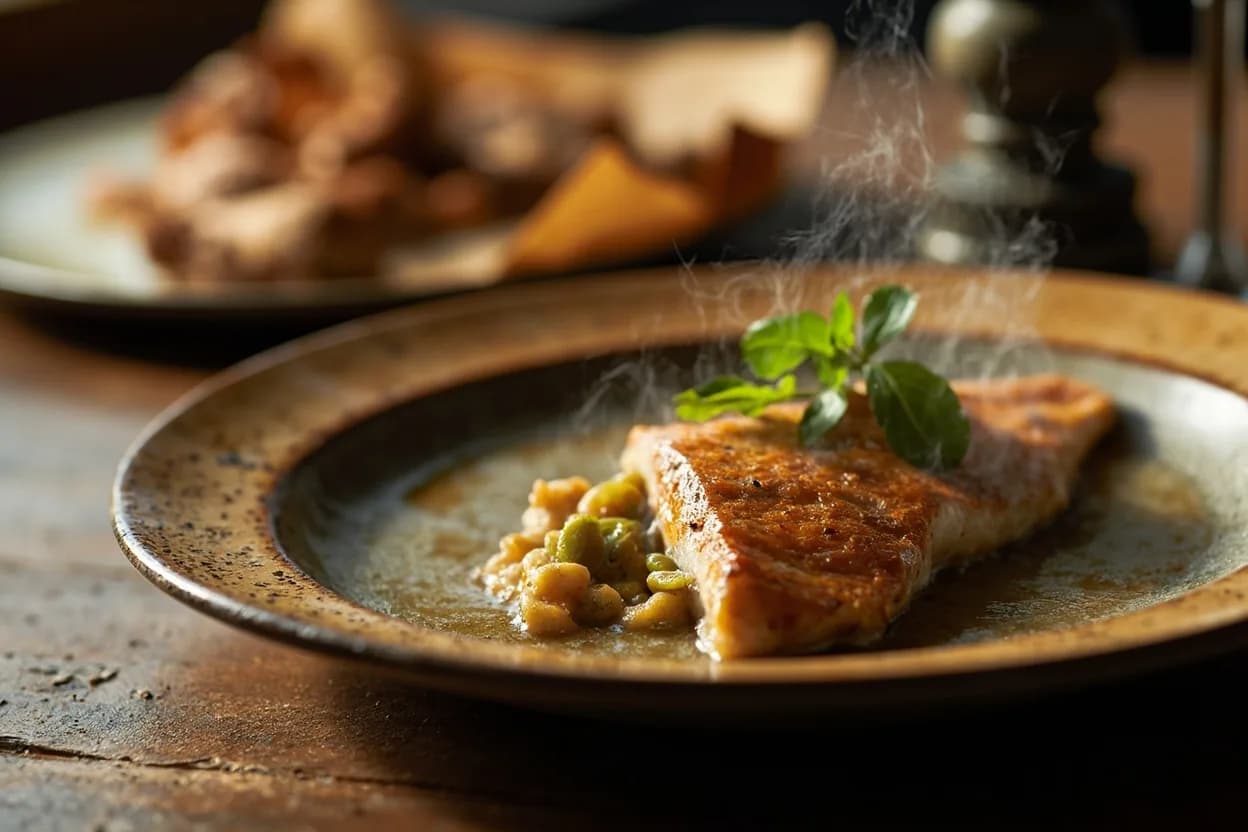
Ohrid trout is a protected, disappearing fish
Ohrid trout is endemic to Lake Ohrid, one of Europe's oldest and deepest lakes, straddling the North Macedonia–Albania border, and it does not occur naturally anywhere else on earth. Overfishing through the 20th century drove wild populations low enough that the fish is now legally protected, with strict seasonal bans and catch limits enforced on the North Macedonian side of the lake; much of what is served as 'Ohrid trout' in restaurants today is farmed rather than wild-caught, a distinction menus are not always careful to make explicit. Despite, or because of, its endangered status, the fish remains one of the most prestigious items on a North Macedonian table, traditionally served simply grilled or pan-fried with little more than lemon and oil so as not to mask its flavor, in contrast to the heavier pepper-and-tomato seasoning that dominates most of the country's other cooking. Its scarcity and lake-specific origin make it something closer to a delicacy with real provenance than an everyday fish, and it functions culturally the way a specific appellation wine might elsewhere in Europe.