Central Asia
Turkmen
Also: Turkmen Cuisine, Turkmenistani Cuisine
A desert-nomadic cuisine of the Karakum — çal (fermented camel milk), boiled and grilled mutton, çörek bread and gowurma preserved-fat meat — closer to Turkic steppe pastoralism than to its Persianate oasis neighbors.
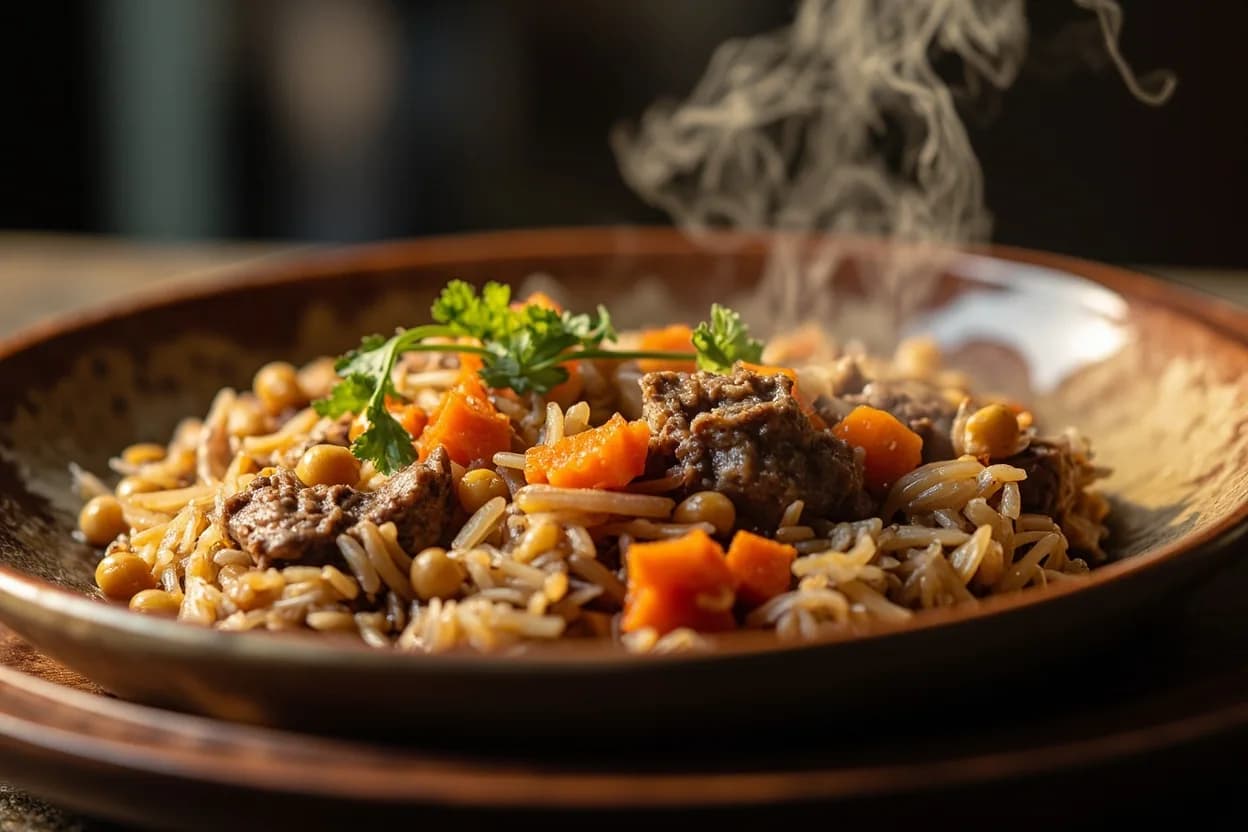
Turkmen cuisine sits structurally between the region's two poles: it is a Turkic, historically nomadic-pastoral cuisine of the Karakum desert and its fringing oases, built on camel and sheep — camel milk fermented into çal is as central here as fermented mare's milk is in Kazakhstan or Mongolia — but with more oasis wheat and rice cookery than the steppe-only cuisines, since Turkmen tribes historically moved between desert grazing and irrigated oasis settlements along the Amu Darya and Murghab rivers rather than ranging across pure open grassland. Fat-preserved meat (gowurma), boiled mutton, flatbread baked in a tamdyr clay oven, and dumplings and pilaf borrowed from and shared with its Uzbek and Persian-influenced neighbors together make up the repertoire.
The flavour base
Salt, rendered mutton or camel fat, and the meat's own boiling or roasting juices form the base; black pepper and cumin appear but the palate stays closer to the steppe's plainness than to Uzbek or Tajik's fruit-forward, cumin-and-barberry spicing. Sour milk products — çal, garyn (a fermented milk product) — supply a tang that runs through the cuisine independent of hot spice. Dill and cilantro are used as fresh garnish more than as a cooked-in aromatic base.
Pantry staples
Key ingredients
Signature techniques
Signature dishes
At the table
Bread (çörek) again holds near-sacred status, treated the same way across the wider Persianate-Turkic region — never placed face-down, never wasted. A large meal centers on boiled or grilled mutton (gowurma, dograma) or a rice pilaf (palov), with green tea drunk continuously before, during and after eating rather than at one fixed point; hospitality customs obligate feeding any guest generously and immediately, a norm with the same nomadic-logistics roots found across the steppe. Toy (celebratory feasts for weddings and other occasions) center on communally cooked palov and large amounts of boiled mutton, echoing the same qozon-cauldron, whole-animal hospitality logic found in Uzbek and Kazakh feasting.
History & context
Turkmen tribal confederations (Teke, Yomut, Ersari and others) lived a semi-nomadic pastoral life across the Karakum desert and its oasis fringes for centuries, only loosely and late incorporated into surrounding empires; Russian imperial conquest was not completed until the 1881 Battle of Geok Tepe, decades after Russia had already absorbed the more urbanized Uzbek khanates, leaving Turkmen tribal and pastoral structures comparatively intact into the 20th century. Soviet rule from the 1920s pursued the same forced-settlement and collectivization policy used against Kazakh nomads, though with less catastrophic famine mortality; historian Adrienne Edgar's research on Soviet Turkmenistan documents how Soviet nation-building simultaneously suppressed and formalized tribal identity into a single 'Turkmen' national category where tribal (Teke vs Yomut vs Ersari) distinctions had previously been the more meaningful ones — a process with a direct culinary echo, since tribal food and textile variation was real and is now often flattened into one 'Turkmen national cuisine.' Massive Soviet-era irrigation expansion, especially the Karakum Canal completed in stages from the 1950s, diverted Amu Darya water across the desert to expand cotton monoculture, again constraining food-crop land in favor of an export commodity and contributing, as in Uzbekistan, to the Aral Sea's decline. Post-1991 independence under a highly centralized state has kept much food production and distribution centrally organized, with bread subsidies and price controls a recurring feature of Turkmen state policy.
Regional variations
- Ahal Province / Kopet Dag foothills (Teke tribal area, central)
The historical center of Teke tribal culture around Ashgabat; closer oasis contact gives relatively more wheat and rice cookery.
- Dashoguz / Amu Darya delta (north, Yomut and Uzbek-influenced)
Proximity to Uzbekistan brings heavier Uzbek-style plov and vegetable-forward dishes into the everyday diet.
- Mary Province (Merv oasis, Ersari-influenced)
Ersari Turkmen here have closer historical and culinary ties to Afghan and Bukharan traditions given Merv's Silk Road position.
- Karakum desert interior
The most purely pastoral, camel-and-sheep-based diet with the least agricultural input, where çal and dried meat remain most central.
Related cuisines
Both are Turkic pastoral-steppe-and-desert cuisines built on fermented milk (çal versus kumys/shubat) and boiled mutton, though Turkmen cuisine's greater oasis contact gives it more rice pilaf and wheat baking than the more purely steppe Kazakh diet.
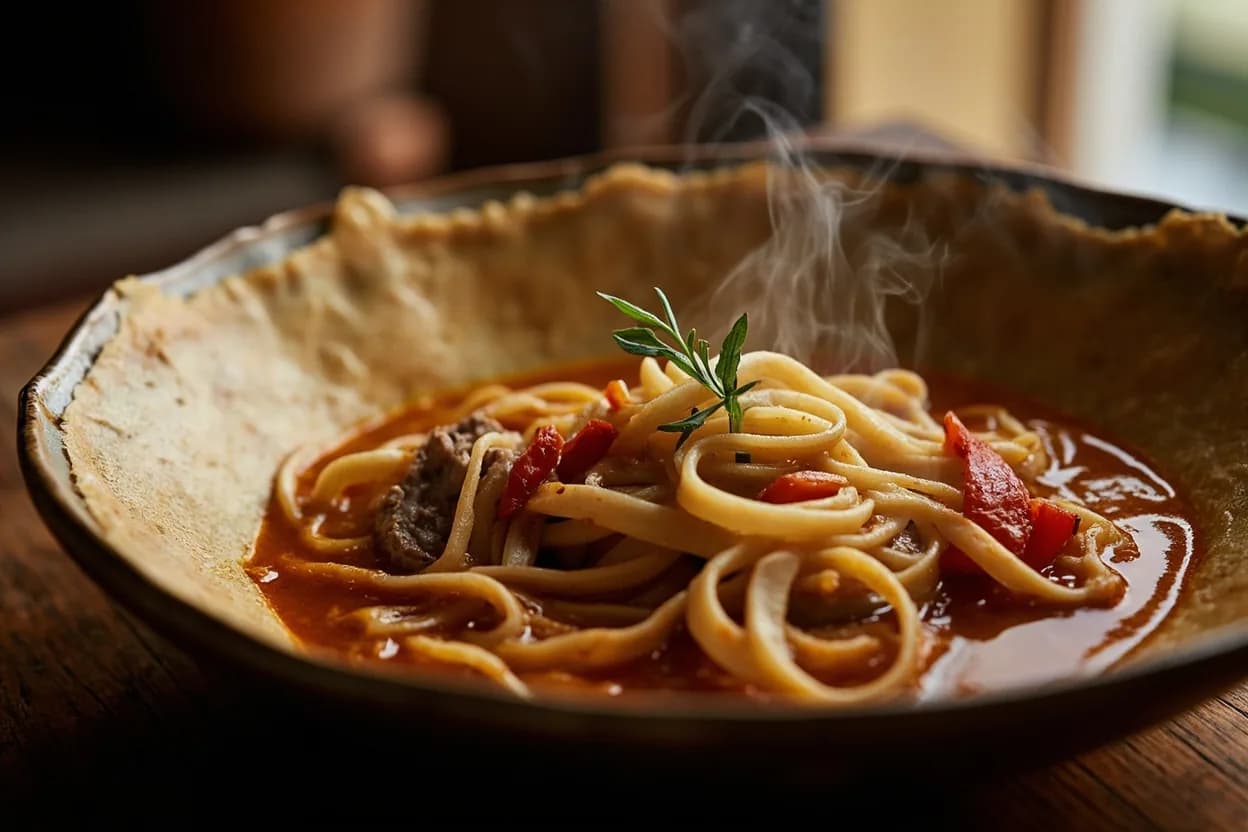
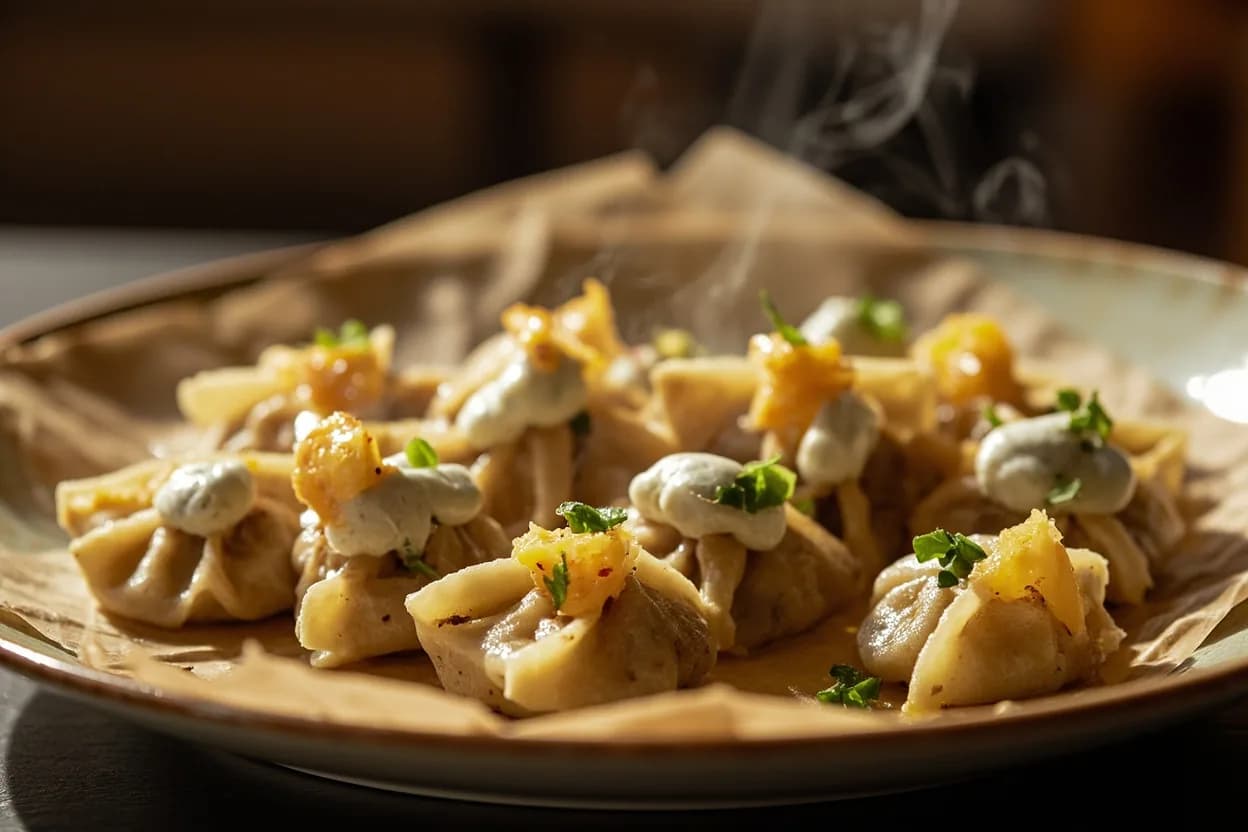
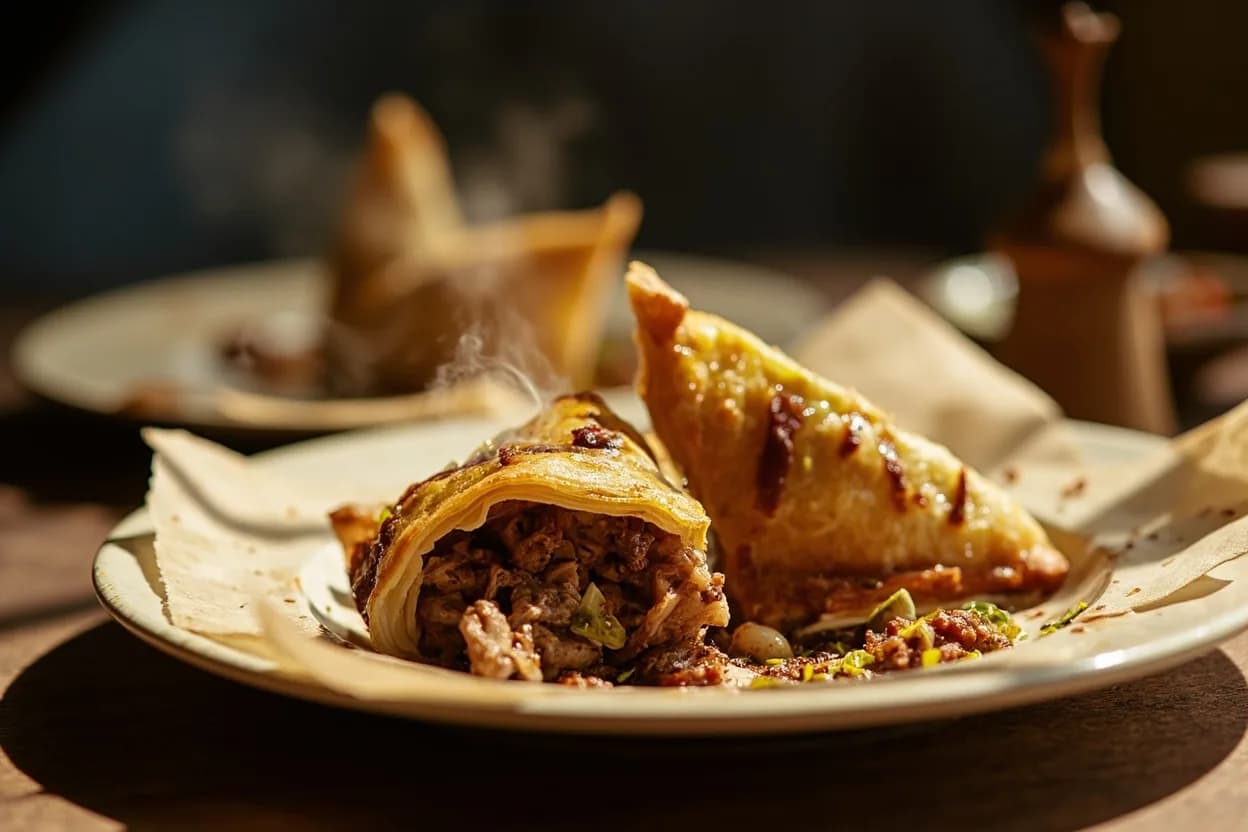
Shares palov, manti, samsa and lagman almost completely through shared Silk Road oasis contact (Merv, Bukhara), but Turkmen cuisine keeps a stronger fermented-camel-milk and preserved-fat-meat tradition rooted in its desert-nomadic tribal past that Uzbek cuisine's more thoroughly settled culture does not.
- Iranian/Persian
Turkmen communities also live across the border in Iran's Golestan province, and Iranian-Turkmen cooking shares çörek-style bread and pilaf technique, though mainland Iranian cuisine uses far more fresh herbs and saffron than Turkmenistan's plainer, fat-and-salt-forward palate.
Canonical recipes
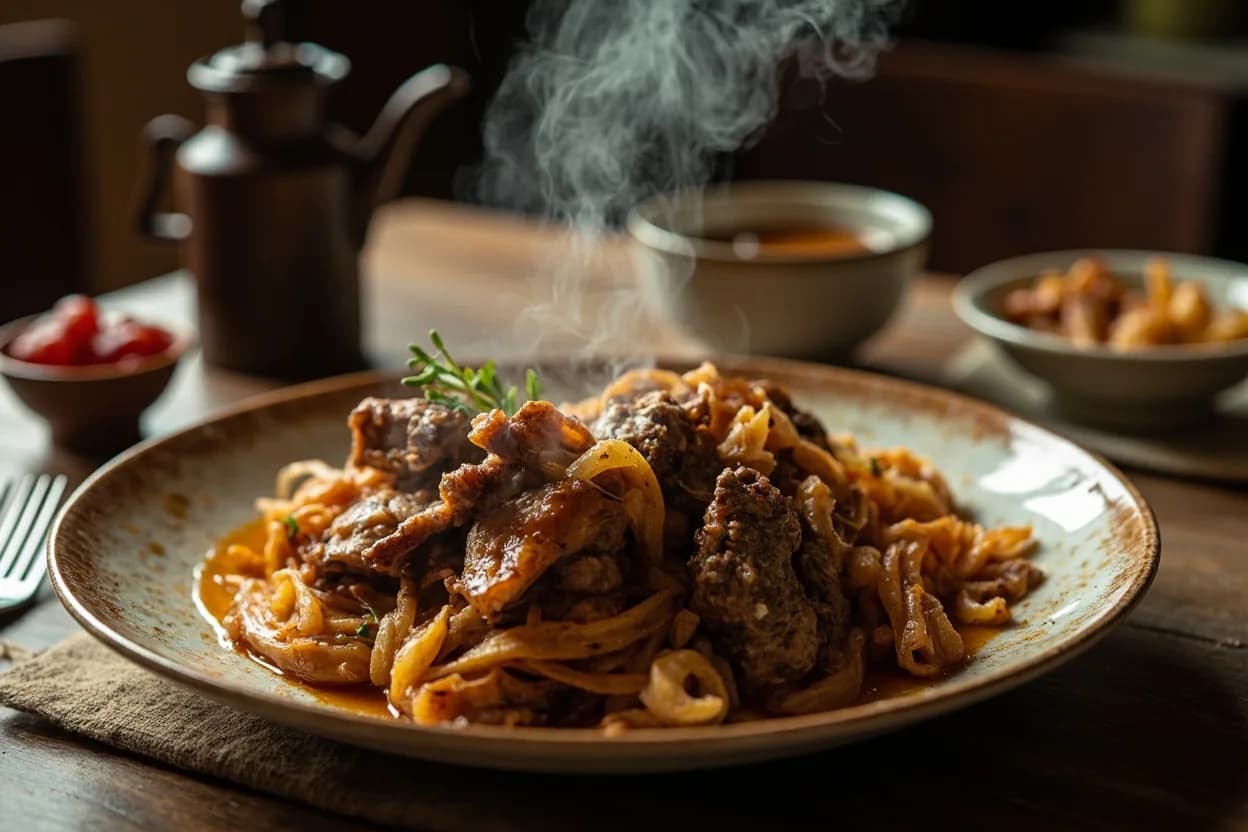
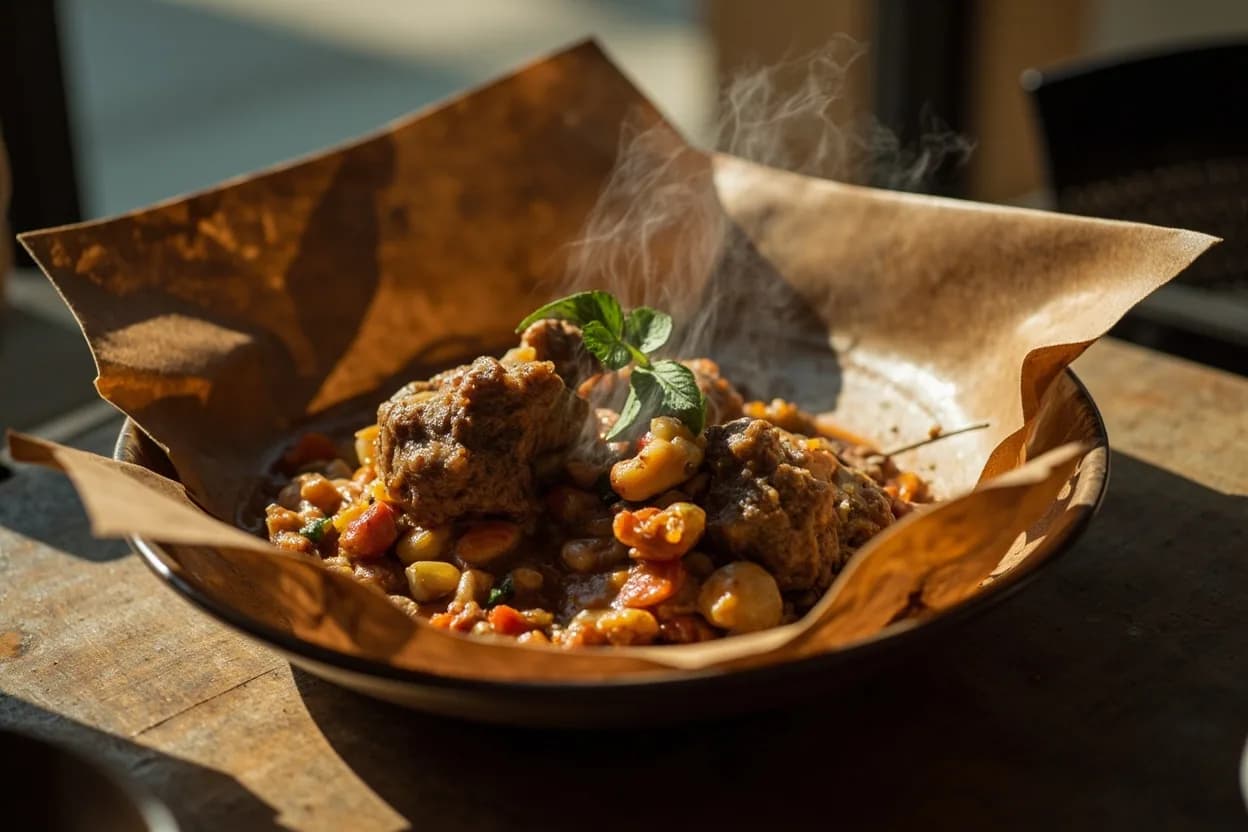
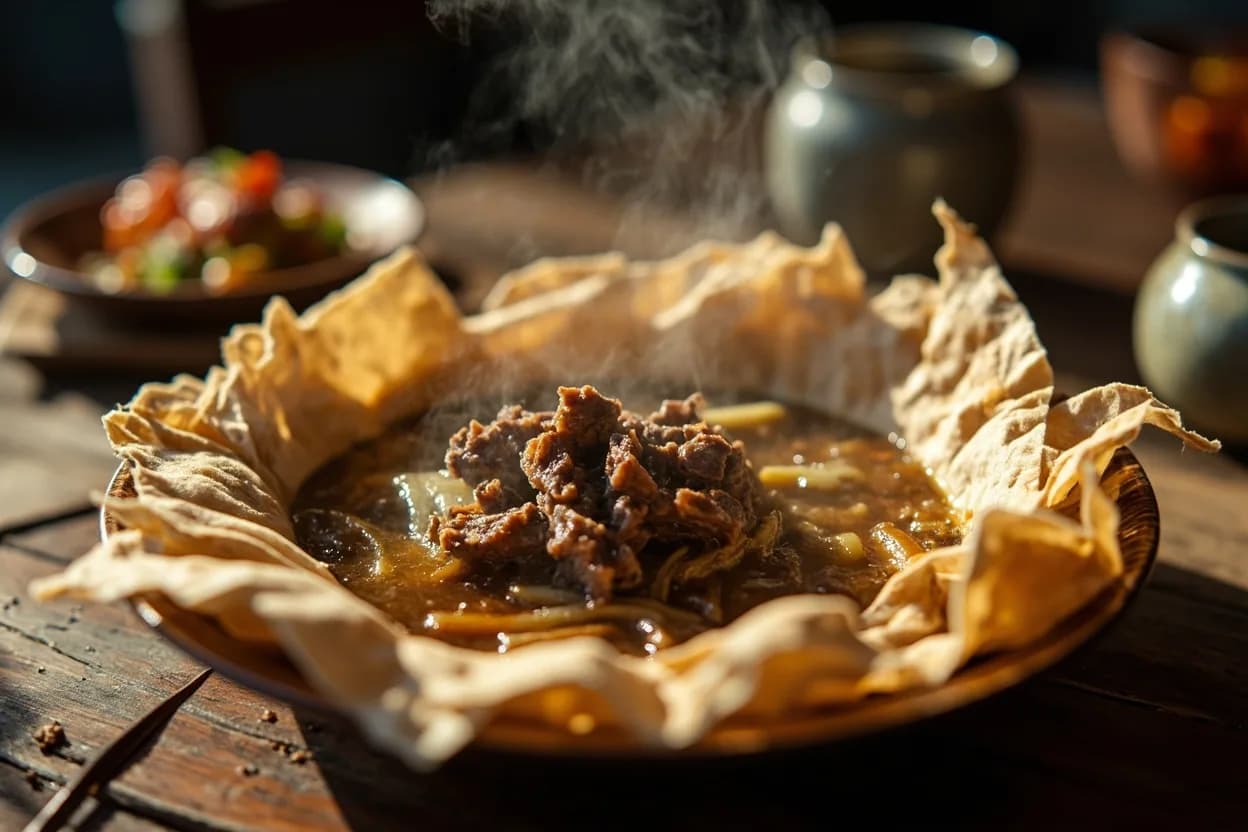
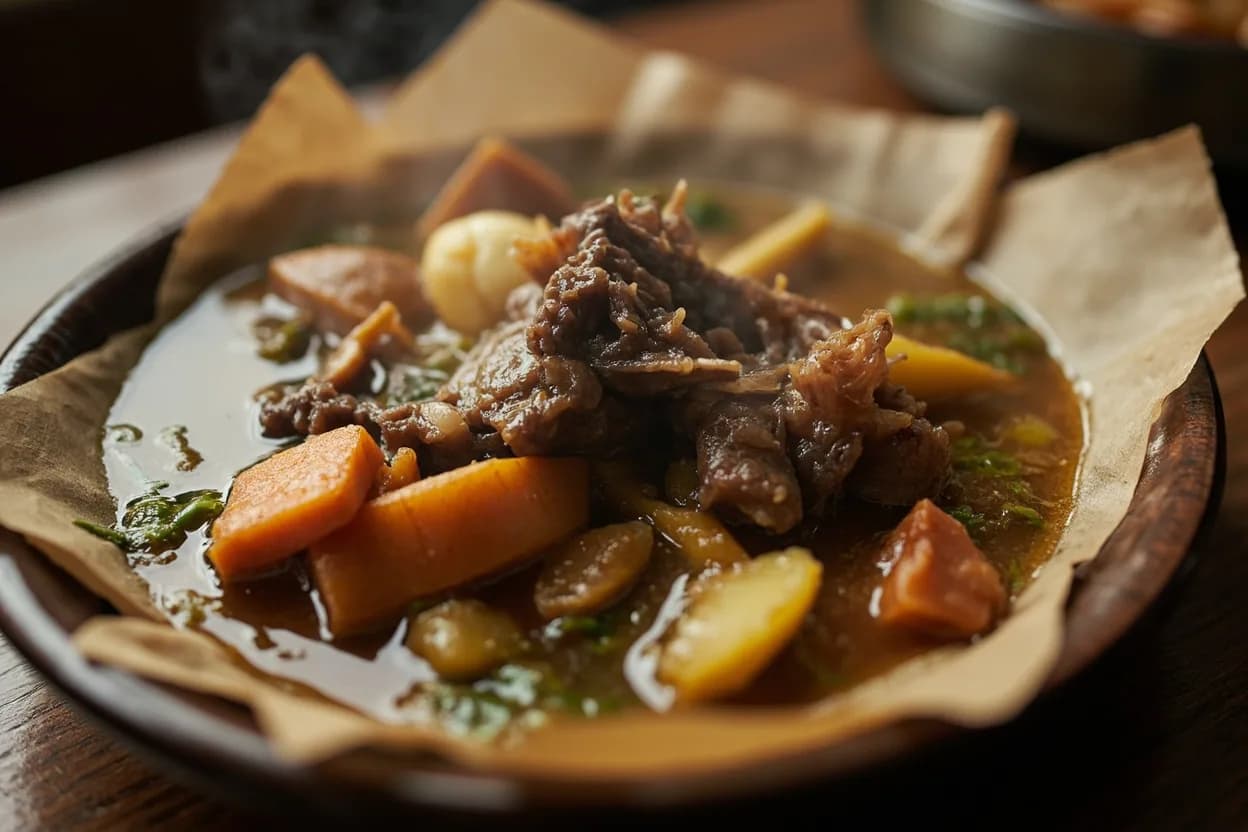
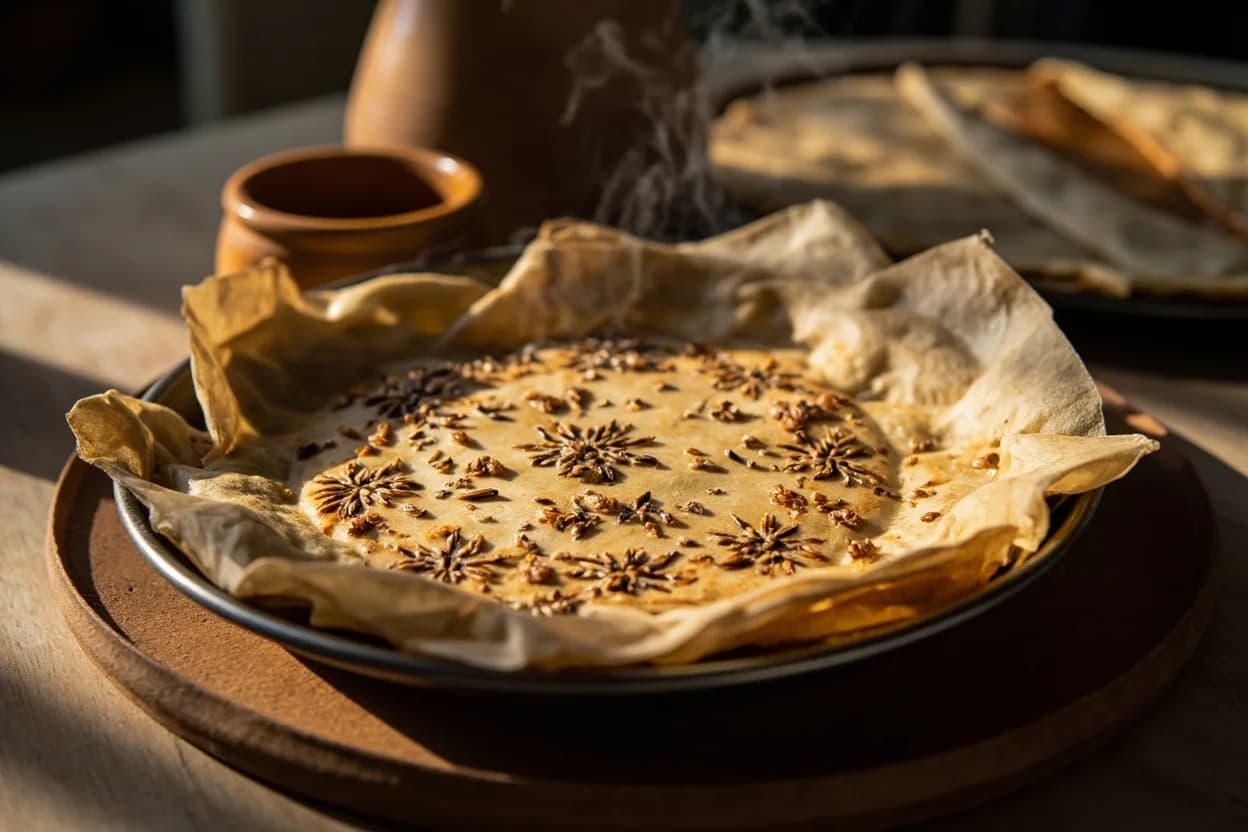
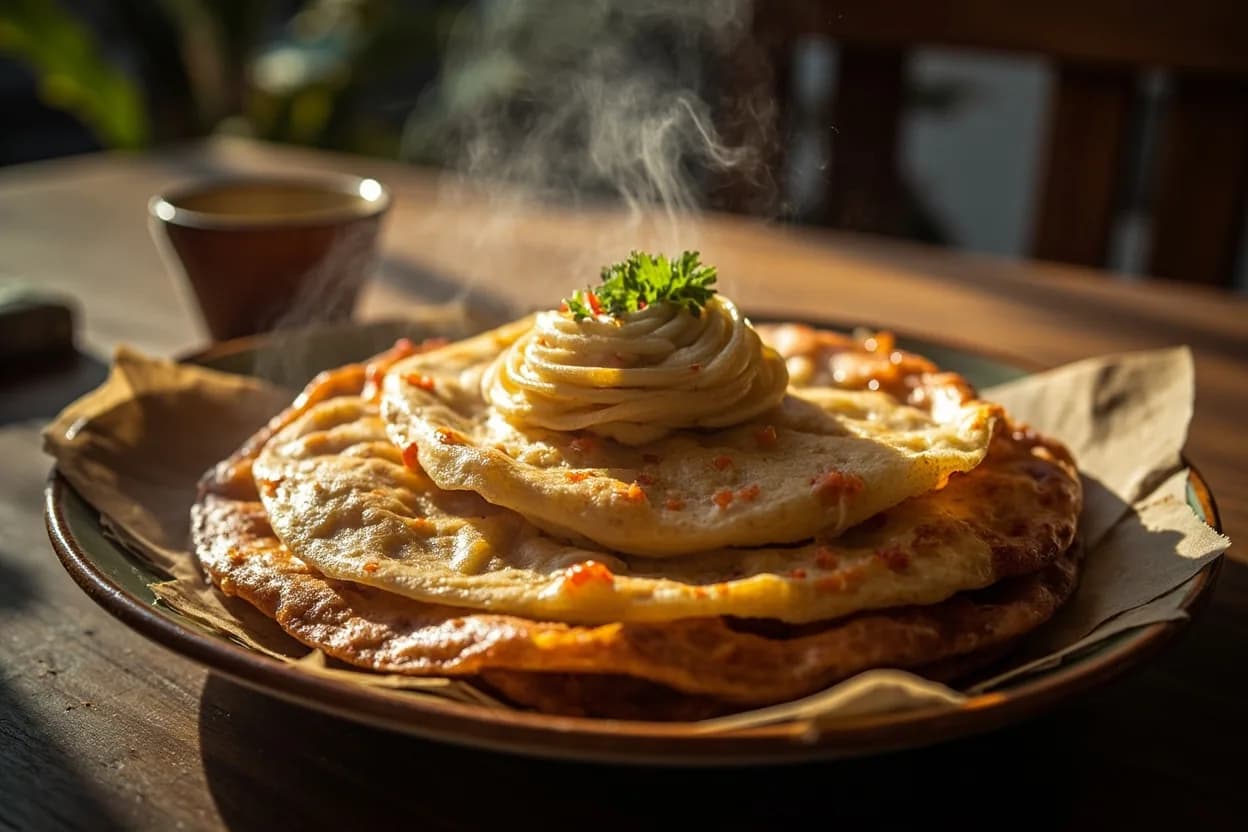
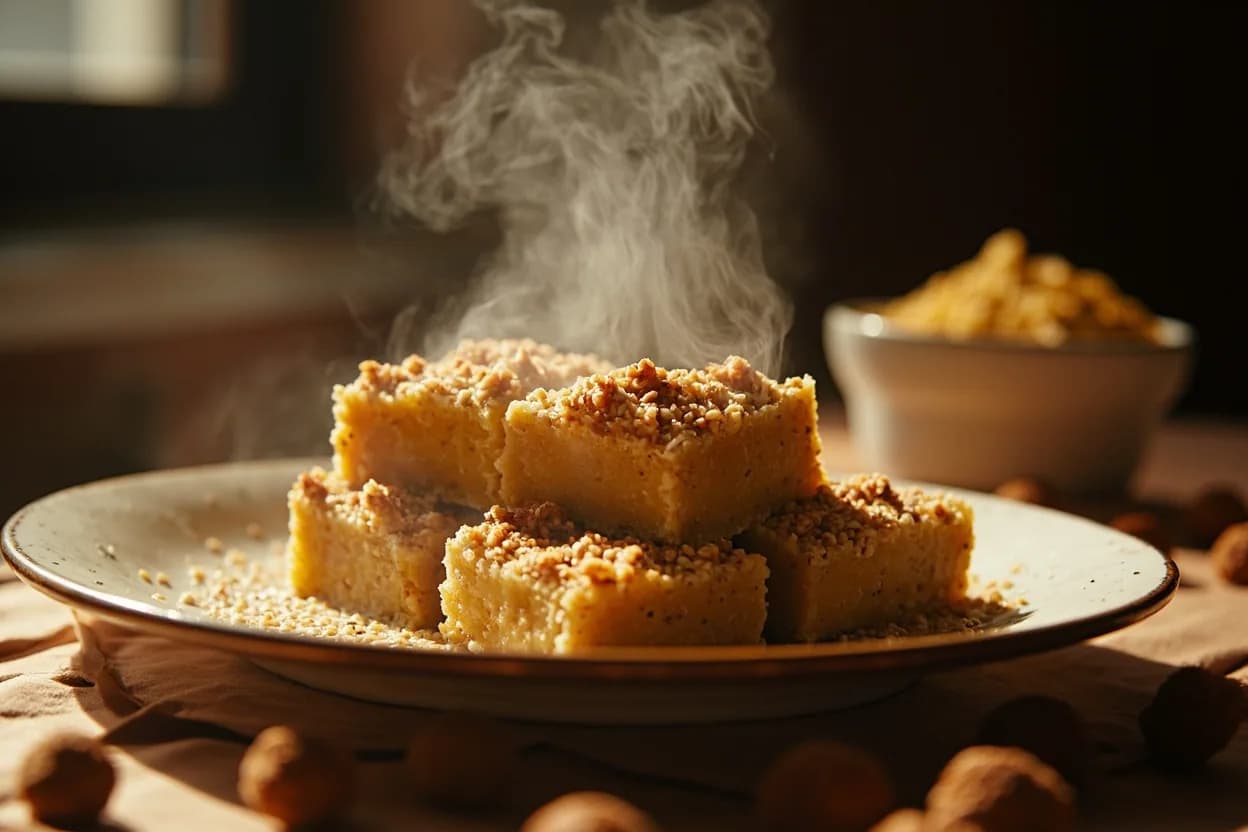
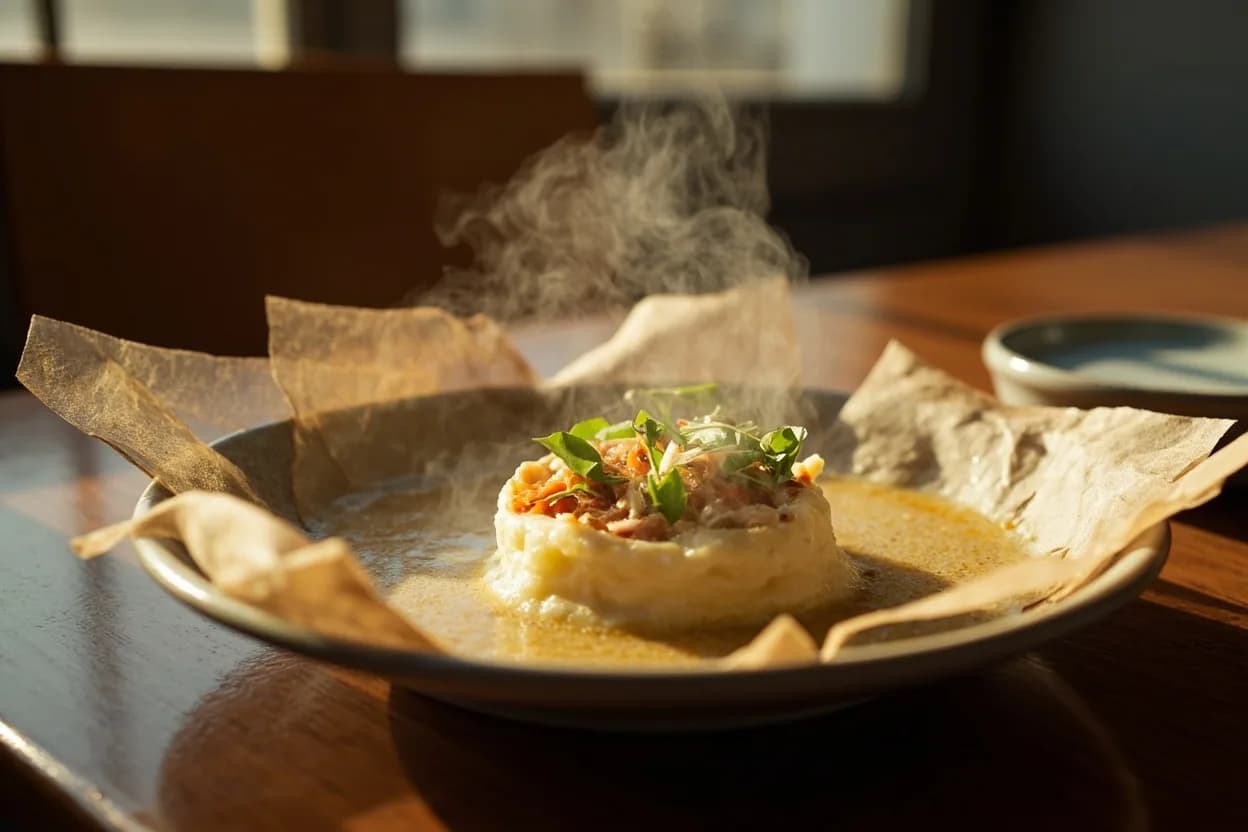
The dishes that define Turkmen, documented in the Canon.
References
- 1.Tribal Nation: The Making of Soviet Turkmenistan — Adrienne Lynn Edgar (Princeton University Press, 2004)
- 2.Flatbreads & Flavors: A Baker's Atlas — Jeffrey Alford and Naomi Duguid (William Morrow, 1995)
- 3.Silk Road Cooking: A Vegetarian Journey — Najmieh Batmanglij (Mage Publishers, 2004)
- 4.Milk! A 10,000-Year Food Fracas — Mark Kurlansky (Bloomsbury, 2018)
Confidence: medium
Notes
Çal is drunk as a staple, not a delicacy, and reflects genuine camel pastoralism
Çal, fermented camel milk, occupies in Turkmen food culture something close to the role kumys plays for Kazakhs or airag for Mongolians, but it specifically reflects Turkmenistan's desert ecology: camels tolerate the Karakum's aridity and forage far better than horses or cattle, so Turkmen herding historically leaned more heavily on camels than Kazakh or Mongolian pastoralism did. Çal is fermented for a shorter period and is generally less alcoholic than kumys, valued as a cooling, thirst-quenching, digestively soothing drink through the desert summer and traditionally offered to guests and travelers as a matter of course. Its continued everyday presence — sold from roadside stalls and home-fermented — is one of the clearest living markers that, whatever oasis and wheat cookery Turkmen cuisine has absorbed, its structural core remains a desert-pastoral one distinct from its settled Uzbek and Tajik neighbors.
Soviet nation-building flattened real tribal food distinctions into one 'Turkmen cuisine'
Pre-Soviet Turkmen identity was organized primarily around tribal confederations — Teke, Yomut, Ersari, Saryk and others — each with its own dialect, textile and, to a real degree, culinary variation tied to which part of the desert-oasis ecology it occupied. Historian Adrienne Edgar's work on Soviet nation-building in Turkmenistan documents how Soviet ethnographers and administrators, needing a single 'Turkmen' national category to fit the USSR's nationalities framework, actively worked to submerge these tribal distinctions into one unified national identity — a process that had a direct parallel in food, where dishes and preparation styles historically associated with a particular tribe or oasis were gradually presented as generically 'Turkmen' in Soviet and later independence-era state media. What reads today as a single national cuisine is, underneath, a flattened composite of what were more genuinely distinct tribal foodways within living memory.
Gowurma is a preservation technology as much as a dish
Gowurma — meat fried and then stored submerged in its own rendered fat, sealed in a container — served the same practical function across Central Asia's meat-heavy cuisines that confit does in southwestern France: the fat layer excludes air and keeps meat edible for weeks or months without refrigeration, essential in a hot desert climate with no reliable cold storage until well into the 20th century. Turkmen households traditionally prepared it in bulk after a slaughter, drawing it down through the year, and the same fat could then be reused as a flavorful cooking medium for subsequent dishes rather than discarded — meaning gowurma production doubled as a way of building up a household's supply of ready-flavored cooking fat, not just of preserved meat. It survives today as a everyday dish even where refrigeration has made the original preservation logic unnecessary, because the flavor and texture it produces are valued in their own right.