South America
Uruguayan
Also: Uruguayan Cuisine, Cocina Uruguaya
A beef-and-fire culture built on the parrilla grill and the towering chivito steak sandwich, carried by heavy Italian and Spanish immigration and a constant mate-drinking ritual — one of the highest per-capita beef-consuming nations on earth.
Uruguayan cuisine is the food tradition of a small, cattle-rich Río de la Plata nation, built on a gaucho beef-and-open-fire heritage shared closely with neighboring Argentina, layered with heavy Italian and Spanish immigrant influence (pasta, milanesa, dulce de leche pastries) from the late 19th and 20th centuries, and expressed nationally through the parrilla grill, the chivito sandwich, and constant mate drinking.
The flavour base
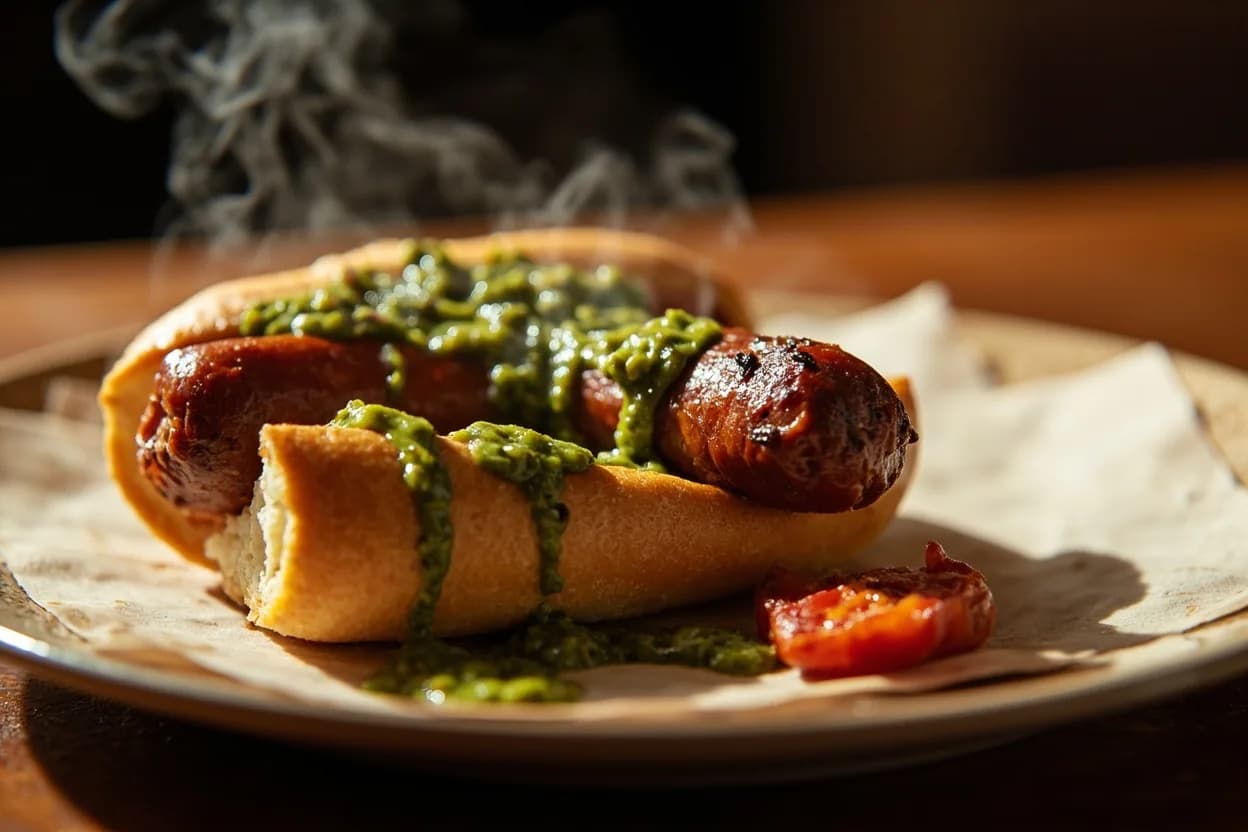
Salt as the primary seasoning for grilled beef, letting the meat itself carry flavor; chimichurri (parsley, garlic, oil, vinegar) as the standard grilled-meat condiment; dulce de leche as the defining sweet note in desserts and pastries; mayonnaise, egg, and ham layered into the chivito; yerba mate as a constant, unsweetened or lightly sweetened infusion.
Pantry staples
Key ingredients
Signature techniques
Signature dishes
At the table
Mate is sipped throughout the day from a shared gourd and thermos, in public and at home alike. The weekend asado is the central social meal, a slow multi-cut, multi-hour grilling event shared among family and friends. The chivito functions as a hearty lunch or casual dinner, especially in beach towns like Punta del Este. Merienda, a light afternoon coffee-and-pastry break, and a late dinner (often after 9pm) round out the daily rhythm, reflecting Uruguay's Spanish- and Italian-influenced eating schedule.
History & context
Pre-colonial Uruguay was sparsely inhabited by Charrúa and other Indigenous groups with a limited agricultural footprint compared to Andean or Guaraní neighbors; Spanish colonization was itself relatively late and thin, with Montevideo founded only in 1724 partly to check Portuguese expansion from Brazil. Cattle introduced by Jesuit missions and Spanish settlers ran semi-wild across Uruguay's rolling pampas grassland, and a gaucho cowboy culture built around cattle herding, hide and jerky (charqui) export, and open-fire asado grilling developed through the 18th and 19th centuries, closely paralleling Argentina's across the Río de la Plata. Independence (achieved in stages, formalized 1830 after Brazilian and Argentine contestation) established Uruguay as a small, cattle-wealthy buffer state. Massive Italian and Spanish immigration from the 1870s through the mid-20th century reshaped Montevideo and other cities, introducing pasta, milanesas, and dulce de leche-based pastries that layered onto the older gaucho beef tradition without displacing it. Uruguay's 20th-century meatpacking and export economy (centered on Fray Bentos) made beef central to national identity and foreign trade alike, and by the late 20th century the country had become one of the highest per-capita beef-consuming nations in the world — a status reflected in the ubiquity of the parrilla (grill restaurant) and the weekend asado as a defining social ritual.
Regional variations
- Montevideo (capital)
Largest concentration of parrillas, Italian-immigrant pasta houses, and the historic Mercado del Puerto grill market.
- Punta del Este and the coast
Birthplace and stronghold of the chivito sandwich, with a seasonal, tourism-driven seafood and grill scene.
- Interior ranching country
Estancia (cattle ranch) culture where mate, charqui, and asado remain closest to their gaucho-era roots, with lower Italian immigrant influence than the coastal cities.
Related cuisines
Near-identical gaucho beef-grilling culture and mate ritual across the Río de la Plata; the asado, chimichurri, and dulce de leche traditions are effectively shared between the two countries.
Shares yerba mate drinking (tereré especially in hot weather) and beef-grilling culture across the wider Río de la Plata basin, though Paraguay's manioc-and-Guaraní staples diverge sharply from Uruguay's Italian-Spanish urban food culture.
Canonical recipes
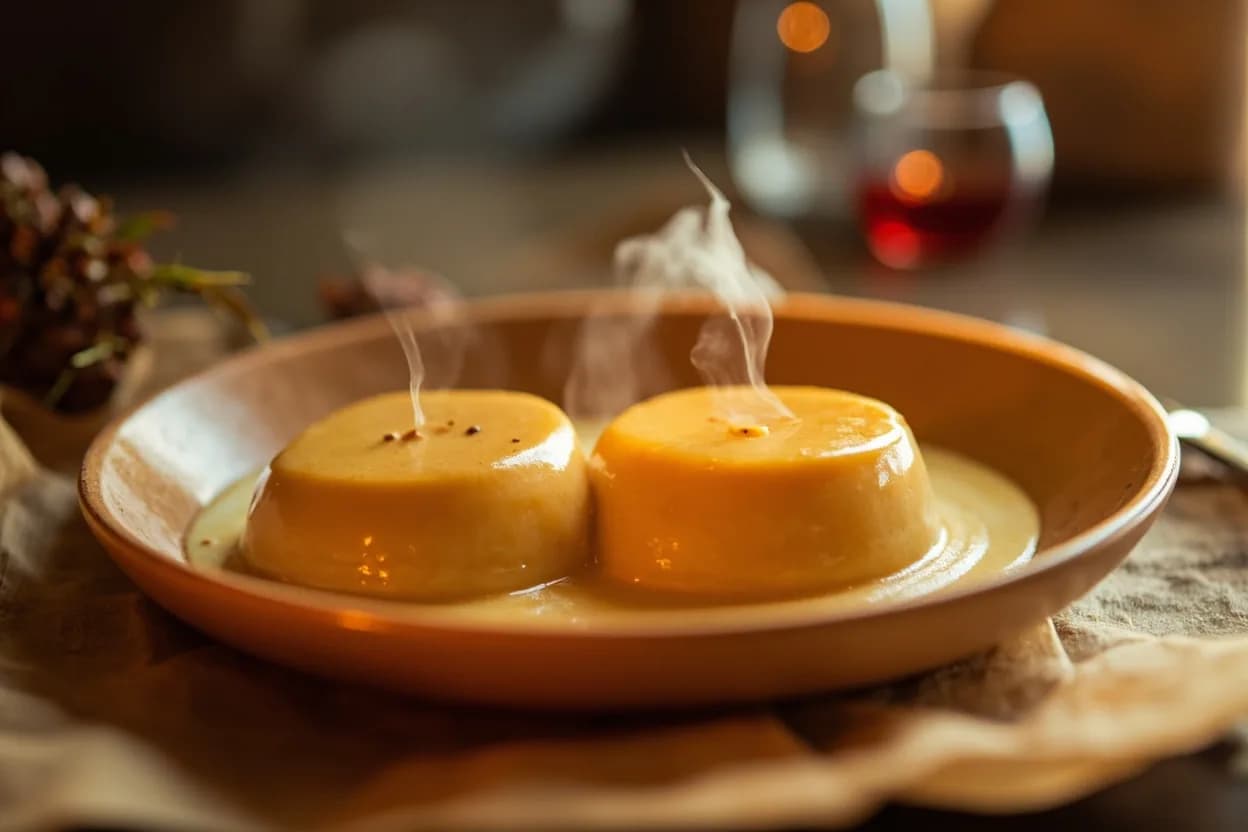
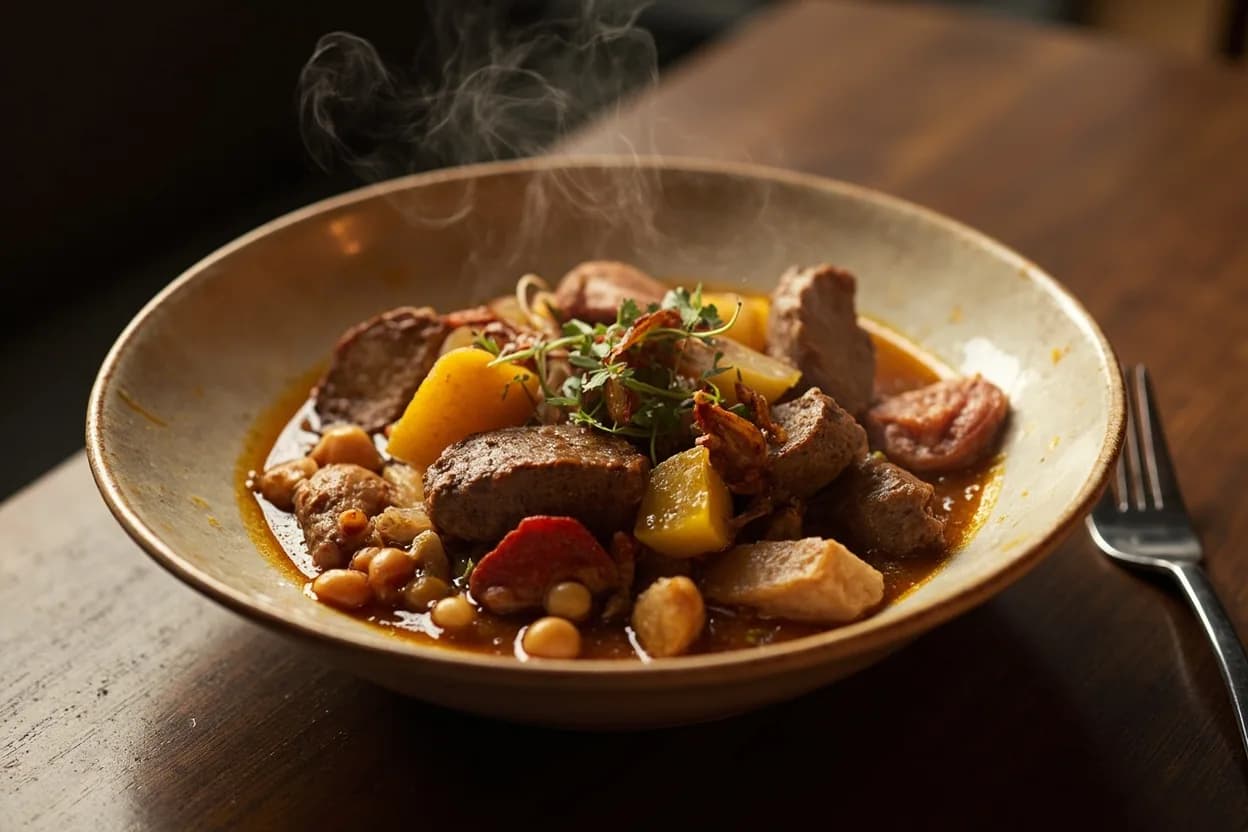
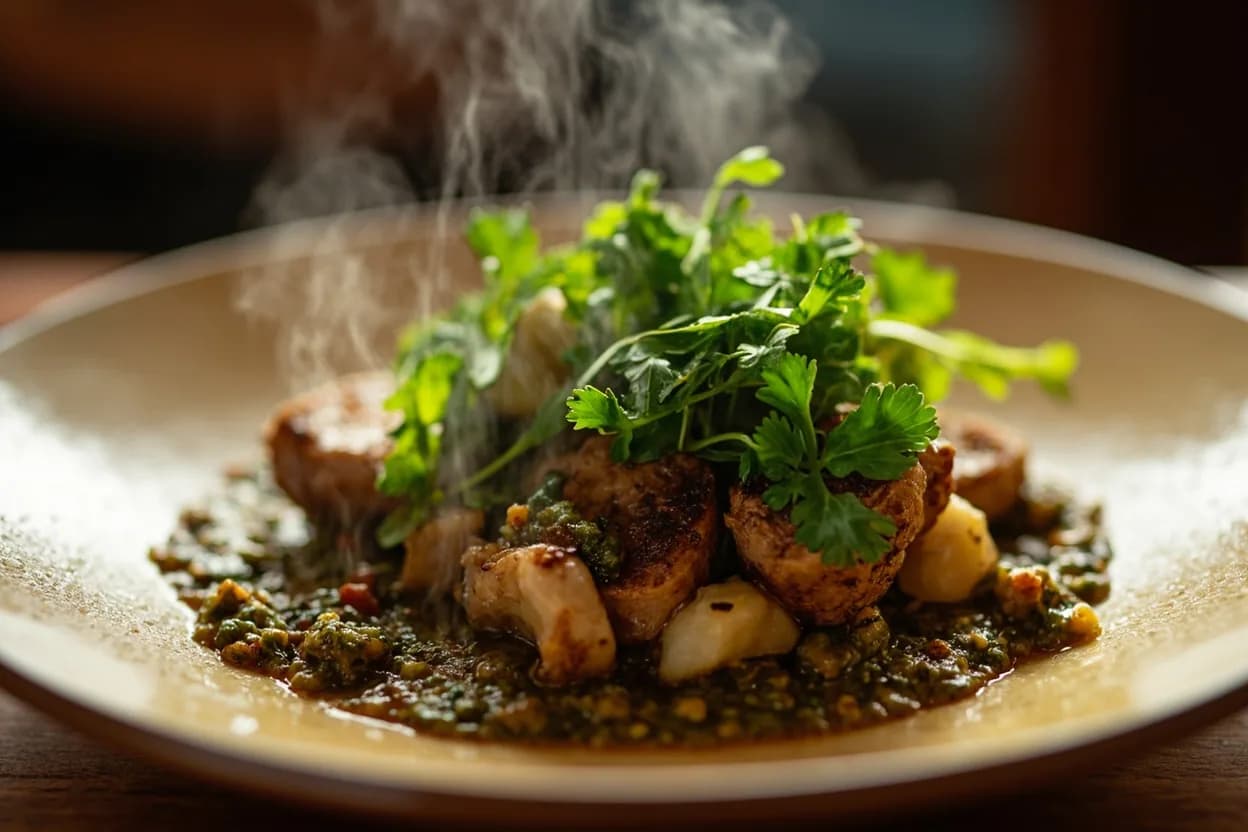
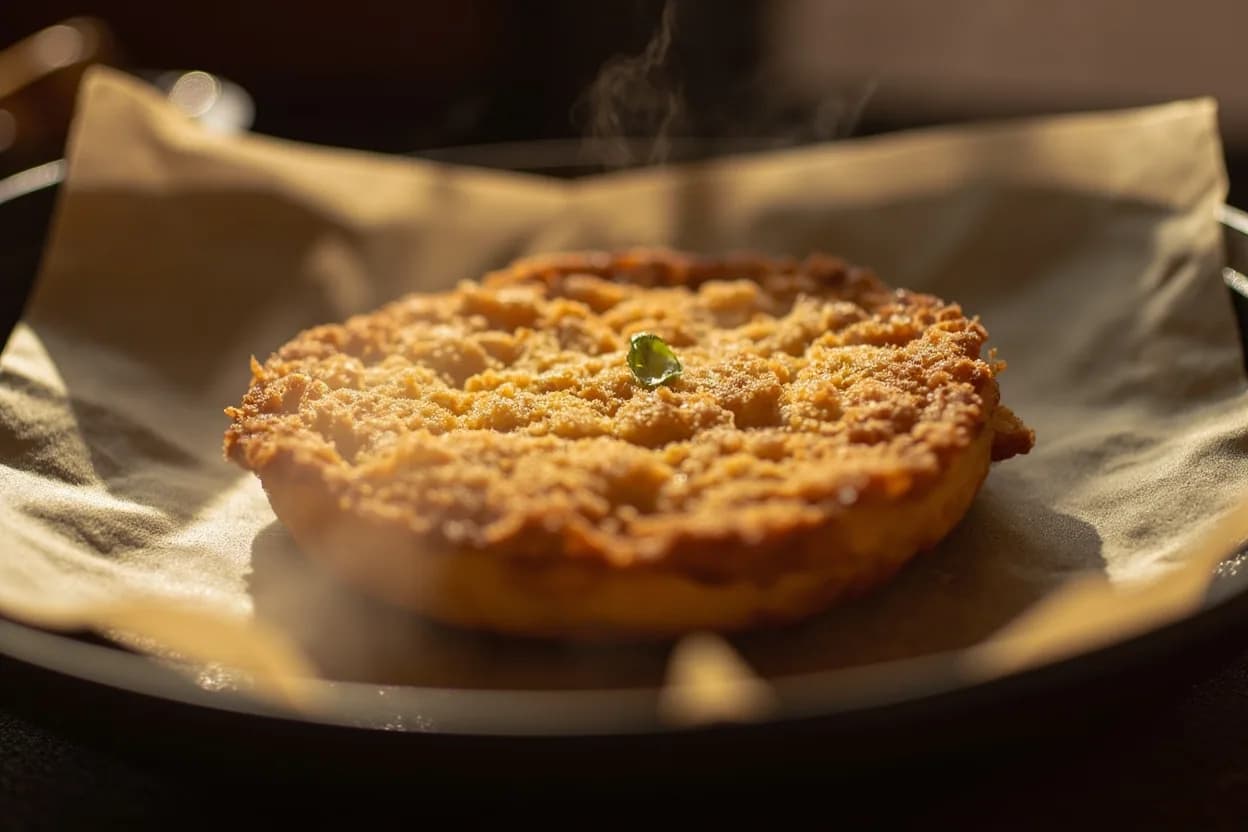
The dishes that define Uruguayan, documented in the Canon.
References
- 1.Gran Cocina Latina: The Food of Latin America — Maricel Presilla (W.W. Norton, 2012)
- 2.The Book of Latin American Cooking — Elisabeth Lambert Ortiz (Alfred A. Knopf, 1979)
- 3.Seven Fires: Grilling the Argentine Way — Francis Mallmann with Peter Kaminsky (Artisan, 2009)
Confidence: medium
Notes
The chivito: a sandwich, not a goat
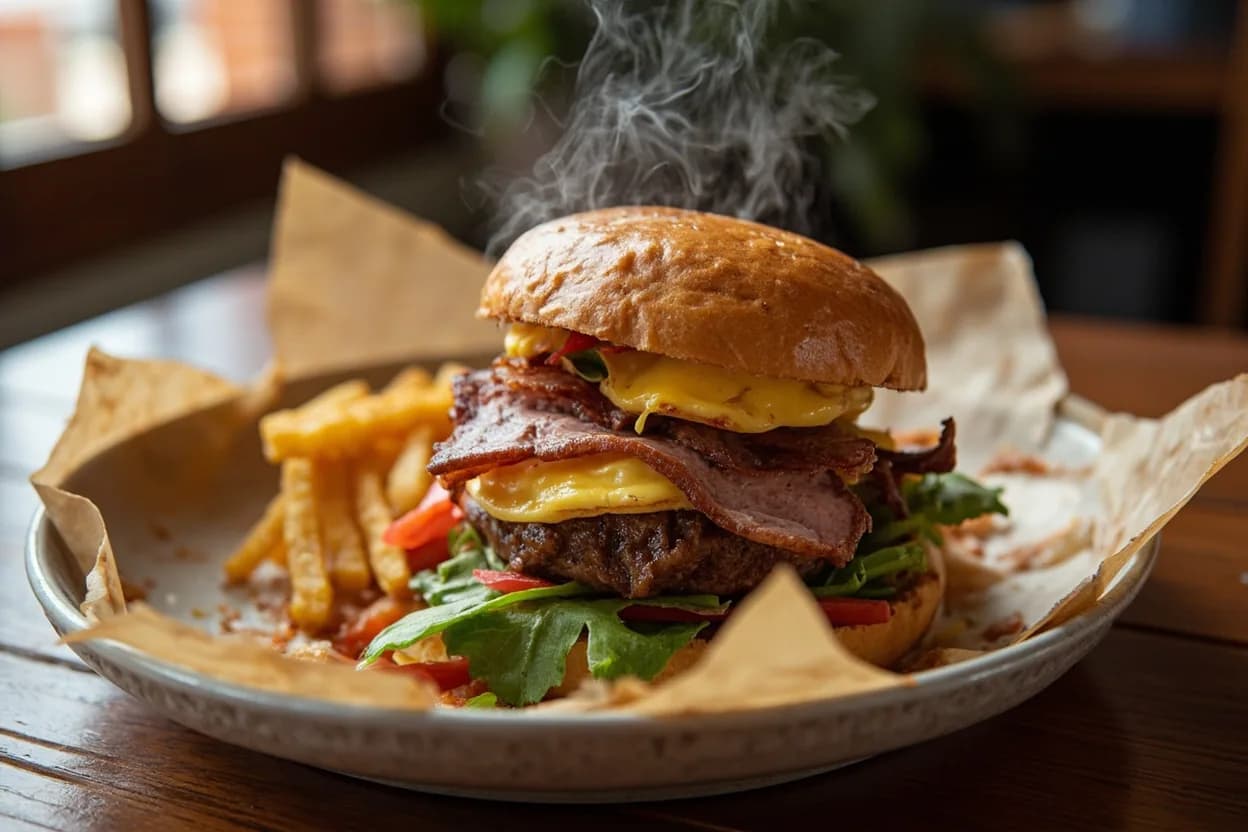
Despite its name literally meaning 'little goat,' the chivito is Uruguay's iconic sandwich of thin-sliced beef (churrasco), stacked with ham, cheese, egg, bacon, tomato, lettuce, olives, and mayonnaise on a bun, said to have originated in Punta del Este in the 1940s or 1950s when a restaurant was asked for goat meat, had none, and substituted beef, keeping the original name — a story repeated widely though not fully documented.
Highest beef consumption on earth
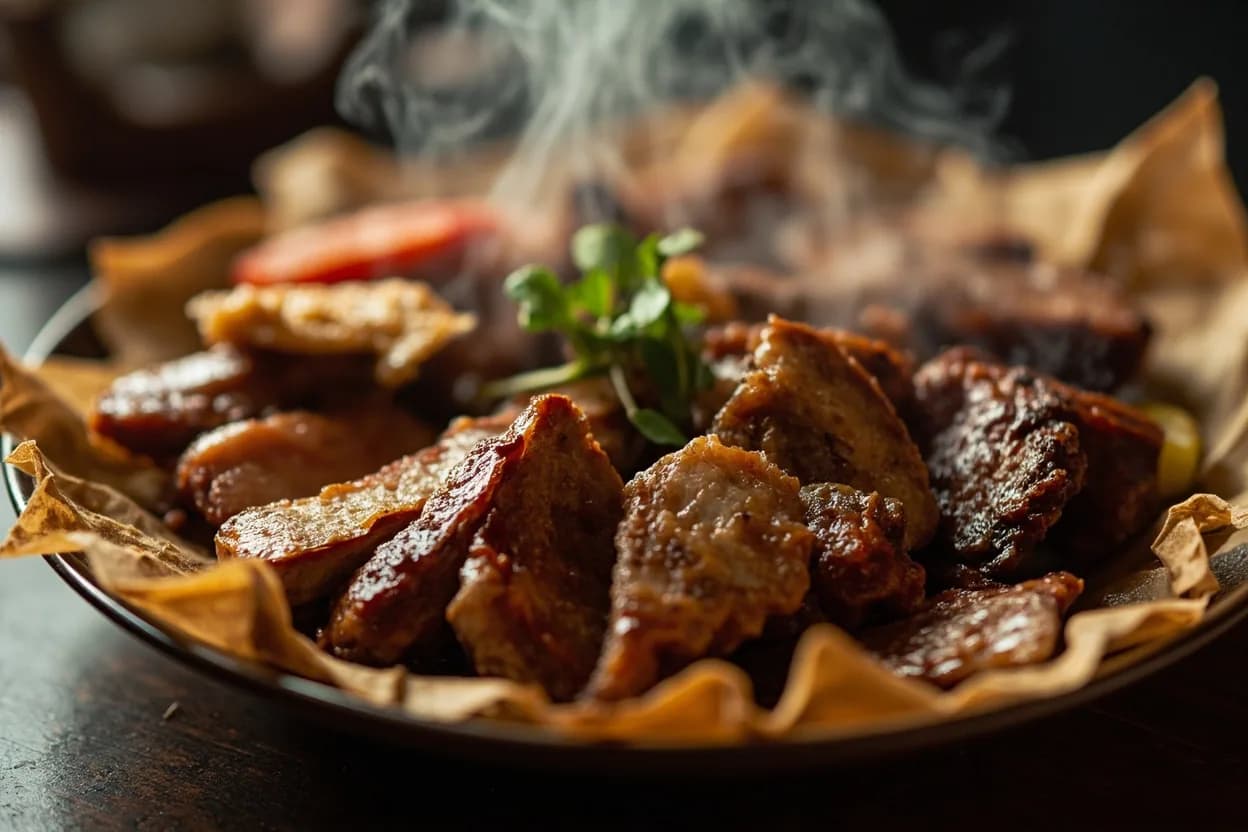
Uruguay has for decades ranked among the world's highest per-capita beef consumers, a product of its cattle-ranching geography (rolling pampas grassland covering most of the small country) and a parrilla (grill) culture that treats an asado — a slow wood- or charcoal-fired grilling of beef cuts, chorizo, morcilla (blood sausage), and offal — as a weekly, almost ceremonial, social event rather than an everyday meal, closely paralleling neighboring Argentina's asado tradition across the Río de la Plata.
Mate and Italian-Spanish immigration
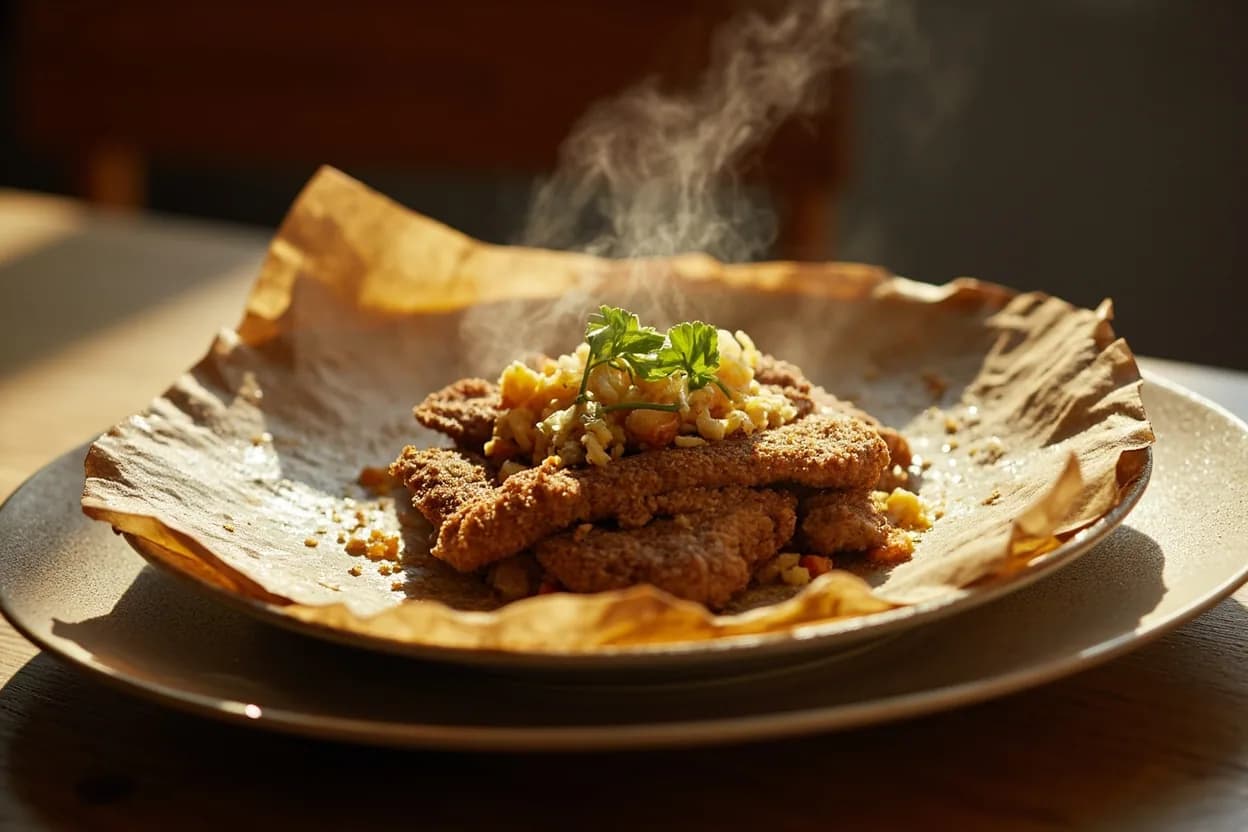
Massive Italian and Spanish immigration from the late 19th through mid-20th centuries reshaped Uruguay's urban food culture, embedding milanesa (breaded cutlets), pasta, and dulce de leche-filled pastries alongside the older gaucho beef-and-mate tradition; mate drinking, carried everywhere in a thermos and gourd, remains one of the most visibly constant threads tying rural estancia life to Montevideo's city streets.